


Review article: the role of HSD17B13 on global epidemiology, natural history, pathogenesis and treatment of NAFLD
- PMID: 36349732
- PMCID: PMC10047549
- DOI: 10.1111/apt.17292
Review article: the role of HSD17B13 on global epidemiology, natural history, pathogenesis and treatment of NAFLD
Abstract
Background: Non-alcoholic fatty liver disease (NAFLD) occurs in around a quarter of the global population and is one of the leading causes of chronic liver disease. The phenotypic manifestation and the severity of NAFLD are influenced by an interplay of environmental and genetic factors. Recently, several inactivating variants in the novel 17-Beta hydroxysteroid dehydrogenase 13 (HSD17B13) gene have been found to be associated with a reduced risk of chronic liver diseases, including NAFLD.
Aims: To review the existing literature on the epidemiology of HSD17B13 and discuss its role in the natural history, disease pathogenesis and treatment of NAFLD.
Methods: We extensively searched relevant literature in PubMed, Google Scholar, clinicaltrials.gov and the reference list of articles included in the review.
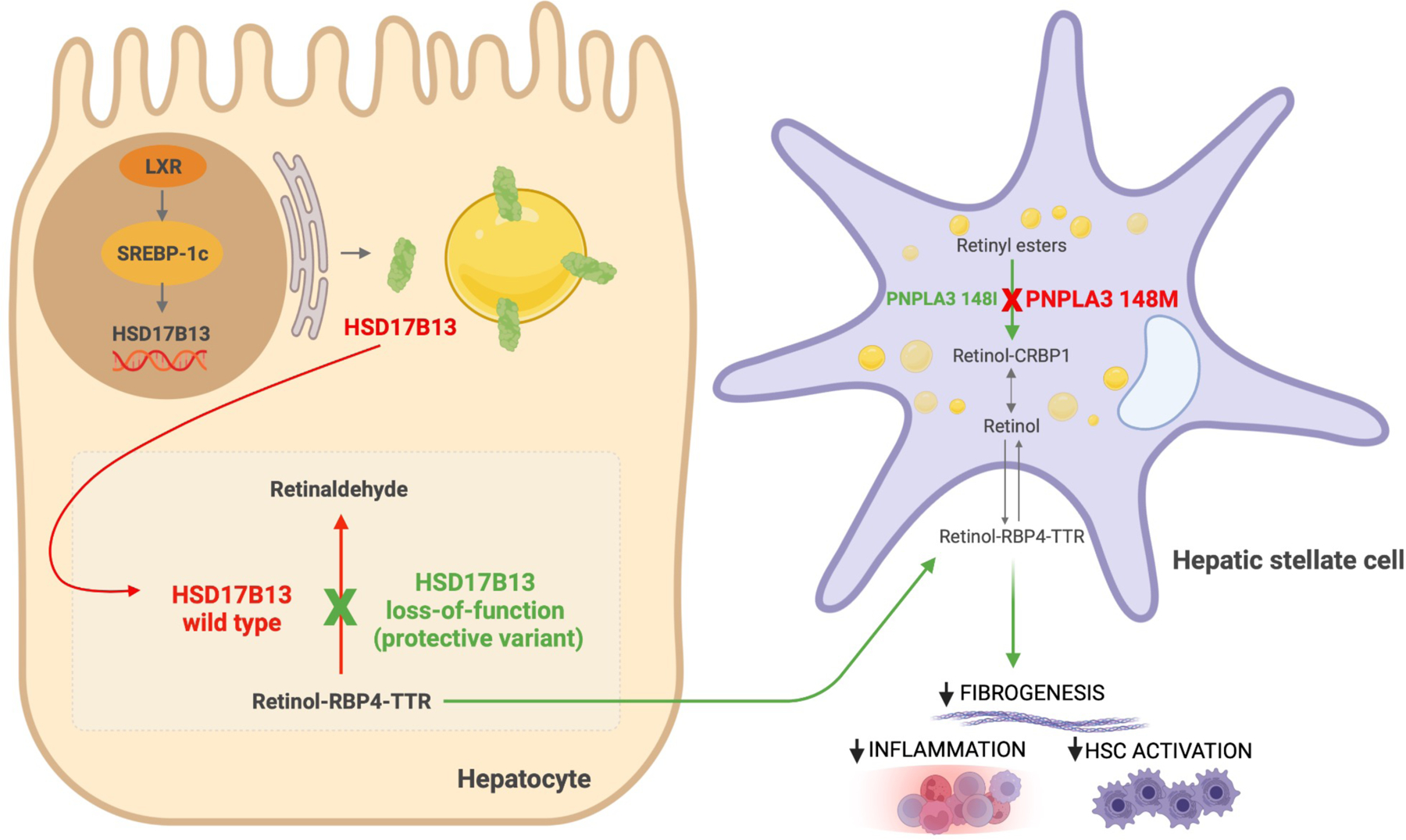
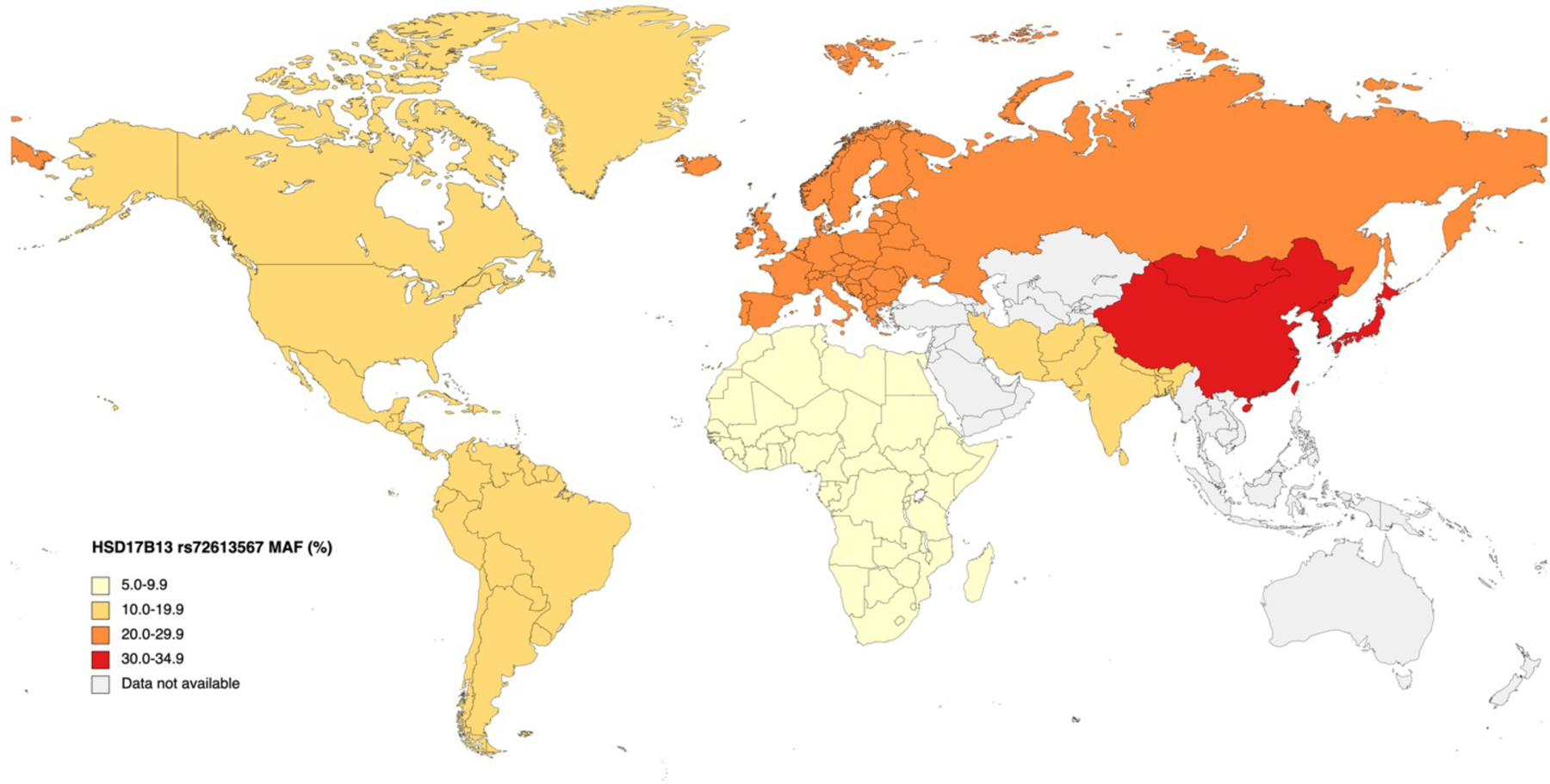
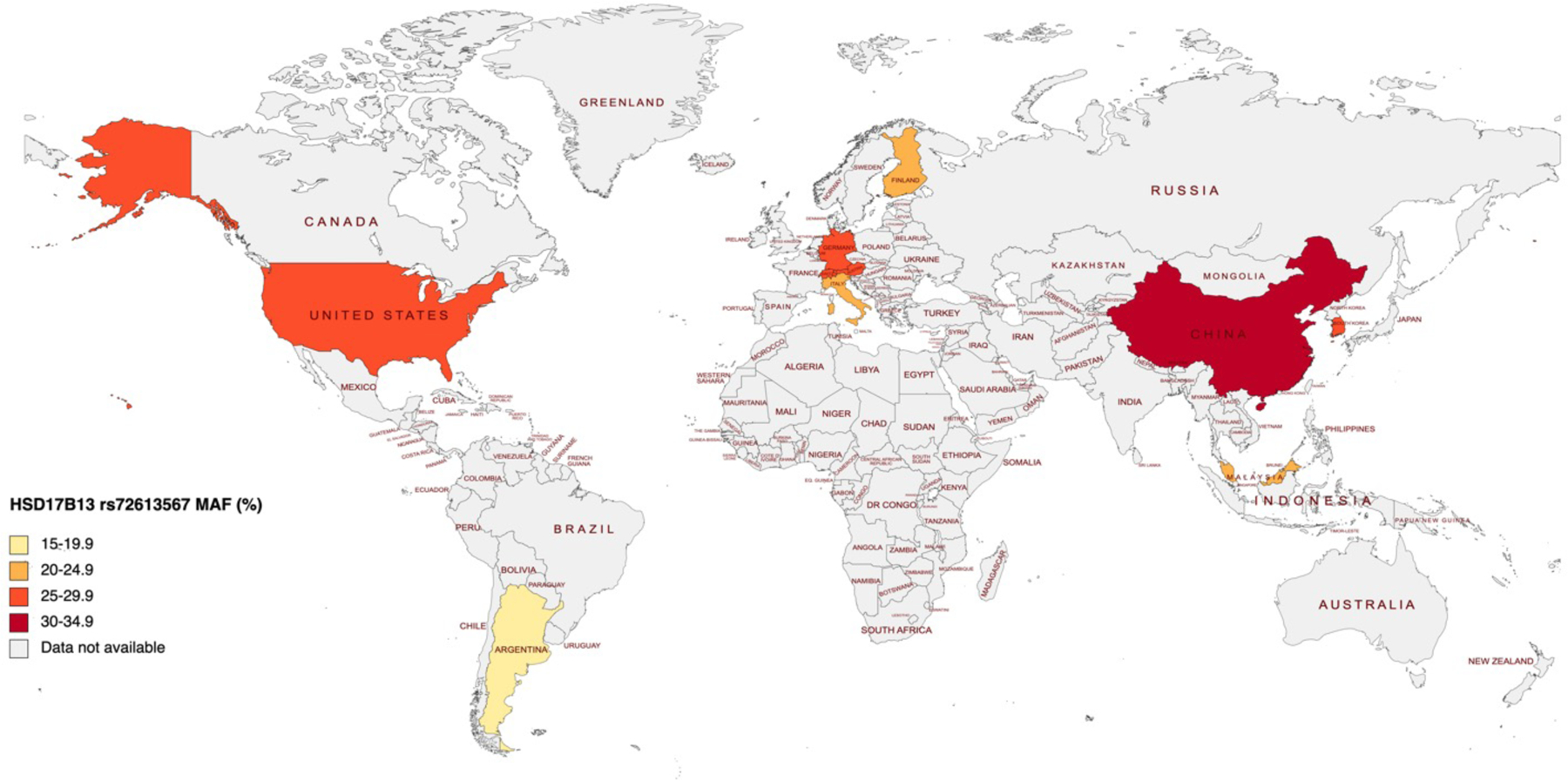
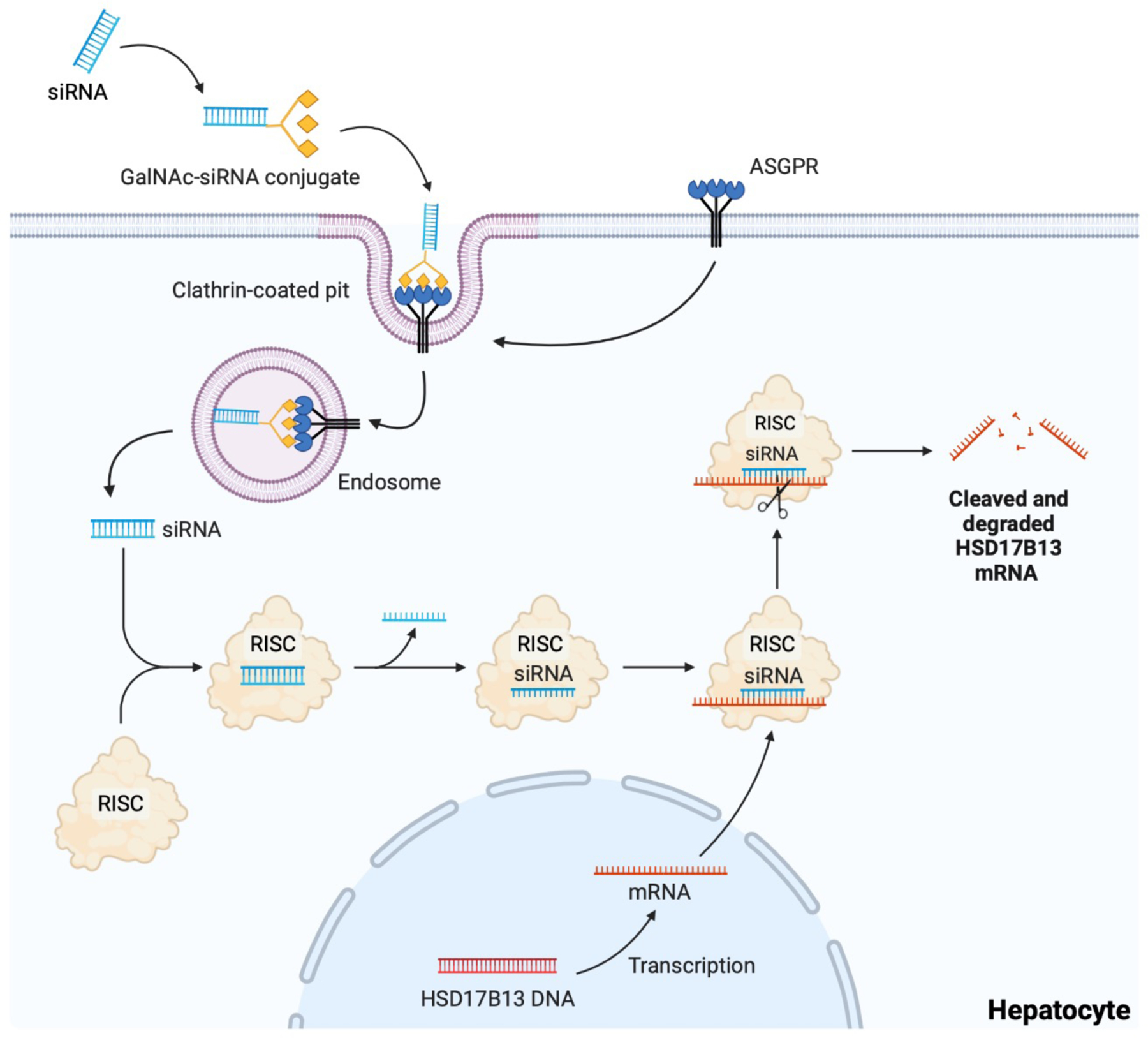
Results: HSD17B13 is a liver-specific, lipid droplet (LD)-associated protein that has enzymatic pathways involving steroids, pro-inflammatory lipid mediators and retinol. The estimated prevalence of the best characterised HSD17B13 variant (rs72613567) ranges from 5% in Africa to 34% in East Asia. Loss-of-function variants in HSD17B13 are protective against the progression of NAFLD from simple steatosis to non-alcoholic steatohepatitis (NASH), liver fibrosis, cirrhosis and hepatocellular carcinoma. Emerging data from mechanistic and preclinical studies with RNA interference (RNAi) and small molecule agents indicate that inhibiting HSD17B13 activity may prevent NAFLD progression.
Conclusions: The loss-of-function polymorphisms of the newly identified HSD17B13 gene mitigate the progression of NAFLD. It is important to understand the exact mechanism by which these variants exert a protective effect and implement the gathered knowledge in the treatment of NAFLD.
© 2022 John Wiley & Sons Ltd.
Figures
References
-
- Loomba R & Sanyal AJ The global NAFLD epidemic. Nat. Rev. Gastroenterol. Hepatol 10, 686–690 (2013). - PubMed
-
- Younossi ZM et al. Global epidemiology of nonalcoholic fatty liver disease—Meta-analytic assessment of prevalence, incidence, and outcomes. Hepatology 64, 73–84 (2016). - PubMed
-
- Chalasani N et al. The diagnosis and management of nonalcoholic fatty liver disease: Practice guidance from the American Association for the Study of Liver Diseases: Hepatology, Vol. XX, No. X, 2017. Hepatology 67, 328–357 (2018). - PubMed
-
- Loomba R, Friedman SL & Shulman GI Mechanisms and disease consequences of nonalcoholic fatty liver disease. Cell 184, 2537–2564 (2021). - PubMed
-
- Tan DJH et al. Global burden of liver cancer in males and females: Changing etiological basis and the growing contribution of NASH. Hepatol. Baltim. Md (2022). - PubMed
Publication types
MeSH terms
Grants and funding
LinkOut - more resources
Full Text Sources
Medical
Research Materials