


Facial expression recognition is linked to clinical and neurofunctional differences in autism
- PMID: 36357905
- PMCID: PMC9650909
- DOI: 10.1186/s13229-022-00520-7
Facial expression recognition is linked to clinical and neurofunctional differences in autism
Abstract
Background: Difficulties in social communication are a defining clinical feature of autism. However, the underlying neurobiological heterogeneity has impeded targeted therapies and requires new approaches to identifying clinically relevant bio-behavioural subgroups. In the largest autism cohort to date, we comprehensively examined difficulties in facial expression recognition, a key process in social communication, as a bio-behavioural stratification biomarker, and validated them against clinical features and neurofunctional responses.
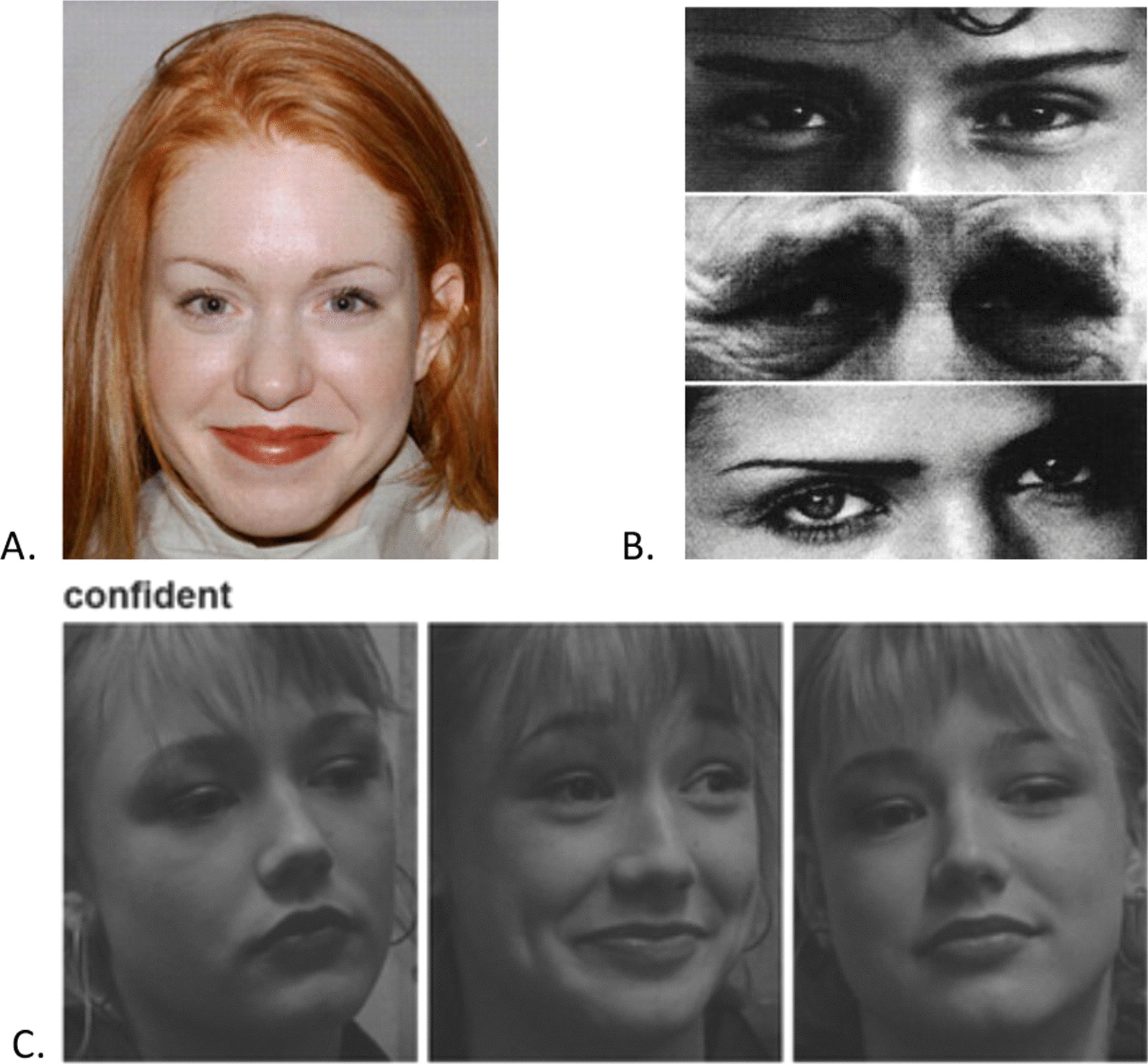
Methods: Between 255 and 488 participants aged 6-30 years with autism, typical development and/or mild intellectual disability completed the Karolinska Directed Emotional Faces task, the Reading the Mind in the Eyes Task and/or the Films Expression Task. We first examined mean-group differences on each test. Then, we used a novel intersection approach that compares two centroid and connectivity-based clustering methods to derive subgroups based on the combined performance across the three tasks. Measures and subgroups were then related to clinical features and neurofunctional differences measured using fMRI during a fearful face-matching task.
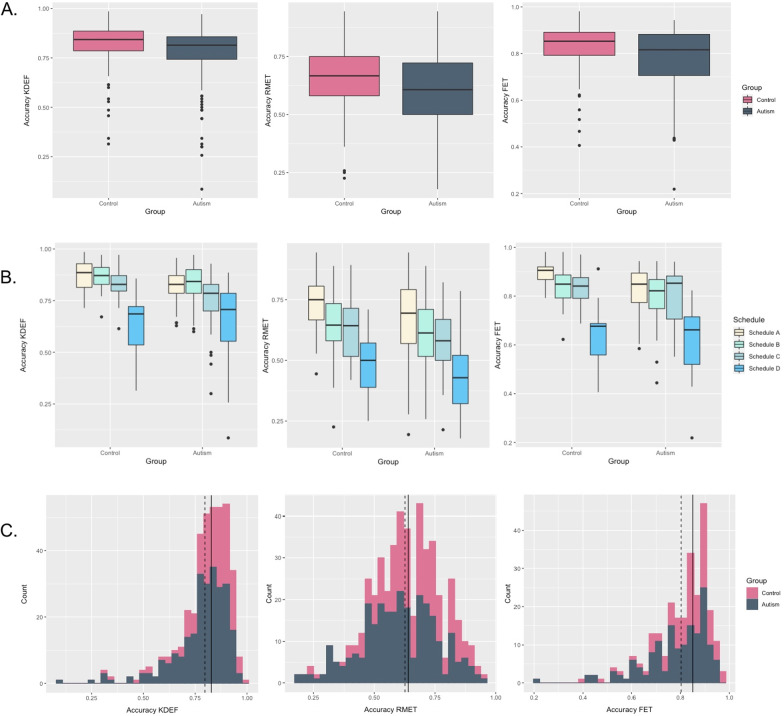
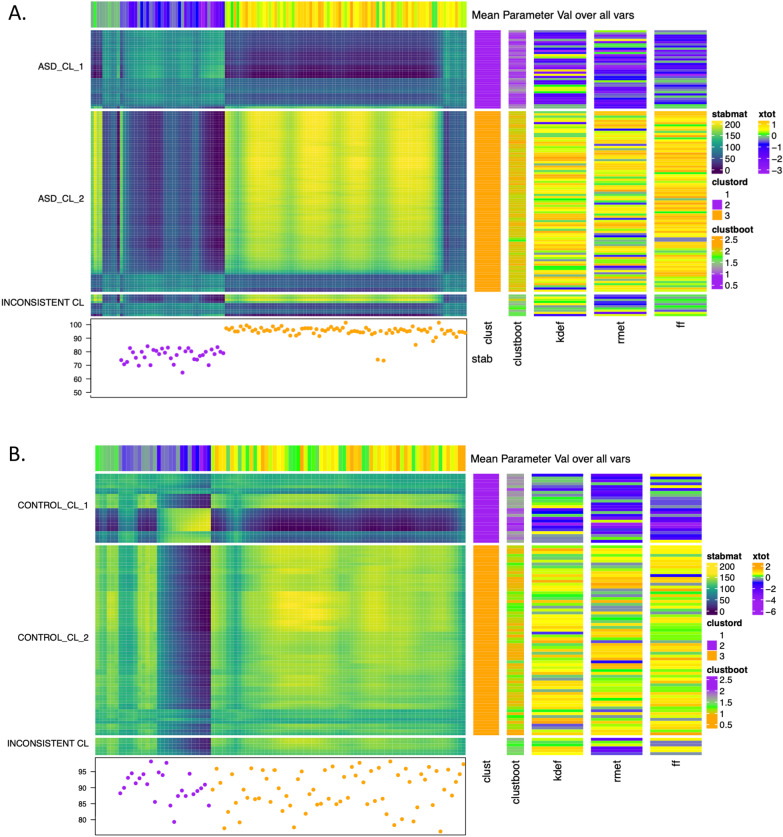
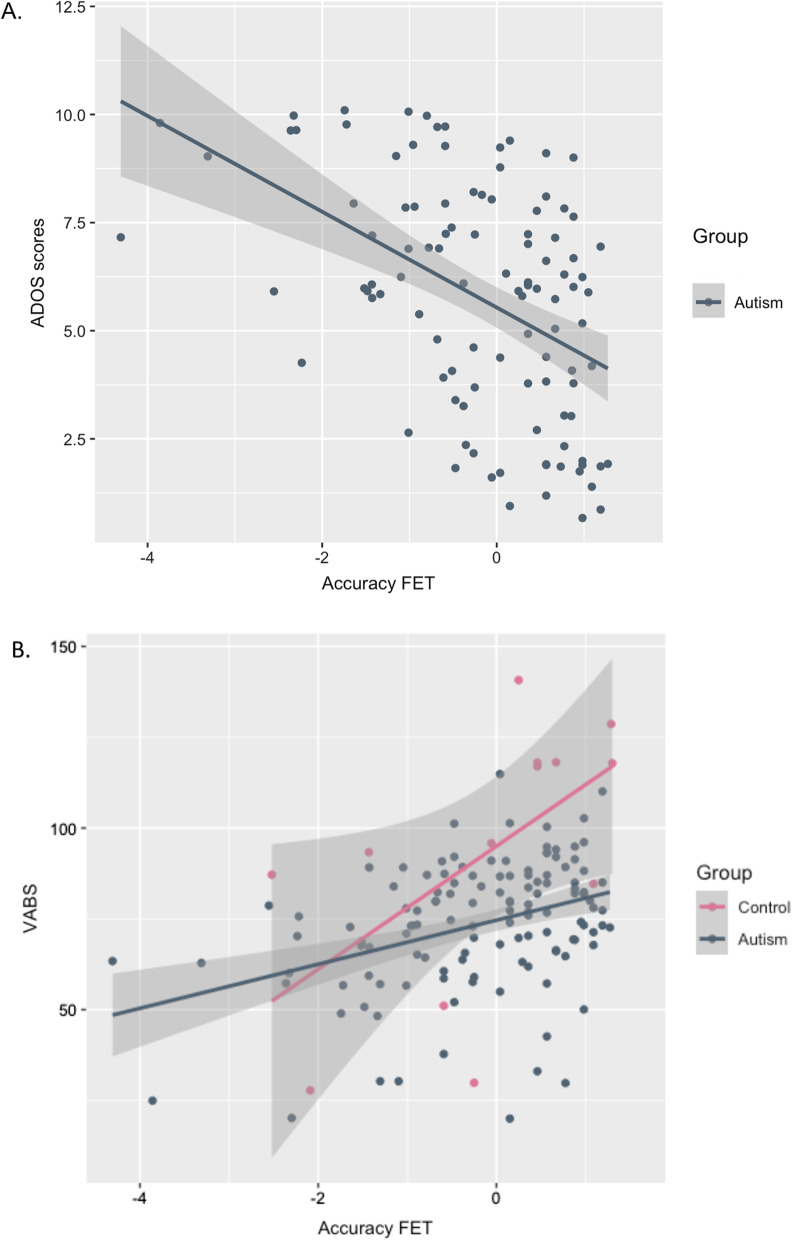
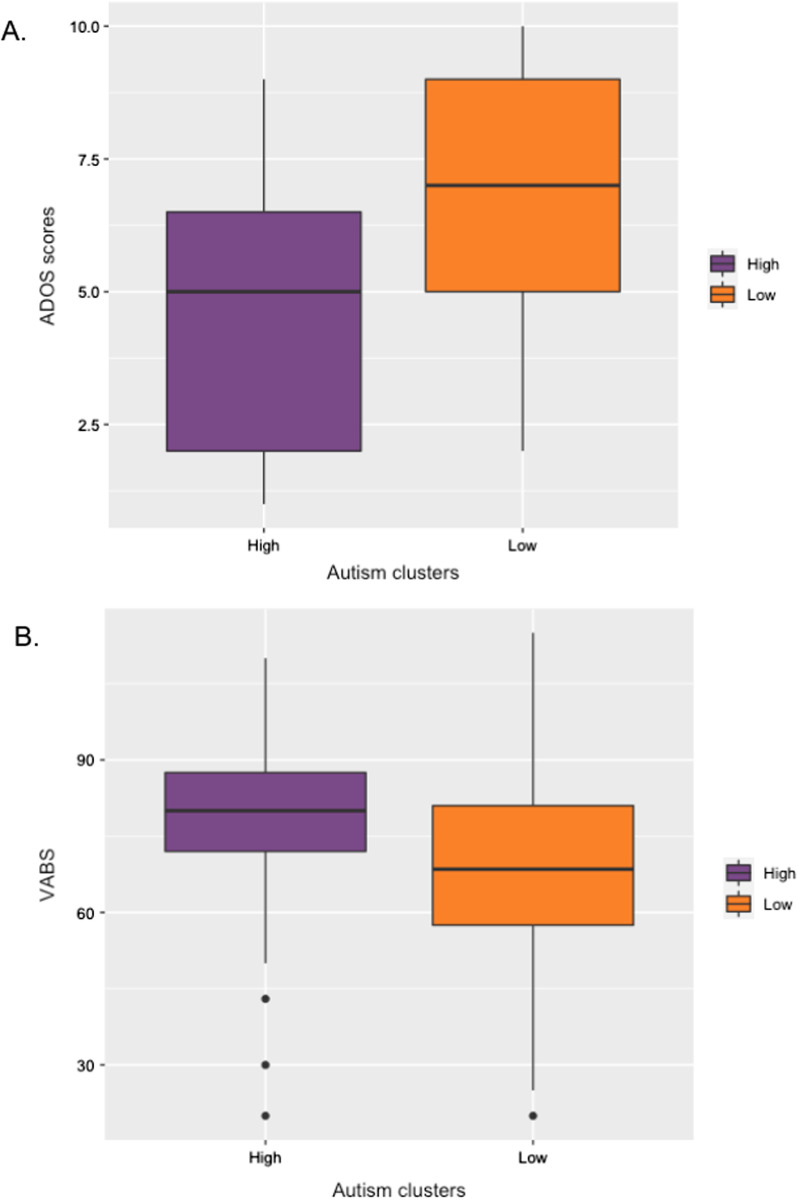
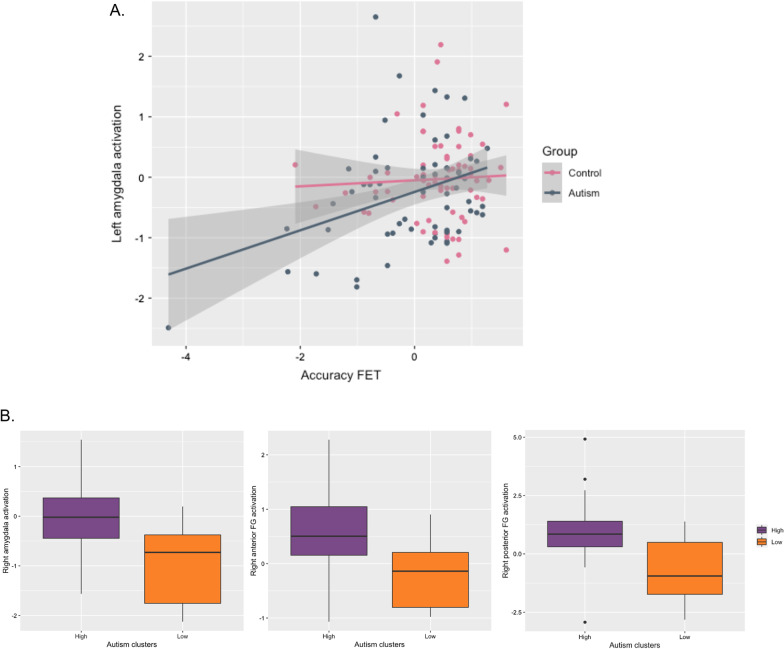
Results: We found significant mean-group differences on each expression recognition test. However, cluster analyses showed that these were driven by a low-performing autistic subgroup (~ 30% of autistic individuals who performed below 2SDs of the neurotypical mean on at least one test), while a larger subgroup (~ 70%) performed within 1SD on at least 2 tests. The low-performing subgroup also had on average significantly more social communication difficulties and lower activation in the amygdala and fusiform gyrus than the high-performing subgroup.
Limitations: Findings of autism expression recognition subgroups and their characteristics require independent replication. This is currently not possible, as there is no other existing dataset that includes all relevant measures. However, we demonstrated high internal robustness (91.6%) of findings between two clustering methods with fundamentally different assumptions, which is a critical pre-condition for independent replication.
Conclusions: We identified a subgroup of autistic individuals with expression recognition difficulties and showed that this related to clinical and neurobiological characteristics. If replicated, expression recognition may serve as bio-behavioural stratification biomarker and aid in the development of targeted interventions for a subgroup of autistic individuals.
Keywords: Autism; Autism spectrum disorder; Clustering analysis; Development; Facial expression recognition; Multi-site; Social brain; Stratification biomarkers; fMRI.
© 2022. The Author(s).
Conflict of interest statement
JT is a paid consultant to F. Hoffmann-La Roche Ltd. TC has served as a paid consultant to F. Hoffmann-La Roche Ltd. and Servier and has received royalties from Sage Publications and Guilford Publications. TB served in an advisory or consultancy role for Lundbeck, Medice, Neurim Pharmaceuticals, Oberberg GmbH, Takeda, and Infectopharm. He received conference support or speaker’s fee by Lilly, Medice, and Takeda. He received royalties from Hogrefe, Kohlhammer, CIP Medien, Oxford University Press; the present work is unrelated to these relationships. AM-L has received consultant fees in the past two years from Boehringer Ingelheim, Elsevier, Lundbeck Int. Neuroscience Foundation, Lundbeck AS, The Wolfson Foundation, Thieme Verlag, Sage Therapeutics, von Behring Stiftung, Fondation FondaMental, Janssen-Cilag GmbH, MedinCell, Brain Mind Institute, CISSN. Furthermore, he has received speaker fees from Italian Society of biological Psychiatry, Merz-Stiftung, Forum Werkstatt Karlsruhe, Lundbeck SAS France, BAG Psychiatrie Oberbayern. JB has been in the past 3 years a consultant to/member of advisory board of/and/or speaker for Takeda/Shire, Roche, Medice, Angelini, Janssen, and Servier. He is not an employee of any of these companies, and not a stock shareholder of any of these companies. He has no other financial or material support, including expert testimony, patents, royalties. EL is an Associate Editor at Molecular Autism. DM has been paid for advisory board work by F. Hoffmann-La Roche Ltd. and Servier, and for editorial work by Springer. The other authors declare that they have no competing interests.
Figures
References
-
- American Psychiatric Association. American Psychiatric Association. DSM-5 Task Force. Diagnostic and statistical manual of mental disorders: DSM-5. 5th ed. Washington, D.C.: American Psychiatric Association; 2013. xliv, 947 p.
-
- Loth E, Charman T, Mason L, Tillmann J, Jones EJH, Wooldridge C, et al. The EU-AIMS Longitudinal European Autism Project (LEAP): design and methodologies to identify and validate stratification biomarkers for autism spectrum disorders. Mol Autism. 2017;8:24. doi: 10.1186/s13229-017-0146-8. - DOI - PMC - PubMed
Publication types
MeSH terms
Substances
LinkOut - more resources
Full Text Sources
Medical
