


Influence of Adiposity on the Gut Microbiota Composition of Arab Women: A Case-Control Study
- PMID: 36358288
- PMCID: PMC9687783
- DOI: 10.3390/biology11111586
Influence of Adiposity on the Gut Microbiota Composition of Arab Women: A Case-Control Study
Abstract
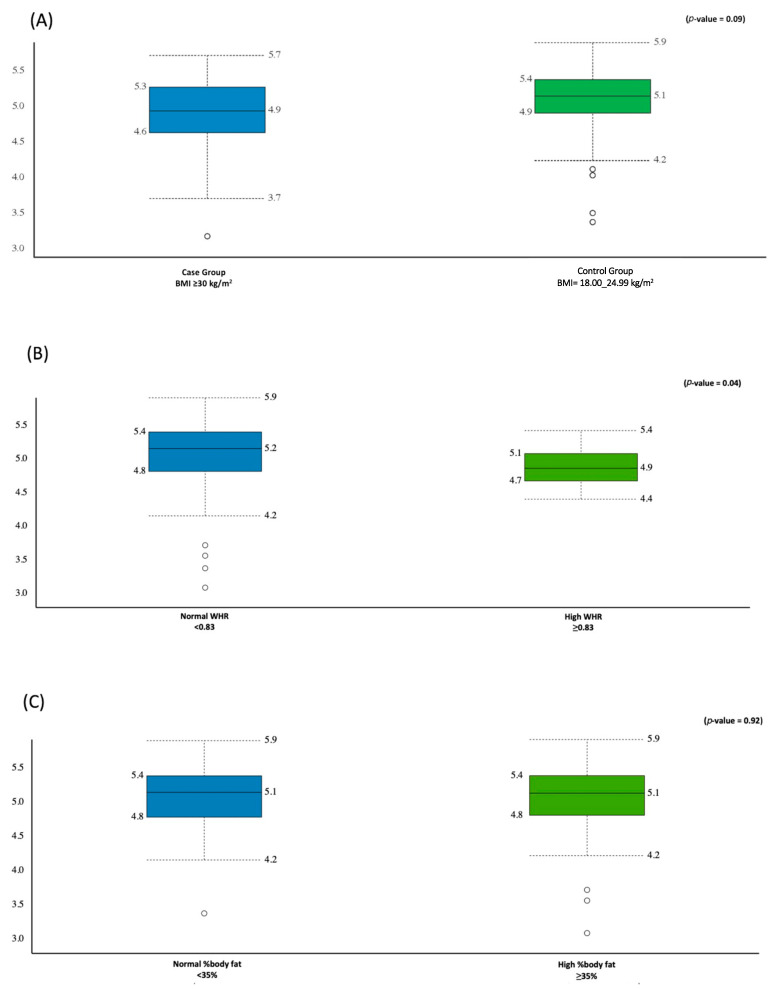
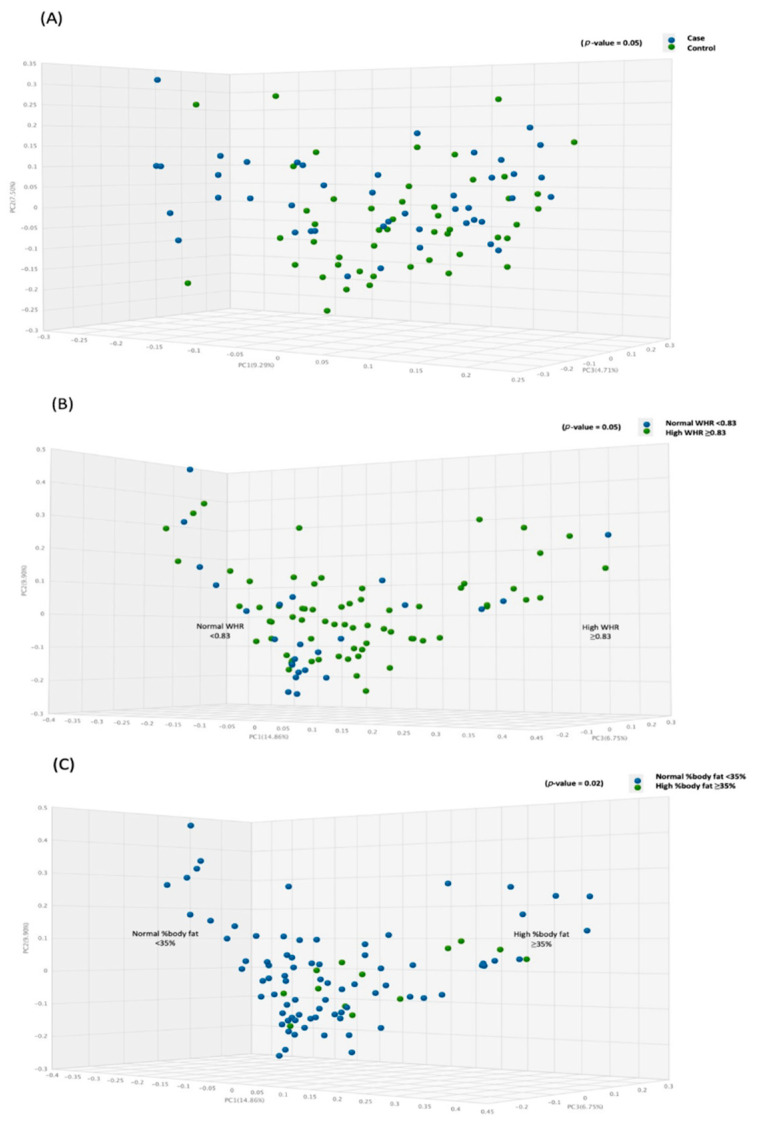
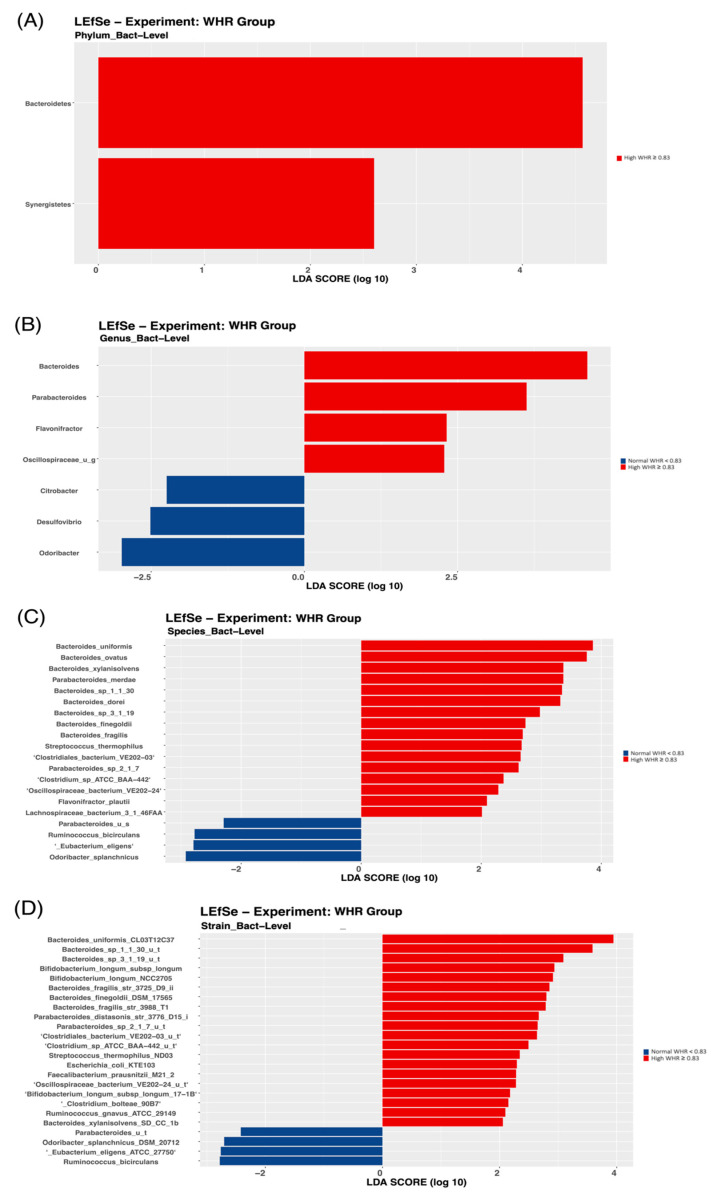
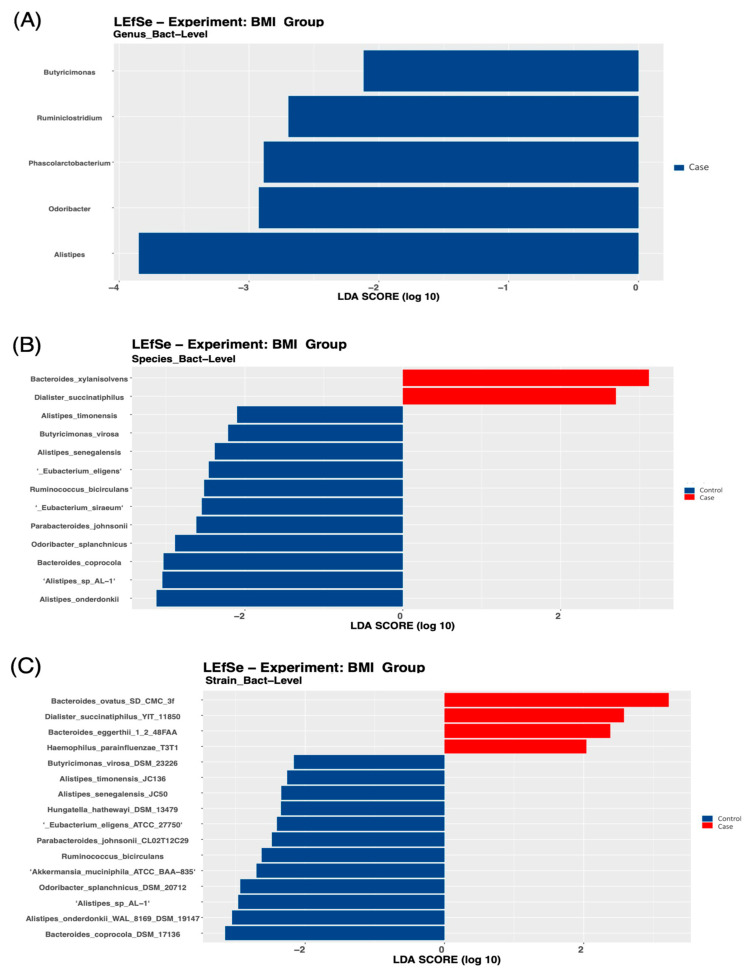
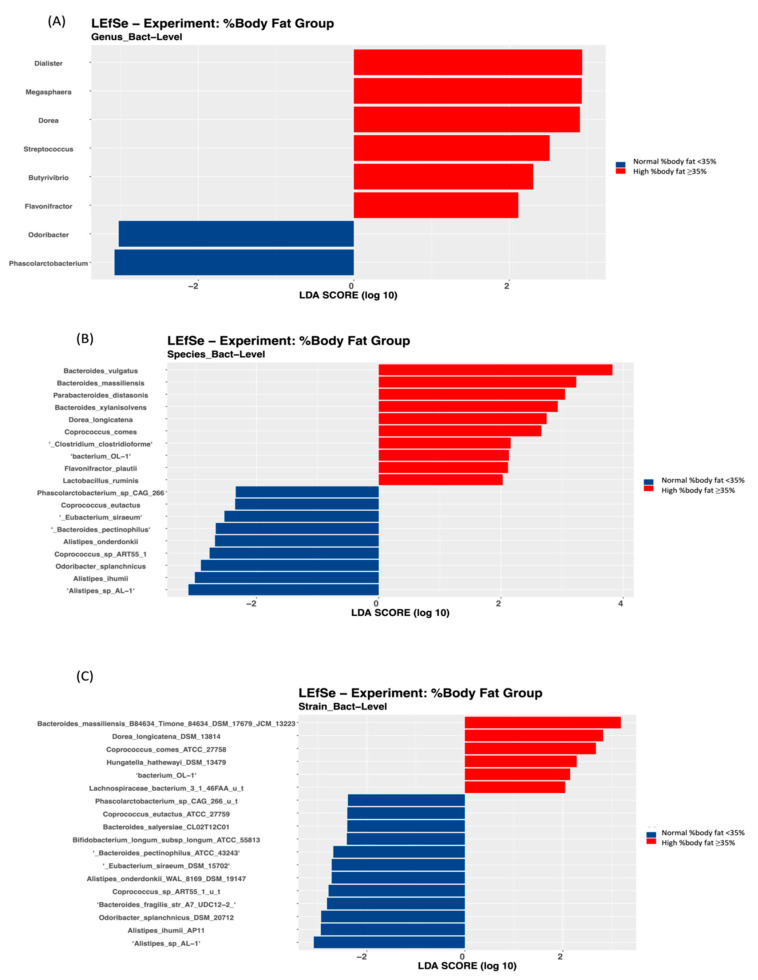
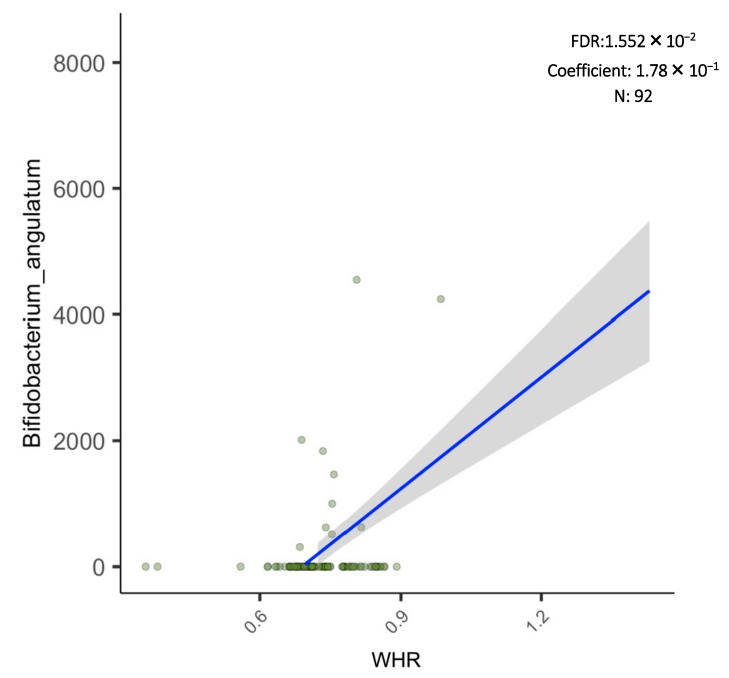
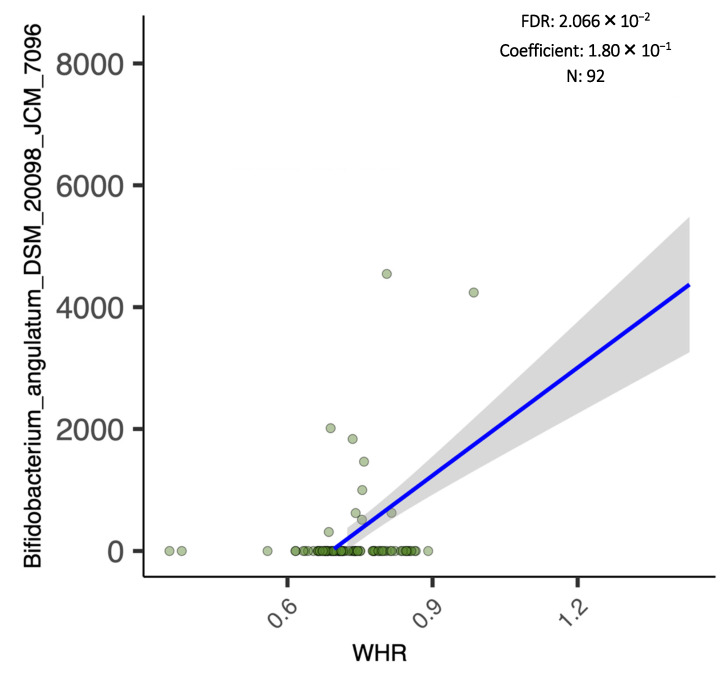
Recent evidence has suggested that the gut microbiota is a possible risk factor for obesity. However, limited evidence is available on the association between the gut microbiota composition and obesity markers in the Middle-Eastern region. We aimed to investigate the association between gut microbiota and obesity markers in a case-control study including 92 Saudi women aged 18-25 years, including participants with obesity (case, n = 44) and with normal weight (control, n = 48). Anthropometric, body composition, and biochemical data were collected. The whole-genome shotgun technique was used to analyze the gut microbiota. The Shannon alpha and Bray-Curtis beta diversity were determined. The microbial alpha diversity was significantly associated with only the waist-to-hip ratio (WHR) (p-value = 0.04), while the microbial beta diversity was significantly associated with body mass index (p-value = 0.048), %body fat (p-value = 0.018), and WHR (p-value = 0.050). Specific bacteria at different taxonomic levels, such as Bacteroidetes and Synergistetes, were positively associated with different obesity markers. Alistipes was higher in the control group compared with the case group. The results highlight the association of the gut microbiota with obesity and suggest that the gut microbiota of Saudi women is associated with specific obesity markers. Future studies are needed to determine the role of the identified strains in the metabolism of individuals with obesity.
Keywords: %body fat; BMI; WHR; gut microbiota; microbial alpha diversity; microbial beta diversity; obesity.
Conflict of interest statement
The authors declare no conflict of interest. The sponsor had no role in the design and conduct of the study; the collection, management, analysis, and interpretation of the data; in the preparation, review, or approval of the manuscript; or the decision to submit the manuscript for publication.
Figures
References
-
- World Health Organization Obesity and Overweight. [(accessed on 20 February 2019)]. Available online: http://www.who.int/news-room/fact-sheets/detail/obesity-and-overweight.
-
- World Health Organization Prevalence of Obesity among Adults, BMI ≥ 30 (Age-Standardized Estimate) (%) [(accessed on 4 March 2019)]. Available online: https://www.who.int/data/gho/data/indicators/indicator-details/GHO/preva...
-
- Barker M., Dombrowski S.U., Colbourn T., Fall C.H.D., Kriznik N.M., Lawrence W.T., Norris S.A., Ngaiza G., Patel D., Skordis-Worrall J., et al. Intervention strategies to improve nutrition and health behaviours before conception. Lancet. 2018;391:1853–1864. doi: 10.1016/S0140-6736(18)30313-1. - DOI - PMC - PubMed
Grants and funding
LinkOut - more resources
Full Text Sources
Molecular Biology Databases
