


Psycho-Microbiology, a New Frontier for Probiotics: An Exploratory Overview
- PMID: 36363733
- PMCID: PMC9696884
- DOI: 10.3390/microorganisms10112141
Psycho-Microbiology, a New Frontier for Probiotics: An Exploratory Overview
Abstract
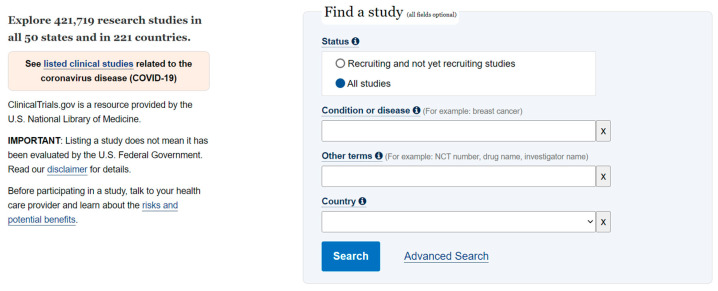
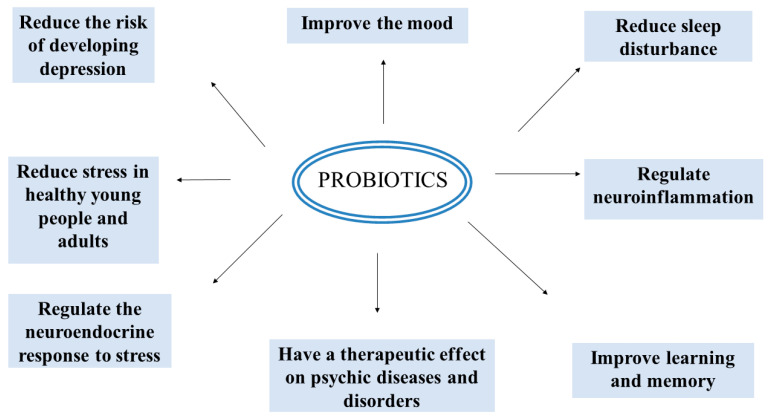
Probiotics are gradually gaining importance in the field of psychiatry in the form of psychobiotics. Psychobiotics' studies examine the existing relationship between gut microbiota and mental phenomena; the intake of certain strains of probiotics, such as Bifidobacterium and Lactobacillus, for example, allow the gut microbial system to be modified in order to provide benefits at the psychic, immune, hormonal, and mental levels. Those who suffer from forms of depression, anxiety disorders, chronic stress, low mood, but also people who do not suffer from such disorders, can therefore benefit from the use of psychobiotics. Thanks to probiotics, neurochemicals can in fact be produced within the gut microbiota and interact with receptors of the enteric nervous system that innervate the entire gastrointestinal tract. Once they enter the portal circulation, these substances go on to influence components of the nervous system and ultimately the brain, through what is called the gut-brain axis. This article proposes an exploratory overview of the proven effects of probiotics on brain activity and psycho-related diseases, focusing on clinical studies and measurable outcomes. The search was conducted using two different online tools: ClinicalTrials.gov and PubMed.
Keywords: mental health; probiotics; research paper; trials.
Conflict of interest statement
The authors declare no conflict of interest.
Figures
References
-
- Food and Agriculture Organization of United Nations (FAO) World Health Organization (WHO) Health and Nutritional Properties of Probiotics in Food Including Powder Milk with Live Lactic Acid Bacteria. Report of a Joint FAO/WHO Expert Consultation. Cordoba, Argetina, 1–4 October 2001. [(accessed on 7 October 2022)]. Available online: https://www.fao.org/3/a0512e/a0512e.pdf.
-
- Morelli L., Salari P. Handbook dei Probiotici. Mediserve Editoria & Formazione; Milan, Italy: 2007.
-
- Bibbò S., Ianiro G., Giorgio V., Scaldaferri F., Masucci L. The role of diet on gut microbiota composition. Eur. Rev. Med. Pharmacol. Sci. 2016;20:4742–4749. - PubMed
Publication types
Grants and funding
LinkOut - more resources
Full Text Sources
