


Utility and patient acceptance of telemedicine in nephrology
- PMID: 36367662
- PMCID: PMC9651110
- DOI: 10.1007/s40620-022-01471-1
Utility and patient acceptance of telemedicine in nephrology
Abstract
Purpose: There is an increasing burden of kidney diseases worldwide and access to specialist care is limited. Telemedicine, has been relatively less used in developing countries like India. The current study aims to assess the feasibility and acceptance of telenephrology services at our institute, a public hospital.
Methods: A total of 150 patients were selected by stratified random sampling from the list of attendees who had undergone both in-person outpatient consultation and telenephrology consultation. Patient's attitude towards, and knowledge and acceptance of telenephrology services were evaluated.
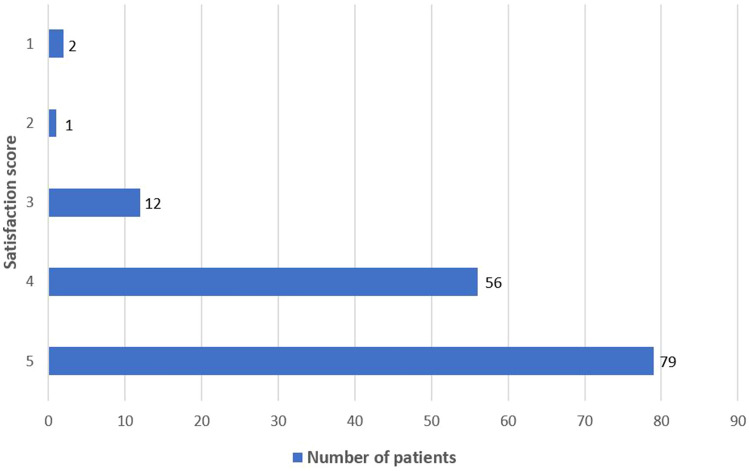
Results: The average age of the study cohort was 42.52 ± 15.1 years. More than one-third (39.3%) of our patients belonged to the lower middle socioeconomic class. The median distance traveled to reach our outpatient clinic was 113.5 km (3-2249 km). Patients reported lost workdays in 54.7% cases. The majority (95%) of patients managed to consult through teleservices successfully. Ninety percent of the patients gave a satisfaction score of 4 (out of 5) or above for their tele-consultation experience. The most important perceived benefit of teleconsultation was the reduced risk of infection (40.6%) followed by economic benefits (32%). The major disadvantage (36%) was the absence of physical examination. A combination of physical and telenephrology services was the option preferred by 84% of the patients.
Conclusion: In developing countries like India, with the majority of the population residing outside major cities and with limited medical access, telenephrology has a huge potential to provide quality nephrology care to the remotest parts of the country.
Keywords: Patient satisfaction; Telemedicine; Telenephrology.
© 2022. The Author(s) under exclusive licence to Italian Society of Nephrology.
Conflict of interest statement
None declared.
Figures
References
-
- AlAzab R, Khader Y. Telenephrology application in rural and remote areas of Jordan: benefits and impact on quality of life. Rural Remote Health. 2016;16(1):3646. - PubMed
-
- Rural population (% of total population) | Data. https://data.worldbank.org/indicator/SP.RUR.TOTL.ZS. Accessed 17 Apr 2022.
MeSH terms
LinkOut - more resources
Full Text Sources
Medical
