


The protective effects of Xuebijing injection on intestinal injuries of mice exposed to irradiation
- PMID: 36376997
- PMCID: PMC9773304
- DOI: 10.1002/ame2.12285
The protective effects of Xuebijing injection on intestinal injuries of mice exposed to irradiation
Abstract
Background: Gastrointestinal (GI) injury is one of the most common side effects of radiotherapy. However, there is no ideal therapy method except for symptomatic treatment in the clinic. Xuebijing (XBJ) is a traditional Chinese medicine, used to treat sepsis by injection. In this study, the protective effects of XBJ on radiation-induced intestinal injury (RIII) and its mechanism were explored.
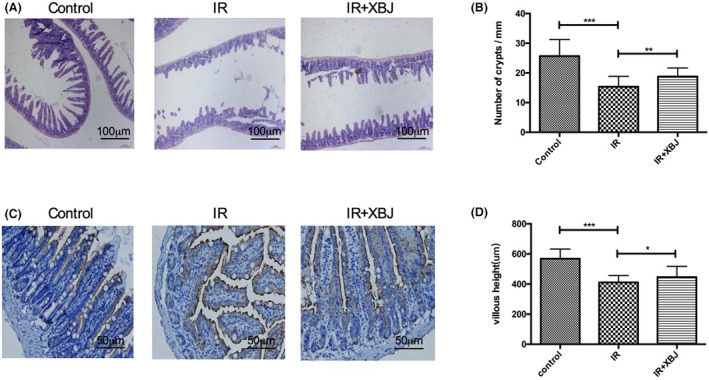
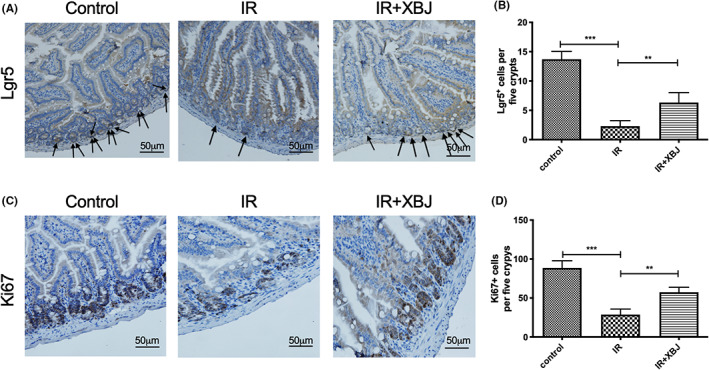
Methods: The effect of XBJ on survival of irradiated C57BL/6 mice was monitored. Histological changes including the number of crypts and the length of villi were evaluated by H&E. The expression of Lgr5+ intestinal stem cells (ISCs), Ki67+ cells, villin and lysozymes were examined by immunohistochemistry. The expression of cytokines in the intestinal crypt was detected by RT-PCR. DNA damage and apoptosis rates in the small intestine were also evaluated by immunofluorescence.
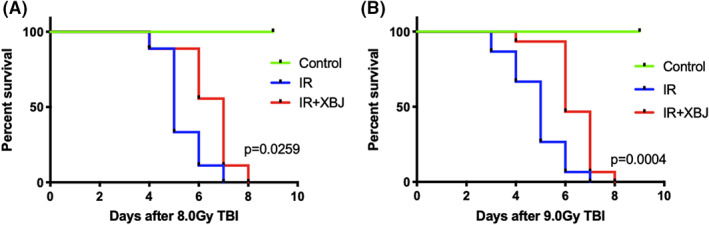
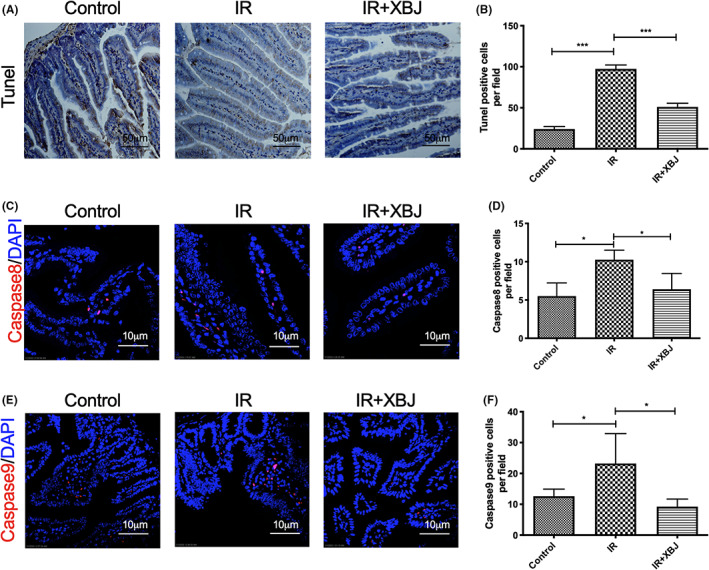
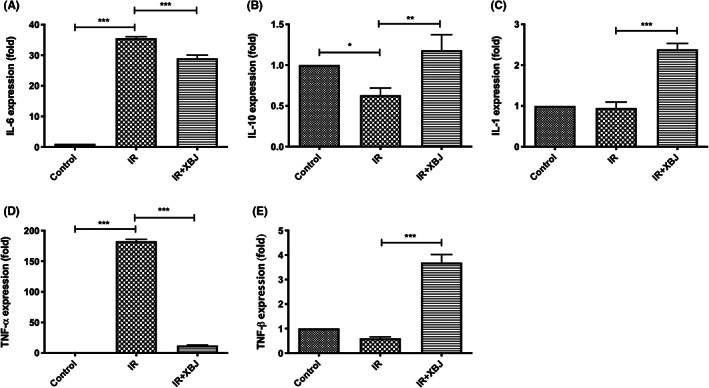
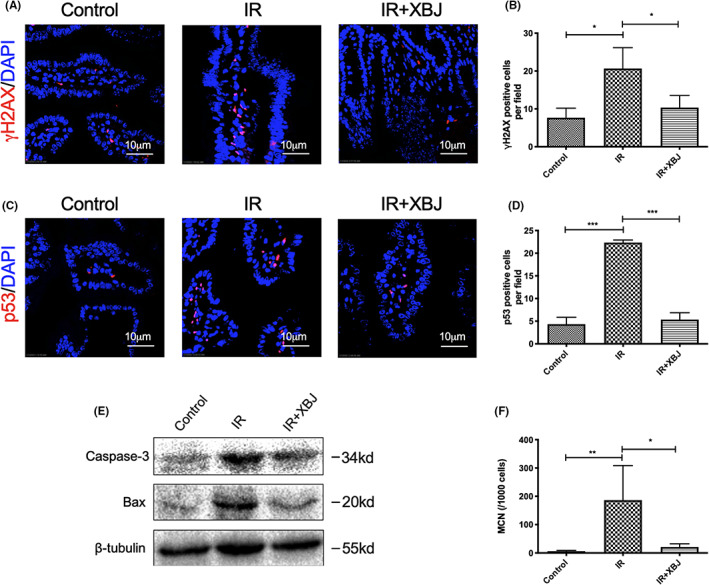
Results: In the present study, XBJ improved the survival rate of the mice after 8.0 and 9.0 Gy total body irradiation (TBI). XBJ attenuated structural damage of the small intestine, maintained regenerative ability and promoted proliferation and differentiation of crypt cells, decreased apoptosis rate and reduced DNA damage in the intestine. Elevation of IL-6 and TNF-α was limited, but IL-1, TNF-𝛽 and IL-10 levels were increased in XBJ-treated group after irradiation. The expression of Bax and p53 were decreased after XBJ treatment.
Conclusions: Taken together, XBJ provides a protective effect on RIII by inhibiting inflammation and blocking p53-related apoptosis pathway.
Keywords: Apoptosis; Inflammation; Intestinal injury; Total body irradiation; Xuebijing injection.
© 2022 The Authors. Animal Models and Experimental Medicine published by John Wiley & Sons Australia, Ltd on behalf of The Chinese Association for Laboratory Animal Sciences.
Conflict of interest statement
There are no conflicts of interest to declare. Aimin Meng is an Editorial Board member of AMEM and a co‐author of this article. To minimize bias, she was excluded from all editorial decision‐making related to the acceptance of this article for publication.
Figures
References
-
- Xu Y, Tu W, Sun D, et al. Nrf2 alleviates radiation‐induced rectal injury by inhibiting of necroptosis. Biochem Biophys Res Commun. 2021;554:49‐55. - PubMed
-
- Monti P, Wysocki J, Van der Meeren A, Griffiths NM. The contribution of radiation‐induced injury to the gastrointestinal tract in the development of multi‐organ dysfunction syndrome or failure. BJR Suppl BIR. 2005;27:89‐94.
-
- Paquette IM, Vogel JD, Abbas MA, Feingold DL, Steele SR, Colon CPGCoTASo, Rectal S . The American Society of Colon and Rectal Surgeons Clinical Practice guidelines for the treatment of chronic radiation proctitis. Dis Colon Rectum. 2018;61(10):1135‐1140. - PubMed
Publication types
MeSH terms
Substances
LinkOut - more resources
Full Text Sources
Research Materials
Miscellaneous
