. 2023 Jan;37(1):61-71.
doi: 10.1038/s41375-022-01746-3. Epub 2022 Nov 15.

Preclinical efficacy of azacitidine and venetoclax for infant KMT2A-rearranged acute lymphoblastic leukemia reveals a new therapeutic strategy

Affiliations

Preclinical efficacy of azacitidine and venetoclax for infant KMT2A-rearranged acute lymphoblastic leukemia reveals a new therapeutic strategy

Laurence C Cheung et al. Leukemia. 2023 Jan.

Abstract

Infants with KMT2A-rearranged B-cell acute lymphoblastic leukemia (ALL) have a dismal prognosis. Survival outcomes have remained static in recent decades despite treatment intensification and novel therapies are urgently required. KMT2A-rearranged infant ALL cells are characterized by an abundance of promoter hypermethylation and exhibit high BCL-2 expression, highlighting potential for therapeutic targeting. Here, we show that hypomethylating agents exhibit in vitro additivity when combined with most conventional chemotherapeutic agents. However, in a subset of samples an antagonistic effect was seen between several agents. This was most evident when hypomethylating agents were combined with methotrexate, with upregulation of ATP-binding cassette transporters identified as a potential mechanism. Single agent treatment with azacitidine and decitabine significantly prolonged in vivo survival in KMT2A-rearranged infant ALL xenografts. Treatment of KMT2A-rearranged infant ALL cell lines with azacitidine and decitabine led to differential genome-wide DNA methylation, changes in gene expression and thermal proteome profiling revealed the target protein-binding landscape of these agents. The selective BCL-2 inhibitor, venetoclax, exhibited in vitro additivity in combination with hypomethylating or conventional chemotherapeutic agents. The addition of venetoclax to azacitidine resulted in a significant in vivo survival advantage indicating the therapeutic potential of this combination to improve outcome for infants with KMT2A-rearranged ALL.


Conflict of interest statement

The authors declare no competing interests.

Figures
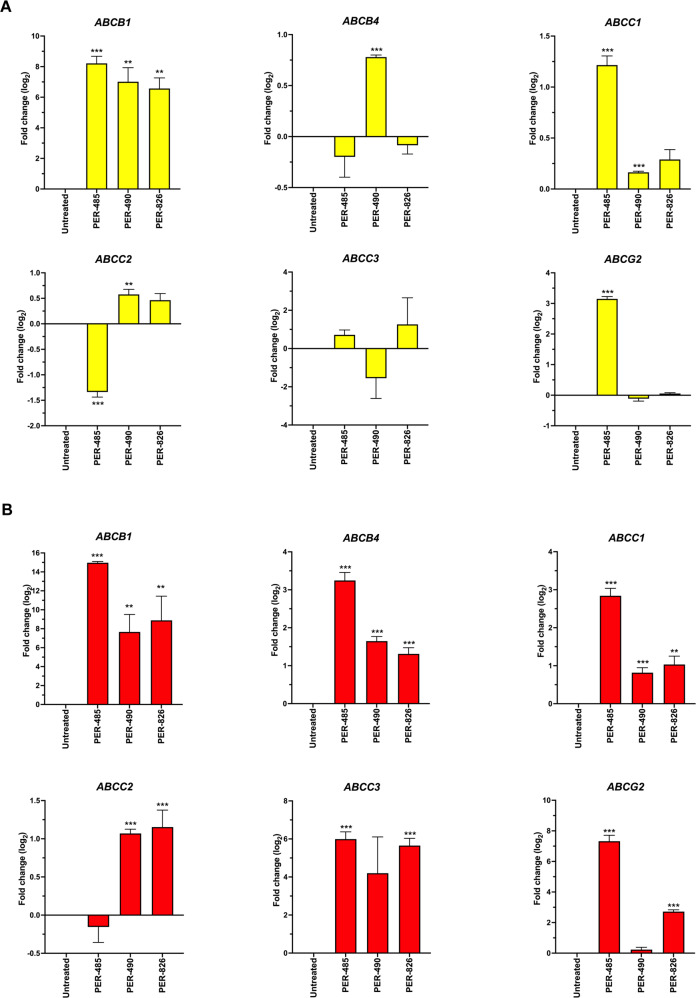
Fig. 1
Fig. 1. Treatment with hypomethylating agents induces upregulation of ATP-binding cassette transporters.
Expression levels of ATP-binding cassette transporter genes of three KMT2A-rearranged infant ALL cell lines (PER-485, PER-490 and PER-826), incubated with IC10-40 concentrations of (A) azacitidine or (B) decitabine for 72 h were measured by real-time quantitative polymerase chain reaction. The bar plots depict mean log2 fold change of three biological replicates compared to untreated cells with standard error of the mean displayed for each sample. **p < 0.01, ***p < 0.001.
Fig. 2
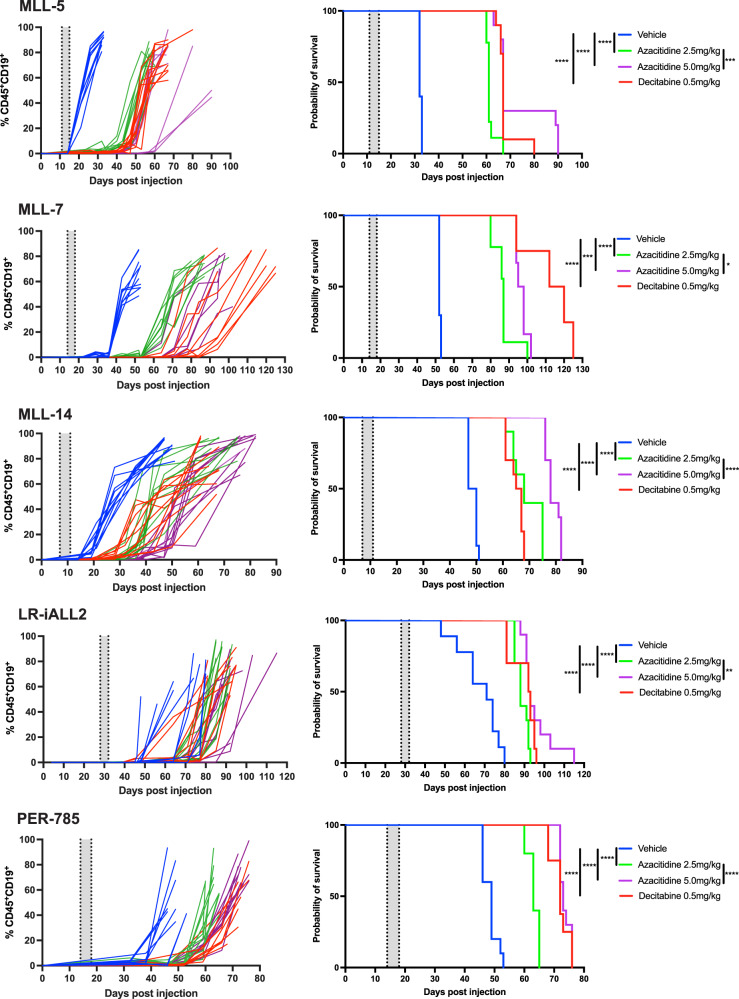
Fig. 2. Azacitidine and decitabine prolong survival in KMT2A-rearranged infant acute lymphoblastic leukemia xenografts.
Mice injected with leukemia cells were treated with vehicle control, 2.5 mg/kg azacitidine, 5 mg/kg azacitidine or 0.5 mg/kg decitabine once daily for five days when the percentage of human CD19+ CD45+ cells reached 1% in the bone marrow. Five xenograft models were used: MLL-5, MLL-7, MLL-14, LR-iALL2 and PER-785. Left panels: Percentage of human CD19+ CD45+ cells in peripheral blood over time. Right panels: Kaplan–Meier survival curves of the treated and control mice (n = 8–10 mice/group). The gray shaded areas indicate the treatment periods. *p < 0.05, **p < 0.01, ***p < 0.001, ****p < 0.0001.
Fig. 3
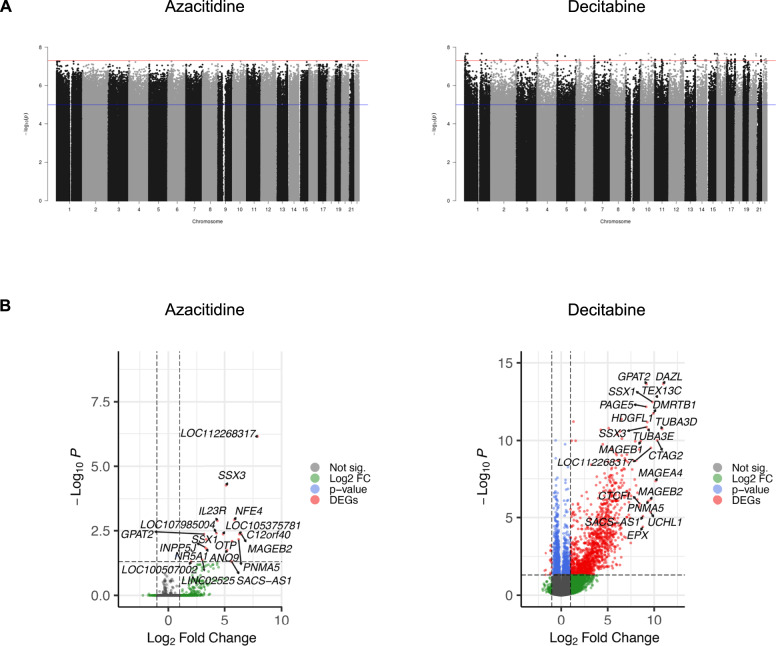
Fig. 3. Treatment with azacitidine and decitabine results in differential methylation and transcriptional changes.
A Manhattan plots showing differential methylation profiles across genome-wide CpG sites of six KMT2A-rearranged infant acute lymphoblastic leukemia cell lines treated at low dose (1.5 µM) with the hypomethylating agents azacitidine and decitabine in comparison to untreated controls. Differentially methylated CpG sites were mapped to their corresponding loci across the genome (x axis) and plotted against their significance levels (-log10 transformed p-values) (y axis), from comparisons between treated and untreated cell lines. The red line indicates genome-wide significance threshold of 5 × 10−8, and the blue line indicates suggestive significance, valued at 1 × 10−5. B Volcano plots highlighting the top differentially expressed genes from the merged transcriptome of all six cell lines following treatment with azacitidine and decitabine. Horizontal and vertical dashed lines indicate fold change and significance thresholds.
Fig. 4
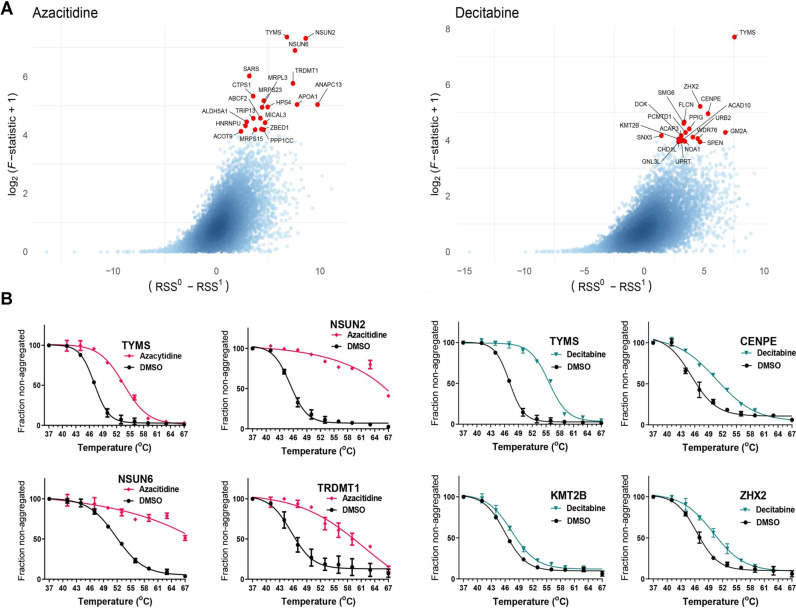
Fig. 4. Thermal proteome profiling of the ALL-PO KMT2A-rearranged infant acute lymphoblastic leukemia cell line treated with azacitidine or decitabine reveals novel target proteins.
A Volcano plot of the results obtained from the non-parametric analysis of response curves of thermal proteome profiling data for azacitidine and decitabine with selected significant hits annotated and highlighted in red. B Melt curves showing changes in aggregation temperature for TYMS, NSUN2, NSUN6 and TRDMT1 from azacitidine (magenta) and DMSO (black) treated ALL-PO cells. Melt curves showing changes in aggregation temperature for TYMS, CENPE, KMT2B and ZHX2 from decitabine (cyan) and DMSO (black) treated ALL-PO cells.
Fig. 5
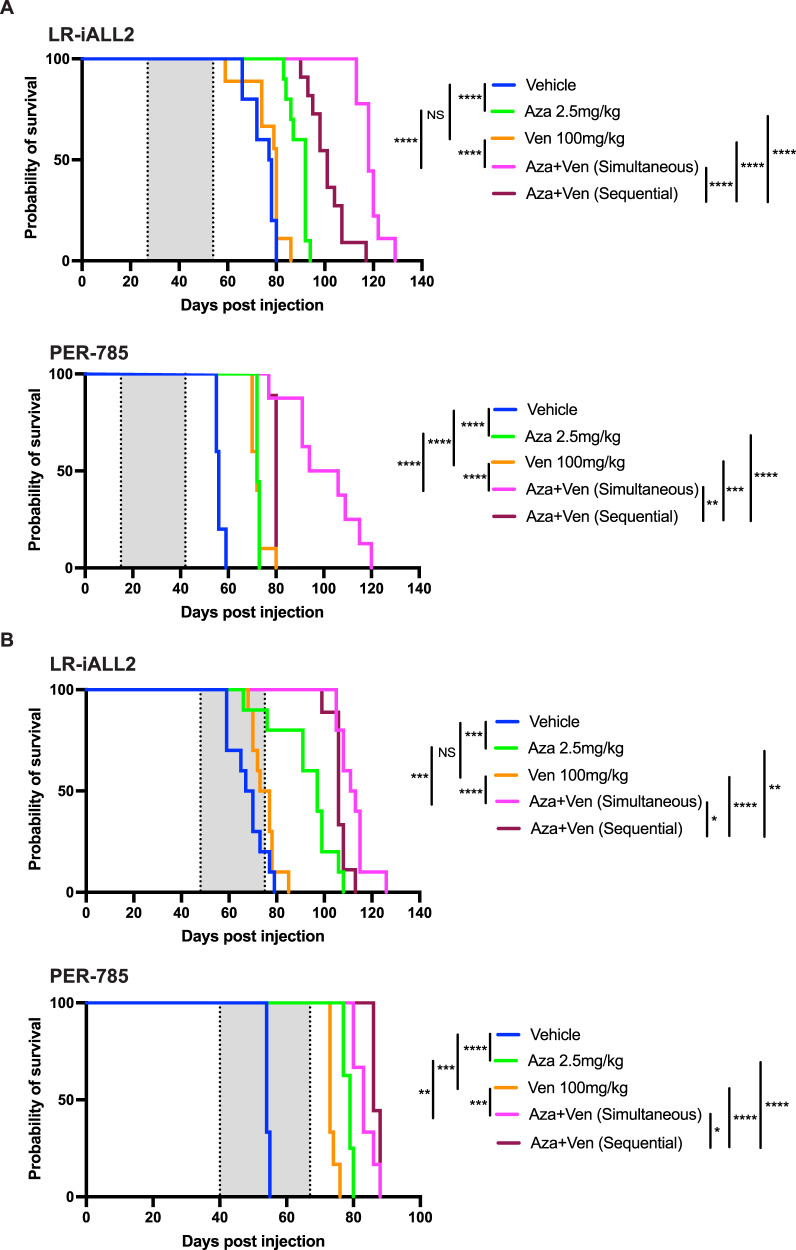
Fig. 5. Azacitidine combined with venetoclax improves survival in KMT2A-rearranged infant acute lymphoblastic leukemia xenografts.
Kaplan–Meier survival curves of leukemia-bearing mice treated with 2.5 mg/kg azacitidine once daily for five days, 100 mg/kg venetoclax once daily for 21 days, simultaneous administration of 2.5 mg/kg azacitidine once daily for five days in combination with 100 mg/kg venetoclax once daily for 21 days, sequential administration of 2.5 mg/kg azacitidine once daily for five days followed by 100 mg/kg venetoclax once daily for 21 days, and vehicle control (n = 9–10 mice/group). Two xenograft models were used: LR-iALL2 and PER-785. Treatment commenced at (A) low disease burden when the percentage of human CD19+ CD45+ cells reached 1% in the bone marrow and (B) high disease burden when the percentage of human CD19+ CD45+ cells reached 1% in the peripheral blood. The gray shaded areas indicate the treatment periods, with the first dotted line representing the start of treatment for all cohorts and the last dotted line representing the end of treatment for sequential administration cohort. *p < 0.05, **p < 0.01, ***p < 0.001, ****p < 0.0001.

References

    1. Hunger SP, Mullighan CG. Acute lymphoblastic leukemia in children. N. Engl J Med. 2015;373:1541–52. - PubMed
    1. Kotecha RS, Gottardo NG, Kees UR, Cole CH. The evolution of clinical trials for infant acute lymphoblastic leukemia. Blood Cancer J. 2014;4:e200. - PMC - PubMed
    1. Breese EH, Kotecha RS, Guest EM. Acute lymphoblastic leukemia in infants: a distinctive, high-risk subtype of childhood acute lymphoblastic leukemia. In: Litzow MR, Raetz EA (eds). Clinical management of acute lymphoblastic leukemia: from bench to bedside. Springer Nature: Switzerland, 2022, pp 135–48.
    1. Pieters R, De Lorenzo P, Ancliffe P, Aversa LA, Brethon B, Biondi A, et al. Outcome of infants younger than 1 year with acute lymphoblastic leukemia treated with the Interfant-06 protocol: results from an international phase III randomized study. J Clin Oncol. 2019;37:2246–56. - PubMed
    1. Stumpel DJ, Schneider P, van Roon EH, Boer JM, de Lorenzo P, Valsecchi MG, et al. Specific promoter methylation identifies different subgroups of MLL-rearranged infant acute lymphoblastic leukemia, influences clinical outcome, and provides therapeutic options. Blood. 2009;114:5490–8. - PubMed

Publication types

MeSH terms