


NETome: A model to Decode the Human Genome and Proteome of Neutrophil Extracellular Traps
- PMID: 36385149
- PMCID: PMC9668915
- DOI: 10.1038/s41597-022-01798-1
NETome: A model to Decode the Human Genome and Proteome of Neutrophil Extracellular Traps
Abstract
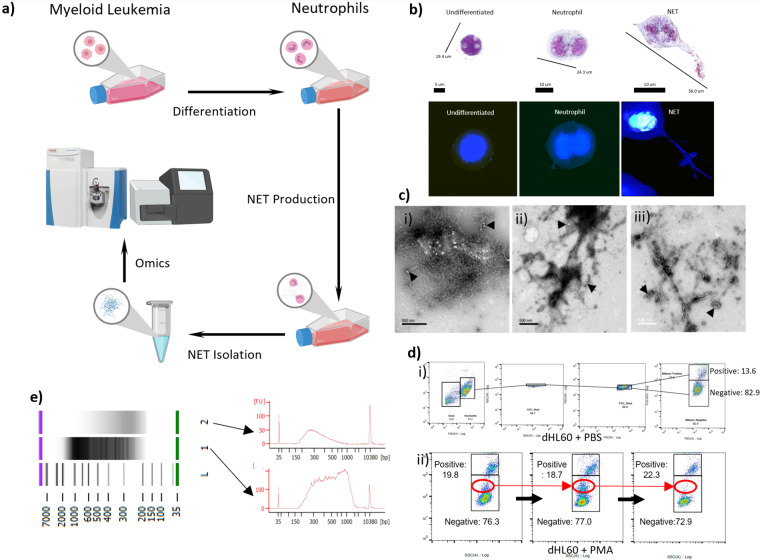
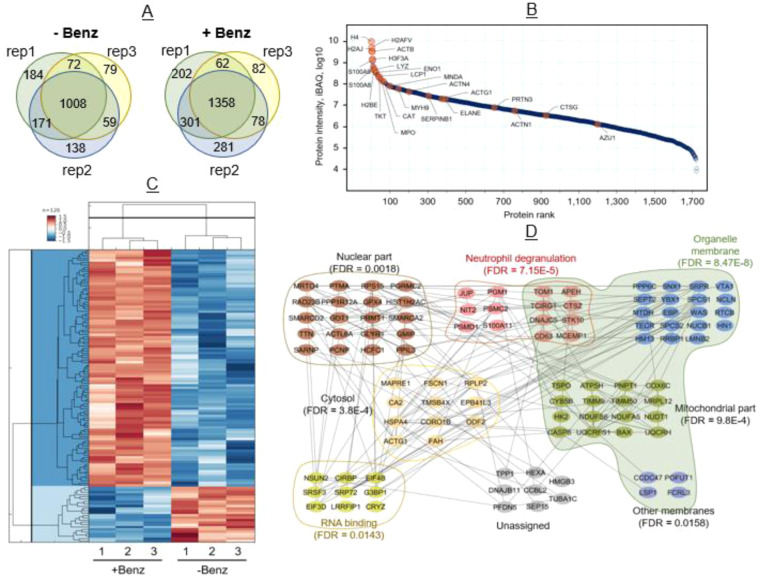
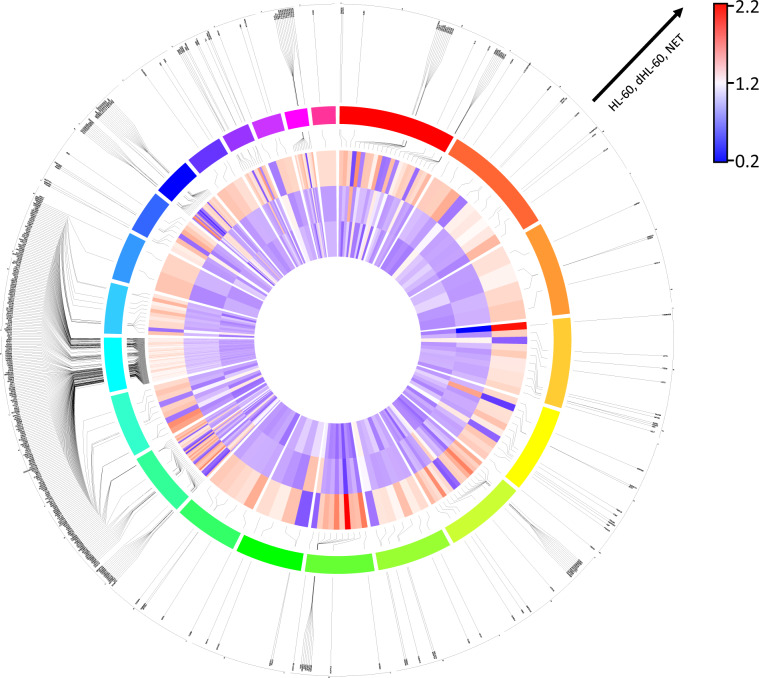
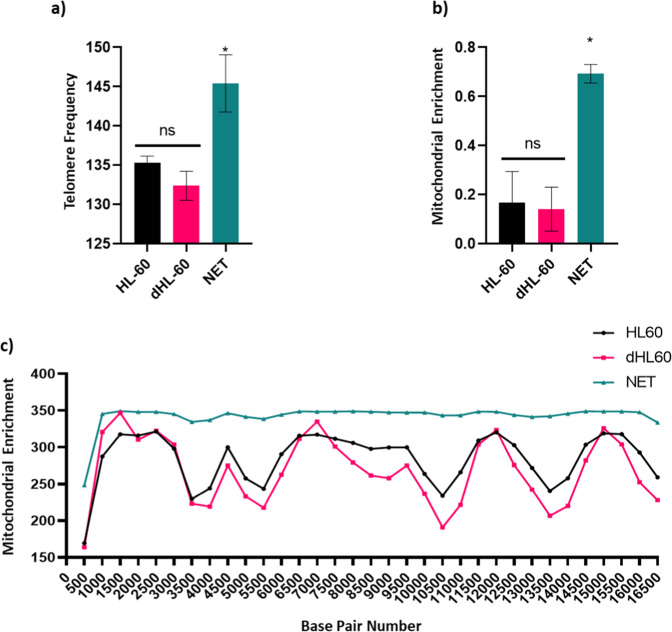
Neutrophils are the most abundant type of white blood cells in humans with biological roles relevant to inflammation, and fighting off infections. Neutrophil Extracellular Traps (NETs) act as enxogenous agents controlling invasion by bacteria, viruses, fungi, metabolic, and traumatic agents. Traditionally, studies have focused on elucidating molecular and cellular pathways preceding NET formation. Here, we developed a model to decode the human genome and proteome of developted NETs. Via in vitro system to differentiate HL-60 human myeloid cell line into neutrophil extracellular trap (ecTrap) producing cells, we isolated and captured ectrap derived DNA and proteins for shotgun sequencing. The genomic sequences revealed accurate delineation of gene composition including immune response genes and mitochondrial enrichment, while providing a reference database for future interrogation. Shotgun proteomics showed global proteins in differentiated cells with specific immune pathways when compared to undifferentiated counterparts. Coupled with omics' approaches, we validated our system by functional assays and began to dissect host-microbial interactions. Our work provides a new understanding of the genomic and proteomic sequences, establishing the first human database deposition of neutrophil extracellular traps.
© 2022. The Author(s).
Conflict of interest statement
The authors declare no competing interests.
Figures
References
-
- Janeway, CA. The immune system in health and disease. http://www.garlandscience.com 2001. https://ci.nii.ac.jp/naid/10027833236/ (accessed 5 Jun2019).
Publication types
MeSH terms
Substances
Grants and funding
LinkOut - more resources
Full Text Sources
