


Bacterial colonization of the upper airways of children positive and negative for SARS-CoV-2 during the COVID-19 pandemic
- PMID: 36396997
- PMCID: PMC9670079
- DOI: 10.1186/s12879-022-07851-z
Bacterial colonization of the upper airways of children positive and negative for SARS-CoV-2 during the COVID-19 pandemic
Abstract
Background: Our understanding of the influence of severe acute respiratory syndrome coronavirus 2 (SARS-CoV-2) infection on bacterial colonization in the children's upper nasopharyngeal tract during the coronavirus infectious disease (COVID-19) pandemic is limited. This study aimed to determine whether there were any differences in bacterial colonization between asymptomatic children with or without a positive SARS-CoV-2 quantitative reverse transcriptase-polymerase chain reaction (RT-qPCR) results in the community setting.
Methods: A cross-sectional community-based exploratory study was conducted from March to May 2021 in Semarang, Central Java Province, Indonesia. Using stored nasopharyngeal swabs collected from children under 18 years as a contact tracing program, we performed a real-time quantitative (qPCR) for the most important bacterial colonizing pathogens: Streptococcus pneumoniae, Haemophilus influenzae, Staphylococcus aureus, and Klebsiella pneumoniae.
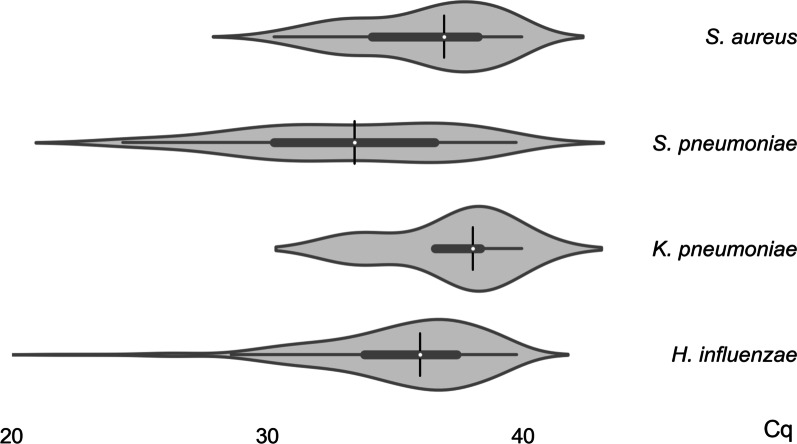
Results: Swabs from a total of 440 children were included in this study, of which 228 (51.8%) were RT-qPCR-confirmed SARS-CoV-2 positive. In the 440 children, colonization rates were highest for H. influenzae (61.4%), followed by S. pneumoniae (17.5%), S. aureus (12.0%), and K. pneumoniae (1.8%). The co-occurrence of both S. pneumoniae and H. influenzae in the upper respiratory tract was significantly associated with a SARS-CoV-2 negative RT-qPCR. In contrast, colonization with only S. aureus was more common in SARS-CoV-2-positive children.
Conclusion: Overall, this exploratory study concludes that there is a significant difference in the bacterial nasopharyngeal colonization pattern between SARS-CoV-2 positive and negative in asymptomatic children in the community in Indonesia.
Keywords: Bacterial colonization; COVID-19 pandemic; Children; Indonesia.
© 2022. The Author(s).
Conflict of interest statement
The authors declare that they have no competing interests.
Figures
References
MeSH terms
LinkOut - more resources
Full Text Sources
Medical
Miscellaneous
