


Uncovering the Key Targets and Therapeutic Mechanisms of Qizhen Capsule in Gastric Cancer through Network Pharmacology and Bioinformatic Analyses
- PMID: 36404910
- PMCID: PMC9671734
- DOI: 10.1155/2022/1718143
Uncovering the Key Targets and Therapeutic Mechanisms of Qizhen Capsule in Gastric Cancer through Network Pharmacology and Bioinformatic Analyses
Abstract
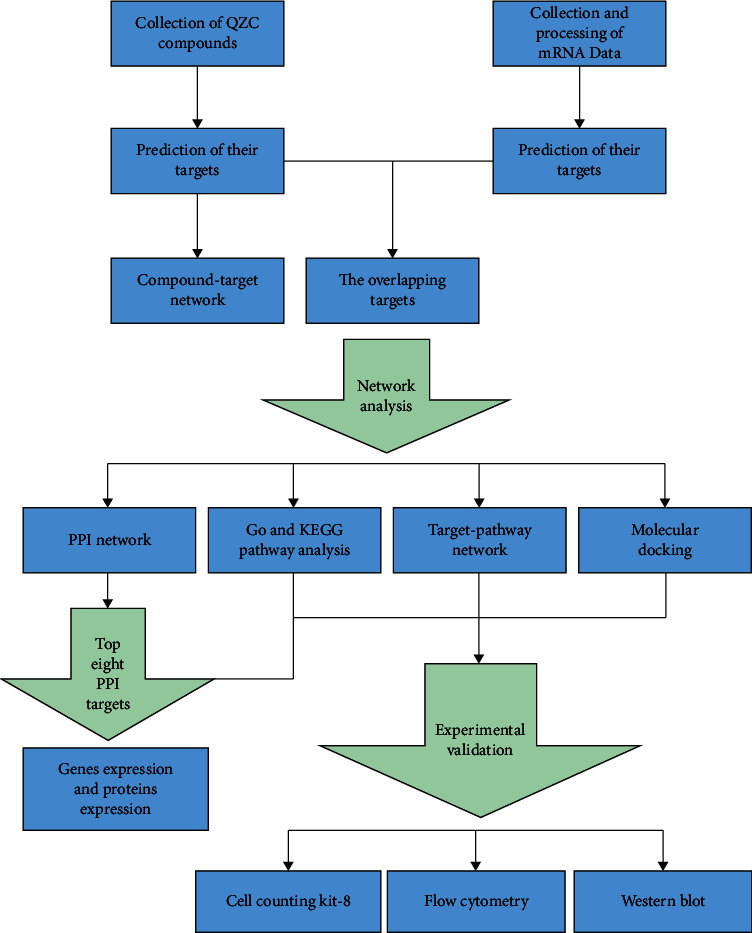
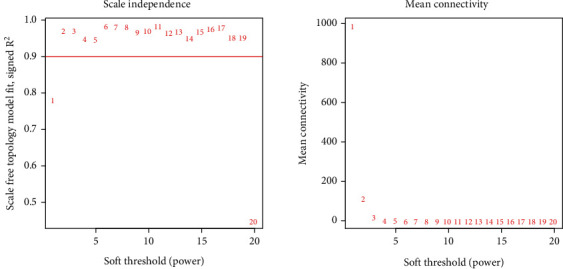
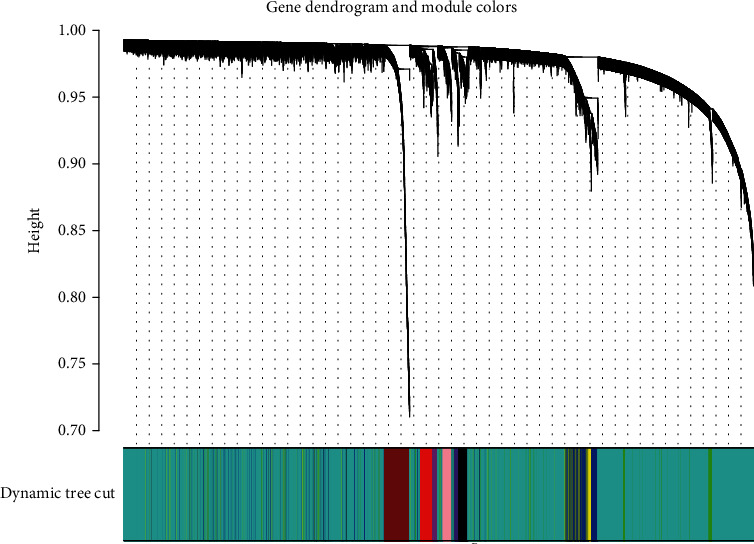
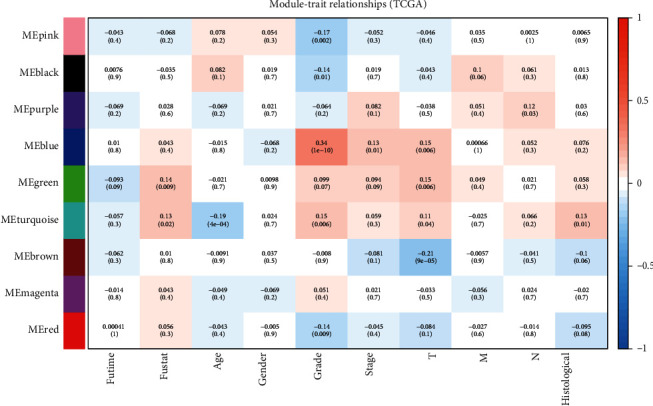
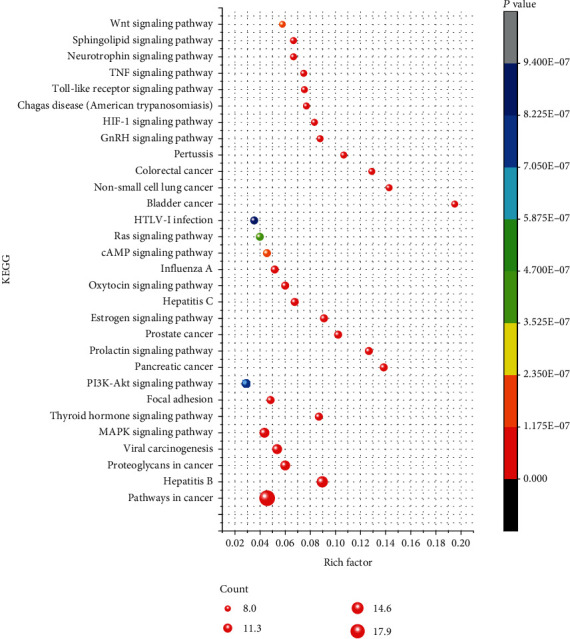
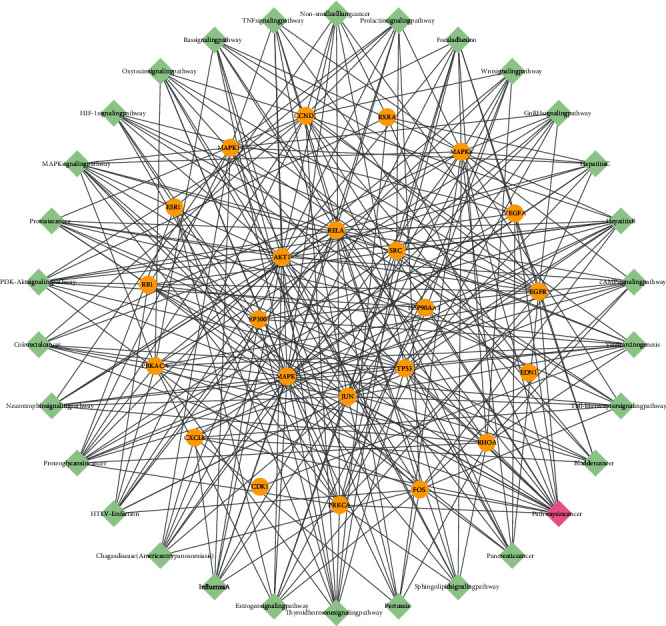
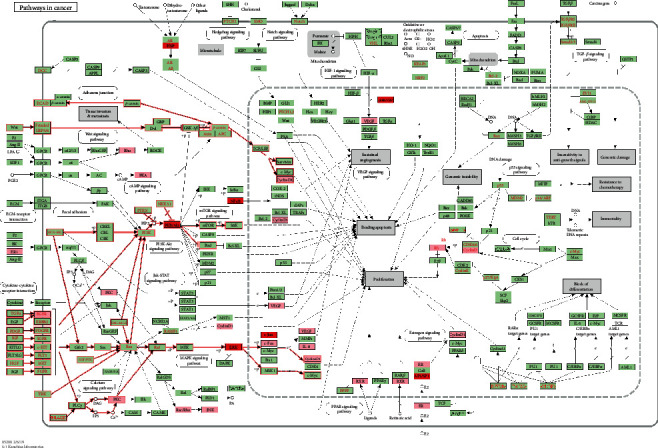
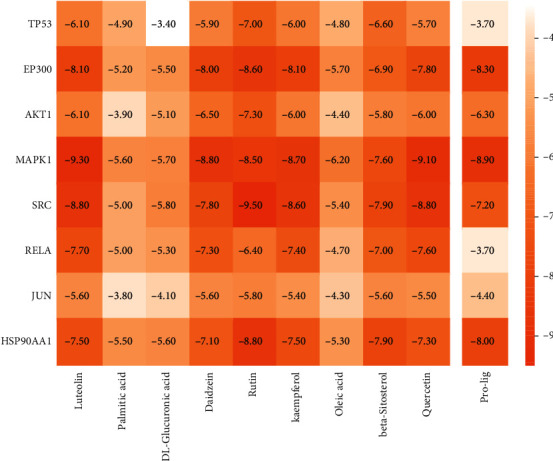
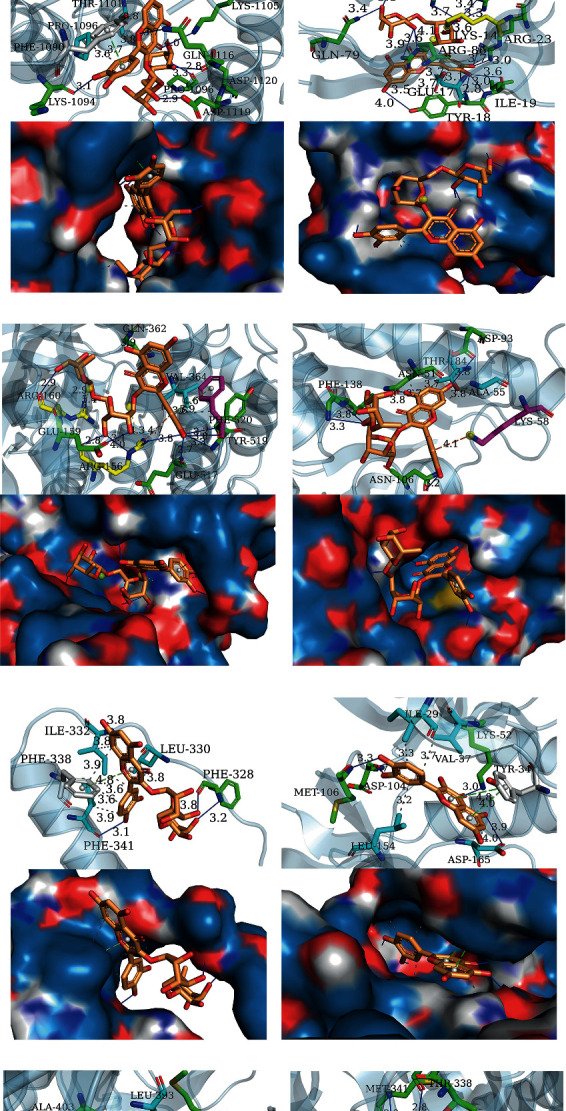
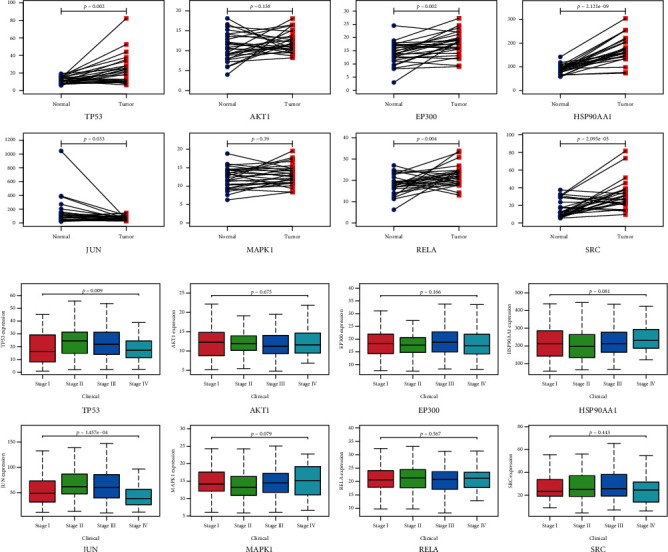
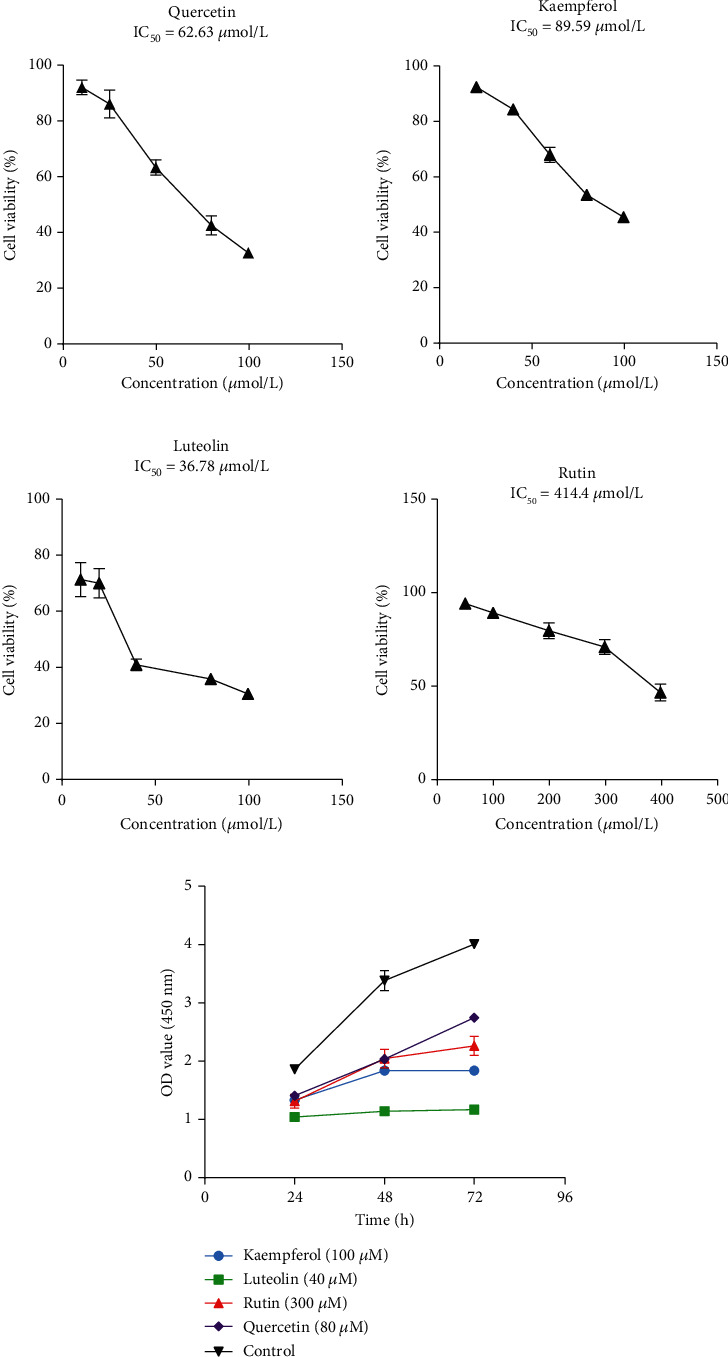
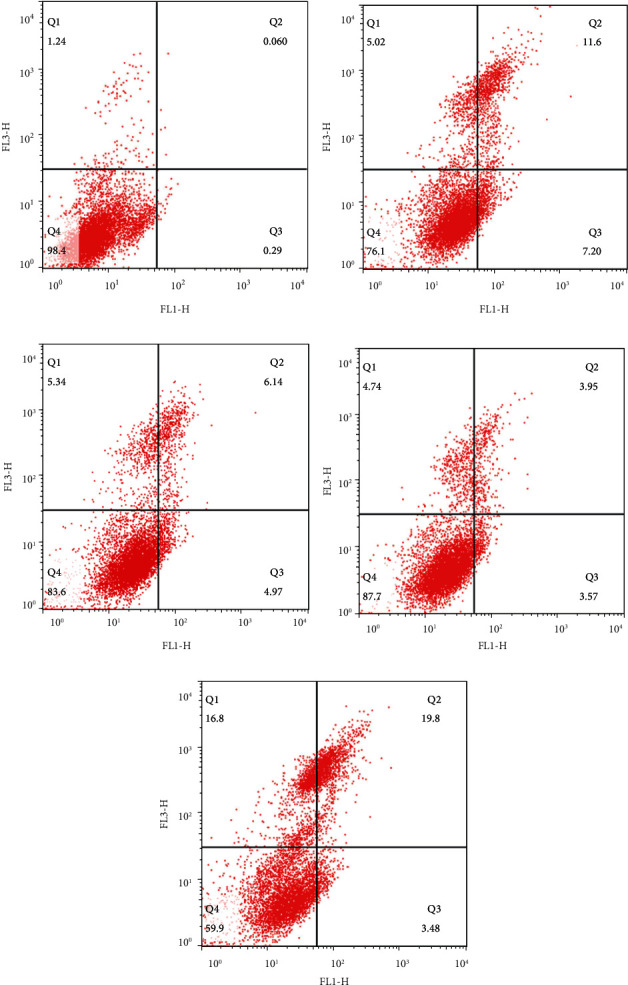
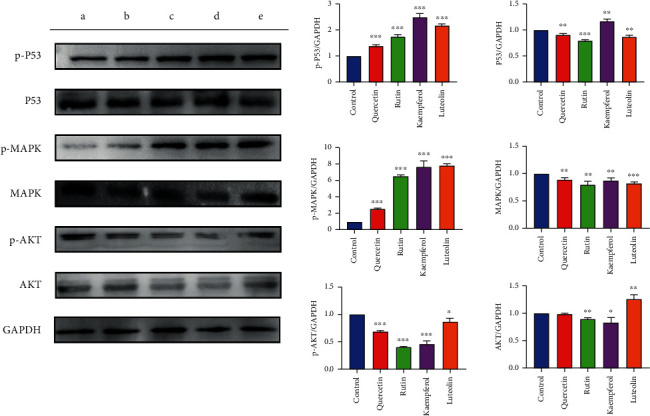
Objective. This study is aimed at screening out effective active compounds of Qizhen capsule (QZC) and exploring the underlying mechanisms against gastric cancer (GACA) by combining both bioinformatic analysis and experimental approaches. Weighted gene coexpression network analysis (WGCNA), network pharmacology, molecular docking simulation, survival analysis, and data-based differential gene and protein expression analysis were employed to predict QZC's potential targets and explore the underlying mechanisms. Subsequently, multiple experiments, including cell viability, apoptosis, and protein expression analyses, were conducted to validate the bioinformatics-predicted therapeutic targets. The results indicated that luteolin, rutin, quercetin, and kaempferol were vital active compounds, and TP53, MAPK1, and AKT1 were key targets. Molecular docking simulation showed that the four abovementioned active compounds had high binding affinities to the three main targets. Enrichment analysis showed that vital active compounds exerted therapeutic effects on GACA through regulating the TP53 pathway, MAPK pathway, and PI3K/AKT pathway. Furthermore, data-based gene expression analysis revealed that TP53 and JUN genes were not only differentially expressed between normal and GACA tissues but also correlated with clinical stages. In parallel, in vitro experimental results suggested that QZC exerted therapeutic effects on GACA by decreasing IC50 values, downregulating AKT expression, upregulating TP53 and MAPK expression, and increasing apoptosis of SGC-7901 cells. This study highlights the potential candidate biomarkers, therapeutic targets, and basic mechanisms of QZC in treating GACA, providing a foundation for new drug development, target mining, and related animal studies in GACA.
Copyright © 2022 Wanmei Zhou et al.
Conflict of interest statement
The authors declare no conflict of interest.
Figures
References
-
- Buonadonna A., Lombardi D., De A. P., Bidoli E., Frustaci S. Adenocarcinoma of the stomach: univariate and multivariate analyses of factors associated with survival. Journal of Ethnopharmacology . 2003;2(5):S31–S34. - PubMed
MeSH terms
Substances
LinkOut - more resources
Full Text Sources
Medical
Research Materials
