


Preference for ugly faces? -A cognitive study of attentional and memorial biases toward facial information among young females with facial dissatisfaction
- PMID: 36405166
- PMCID: PMC9668061
- DOI: 10.3389/fpsyg.2022.1024197
Preference for ugly faces? -A cognitive study of attentional and memorial biases toward facial information among young females with facial dissatisfaction
Abstract
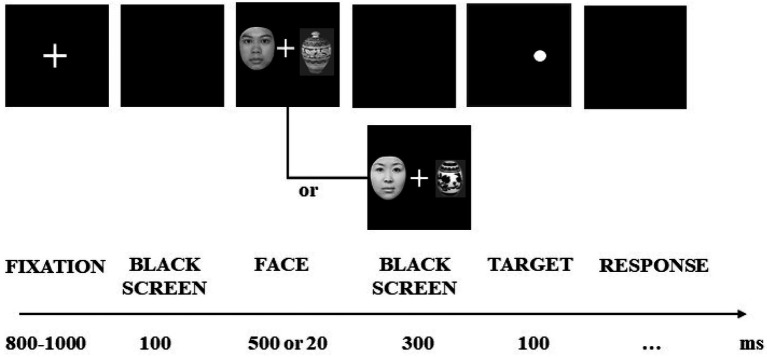
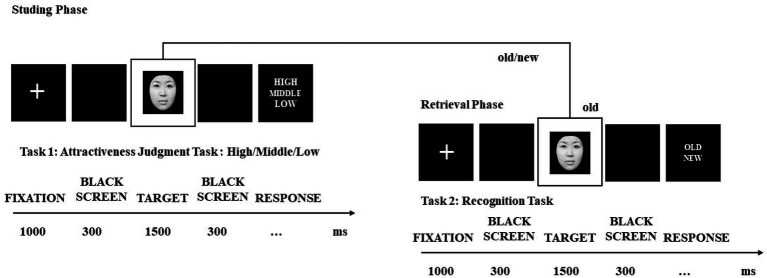
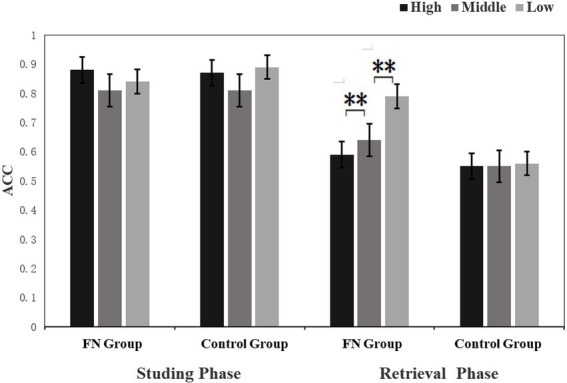
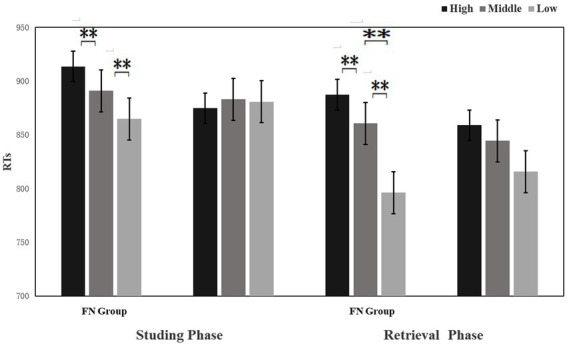
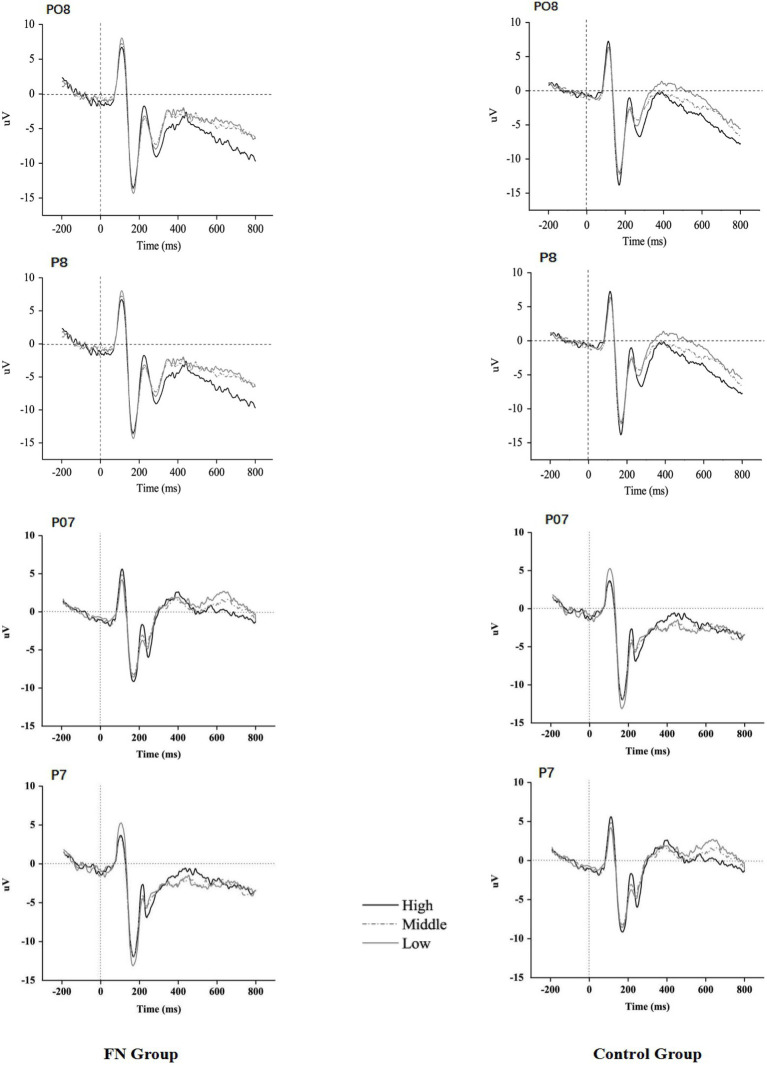
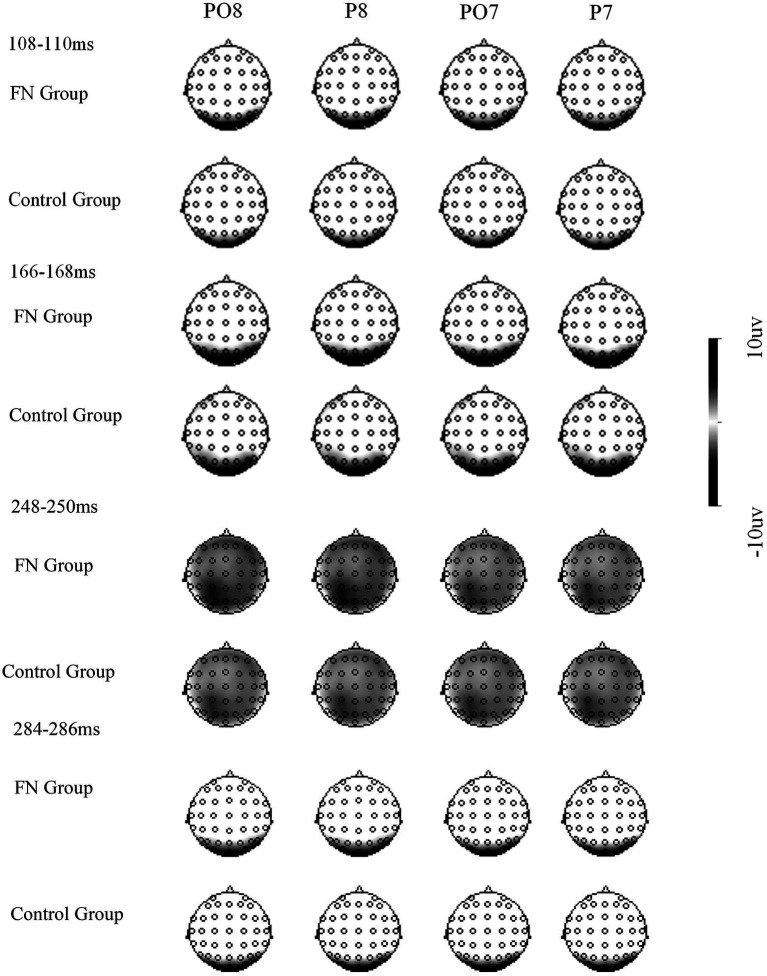
Dissatisfaction with facial appearance is one of the strongest contributors to body image disturbance among young Chinese females and leads to a series of psychological and behavioral disorders. By conducting behavioral and ERP experiments, this study illustrates how young females in China with facial dissatisfaction process different levels of facial attractiveness. Experiments 1 and 2 are behavioral experiments in which the dot-probe paradigm was used to explore the participant's attentional bias to facial attractiveness. The results showed that regardless of whether the face image was presented above or below the threshold, young females with facial dissatisfaction exhibited attentional orientation toward lowly attractive faces and attentional avoidance to both lowly and highly attractive faces, while the control group showed difficulty in attentional disengagement from highly attractive faces. In experiment 3, the learning-recognition task was used to examine mnemonic bias toward facial attractiveness among females with facial dissatisfaction, and EEG data were also recorded during the encoding and retrieval phases. The study found that young females with facial dissatisfaction exhibited a mnemonic preference for lowly attractive images at both the encoding and retrieving stages, with higher P1, N170, P2, and N300 induced by lowly attractive faces, while the control group preferred highly attractive faces. In conclusion, young females with facial dissatisfaction tend to exhibit attentional orientation and mnemonic bias toward lowly attractive faces.
Keywords: behavioral experiments & ERP experiments; cognitive bias; facial attractiveness; facial dissatisfaction; young females.
Copyright © 2022 Zhu, Zhou, Wang, Ma and Liu.
Conflict of interest statement
The authors declare that the research was conducted in the absence of any commercial or financial relationships that could be construed as a potential conflict of interest.
Figures
References
-
- Atari M., Chegeni R., Fathi L. (2017). Women who are interested in cosmetic surgery want it all: the association between considering cosmetic surgery and women’s mate preferences. Adapt. Hum. Behav. Physiol. 3, 61–70. doi: 10.1007/s40750-016-0053-9 - DOI
LinkOut - more resources
Full Text Sources
