


Host gene expression is associated with viral shedding magnitude in blue-winged teals (Spatula discors) infected with low-path avian influenza virus
- PMID: 36410069
- PMCID: PMC10500253
- DOI: 10.1016/j.cimid.2022.101909
Host gene expression is associated with viral shedding magnitude in blue-winged teals (Spatula discors) infected with low-path avian influenza virus
Abstract
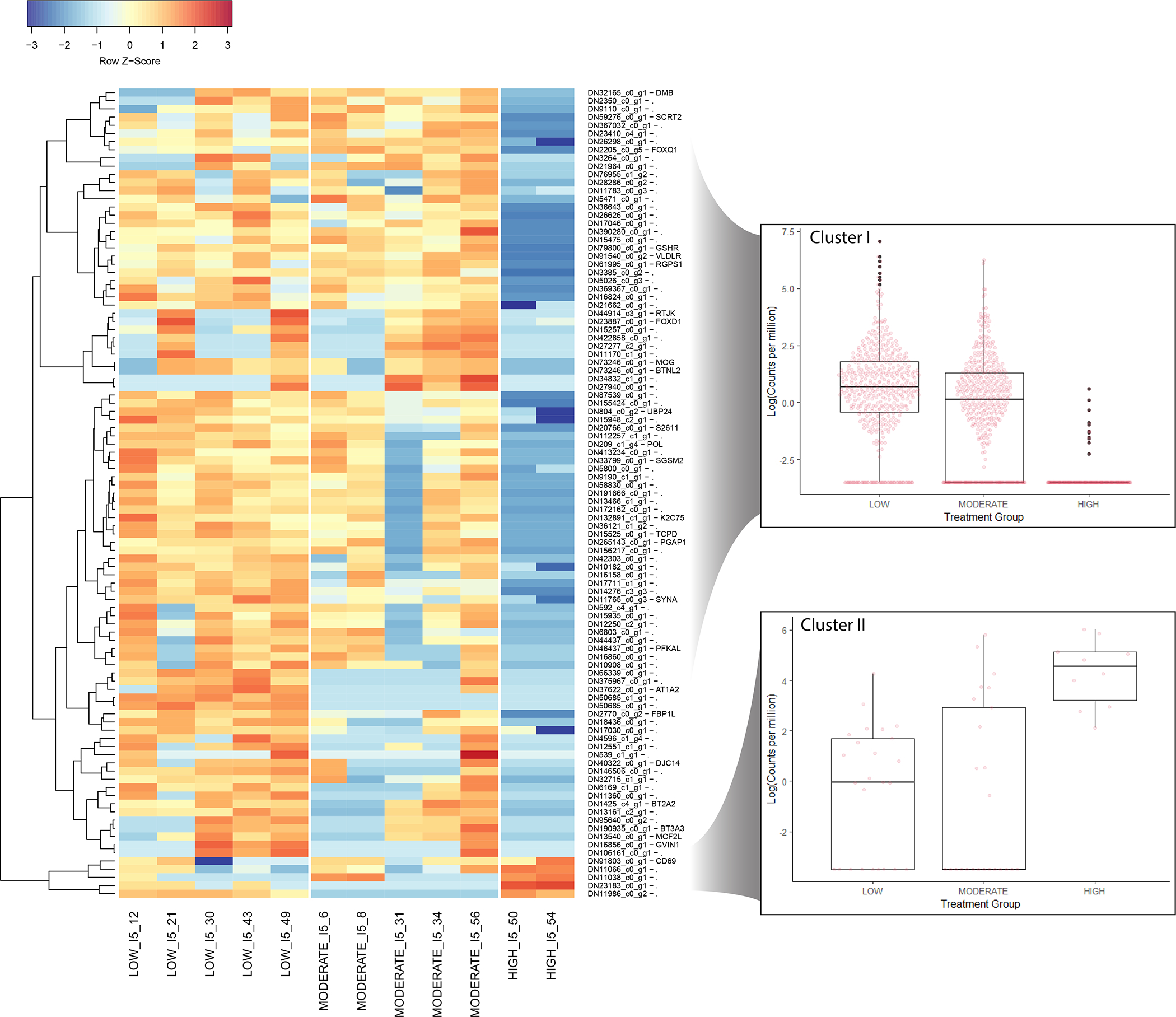
Intraspecific variation in host infectiousness affects disease transmission dynamics in human, domestic animal, and many wildlife host-pathogen systems including avian influenza virus (AIV); therefore, identifying host factors related to host infectiousness is important for understanding, controlling, and preventing future outbreaks. Toward this goal, we used RNA-seq data collected from low pathogenicity avian influenza virus (LPAIV)-infected blue-winged teal (Spatula discors) to determine the association between host gene expression and intraspecific variation in cloacal viral shedding magnitude, the transmissible fraction of virus. We found that host genes were differentially expressed between LPAIV-infected and uninfected birds early in the infection, host genes were differentially expressed between shed level groups at one-, three-, and five-days post-infection, host gene expression was associated with LPAIV infection patterns over time, and genes of the innate immune system had a positive linear relationship with cloacal viral shedding. This study provides important insights into host gene expression patterns associated with intraspecific LPAIV shedding variation and can serve as a foundation for future studies focused on the identification of host factors that drive or permit the emergence of high viral shedding individuals.
Keywords: Avian influenza; Blue-winged teal; Gene expression; RNA-seq; Supershedders; Viral shedding.
Copyright © 2022 The Authors. Published by Elsevier Ltd.. All rights reserved.
Conflict of interest statement
Declaration of Competing Interest The authors declare that they have no known competing financial interests or personal relationships that could have appeared to influence the work reported in this paper. This research does not reflect the official positions and policies of the US EPA. Mention of products/trade names does not constitute recommendation for use by US EPA.
Figures

References
-
- Woolhouse ME, Dye C, Etard JF, Smith T, Charlwood JD, Garnett GP, Hagan P, Hii JL, Ndhlovu PD, Quinnell RJ, Watts CH, Chandiwana SK, Anderson RM, Heterogeneities in the transmission of infectious agents: implications for the design of control programs., Proc. Natl. Acad. Sci. U. S. A. 94 (1996) 338–342. doi: 10.1073/pnas.94.1.338. - DOI - PMC - PubMed
-
- Matthews L, Low JC, Gally DL, Pearce MC, Mellor DJ, Heesterbeek J. a P, Chase-Topping M, Naylor SW, Shaw DJ, Reid SWJ, Gunn GJ, Woolhouse MEJ, Heterogeneous shedding of Escherichia coli O157 in cattle and its implications for control, Proc. Natl. Acad. Sci. U. S. A. 103 (2006) 547–552. doi: 10.1073/pnas.0503776103. - DOI - PMC - PubMed
MeSH terms
Grants and funding
LinkOut - more resources
Full Text Sources
Medical
