Review
. 2023 Jan;44(1):20-33.
doi: 10.1016/j.tips.2022.10.006. Epub 2022 Nov 20.

Targeting stressor-induced dysfunctions in protein-protein interaction networks via epichaperomes

Affiliations
Review

Targeting stressor-induced dysfunctions in protein-protein interaction networks via epichaperomes

Stephen D Ginsberg et al. Trends Pharmacol Sci. 2023 Jan.

Abstract

Diseases are manifestations of complex changes in protein-protein interaction (PPI) networks whereby stressors, genetic, environmental, and combinations thereof, alter molecular interactions and perturb the individual from the level of cells and tissues to the entire organism. Targeting stressor-induced dysfunctions in PPI networks has therefore become a promising but technically challenging frontier in therapeutics discovery. This opinion provides a new framework based upon disrupting epichaperomes - pathological entities that enable dysfunctional rewiring of PPI networks - as a mechanism to revert context-specific PPI network dysfunction to a normative state. We speculate on the implications of recent research in this area for a precision medicine approach to detecting and treating complex diseases, including cancer and neurodegenerative disorders.

Keywords: Alzheimer's disease; cancer; epichaperome; network medicine; neurodegenerative disorders; protein network dysfunction; protein–protein interaction networks.


Conflict of interest statement

Declaration of interests MSKCC holds the intellectual rights to the epichaperome portfolio. G.C. and L.N. share partial ownership and are members of the board of directors at Samus Therapeutics Inc, which has licensed this portfolio. G.C. and S.S. are inventors on the licensed intellectual property. Other disclosures for L.N. are listed at https://www.mskcc.org/cancer-care/doctors/larry-norton. S.D.G. declares no competing interests.

Figures
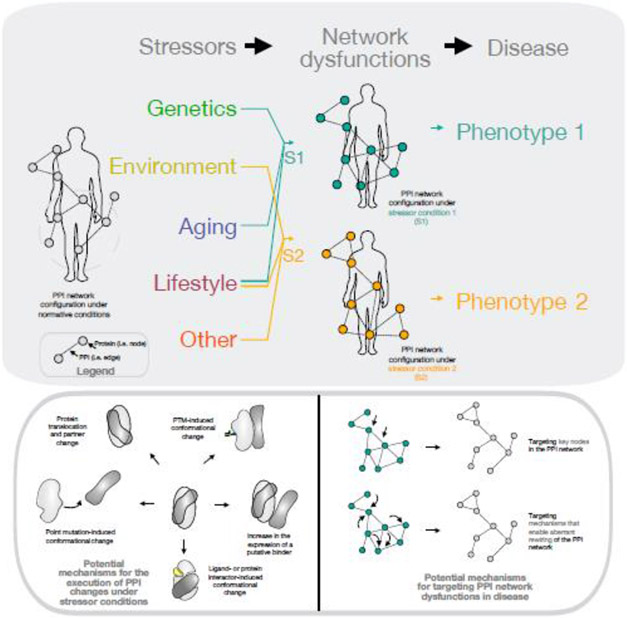
Figure 1.
Figure 1.. Disease as the manifestation of perturbation severity to the complex network of molecular interactions within an individual organism.
The overwhelming majority of human diseases have a complex etiology with both internal (e.g., genetic mutations, epigenetic alterations, proteotoxic stress) and external (e.g., chemical/environmental exposure, lifestyle, socioeconomic status, psychosocial factors, healthcare access disparities, gut-microbiome diversity, among others) perturbations negatively impacting, directly or indirectly, specific cells, tissues, organs, and ultimately organisms. Disease states are the outcome of how a combination of such perturbers (which we call stressors) alter cellular interactomes (i.e., the complex network of molecular interactions) and perturb from organ to organism, the individual. In this context, it is the complex network of molecular interactions that becomes the target of therapeutic intervention. PPI networks are an important component of cellular interactomes as they encode and execute the flux of information that link, at the cellular level, stressors to phenotype. As cells do not function in isolation, the effect of PPI networks reverberates and extends beyond individual cells, and into tissue and whole organism levels. A large number of PPIs rewire in disease states, with PPI network changes being context-dependent and context-specific. Disease associated modules in PPI networks map to dynamic regions in the PPI maps (exemplified by the gray, dashed circle). PPI network rewiring may be executed by a variety of protein-modifying mechanisms, such as posttranslational modifications (PTMs), protein conformational selection or protein mislocalization, and other mechanisms, as exemplified in the lower solid gray oval. PPI networks may be targeted through proteins centrally placed in the network or by disabling mechanisms that enable aberrant PPI network rewiring.
Figure 2. Key Figure
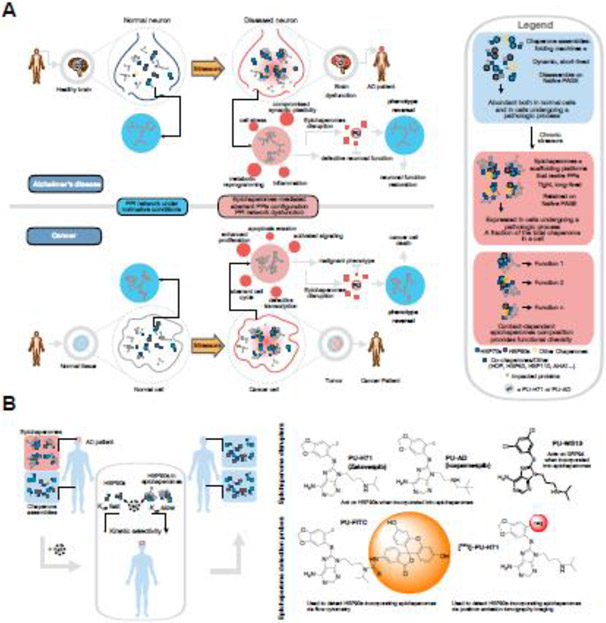
Figure 2. Key Figure. Treating patients by disrupting epichaperomes, the scaffolding structures that enable pathologic restructuring of PPI networks under disease-causing stressor conditions.
A The topological reorganization of proteins impacted by epichaperome formation in cancer and Alzheimer’s disease (AD) is shown schematically. Epichaperome disruptors revert such organization to pre-stressor states, highlighting a causative relationship between epichaperomes and PPI network dysfunctions. In neurodegenerative disorders, epichaperomes result in defects within intrinsic PPI networks involved in brain cell function (e.g., synaptic plasticity, innate immune responses, metabolic programming), and also intercellularly, where they disrupt intrinsic network connectivity within cells and brain circuits. Pharmacologically disrupting epichaperomes may thus be a therapeutic approach to restore PPI networks, and revert brain cells, and in turn brain connectomes, to pre-stressor normative states. In cancer, epichaperomes impact the connectivity of proteins critical to maintaining context-dependent malignant phenotypes. Epichaperome disassembly in cancer is efficacious in the context of PPI network hyperconnectivity, and also as a means to create therapeutic vulnerability to current therapies by controlling the connectivity of PPI networks (see Box 2). B Designing molecules that selectively target epichaperomes over chaperones is feasible by regulating the kinetics of target engagement {rates of association (kon) and dissociation (koff)}, as exemplified here for the presented PU-type ligands (e.g., epichaperome-disruptors and epichaperome detection probes). Binding kinetics are important for drug efficacy and safety as they may affect pharmacodynamics (i.e., efficacy at the site of action), selectivity (i.e., impact on similar targets) and therapeutic index (i.e., safety profile during administration).
Figure I.
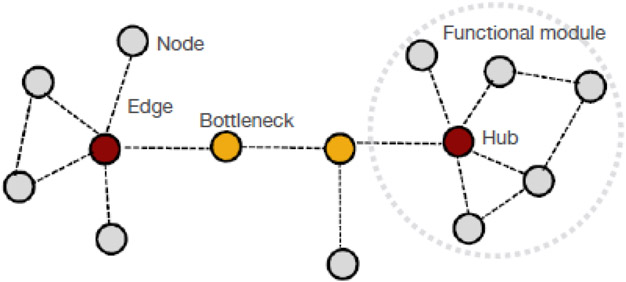
Figure I.. Elements in a hypothetical protein-protein interaction network.
Protein-protein interaction (PPI) networks are graphical representations of contacts between proteins in a specific cellular context. From this perspective, proteins are not viewed as individual elements, but rather constituent components of a network of proteins. Thus, it is the number and architecture of connections of a protein with other proteins in the networks that defines significance and function of a given protein [10,11]. Nodes, proteins; Edges, protein-protein interactions; Hub proteins, proteins with many interaction partners in the PPI network map; Bottlenecks, proteins that enable the flow of information within the PPI network.
Figure II.
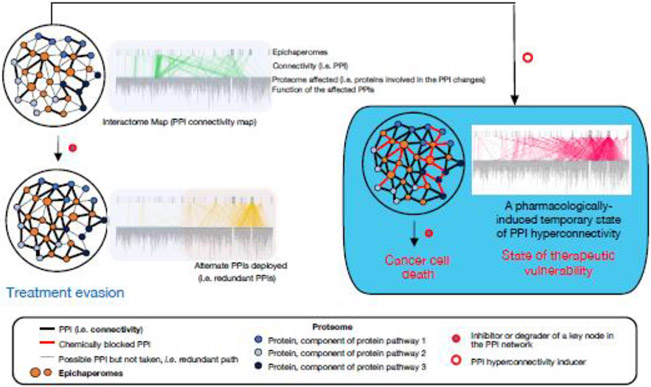
Figure II.. Controlling protein-protein interaction networks in cancer via epichaperomes.
PPI network plasticity in cancer, which arises from highly redundant signaling pathways, poses a challenge to therapy and accounts for treatment resistance. Pharmacologically rewiring PPI networks into a hyperconnected state can be a modality for inducing therapeutic vulnerability. Existing treatments may be more effective than previously observed if PPI network hyperconnectivity, whereby cancerous cells are forced into a state devoid of redundancy, is created prior to drug treatment. Several inhibitors and degraders of PPI network nodes are already in clinical use or in development, making this approach both timely and potentially transformative. This treatment paradigm is not a combination method per se because the hyperconnectivity inducer is used once to prime the tumor, followed by current therapy. This approach also differs from synthetic lethality where simultaneous perturbation of two or more genes is required for cell death. Figure adapted from ref. [33].

References

    1. Greene JA and Loscalzo J (2017) Putting the Patient Back Together - Social Medicine, Network Medicine, and the Limits of Reductionism. N. Engl. J. Med 377, 2493–2499. - PubMed
    1. Picard M (2022) Why Do We Care More About Disease than Health? Phenomics 2, 145–155. - PMC - PubMed
    1. Barabasi AL et al. (2011) Network medicine: a network-based approach to human disease. Nat. Rev. Genet 12, 56–68. - PMC - PubMed
    1. Lavi O (2015) Redundancy: a critical obstacle to improving cancer therapy. Cancer Res. 75, 808–812. - PMC - PubMed
    1. Novais A et al. (2017) How age, sex and genotype shape the stress response. Neurobiol Stress 6, 44–56. - PMC - PubMed

Publication types