


Rad regulation of CaV1.2 channels controls cardiac fight-or-flight response
- PMID: 36424916
- PMCID: PMC9681059
- DOI: 10.1038/s44161-022-00157-y
Rad regulation of CaV1.2 channels controls cardiac fight-or-flight response
Abstract
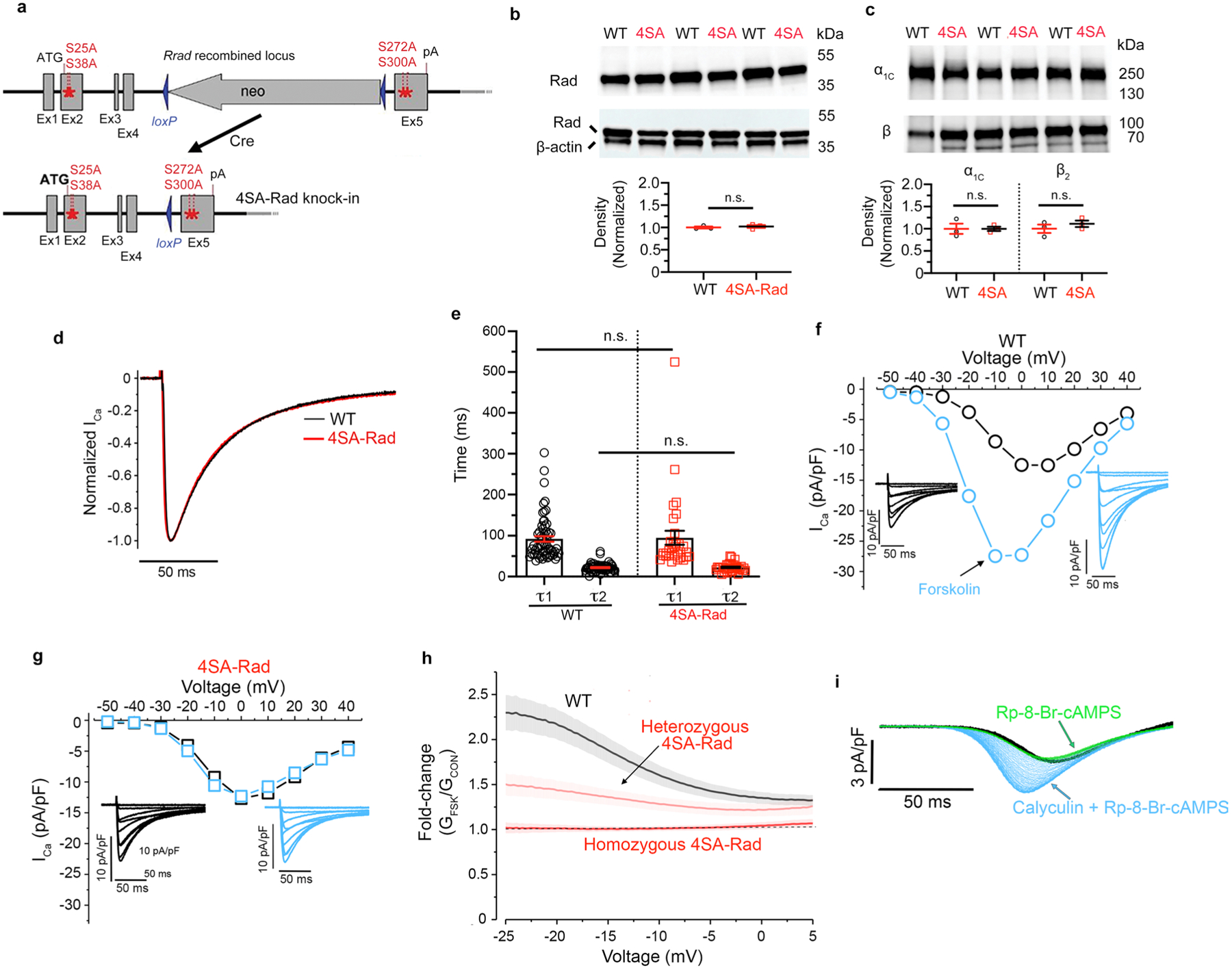
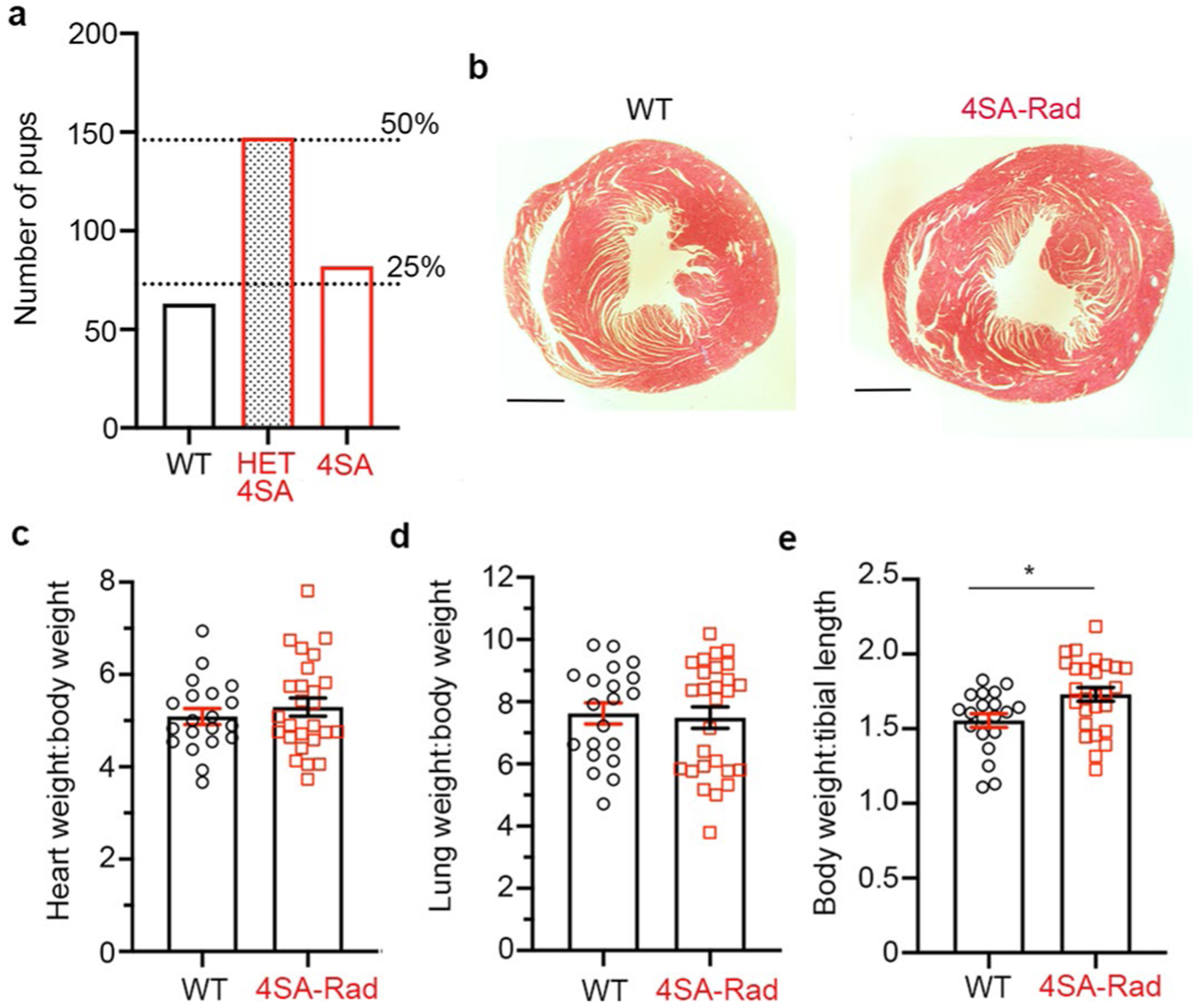
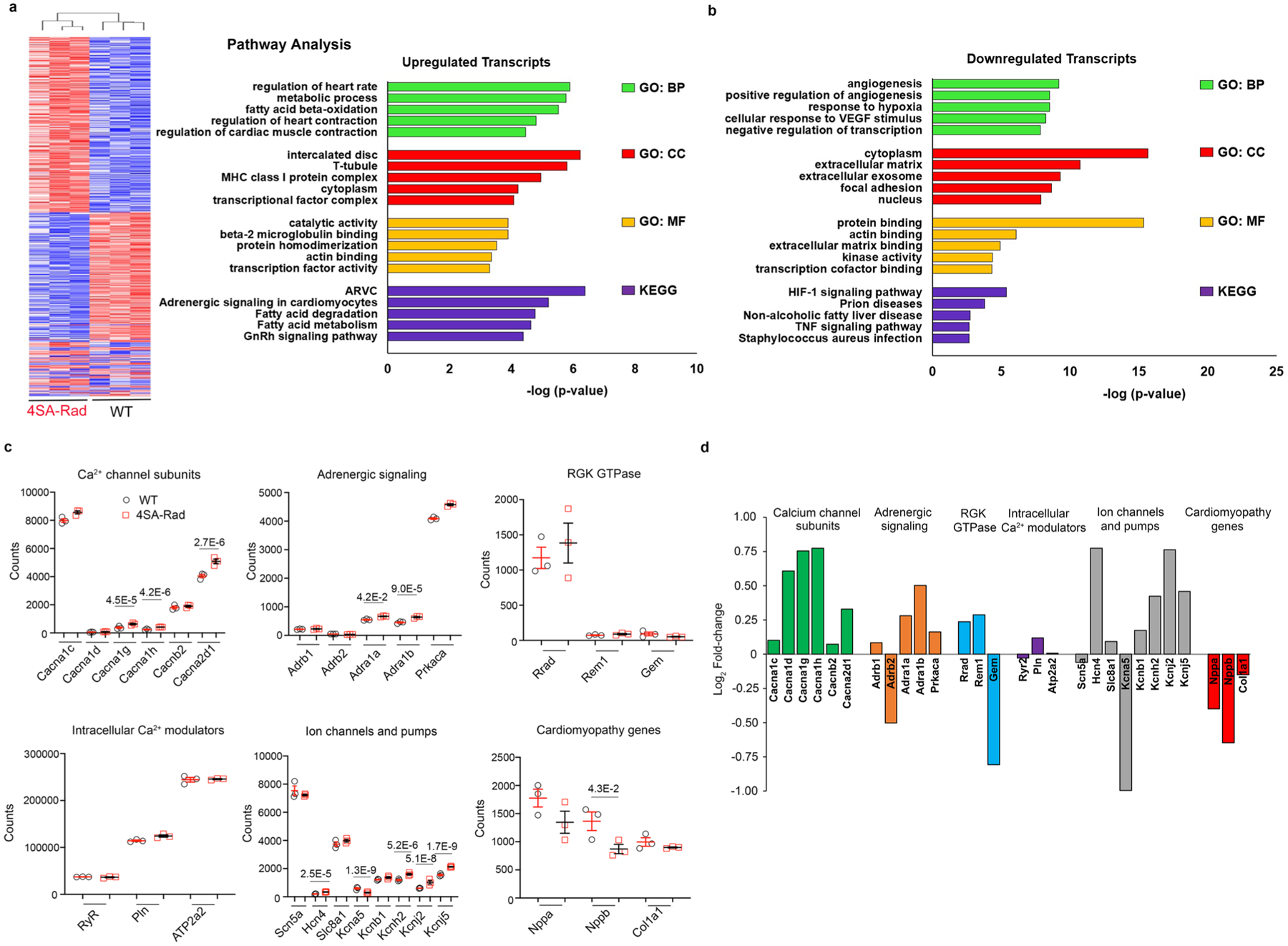
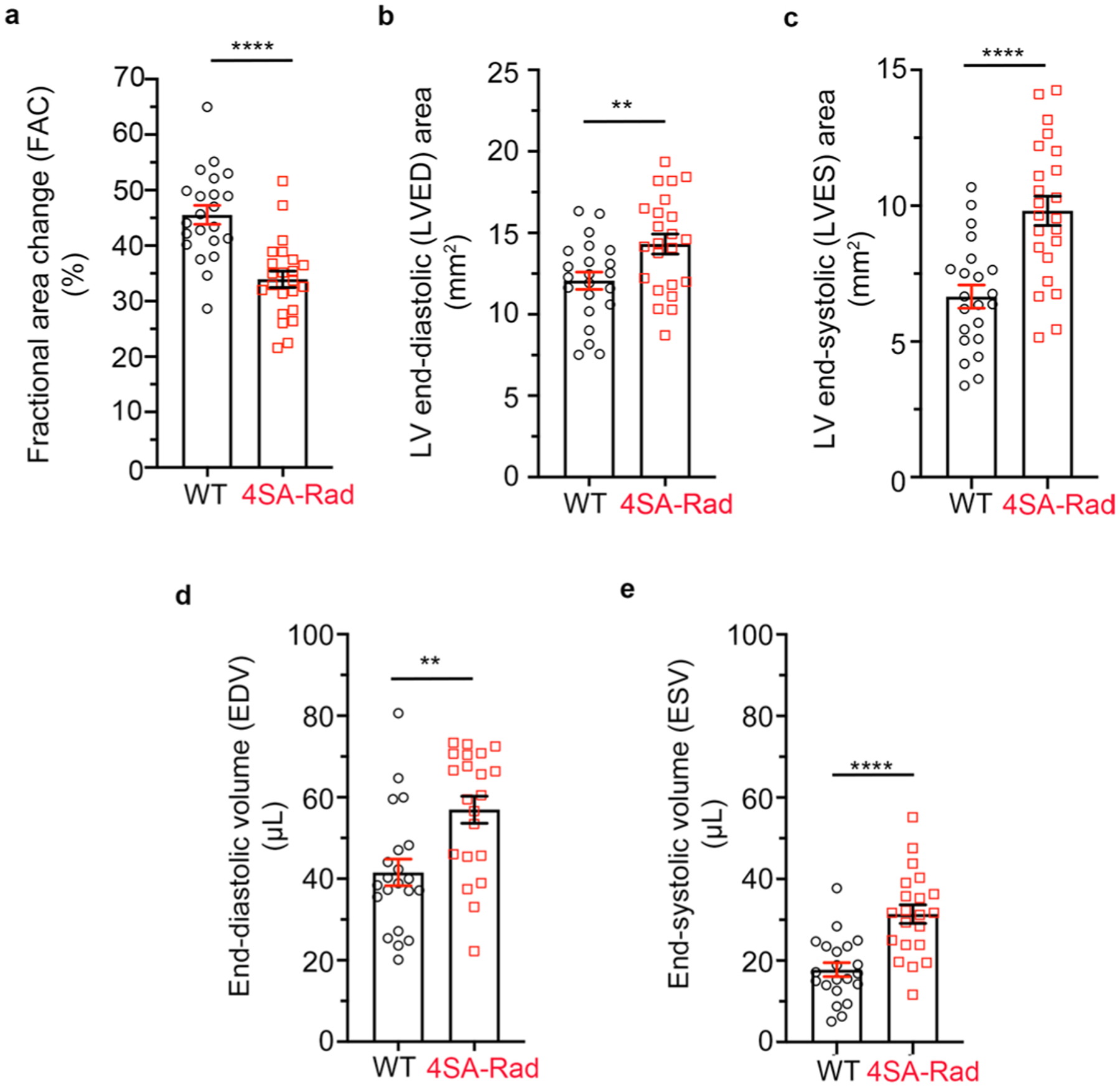
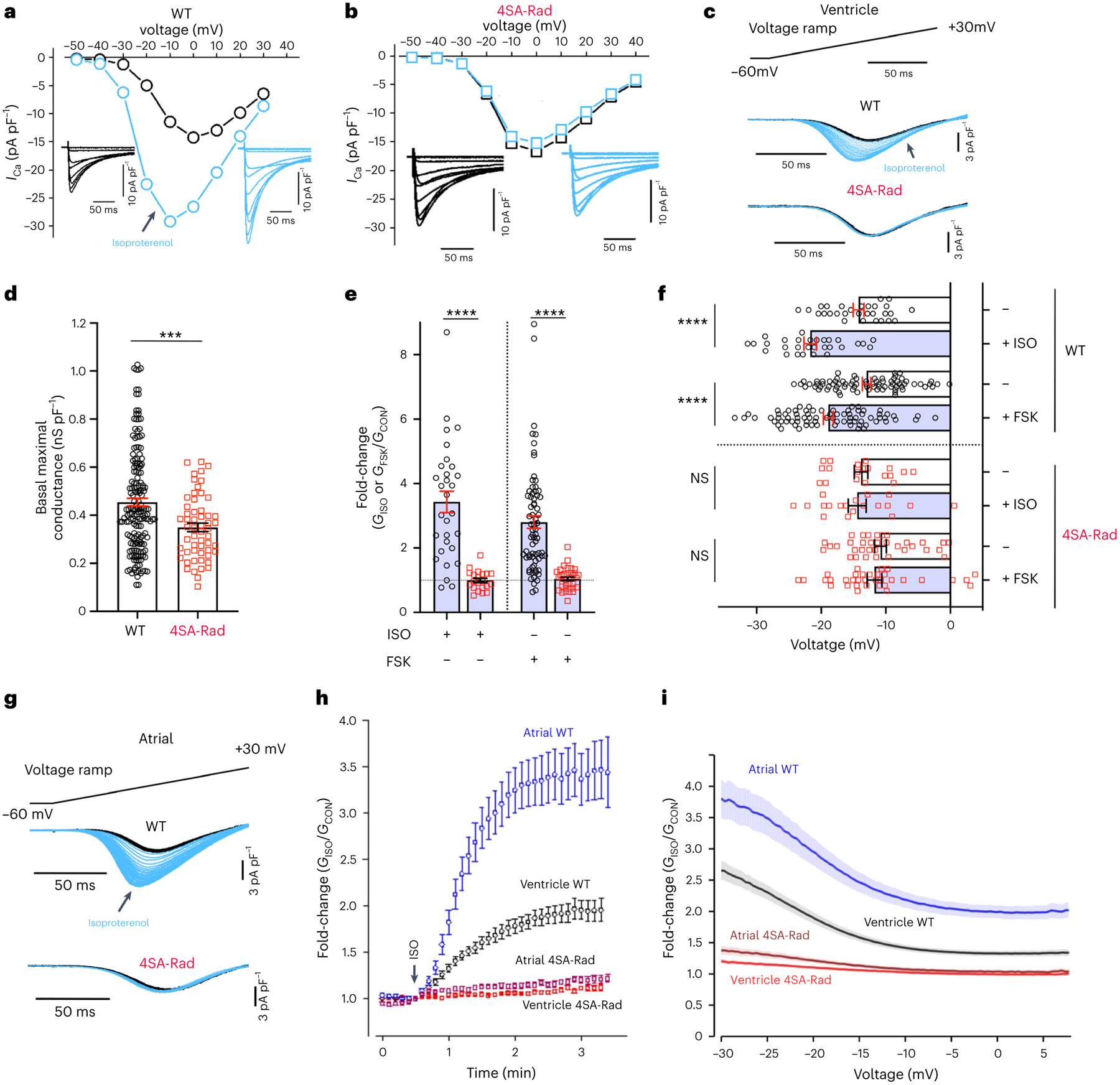
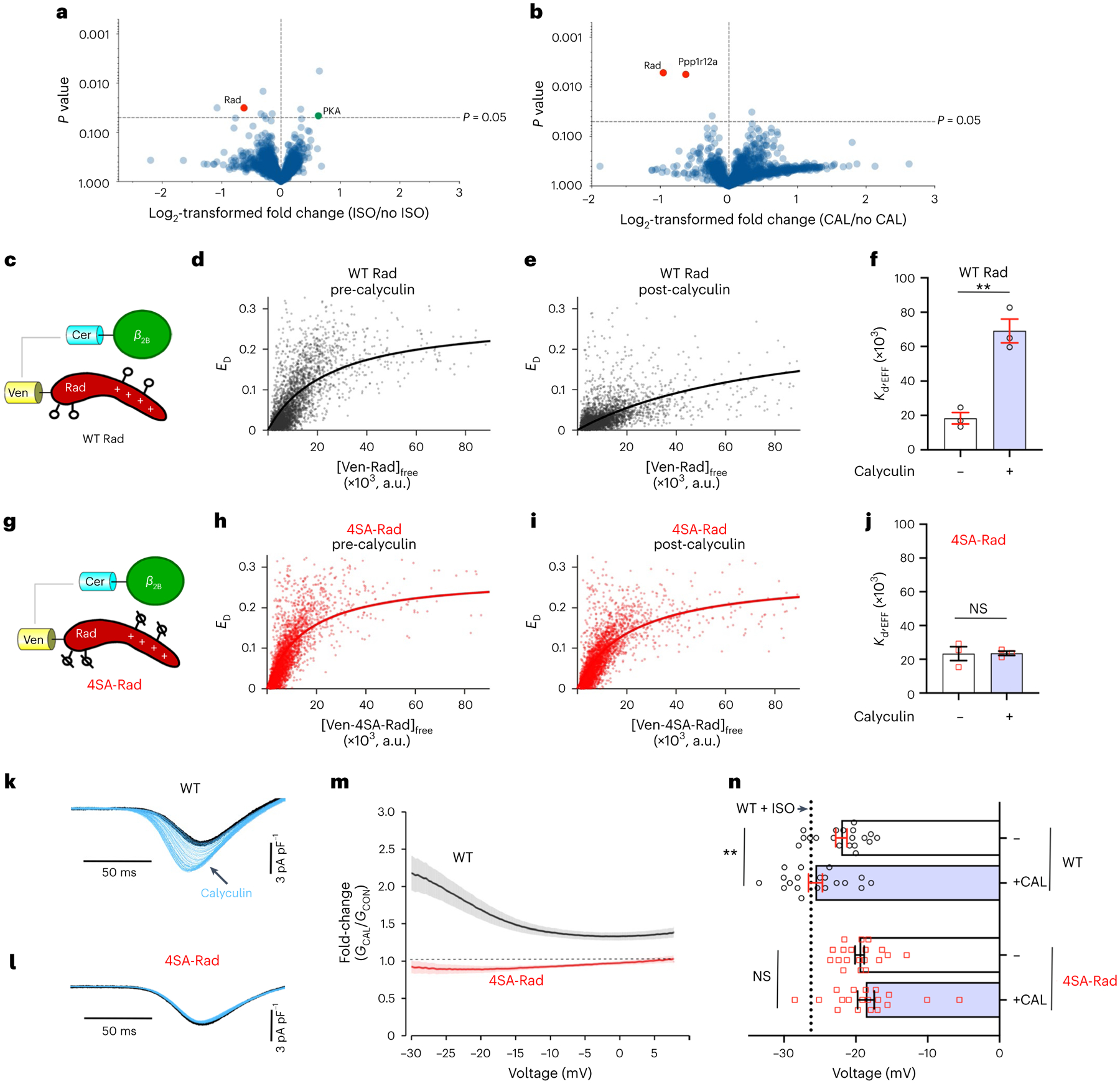
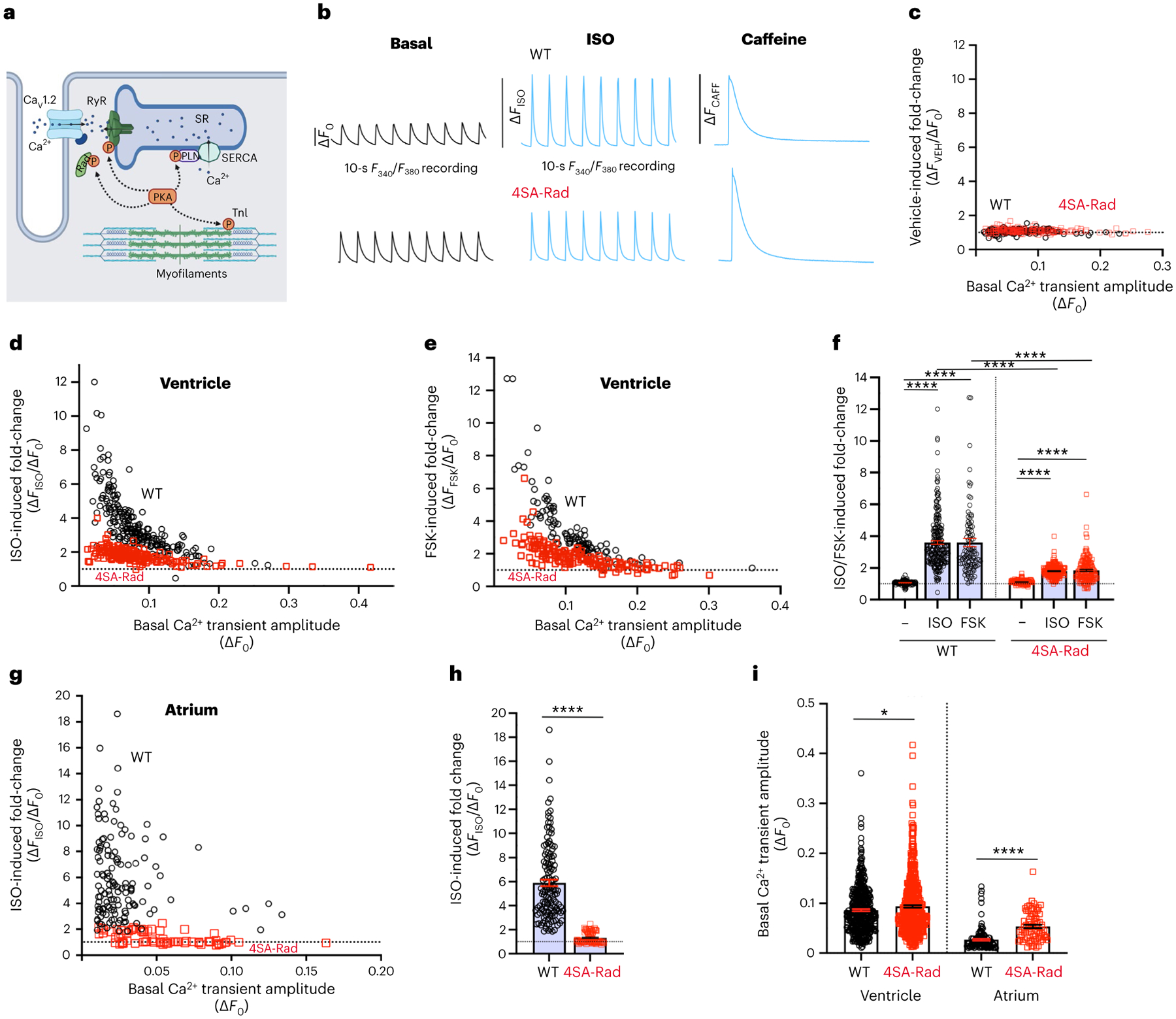
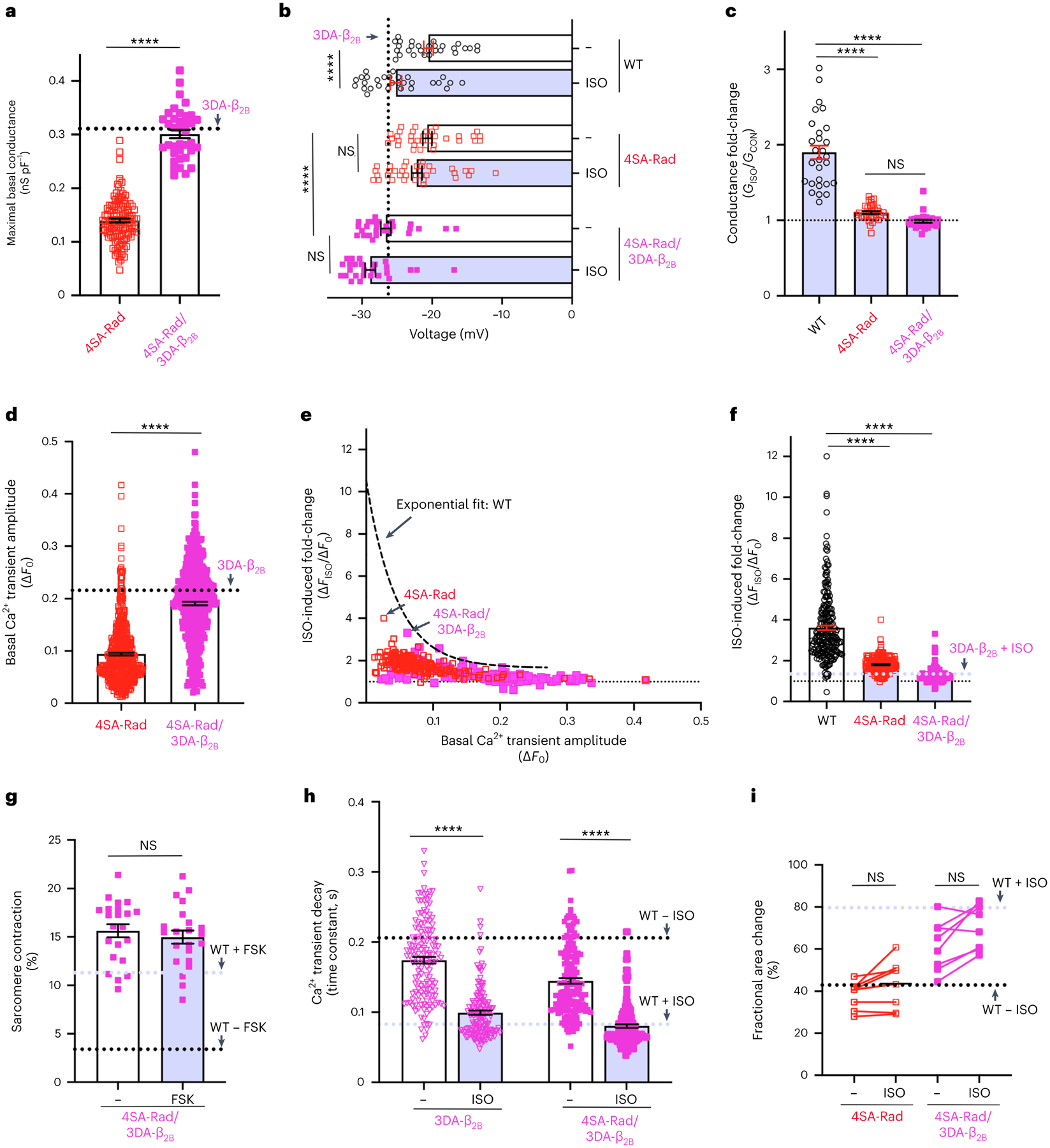
Fight-or-flight responses involve β-adrenergic-induced increases in heart rate and contractile force. In the present study, we uncover the primary mechanism underlying the heart's innate contractile reserve. We show that four protein kinase A (PKA)-phosphorylated residues in Rad, a calcium channel inhibitor, are crucial for controlling basal calcium current and essential for β-adrenergic augmentation of calcium influx in cardiomyocytes. Even with intact PKA signaling to other proteins modulating calcium handling, preventing adrenergic activation of calcium channels in Rad-phosphosite-mutant mice (4SA-Rad) has profound physiological effects: reduced heart rate with increased pauses, reduced basal contractility, near-complete attenuation of β-adrenergic contractile response and diminished exercise capacity. Conversely, expression of mutant calcium-channel β-subunits that cannot bind 4SA-Rad is sufficient to enhance basal calcium influx and contractility to adrenergically augmented levels of wild-type mice, rescuing the failing heart phenotype of 4SA-Rad mice. Hence, disruption of interactions between Rad and calcium channels constitutes the foundation toward next-generation therapeutics specifically enhancing cardiac contractility.
Conflict of interest statement
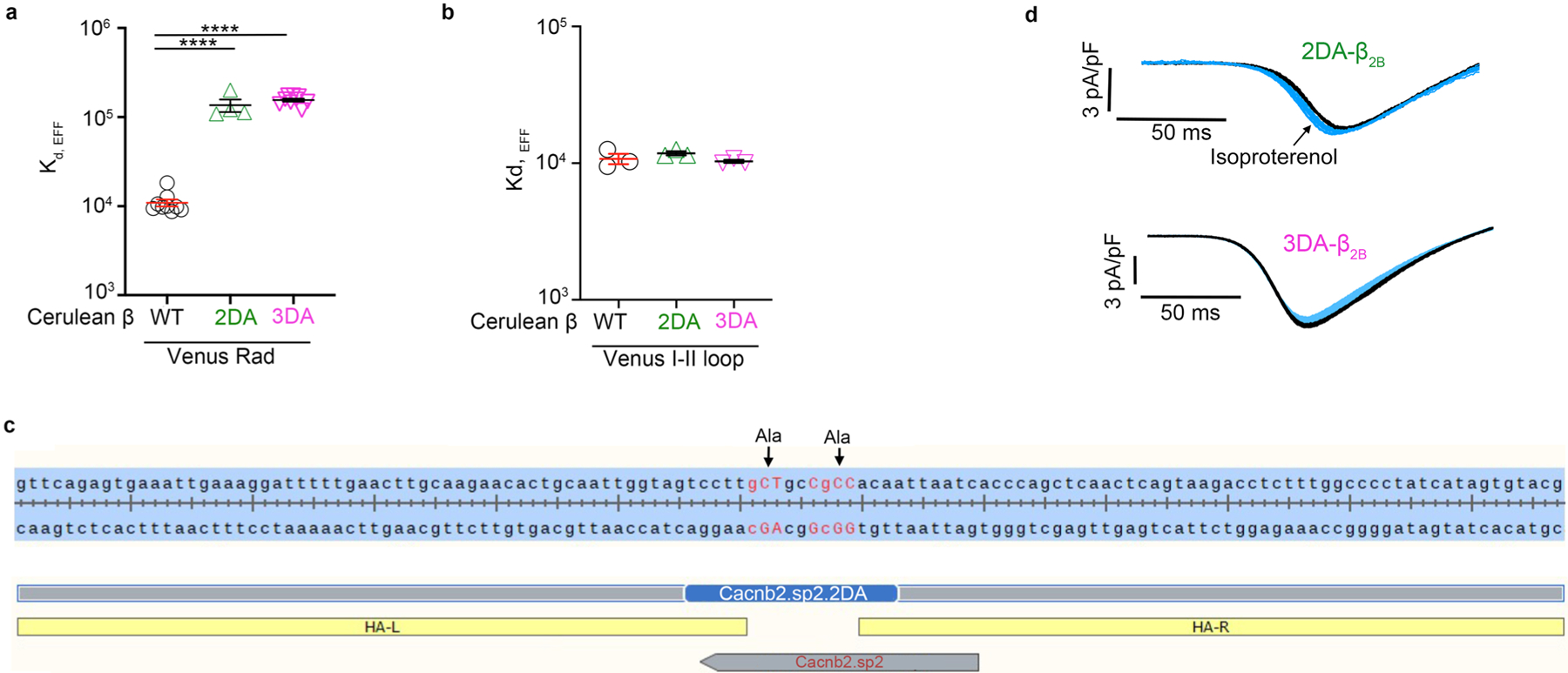
Competing interests Columbia University, Harvard University and NY Presbyterian Hospital have filed a patent (WO/2021/003389), which is published and pending review, reporting a FRET-based method for screening small molecules that increase contractility for the treatment of heart failure. Inventors on this patent application are S.O.M., H.M.C., M.K., S.I.Z., A.N.K., M.B.J. and G.L. The FRET-based assay was utilized in this manuscript for assessing the effects of calyculin and whether 3DA-β2B and 2DA-β2B Ca2+ channel subunits bind to Rad.
Figures
References
-
- Bers DM Cardiac excitation–contraction coupling. Nature 415, 198–205 (2002). - PubMed
-
- Kranias EG & Solaro RJ Phosphorylation of troponin I and phospholamban during catecholamine stimulation of rabbit heart. Nature 298, 182–184 (1982). - PubMed
-
- Chu G et al. A single site (Ser16) phosphorylation in phospholamban is sufficient in mediating its maximal cardiac responses to beta-agonists. J. Biol. Chem 275, 38938–38943 (2000). - PubMed
-
- Rozier K & Bondarenko VE Distinct physiological effects of beta1- and beta2-adrenoceptors in mouse ventricular myocytes: insights from a compartmentalized mathematical model. Am. J. Physiol. Cell Physiol 312, C595–C623 (2017). - PubMed
Grants and funding
- R01 HL160089/HL/NHLBI NIH HHS/United States
- S10 RR027050/RR/NCRR NIH HHS/United States
- T32 HL120826/HL/NHLBI NIH HHS/United States
- R01 HL151190/HL/NHLBI NIH HHS/United States
- R01 HL113136/HL/NHLBI NIH HHS/United States
- R01 HL155377/HL/NHLBI NIH HHS/United States
- R01 HL136758/HL/NHLBI NIH HHS/United States
- K08 HL153788/HL/NHLBI NIH HHS/United States
- R01 NS110672/NS/NINDS NIH HHS/United States
- R01 HL146149/HL/NHLBI NIH HHS/United States
- P30 CA013696/CA/NCI NIH HHS/United States
- R01 HL121253/HL/NHLBI NIH HHS/United States
- UL1 TR001873/TR/NCATS NIH HHS/United States
- K08 HL146964/HL/NHLBI NIH HHS/United States
- R01 HL140934/HL/NHLBI NIH HHS/United States
- P01 HL164319/HL/NHLBI NIH HHS/United States
- F31 HL158232/HL/NHLBI NIH HHS/United States
- T32 HL160520/HL/NHLBI NIH HHS/United States
- K08 HL151969/HL/NHLBI NIH HHS/United States
- R01 HL152236/HL/NHLBI NIH HHS/United States
- R01 HL138528/HL/NHLBI NIH HHS/United States
LinkOut - more resources
Full Text Sources
Molecular Biology Databases