


Adsorptive Capacity, Inhibitory Activity and Processing Techniques for a Copper-MOF Based on the 3,4-Dihydroxybenzoate Ligand
- PMID: 36432174
- PMCID: PMC9695574
- DOI: 10.3390/molecules27228073
Adsorptive Capacity, Inhibitory Activity and Processing Techniques for a Copper-MOF Based on the 3,4-Dihydroxybenzoate Ligand
Abstract
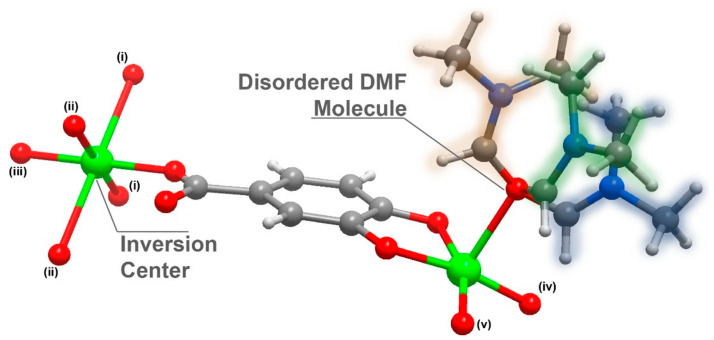
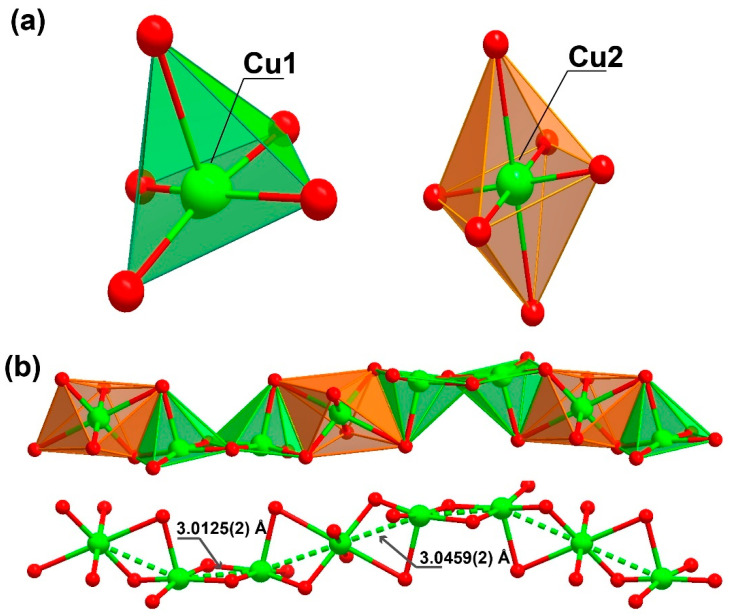
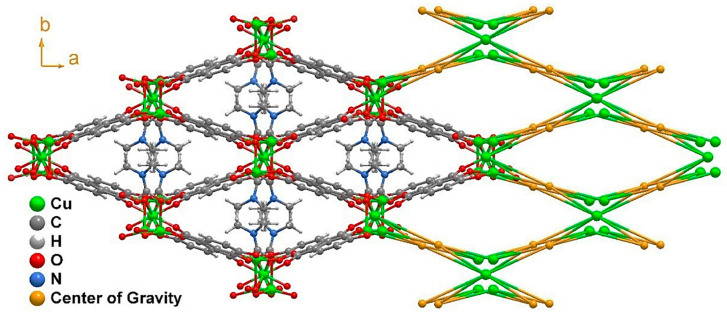
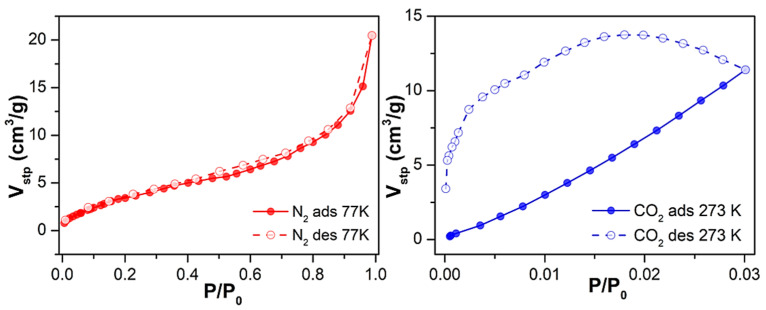
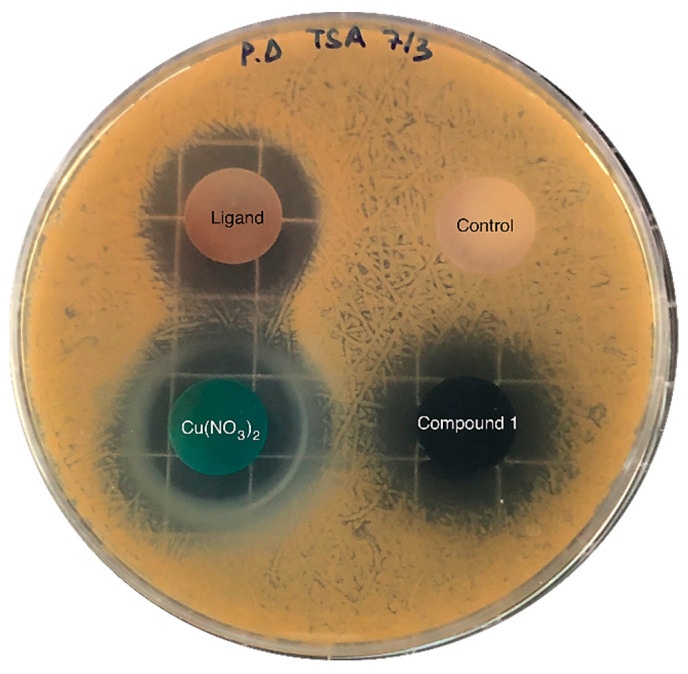
Due to the fast, emerging development of antibiotic-resistant bacteria, the need for novel, efficient routes to battle these pathogens is crucial; in this scenario, metal-organic frameworks (MOFs) are promising materials for combating them effectively. Herein, a novel Cu-MOF-namely 1-that displays the formula [Cu3L2(DMF)2]n (DMF = N,N-dimethylformamide) is described, synthesized by the combination of copper(II) and 3,4-dihydroxybenzoic acid (H3L)-both having well-known antibacterial properties. The resulting three-dimensional structure motivated us to study the antibacterial activity, adsorptive capacity and processability of the MOF in the form of pellets and membranes as a proof-of-concept to evaluate its future application in devices.
Keywords: adsorption capacity; antibacterial activity; material processing; metal-organic frameworks.
Conflict of interest statement
The authors declare no conflict of interest.
Figures
References
-
- Feng X., Li J., Feng Y., Zhang K., Chen N., Fang H., Li Z. Series of d10 complexes based on sulfamethoxazole: Auxiliary ligand induces structure diversity, luminescence and antibacterial properties. J. Solid State Chem. 2021;302:122351. doi: 10.1016/j.jssc.2021.122351. - DOI
-
- López-Viseras M.E., Fernández B., Hilfiker S., González C.S., González J.L., Calahorro A.J., Colacio E., Rodríguez-Diéguez A. In vivo potential antidiabetic activity of a novel zinc coordination compound based on 3-carboxy-pyrazole. J. Inorg. Biochem. 2014;131:64–67. doi: 10.1016/j.jinorgbio.2013.10.019. - DOI - PubMed
MeSH terms
Substances
Grants and funding
LinkOut - more resources
Full Text Sources
Other Literature Sources
Medical
Molecular Biology Databases
