


Proteogenomic landscape and clinical characterization of GH-producing pituitary adenomas/somatotroph pituitary neuroendocrine tumors
- PMID: 36435867
- PMCID: PMC9701206
- DOI: 10.1038/s42003-022-04272-1
Proteogenomic landscape and clinical characterization of GH-producing pituitary adenomas/somatotroph pituitary neuroendocrine tumors
Abstract
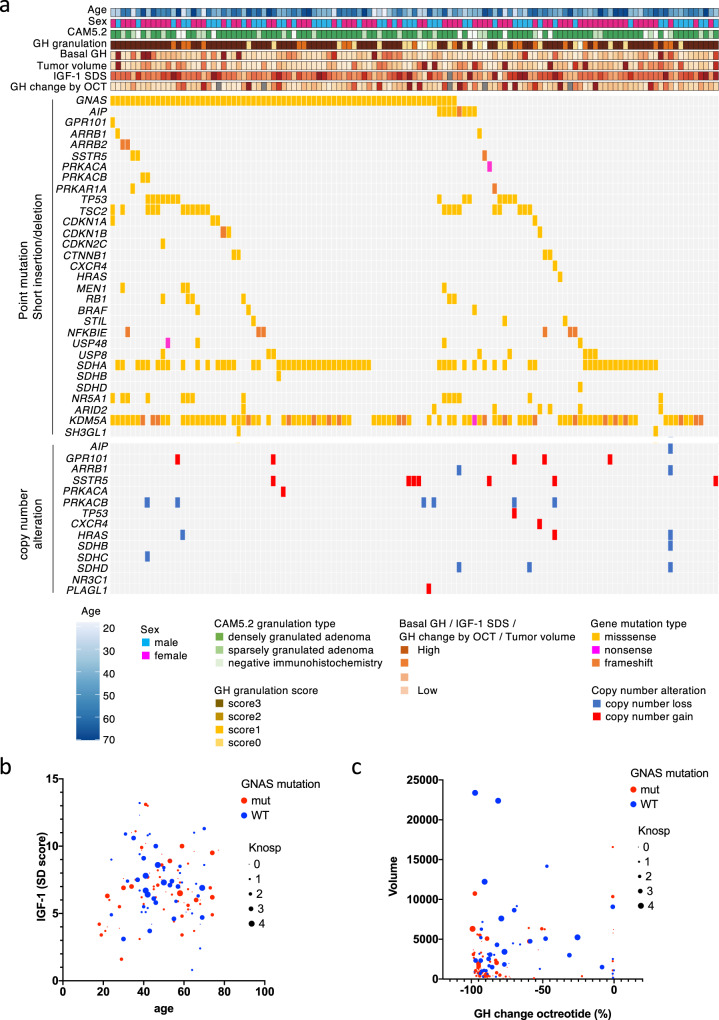
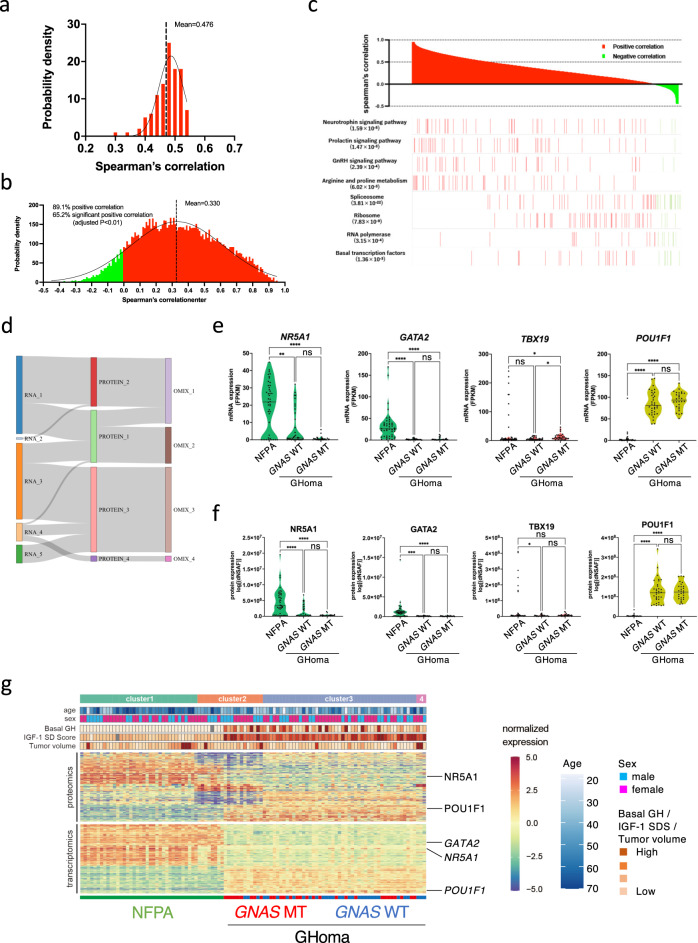
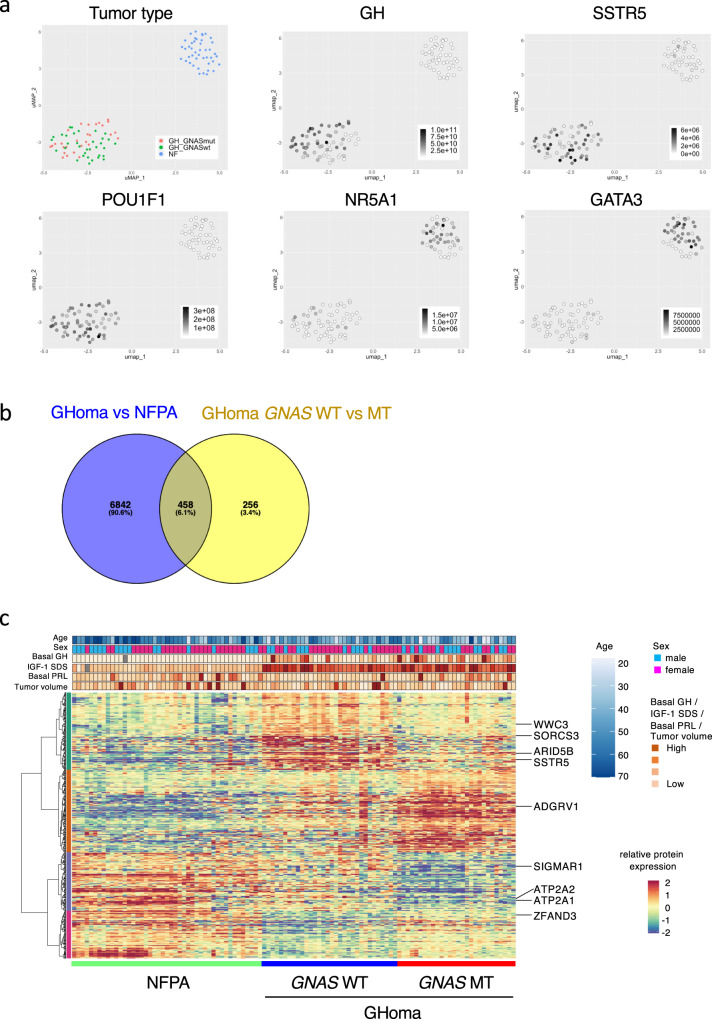
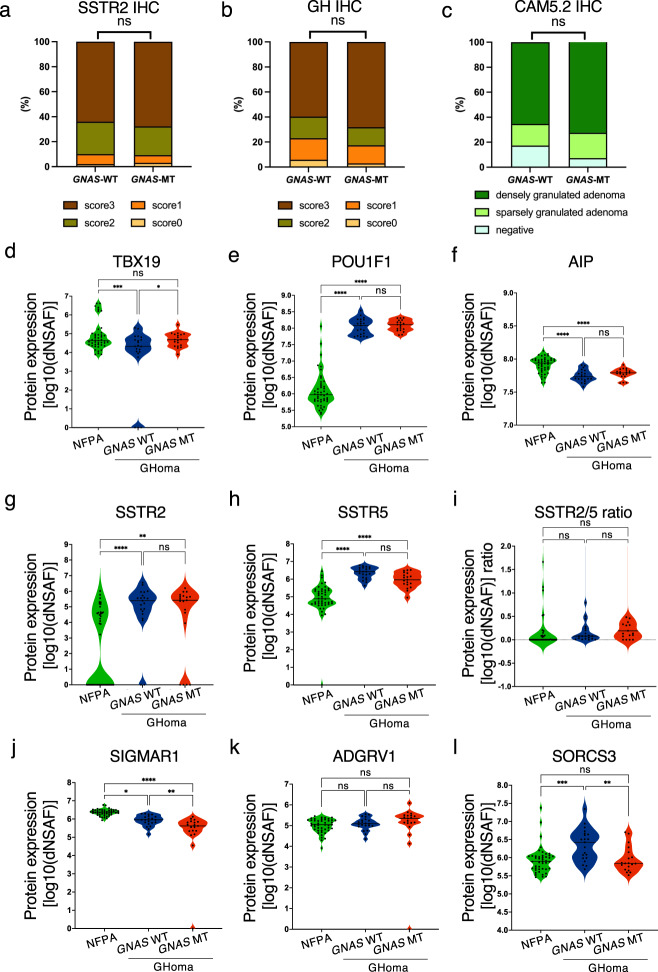
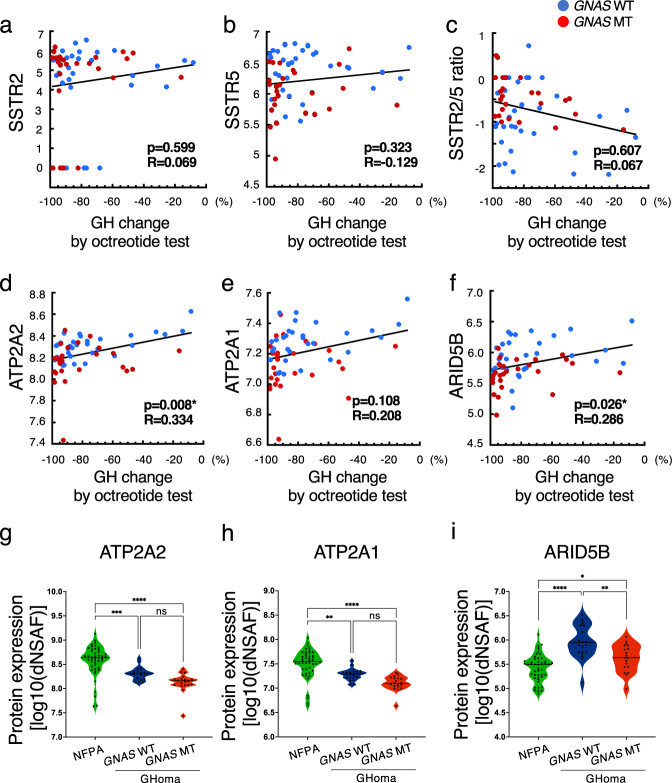
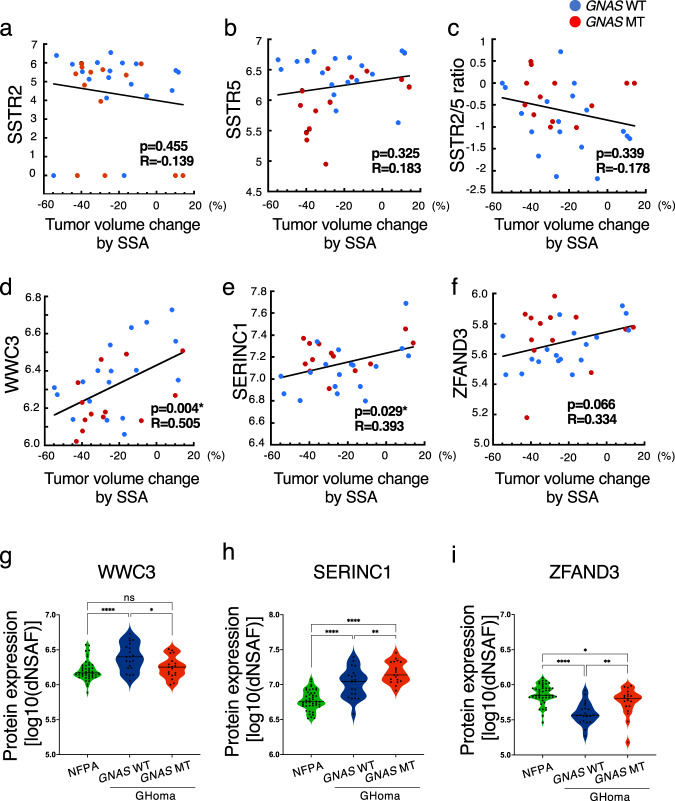
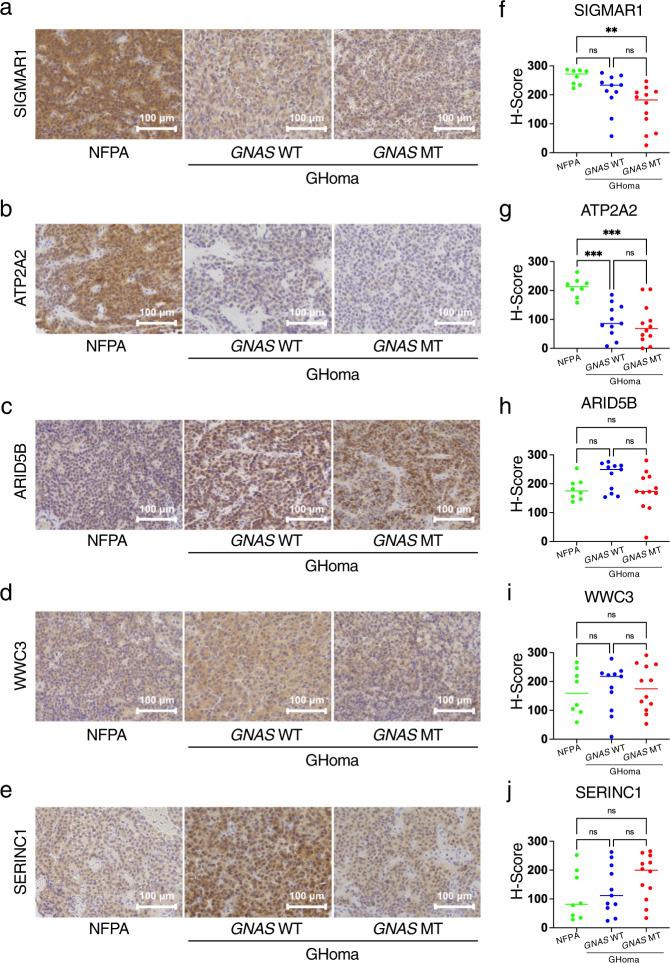
The clinical characteristics of growth hormone (GH)-producing pituitary adenomas/somatotroph pituitary neuroendocrine tumors (GHomas/somatotroph PitNETs) vary across patients. In this study, we aimed to integrate the genetic alterations, protein expression profiles, transcriptomes, and clinical characteristics of GHomas/somatotroph PitNETs to identify molecules associated with acromegaly characteristics. Targeted capture sequencing and copy number analysis of 36 genes and nontargeted proteomics analysis were performed on fresh-frozen samples from 121 sporadic GHomas/somatotroph PitNETs. Targeted capture sequencing revealed GNAS as the only driver gene, as previously reported. Classification by consensus clustering using both RNA sequencing and proteomics revealed many similarities between the proteome and the transcriptome. Gene ontology analysis was performed for differentially expressed proteins between wild-type and mutant GNAS samples identified by nontargeted proteomics and involved in G protein-coupled receptor (GPCR) pathways. The results suggested that GNAS mutations impact endocrinological features in acromegaly through GPCR pathway induction. ATP2A2 and ARID5B correlated with the GH change rate in the octreotide loading test, and WWC3, SERINC1, and ZFAND3 correlated with the tumor volume change rate after somatostatin analog treatment. These results identified a biological connection between GNAS mutations and the clinical and biochemical characteristics of acromegaly, revealing molecules associated with acromegaly that may affect medical treatment efficacy.
© 2022. The Author(s).
Conflict of interest statement
The authors declare no competing interests.
Figures
References
-
- Ronchi CL, et al. Landscape of somatic mutations in sporadic GH-secreting pituitary adenomas. Eur. J. Endocrinol./Eur. Federation Endocr. Societies. 2016;174:363–372. - PubMed
-
- Valimaki N, et al. Whole-Genome Sequencing of Growth Hormone (GH)-Secreting Pituitary Adenomas. J. Clin. Endocrinol. Metab. 2015;100:3918–3927. - PubMed
-
- Fougner SL, et al. The clinical response to somatostatin analogues in acromegaly correlates to the somatostatin receptor subtype 2a protein expression of the adenoma. Clin. Endocrinol. 2008;68:458–465. - PubMed
-
- Efstathiadou ZA, et al. Impact of gsp mutations in somatotroph pituitary adenomas on growth hormone response to somatostatin analogs: a meta-analysis. Pituitary. 2015;18:861–867. - PubMed
-
- Preda V, Korbonits M, Cudlip S, Karavitaki N, Grossman AB. Low rate of germline AIP mutations in patients with apparently sporadic pituitary adenomas before the age of 40: a single-centre adult cohort. Eur. J. Endocrinol./Eur. Federation Endocr. Societies. 2014;171:659–666. - PubMed
Publication types
MeSH terms
LinkOut - more resources
Full Text Sources
Medical
Molecular Biology Databases
