


Adherence to coprescribing of laxatives with opioids and associated characteristics in general practices in the Netherlands
- PMID: 36464672
- PMCID: PMC9721085
- DOI: 10.1186/s12875-022-01911-8
Adherence to coprescribing of laxatives with opioids and associated characteristics in general practices in the Netherlands
Abstract
Background: Guidelines recommend to prescribe a laxative with an opioid to prevent constipation. We aimed to determine the adherence by general practitioners (GPs) to this recommendation and to explore which GP- and patient related factors were associated with it from the perspective of the GP. METHODS: We conducted an observational study using GPs' prescription data from the Nivel Primary Care Database combined with a questionnaire asking for reasons of non-adherence. The proportion of first opioid prescriptions prescribed together with a laxative was determined as primary outcome. Possible explanatory factors such as the quality of registration, the level of collaboration with the pharmacy, familiarity with the recommendation and use of a clinical decision support system were explored, as were the self-reported reasons for non-adherence (classified as either GP-related or patient-related). We assessed the association of factors with the primary outcome using univariable multilevel logistic regression analysis.
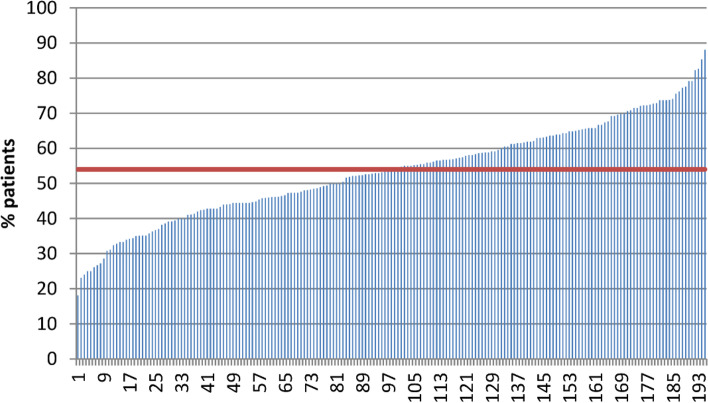
Results: The recommendation was measured in 195 general practices. The median proportion of first opioid prescriptions prescribed together with a laxative in these practices was 54% (practice range 18-88%). None of the determinants was consistently associated with the primary outcome. GPs from 211 practices filled out the questionnaire and the most frequently mentioned reason not to prescribe a laxative was that the patient has laxatives in stock, followed by that the patient doesn't want a laxative; both were patient-related factors.
Conclusion: There was room for improvement in following the guideline on laxative prescribing in opioid use. A main reason seemed to be that the patient refuses a laxative. Improvement measures should therefore focus on communication between GPs and patients on the relevance of co-using a laxative with opioids. Future studies need to establish the effect of such improvement measures, and determine whether reasons for non-adherence to the guideline changed over time.
Keywords: Adverse drug event; Analgesics; Guideline adherence; Laxatives; Opioids; Primary care.
© 2022. The Author(s).
Conflict of interest statement
Karin Hek: None. Fouzia Lghoul—Oulad Saïd: None. Joke Korevaar: None. Linda Flinterman: None. Liset van Dijk: Has received funding for a project not related to this study from AbbVie, Pfizer and TEVA. Patricia van den Bemt: None.
Figures
References
-
- Noori A, Sadeghirad B, Wang L, et al. Comparative benefits and harms of individual opioids for chronic non-cancer pain: a systematic review and network meta-analysis of randomised trials. Br J Anaesth. 2022;S0007–0912(22):00288–294. - PubMed
Publication types
MeSH terms
Substances
LinkOut - more resources
Full Text Sources
Medical