


Explaining variation in adolescents' social media-related distraction: The role of social connectivity and disconnectivity factors
- PMID: 36468162
- PMCID: PMC9684974
- DOI: 10.1007/s12144-022-03844-y
Explaining variation in adolescents' social media-related distraction: The role of social connectivity and disconnectivity factors
Abstract
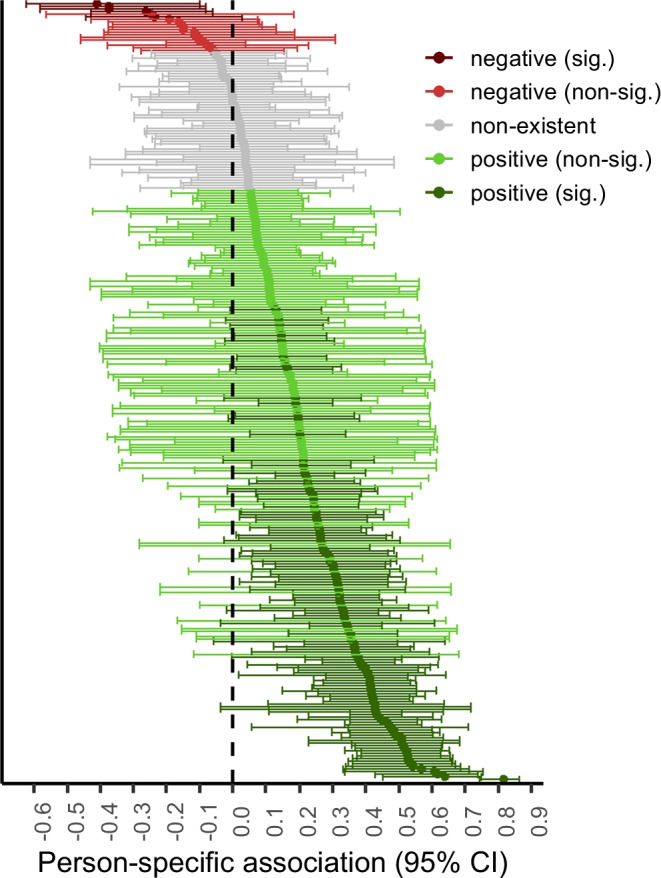
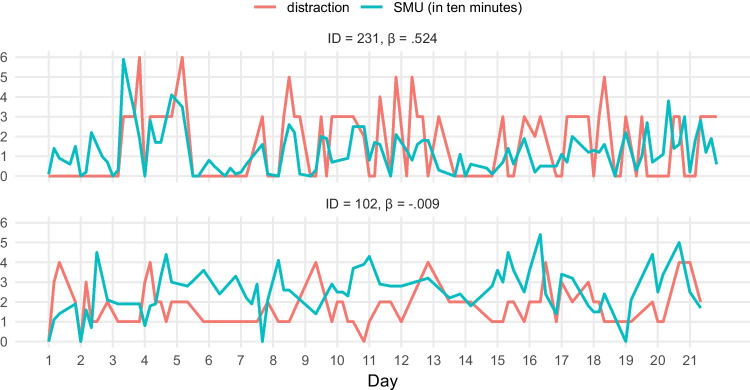
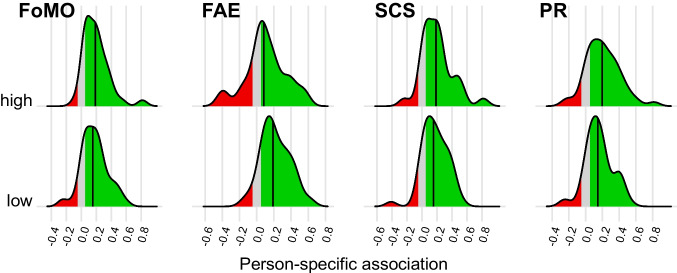
Social media are often believed to distract adolescents' attention. While existing research has shown that some adolescents experience more social media-related distraction than others, the explanations for these differences remain largely unknown. Based on Self-Determination Theory, this preregistered study investigated two social connectivity factors (fear of missing out [FoMO] and friendship accessibility expectations) and two disconnectivity factors (self-control strategies and parental restrictions) that may explain heterogeneity in social media-related distraction. We used data collected through a measurement burst design, consisting of a three-week experience sampling method study among 300 adolescents (21,970 assessments) and online surveys. Using N = 1 analyses, we found that most adolescents (77%) experienced social media-related distraction. Contrary to expectations, none of the connectivity or disconnectivity factors explained differences in social media-related distraction. The findings indicate that social media are a powerful distractor many adolescents seem to struggle with.
Keywords: Attention; ESM; Instagram; Media effects; N = 1 research.
© The Author(s) 2022.
Conflict of interest statement
Competing interests The authors have no competing interests to declare that are relevant to the content of this article.
Figures
References
-
- Aalbers, G., vanden Abeele, M. M., Hendrickson, A. T., de Marez, L., & Keijsers, L. (2021). Caught in the moment: Are there person-specific associations between momentary procrastination and passively measured smartphone use? Mobile Media & Communication, 10(1), 115–135. 10.1177/2050157921993896
-
- Adachi P, Willoughby T. Interpreting effect sizes when controlling for stability effects in longitudinal autoregressive models: Implications for psychological science. European Journal of Developmental Psychology. 2015;12(1):116–128. doi: 10.1080/17405629.2014.963549. - DOI
-
- Al-Furaih SA, Al-Awidi HM. Fear of missing out (FoMO) among undergraduate students in relation to attention distraction and learning disengagement in lectures. Education and Information Technologies. 2021;26(2):2355–2373. doi: 10.1007/s10639-020-10361-7. - DOI
-
- Allen, K. A., Ryan, T., Gray, D. L., McInerney, D. M., & Waters, L. (2014). Social media use and social connectedness in adolescents: The positives and the potential pitfalls. Australian Educational Developmental Psychologist,31(1), 18–31. 10.1017/edp.2014.2
LinkOut - more resources
Full Text Sources