Review
. 2023;29(1):7.
doi: 10.1007/s10989-022-10478-y. Epub 2022 Dec 1.

A Review: The Antiviral Activity of Cyclic Peptides

Affiliations
Review

A Review: The Antiviral Activity of Cyclic Peptides

Le Yi Chia et al. Int J Pept Res Ther. 2023.

Abstract

In the design and development of therapeutic agents, macromolecules with restricted structures have stronger competitive edges than linear biological entities since cyclization can overcome the limitations of linear structures. The common issues of linear peptides include susceptibility to degradation of the peptidase enzyme, off-target effects, and necessity of routine dosing, leading to instability and ineffectiveness. The unique conformational constraint of cyclic peptides provides a larger surface area to interact with the target at the same time, improving the membrane permeability and in vivo stability compared to their linear counterparts. Currently, cyclic peptides have been reported to possess various activities, such as antifungal, antiviral and antimicrobial activities. To date, there is emerging interest in cyclic peptide therapeutics, and increasing numbers of clinically approved cyclic peptide drugs are available on the market. In this review, the medical significance of cyclic peptides in the defence against viral infections will be highlighted. Except for chikungunya virus, which lacks specific antiviral treatment, all the viral diseases targeted in this review are those with effective treatments yet with certain limitations to date. Thus, strategies and approaches to optimise the antiviral effect of cyclic peptides will be discussed along with their respective outcomes. Apart from isolated naturally occurring cyclic peptides, chemically synthesized or modified cyclic peptides with antiviral activities targeting coronavirus, herpes simplex viruses, human immunodeficiency virus, Ebola virus, influenza virus, dengue virus, five main hepatitis viruses, termed as type A, B, C, D and E and chikungunya virus will be reviewed herein.

Keywords: Antiviral activity; Coronavirus; Cyclic peptides; Dengue virus.


Conflict of interest statement

Conflict of interestThe authors have no relevant financial or nonfinancial interests to disclose.

Figures
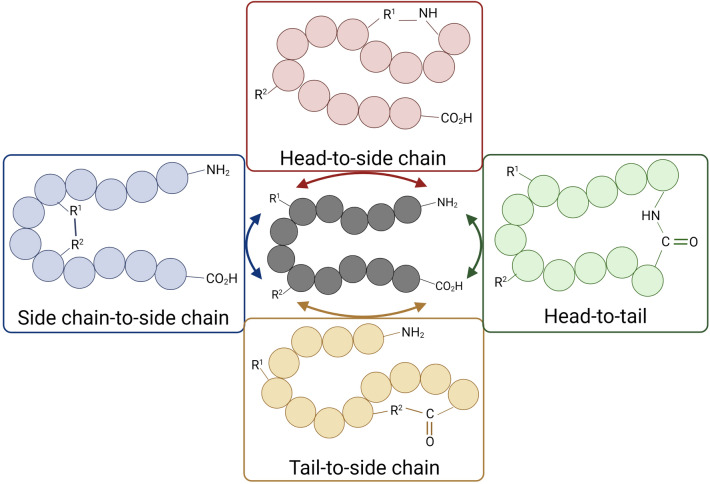
Fig. 1
Fig. 1
Schematic illustration of peptide cyclization modes. Created with BioRender.com
Fig. 2
Fig. 2
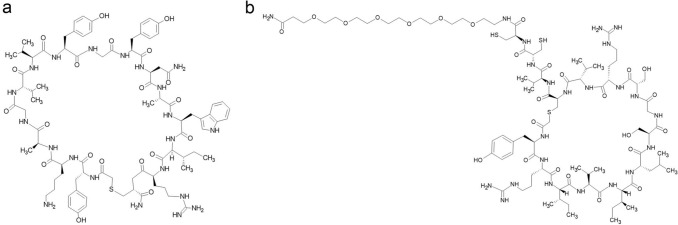
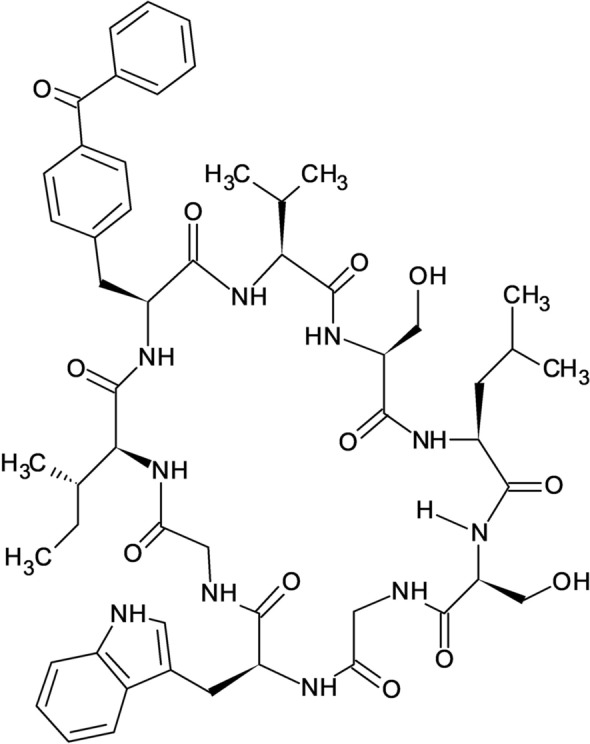
Cyclic peptide structure of a peptide 4 and b peptide 5 (Norman et al. 2021)
Fig. 3
Fig. 3
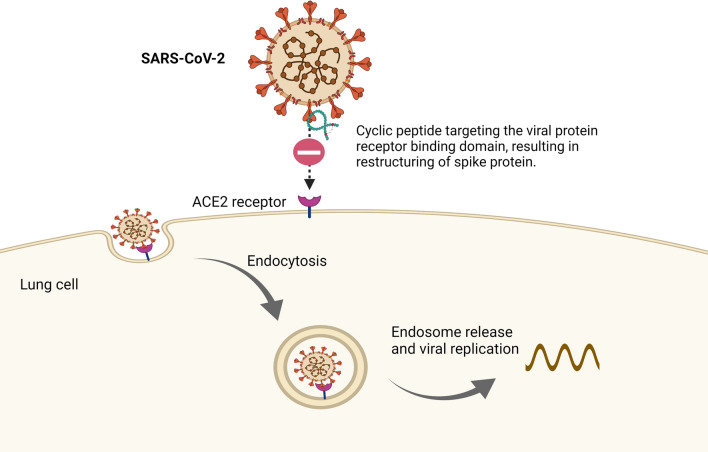
Mechanism of SARS-CoV-2 binding to the human ACE2 receptor and entering the host cell. Cyclic peptide is able to restructure the spike protein, influencing the nature of the interaction between the RBD and the binding site of the ACE2 surface receptor. (Norman et al. 2021) Created with BioRender.com
Fig. 4
Fig. 4
DENV infection cycle. Virus binding and membrane fusion are organized by the envelope protein in a pH-dependent environment. (Chew et al. 2017) Adapted from “ZIKV Infection Cycle”, by BioRender.com (2022). Retrieved from https://app.biorender.com/biorender-templates
Fig. 5
Fig. 5
Cyclic peptide modelled by Takagi et al. (Takagi et al. 2017)
Fig. 6
Fig. 6
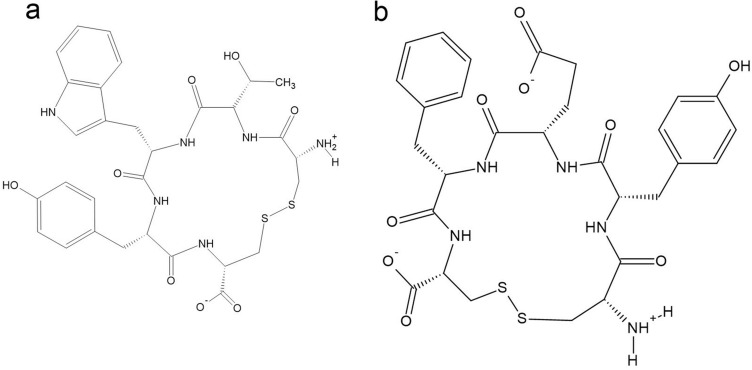
Cyclic peptides a CTWYC and b CYEFC illustrated by Indrus et al. (Idrus et al. 2012)
Fig. 7
Fig. 7
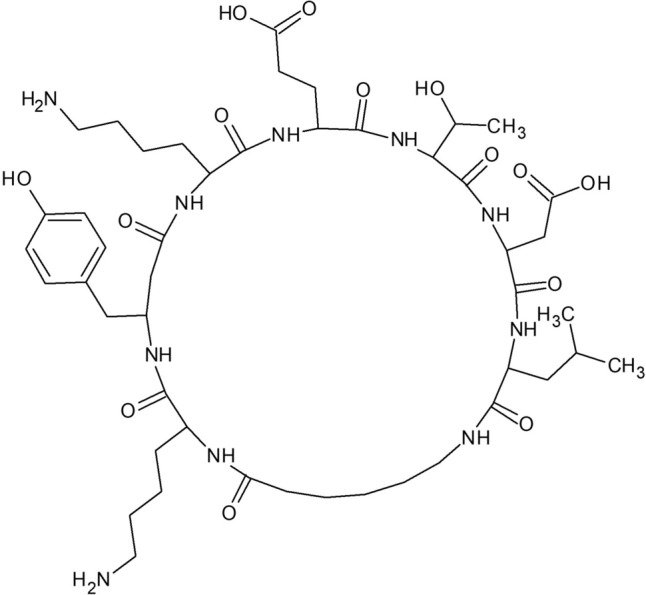
Peptide Rev-13 (Hariton-Gazal et al. 2005)
Fig. 8
Fig. 8
Peptide REV-14 (Hariton-Gazal et al. 2005)
Fig. 9
Fig. 9
Cyclic peptide HIV protease inhibitor G12 (Young et al. 2011)
Fig. 10
Fig. 10
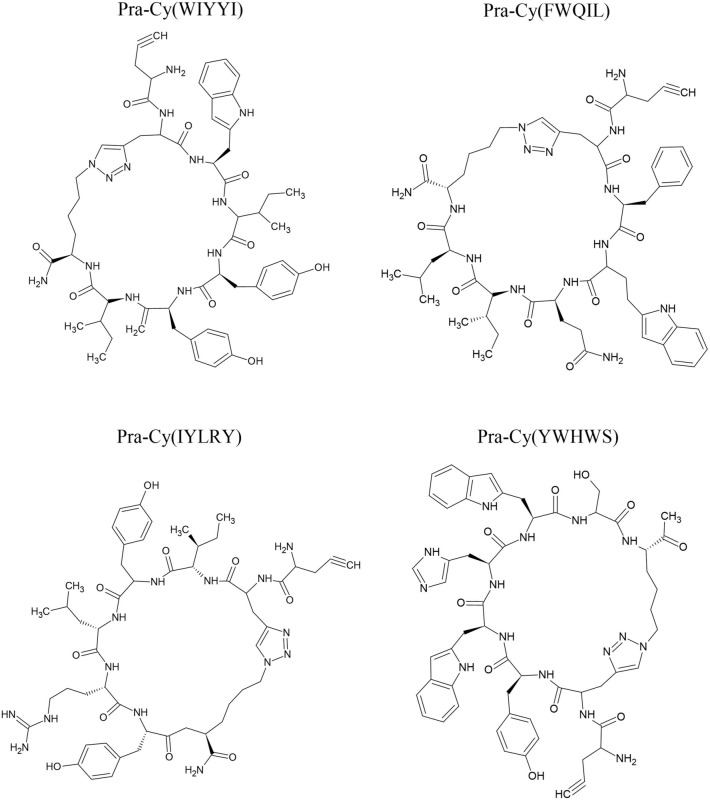
Structure of macrocyclic peptides synthesized by Coppock et al. (2019)
Fig. 11
Fig. 11
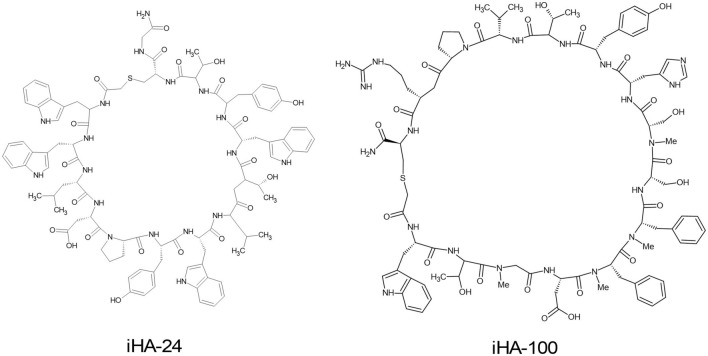
The chemical structures of iHA-24 and iHA-100 synthesized by Saito et al. (Saito et al. 2021)
Fig. 12
Fig. 12
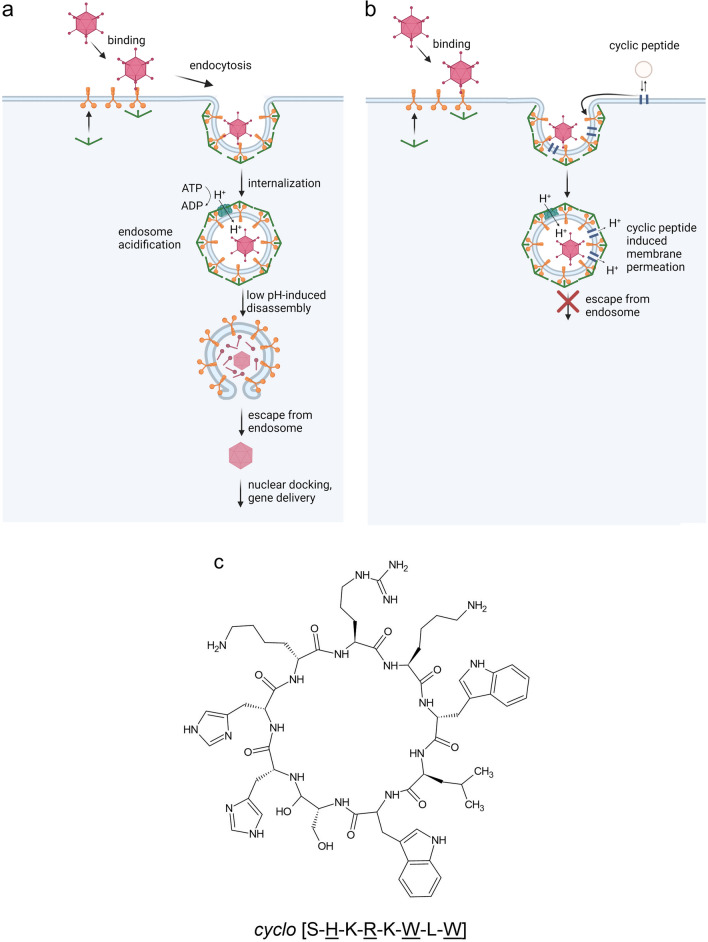
Schematic illustration of the antiviral action of membranes associating cyclic d, l-a-peptides to the endosomal membranes during virus internalization by offsetting the formation of a low pH environment inside endosomes via the membrane permeating supramolecular assemblies and the primary stages of the adenovirus infection cycle. a Schematic illustration of the primary stages of the adenovirus infection cycle. b The antiviral action of membranes associating cyclic d, l-a-peptides to the endosomal membranes during virus internalization by offsetting the formation of a low pH environment inside endosomes via the membrane permeating supramolecular assemblies. c The structure and sequence of the peptide identified by Horne et al. (Horne et al. 2005). (a and b are created with BioRender.com)
Fig. 13
Fig. 13
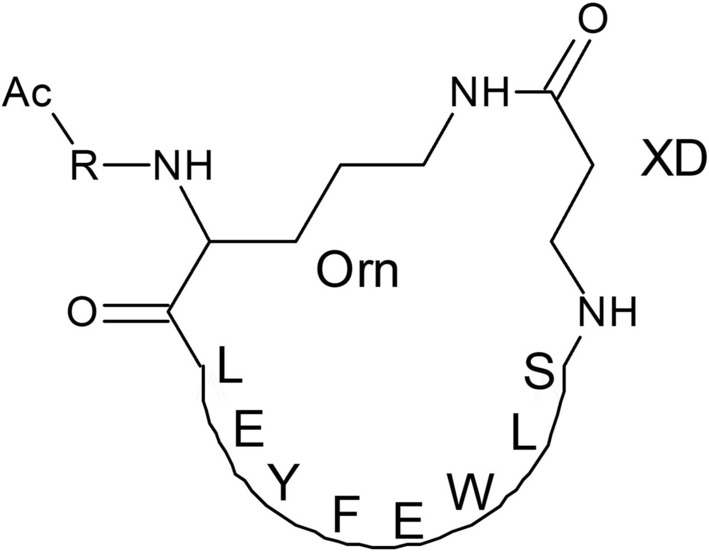
Amino acid sequences of cyclic peptides designed by Kadam et al. (Kadam et al. 2017)
Fig. 14
Fig. 14
Chemical structure of LaR2C-N7-cy synthesized by Manna et al. (Manna et al. 2013)
Fig. 15
Fig. 15
Aspergillipeptide D (Ma et al. 2017)
Fig. 16
Fig. 16
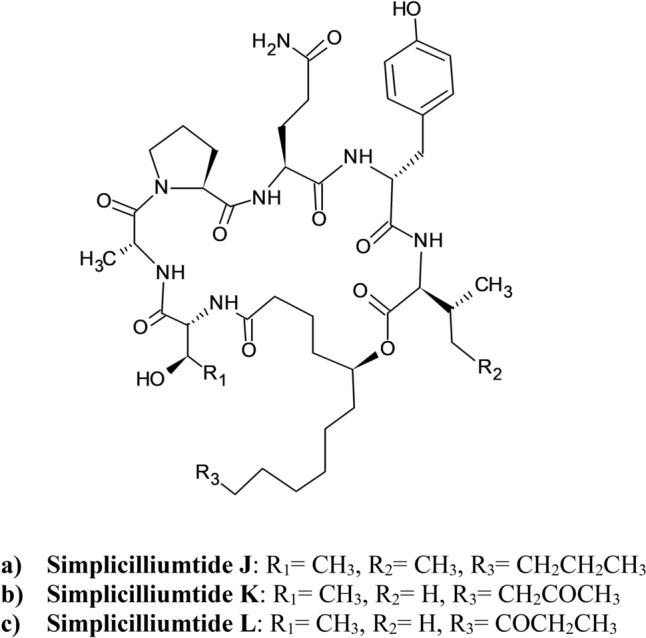
Structure of Simplicilliumtides (Liang et al. ; El Maddah et al. 2020)
Fig. 17
Fig. 17
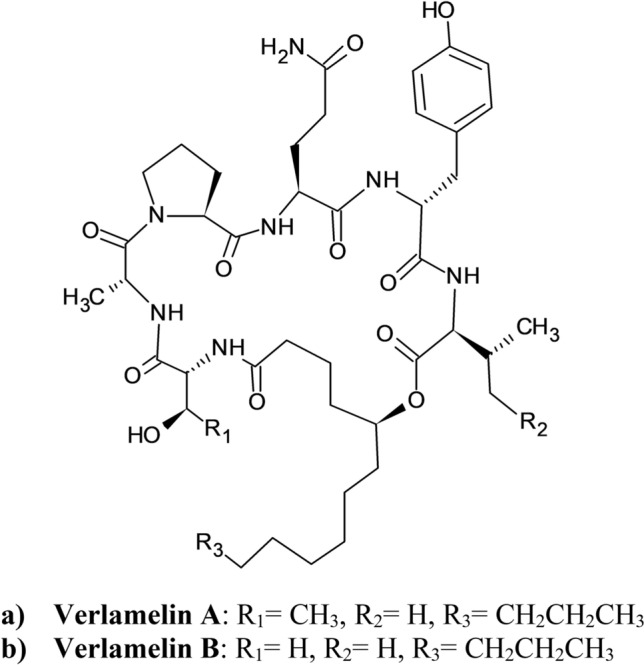
Structure of Verlamelins (Liang et al. 2017)
Fig. 18
Fig. 18
Asperterrestide A (He et al. 2013)

References

    1. Abdalla MA, McGaw LJ. Natural cyclic peptides as an attractive modality for therapeutics: a mini review. Molecules. 2018;23(8):2080. doi: 10.3390/molecules23082080. - DOI - PMC - PubMed
    1. Agarwal G, Gabrani R. Antiviral peptides: identification and validation. Int J Pept Res Ther. 2021;27:149–168. doi: 10.1007/s10989-020-10072-0. - DOI - PMC - PubMed
    1. Al Shaer D, Al Musaimi O, Albericio F, de la Torre BG. 2019 FDA TIDES (peptides and oligonucleotides) harvest. Pharmaceuticals. 2020;13(3):40. doi: 10.3390/ph13030040. - DOI - PMC - PubMed
    1. Alhoot MA, Rathinam AK, Wang SM, Manikam R, Sekaran SD. Inhibition of dengue virus entry into target cells using synthetic antiviral peptides. Int J Med Sci. 2013;10(6):719. doi: 10.7150/ijms.5037. - DOI - PMC - PubMed
    1. Ali I, Alharbi OM. COVID-19: disease, management, treatment, and social impact. Sci Total Environ. 2020;728:138861. doi: 10.1016/j.scitotenv.2020.138861. - DOI - PMC - PubMed

LinkOut - more resources