


Extracellular Vesicles from Ocular Melanoma Have Pro-Fibrotic and Pro-Angiogenic Properties on the Tumor Microenvironment
- PMID: 36497088
- PMCID: PMC9736613
- DOI: 10.3390/cells11233828
Extracellular Vesicles from Ocular Melanoma Have Pro-Fibrotic and Pro-Angiogenic Properties on the Tumor Microenvironment
Abstract
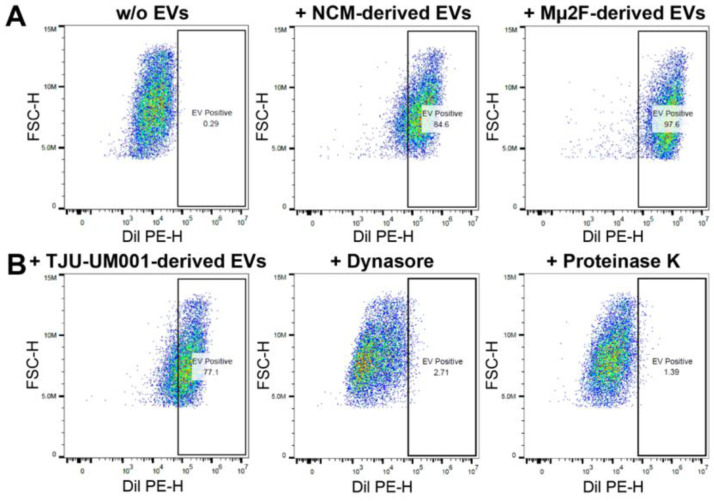
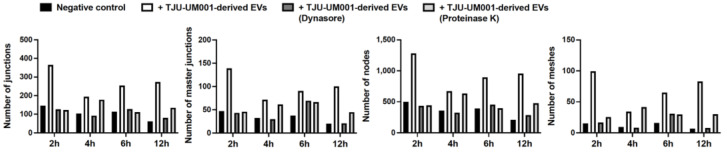
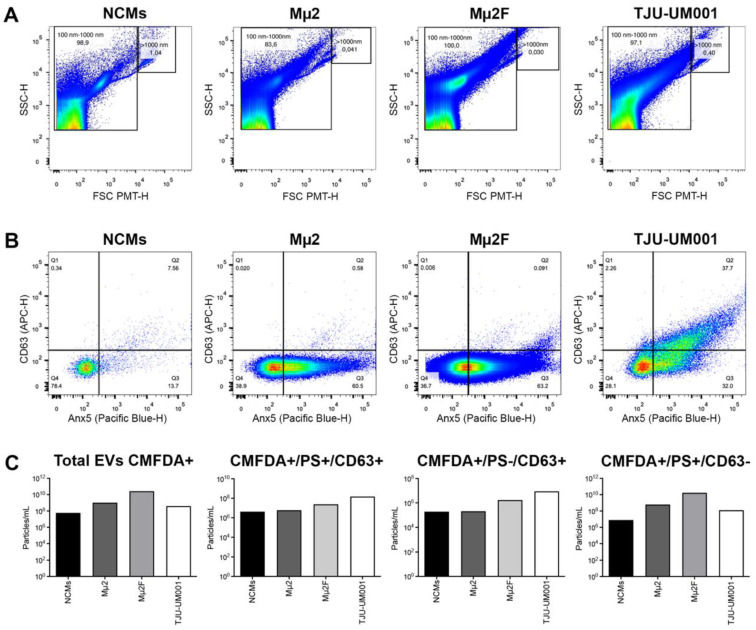
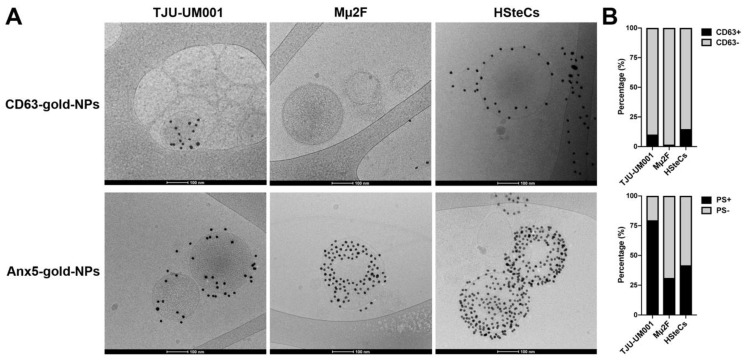
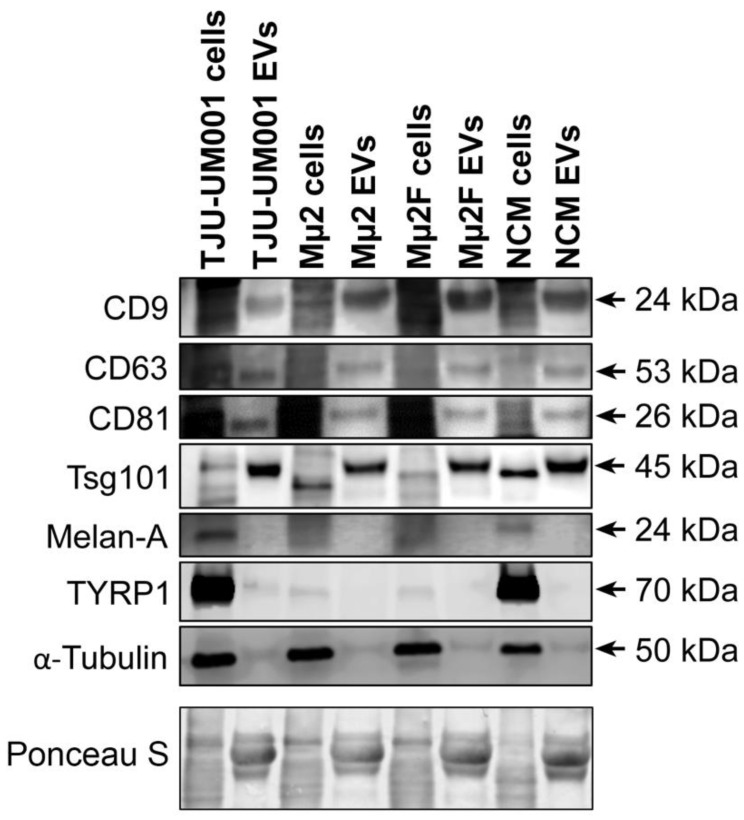
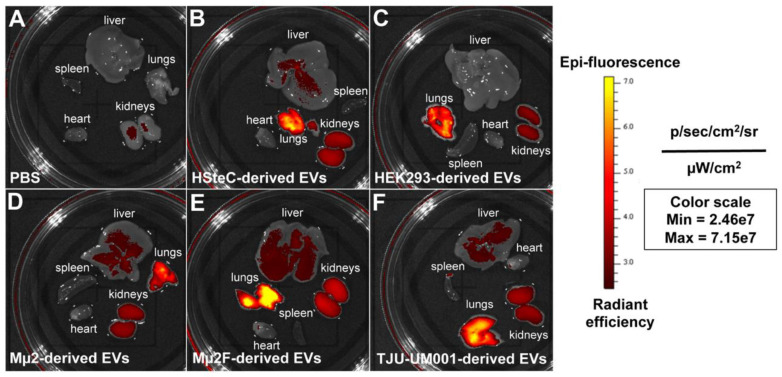
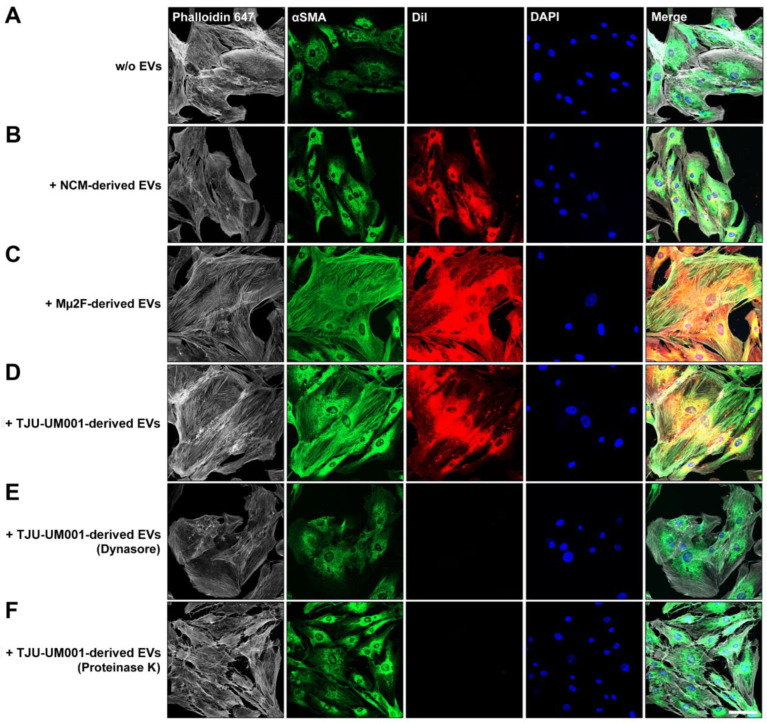
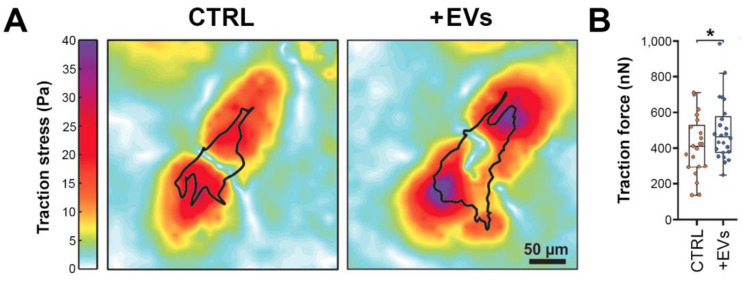
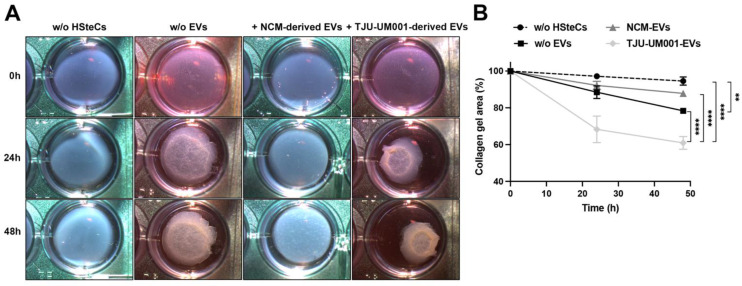
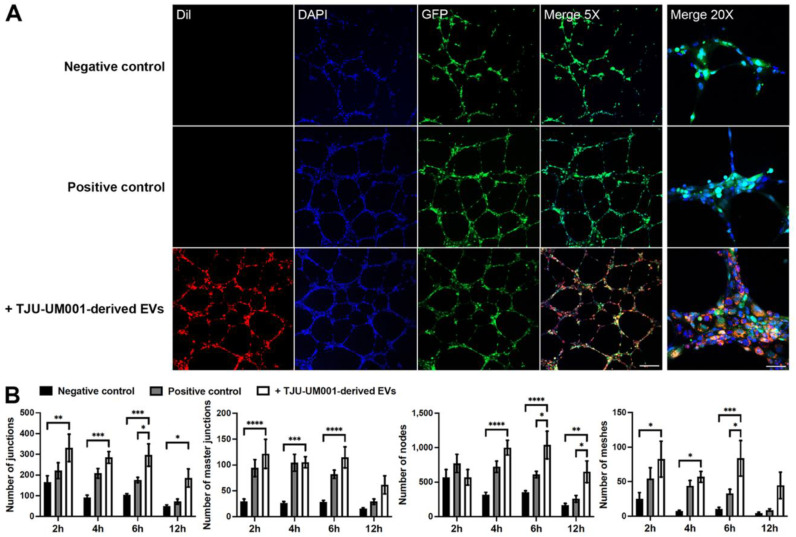
Uveal melanoma (UM) is the most common primary intraocular tumor and often spreads to the liver. Intercellular communication though extracellular vesicles (EVs) plays an important role in several oncogenic processes, including metastasis, therapeutic resistance, and immune escape. This study examines how EVs released by UM cells modify stellate and endothelial cells in the tumor microenvironment. The surface markers, and the concentration and size of EVs derived from UM cells or choroidal melanocytes were characterized by high-resolution flow cytometry, electron microscopy, and Western blotting. The selective biodistribution of EVs was studied in mice by fluorescence imaging. The activation/contractility of stellate cells and the tubular organization of endothelial cells after exposure to melanomic EVs were determined by traction force microscopy, collagen gel contraction, or endothelial tube formation assays. We showed that large EVs from UM cells and healthy melanocytes are heterogenous in size, as well as their expression of phosphatidylserine, tetraspanins, and Tsg101. Melanomic EVs mainly accumulated in the liver and lungs of mice. Hepatic stellate cells with internalized melanomic EVs had increased contractility, whereas EV-treated endothelial cells developed more capillary-like networks. Our study demonstrates that the transfer of EVs from UM cells leads to a pro-fibrotic and pro-angiogenic phenotype in hepatic stellate and endothelial cells.
Keywords: endothelial cells; extracellular vesicles; hepatic stellate cells; metastatic uveal melanoma.
Conflict of interest statement
The authors declare no conflict of interest.
Figures
References
-
- Diener-West M., Reynolds S.M., Agugliaro D.J., Caldwell R., Cumming K., Earle J.D., Hawkins B.S., Hayman J.A., Jaiyesimi I., Jampol L.M., et al. Development of metastatic disease after enrollment in the COMS trials for treatment of choroidal melanoma: Collaborative Ocular Melanoma Study Group Report No. 26. Arch. Ophthalmol. 2005;123:1639–1643. - PubMed
-
- Chandran S.S., Somerville R.P.T., Yang J.C., Sherry R.M., Klebanoff C.A., Goff S.L., Wunderlich J.R., Danforth D.N., Zlott D., Paria B.C., et al. Treatment of metastatic uveal melanoma with adoptive transfer of tumour-infiltrating lymphocytes: A single-centre, two-stage, single-arm, phase 2 study. Lancet Oncol. 2017;18:792–802. doi: 10.1016/S1470-2045(17)30251-6. - DOI - PMC - PubMed
-
- Seedor R.S., Eschelman D.J., Gonsalves C.F., Adamo R.D., Orloff M., Amjad A., Sharpe-Mills E., Chervoneva I., Shields C.L., Shields J.A., et al. An Outcome Assessment of a Single Institution’s Longitudinal Experience with Uveal Melanoma Patients with Liver Metastasis. Cancers. 2020;12:117. doi: 10.3390/cancers12010117. - DOI - PMC - PubMed
MeSH terms
Grants and funding
LinkOut - more resources
Full Text Sources
Medical
