


Vanilla beyond Vanilla planifolia and Vanilla × tahitensis: Taxonomy and Historical Notes, Reproductive Biology, and Metabolites
- PMID: 36501350
- PMCID: PMC9739750
- DOI: 10.3390/plants11233311
Vanilla beyond Vanilla planifolia and Vanilla × tahitensis: Taxonomy and Historical Notes, Reproductive Biology, and Metabolites
Abstract
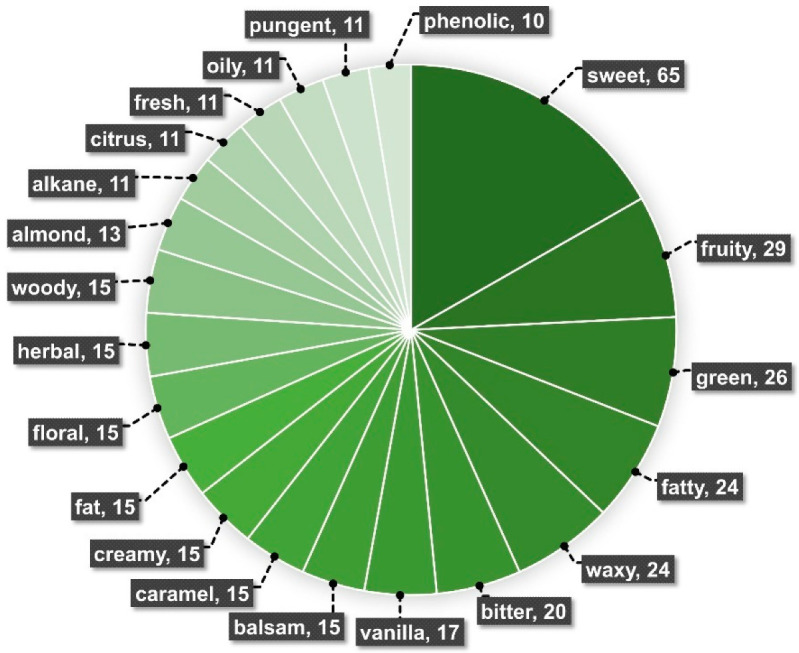
Vanilla is a worldwide cherished condiment, and its volatile market is associated with the so-called "vanilla crisis". Even though only two species (Vanilla planifolia and V. × tahitensis) are cultivated on a large scale for commercial purposes, the Vanilla genus is comprised of 140 species. The present review article discusses the facets of this crisis, and vanilla crop wild relatives (WRs) are showcased as alternatives to overcome them. Historical, taxonomic, and reproductive biology aspects of the group were covered. Emphasis was given to the metabolic characterization of the vanilla crop WRs, highlighting their main chemical classes and the potential flavor descriptors. Many of these species can produce important flavor compounds such as vanillin, vanillic acid, and acetovanillone, among others. Overall, this review compiles valuable information that can help unravel new chapters of the history of this treasured product by evidencing the biotechnological potential of vanilla crop WRs.
Keywords: Orchidaceae; flavor; food; fruits; phytochemistry.
Conflict of interest statement
The authors declare no conflict of interest.
Figures


References
-
- Gallage N.J., Møller B.L. Vanilla: The Most Popular Flavour. In: Schwab W., Lange B.M., Wüst M., editors. Biotechnology of Natural Products. Springer International Publishing; Cham, Switzerland: 2018. pp. 3–24.
-
- Karremans A.P., Chinchilla I.F., Rojas-Alvarado G., Cedeño-Fonseca M., Damián A., Léotard G. A Reappraisal of Neotropical Vanilla. With a Note on Taxonomic Inflation and the Importance of Alpha Taxonomy in Biological Studies. Lankesteriana. 2020;20:395–497. doi: 10.15517/lank.v20i3.45203. - DOI
-
- Fraga C.N.D., Couto D.R., Pansarin E.R. Two New Species of Vanilla (Orchidaceae) in the Brazilian Atlantic Forest. Phytotaxa. 2017;296:63. doi: 10.11646/phytotaxa.296.1.4. - DOI
-
- Andriamihaja C.F., Ramarosandratana A.V., Grisoni M., Jeannoda V., Besse P. The Leafless Vanilla Species-Complex from the South-West Indian Ocean Region: A Taxonomic Puzzle and a Model for Orchid Evolution and Conservation Research. Diversity. 2020;12:443. doi: 10.3390/d12120443. - DOI
-
- Ranadive A.S. Vanillin and Related Flavor Compounds in Vanilla Extracts Made from Beans of Various Global Origins. J. Agric. Food Chem. 1992;40:1922–1924. doi: 10.1021/jf00022a039. - DOI
Publication types
Grants and funding
- 88887.685726/2022-00/Coordenação de Aperfeicoamento de Pessoal de Nível Superior
- 88887.685735/2022-00 CAPES 001/Coordenação de Aperfeicoamento de Pessoal de Nível Superior
- INOVA-UNIRIO no. 01/2021/Federal University of the State of Rio de Janeiro
- PPQ-UNIRIO no. 03/2022/Federal University of the State of Rio de Janeiro
LinkOut - more resources
Full Text Sources
