


Effectiveness of Quinolone Prophylaxis in Pediatric Acute Leukemia and Hematopoietic Stem Cell Transplantation: A Systematic Review and Meta-analysis
- PMID: 36504701
- PMCID: PMC9728521
- DOI: 10.1093/ofid/ofac594
Effectiveness of Quinolone Prophylaxis in Pediatric Acute Leukemia and Hematopoietic Stem Cell Transplantation: A Systematic Review and Meta-analysis
Abstract
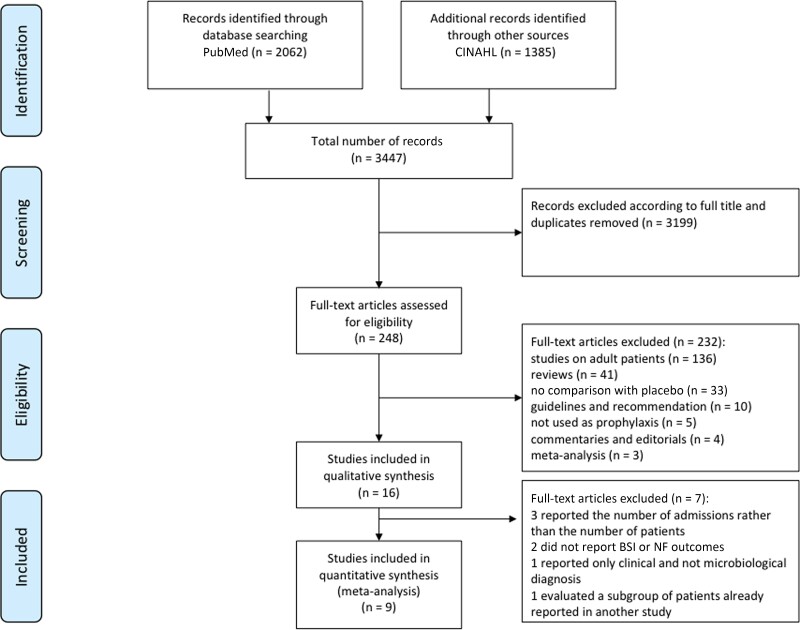
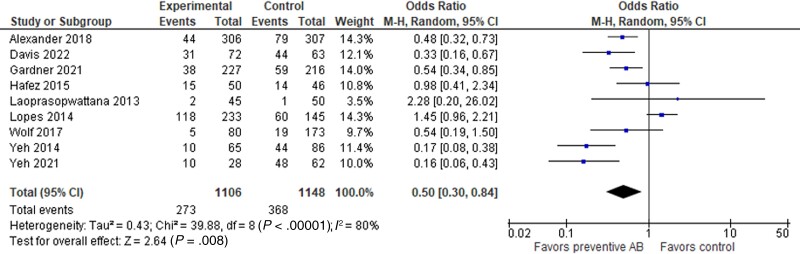
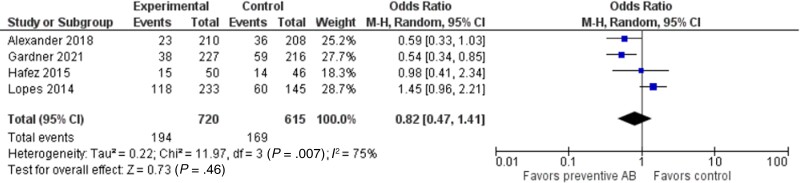
The effectiveness of quinolone prophylaxis in high-risk hematological pediatric patients is controversial. A systematic review was performed according to Preferred Reporting Items for Systematic Reviews and Meta-Analyses guidelines, including studies that involved children and young adults undergoing chemotherapy for acute leukemia or hematopoietic stem cell transplantation (HSCT) who received quinolone prophylaxis compared with no prophylaxis. A meta-analysis was performed on bloodstream infections and neutropenic fever. Data regarding the impact of prophylaxis on overall survival, antibiotic exposure, antibiotic-related adverse effects, antibiotic resistance, Clostridium difficile infections, fungal infections, length of hospitalization, and costs were reviewed in the descriptive analysis. Sixteen studies were included in the qualitative analysis, and 10 of them met the criteria for quantitative analysis. Quinolone prophylaxis was effective in reducing the rate of bloodstream infections and neutropenic fever in pediatric acute leukemia compared with no prophylaxis, but it had no significant effect in HSCT recipients. Prophylaxis was associated with a higher rate of bacterial resistance to fluoroquinolones and higher antibiotic exposure.
Keywords: acute leukemia; meta-analysis; pediatric; quinolone prophylaxis; stem cell transplantation.
© The Author(s) 2022. Published by Oxford University Press on behalf of Infectious Diseases Society of America.
Figures



References
-
- Lehrnbecher T, Robinson P, Fisher B, et al. Guideline for the management of fever and neutropenia in children with cancer and hematopoietic stem-cell transplantation recipients: 2017 update. J Clin Oncol 2017; 35:2082–94. - PubMed
-
- Ibrahim KY, Pierrotti LC, Freire MP, et al. Health care-associated infections in hematology-oncology patients with neutropenia: a method of surveillance. Am J Infect Control 2013; 41:1131–3. - PubMed
-
- Sung L, Lange BJ, Gerbing RB, Alonzo TA, Feusner J. Microbiologically documented infections and infection-related mortality in children with acute myeloid leukemia. Blood 2007; 110:3532–39. - PubMed
-
- Gafter-Gvili A, Fraser A, Paul M, et al. Antibiotic prophylaxis for bacterial infections in afebrile neutropenic patients following chemotherapy. Cochrane Database Syst Rev 2012; 1:CD004386. - PubMed
Publication types
LinkOut - more resources
Full Text Sources
Miscellaneous
