


The role of PPARγ in prostate cancer development and progression
- PMID: 36510001
- PMCID: PMC10006070
- DOI: 10.1038/s41416-022-02096-8
The role of PPARγ in prostate cancer development and progression
Abstract
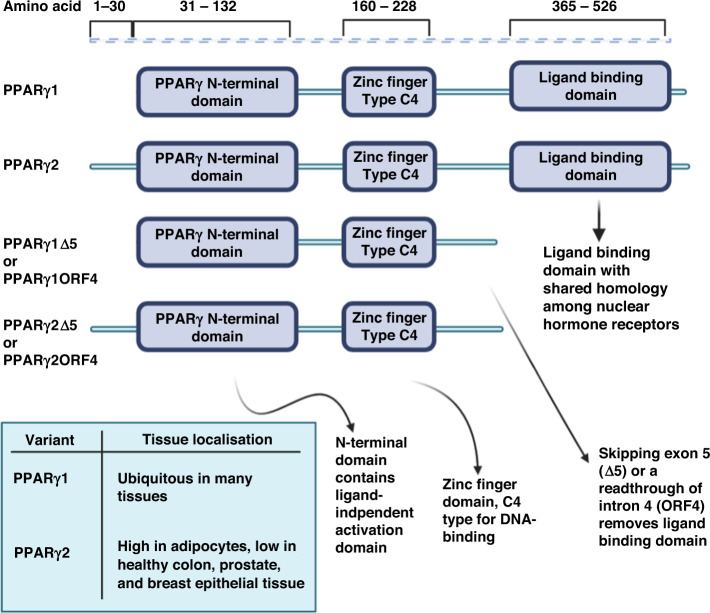
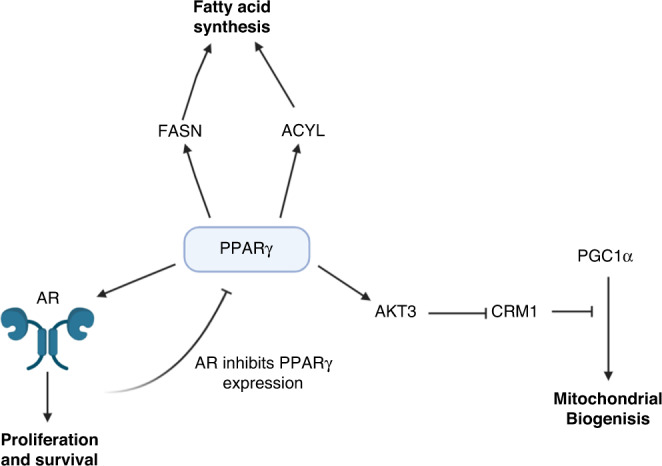
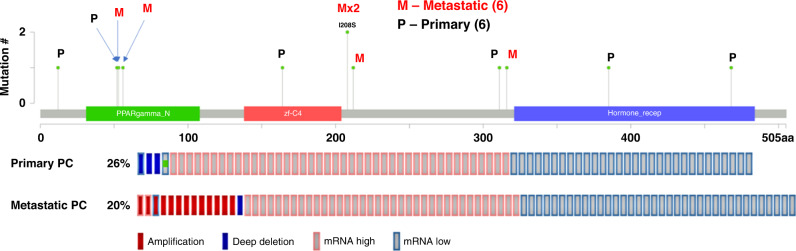
Advanced and metastatic prostate cancer is often incurable, but its dependency on certain molecular alterations may provide the basis for targeted therapies. A growing body of research has demonstrated that peroxisome proliferator-activated receptor gamma (PPARγ) is amplified as prostate cancer progresses. PPARγ has been shown to support prostate cancer growth through its roles in fatty acid synthesis, mitochondrial biogenesis, and co-operating with androgen receptor signalling. Interestingly, splice variants of PPARγ may have differing and contrasting roles. PPARγ itself is a highly druggable target, with agonists having been used for the past two decades in treating diabetes. However, side effects associated with these compounds have currently limited clinical use of these drugs in prostate cancer. Further understanding of PPARγ and novel techniques to target it, may provide therapies for advanced prostate cancer.
© 2022. The Author(s).
Conflict of interest statement
The authors declare no competing interests.
Figures
References
Publication types
MeSH terms
Substances
Grants and funding
LinkOut - more resources
Full Text Sources
Medical
Miscellaneous
