. 2022 Dec;28(12):2584-2591.
doi: 10.1038/s41591-022-02094-6. Epub 2022 Dec 16.

Germline variants associated with toxicity to immune checkpoint blockade

Affiliations

Germline variants associated with toxicity to immune checkpoint blockade

Stefan Groha et al. Nat Med. 2022 Dec.

Abstract

Immune checkpoint inhibitors (ICIs) have yielded remarkable responses but often lead to immune-related adverse events (irAEs). Although germline causes for irAEs have been hypothesized, no individual variant associated with developing irAEs has been identified. We carried out a genome-wide association study of 1,751 patients on ICIs across 12 cancer types. We investigated two irAE phenotypes: (1) high-grade (3-5) and (2) all-grade events. We identified 3 genome-wide significant associations (P < 5 × 10⁻⁸) in the discovery cohort associated with all-grade irAEs: rs16906115 near IL7 (combined P = 3.6 × 10⁻¹¹; hazard ratio (HR) = 2.1); rs75824728 near IL22RA1 (combined P = 3.5 × 10⁻⁸; HR = 1.8); and rs113861051 on 4p15 (combined P = 1.2 × 10⁻⁸, HR = 2.0); rs16906115 was replicated in 3 independent studies. The association near IL7 colocalized with the gain of a new cryptic exon for IL7, a critical regulator of lymphocyte homeostasis. Patients carrying the IL7 germline variant exhibited significantly increased lymphocyte stability after ICI initiation, which was itself predictive of downstream irAEs and improved survival.


Conflict of interest statement

Competing interests

D.A.B. reports nonfinancial support from Bristol Myers Squibb, honoraria from LM Education/Exchange Services and personal fees from MDedge, Exelixis, Octane Global, Defined Health, Dedham Group, Adept Field Solutions, Slingshot Insights, Blueprint Partnerships, Charles River Associates, Trinity Group and Insight Strategy, outside of the submitted work. K.K. reports receiving honoraria from IBM and Roche. M.M.A. reports grants and personal fees from Genentech, grants and personal fees from Bristol Myers Squibb, personal fees from Merck, grants and personal fees from AstraZeneca, grants from Lilly and personal fees from Maverick, Blueprint Medicine, Syndax, Ariad, Nektar, Gritstone, ArcherDX, Mirati, NextCure, Novartis, EMD Serono and Panvaxal/NovaRx, outside the submitted work. O.R. reports research support from Merck. He is speaker for activities supported by educational grants from Bristol Myers Squibb and Merck; consultant for Merck, Celgene, Five Prime, GSK, Bayer, Roche/Genentech, Puretech, Imvax, Sobi and Boehringer Ingelheim; and has a patent pending for ‘Methods of using pembrolizumab and trebananib’. S.A.S. reports nonfinancial support from Bristol Myers Squibb and equity in Agenus, Agios Pharmaceuticals, Breakbio Corp., Bristol Myers Squibb and Lumos Pharma. T.K.C. reports research/advisory board/consultancy/honoraria (institutional and personal, paid and unpaid) from AstraZeneca, Aveo, Bayer, Bristol Myers Squibb, Eisai, EMD Serono, Exelixis, GSK, IQVA, Ipsen, Kanaph, Lilly, Merck, Nikang, Novartis, Pfizer, Roche, Sanofi/Aventis and Takeda, Tempest; travel, accommodation, expenses and medical writing in relation to consulting, advisory roles or honoraria; stock options in Pionyr, Tempest, Osel and Recede Bio; UpToDate royalties for CME-related events (for example, OncLive, PVI, MJH Life Sciences) honoraria; National Cancer Institute Genitourinary Steering Committee, American Society of Clinical Oncology and European Society of Medical Oncology; patents filed, royalties or other intellectual property (no income as of current date) related to biomarkers of immune checkpoint blockers and circulating tumor DNA. Z.B. reports research support from the imCORE Network on behalf of Genentech and Bristol Myers Squibb and honoraria from UpToDate. A.G., T.K.C. and M.L.F. are inventors on a patent related to germline predictors of irAEs. The other authors declare no competing interests.

Figures
Extended Data Fig. 1 |
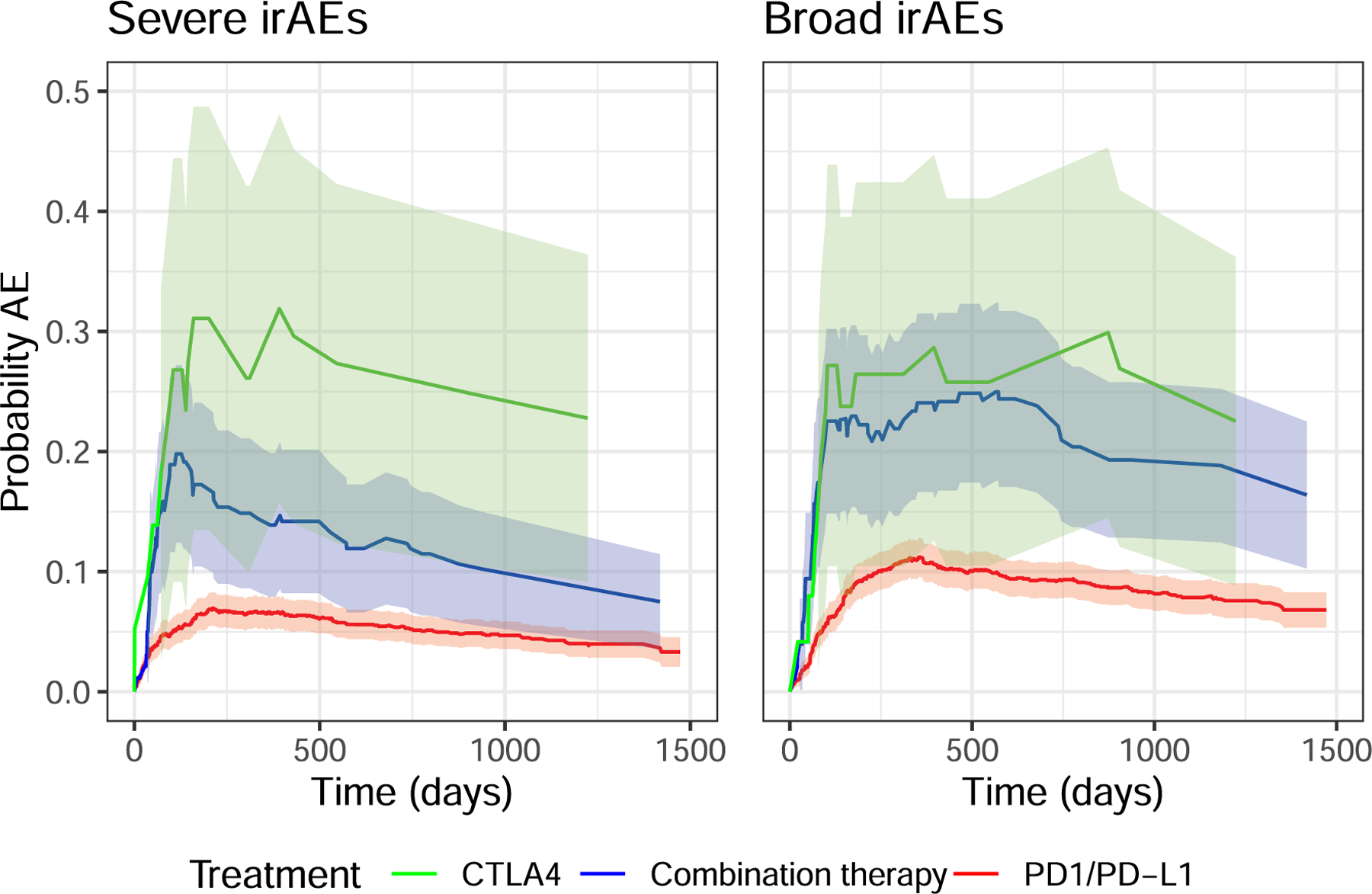
Extended Data Fig. 1 |. Probability of irAE by treatment class.
Probability of patients experiencing high-grade irAEs (a) or all-grade irAEs (b) stratified by therapy class. The difference between CTLA4 and combination therapy was not statistically significant in a log-rank test of the equivalent Kaplan-Meier estimator (p = 0.39 all-grade, p = 0.68 high-grade). The shaded areas correspond to 95% confidence intervals.
Extended Data Fig. 2 |
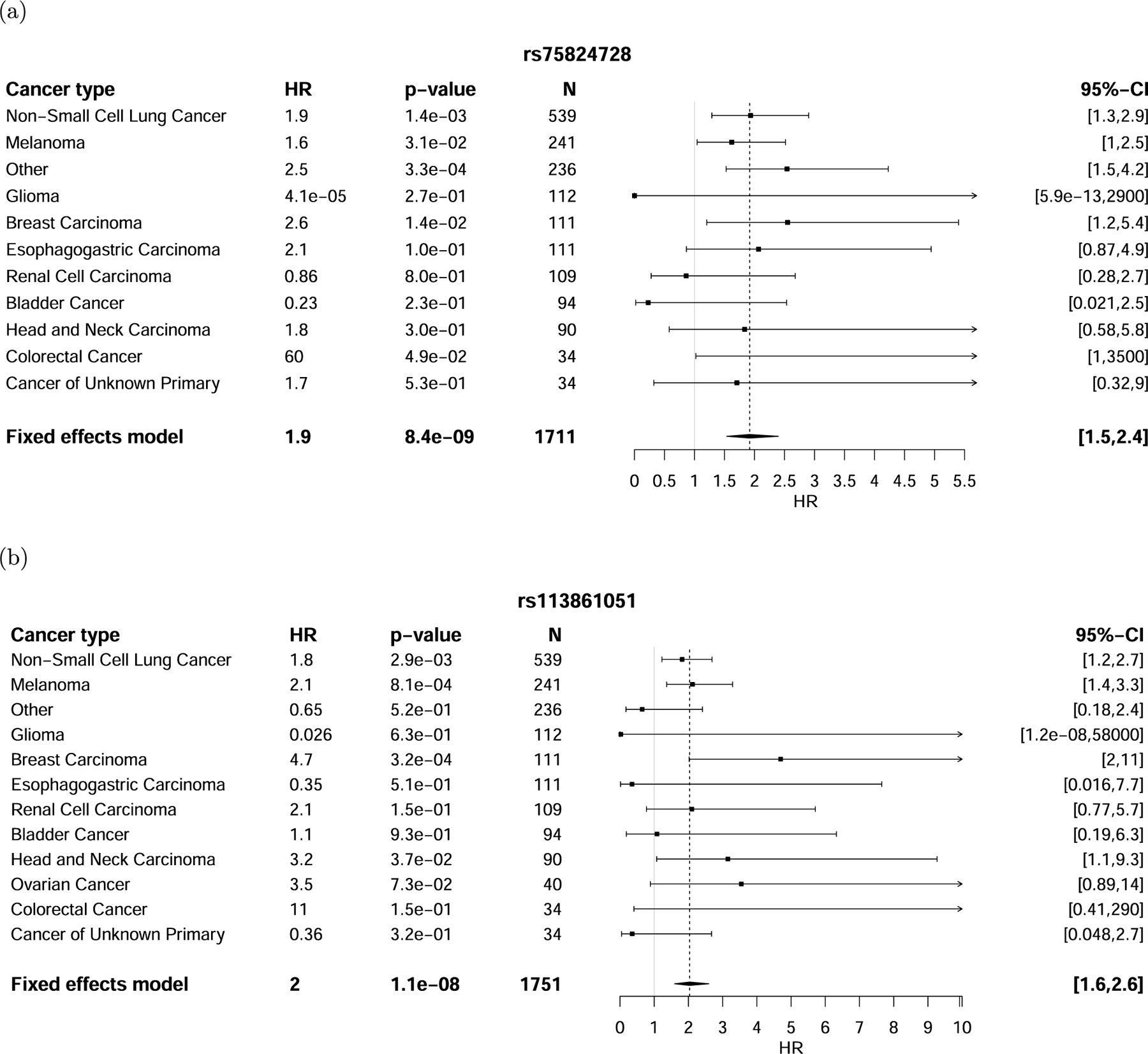
Extended Data Fig. 2 |. Discovery associations of locus near IL22RA1 and 4p15.
Discovery associations with rs75824728 (a) and rs113861051 (b) stratified by cancer type. The error bars correspond to the 95% confidence interval around the mean effect size. Significance was obtained from a two-sided Wald test.
Extended Data Fig. 3 |
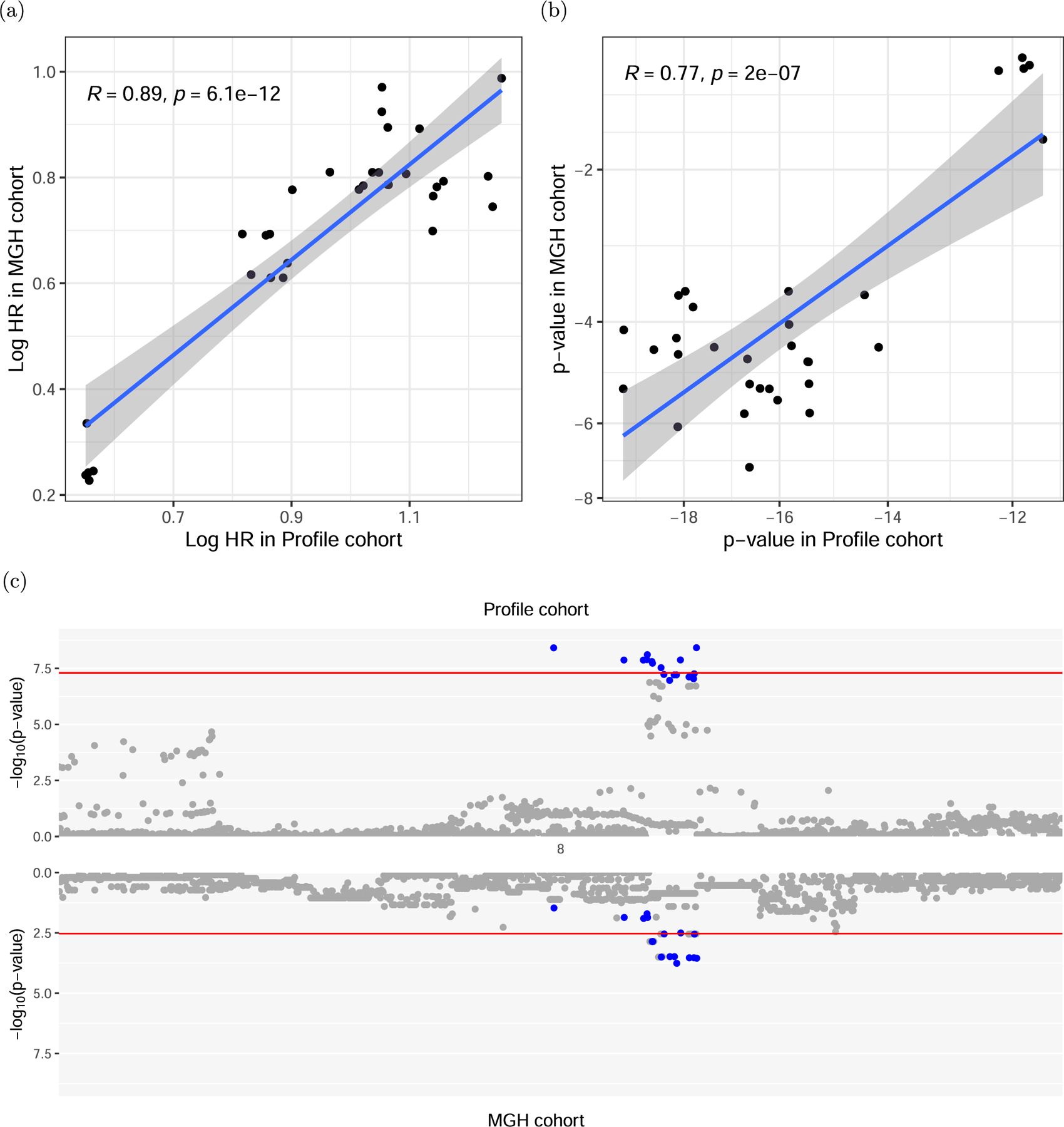
Extended Data Fig. 3 |. Agreement between discovery cohort and MGH cohort at IL7 locus.
(a) Logarithmic hazard rates (effect sizes) and (b) p-values for association in the discovery DFCI cohort and the MGH cohort for the 8q21 locus, restricted to suggestive significant associations in the discovery cohort (p < 1.0 × 10⁻⁵). The shaded area of the linear fit corresponds to the 95% confidence interval. Significance was tested using a two-sided t-test on the Pearson correlations. (c) Comparison of the association strengths of variants around the top association locus in DFCI and MGH. The 95% credible set in the DFCI cohort is colored in blue. The upper red line signifies genome wide significance, the lower red line bonferroni corrected significance for SNPs tested in the MGH cohort.
Extended Data Fig. 4 |
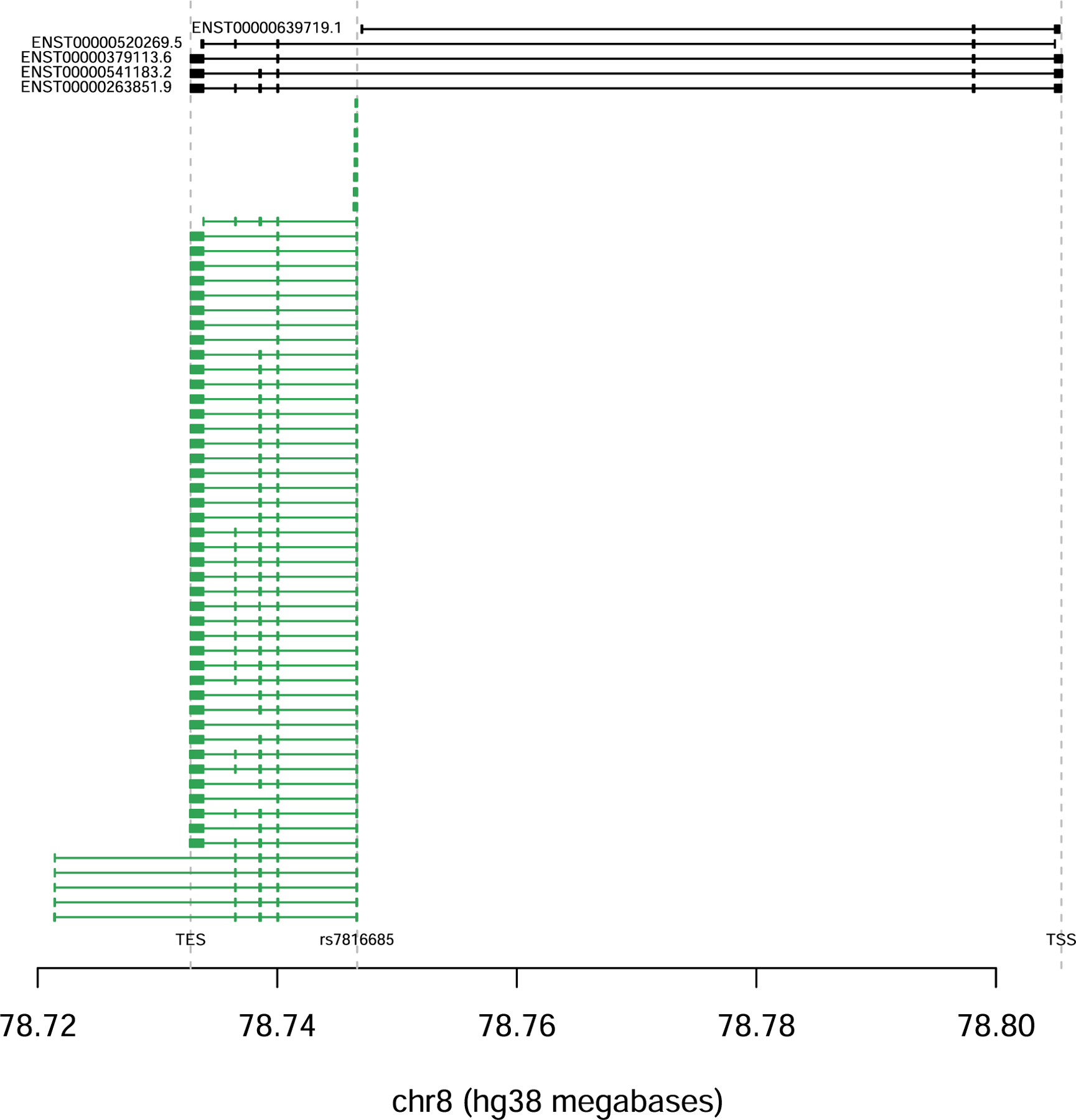
Extended Data Fig. 4 |. De novo isoform reconstruction using Cufflinks.
De novo isoform reconstruction using Cufflinks. There is a novel transcript spanning chr8:78732772–78746671, which initiates at rs7816685 and is highly specific to carriers.
Extended Data Fig. 5 |
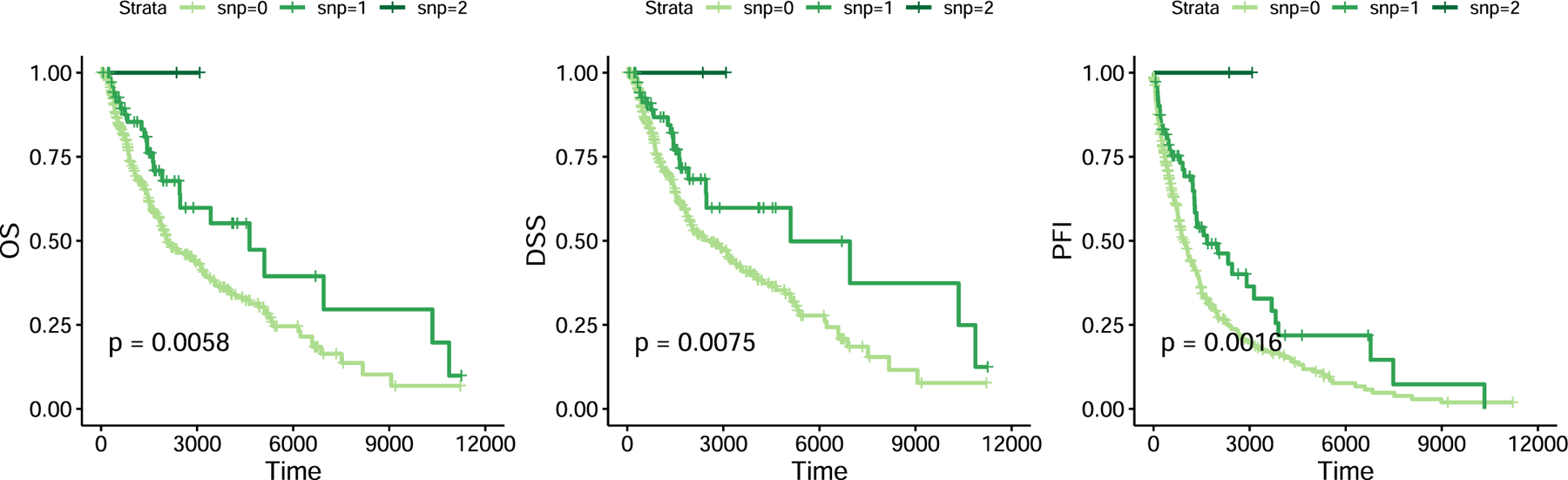
Extended Data Fig. 5 |. Response and overall survival in TCGA Melanoma for carriers and non-carriers of rs16906115.
Response and overall survival in TCGA Melanoma for carriers and non-carriers of rs16906115. Significance was obtained using a log-rank test.
Extended Data Fig. 6 |
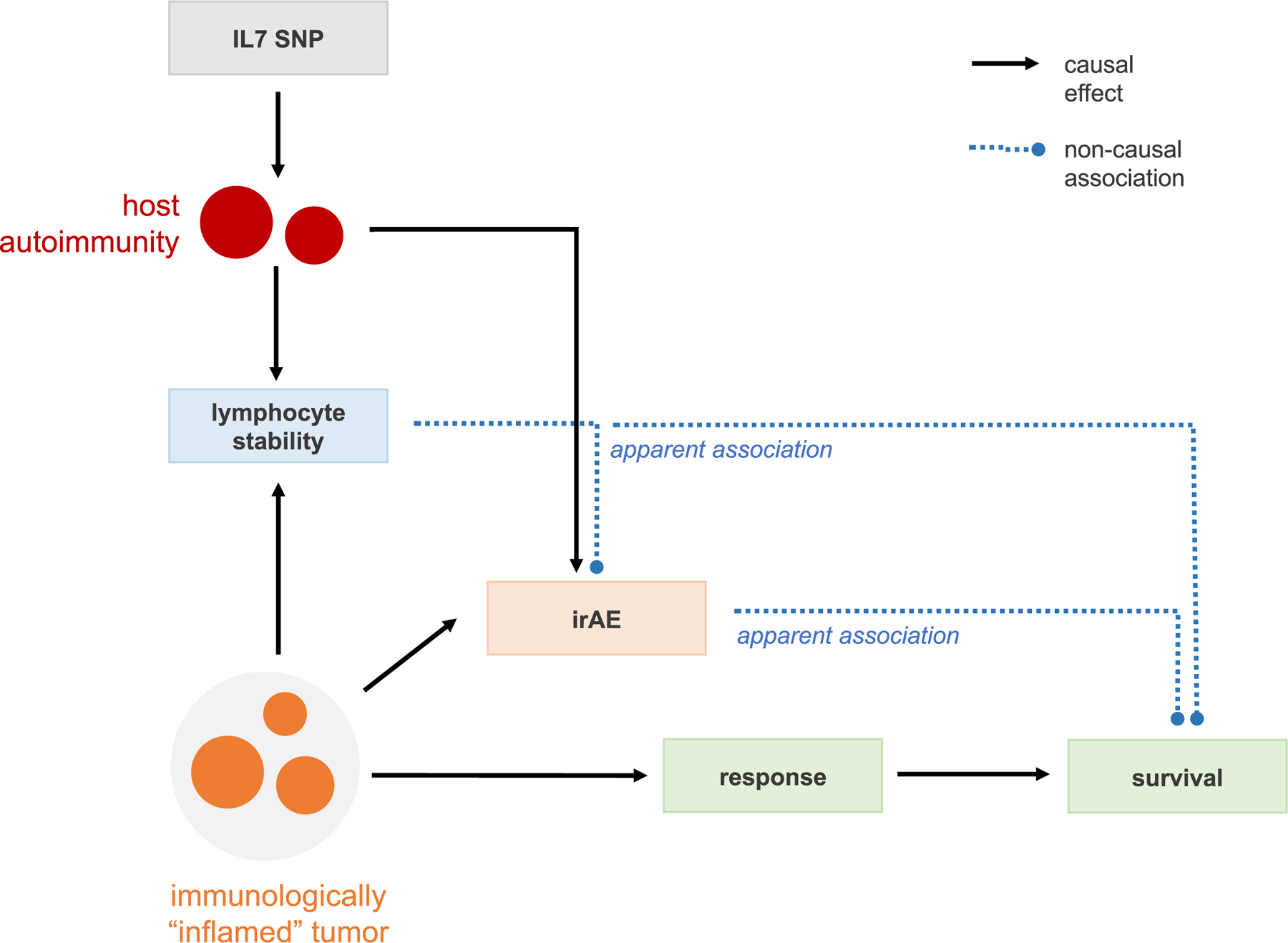
Extended Data Fig. 6 |. Hypothesized mechanistic schematic.
Hypothesized schematic of how lymphocyte stability is a marker of an active host immunity with down-stream effects on both overall survival through better anti-tumor response, as well as higher rate of irAE due to increased auto-immunity.
Fig. 1 |
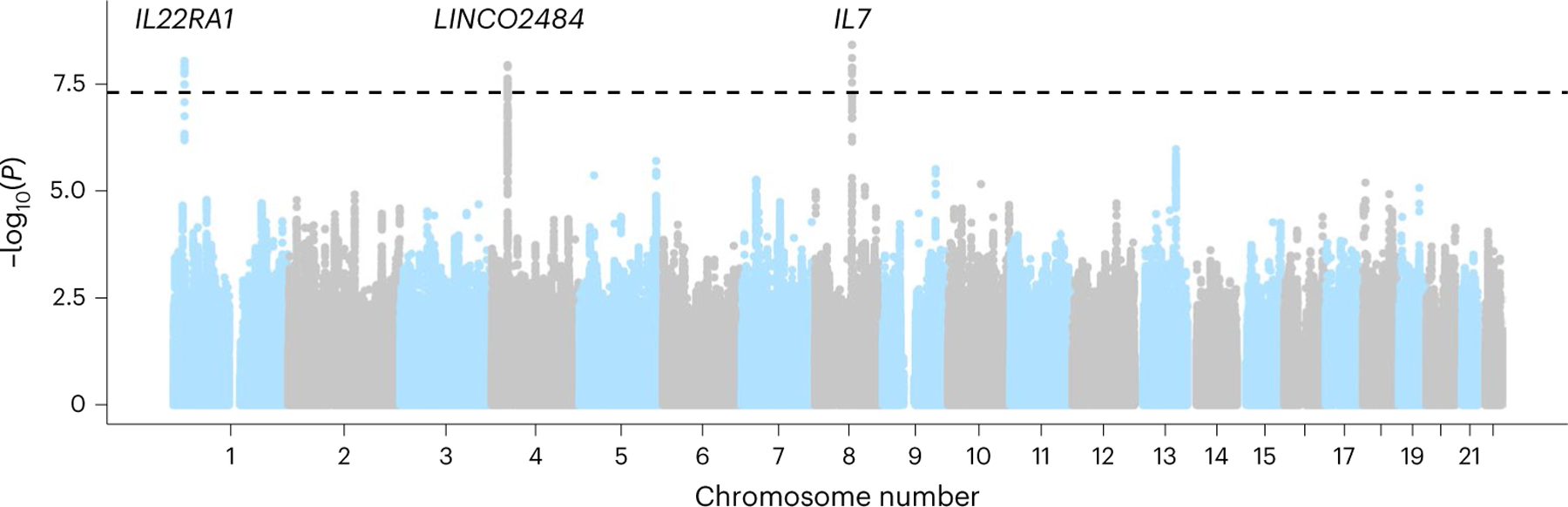
Fig. 1 |. Manhattan plot of irAE GWAS associations.
Associations in the DFCI discovery cohort for all-grade irAEs. Each dot represents an associated SNP, with position of the SNP (x axis) and P value of the association (y axis, −log10 scale). We found three genome-wide significant associations, indicated by associations exceeding the dashed line at P = 5 × 10⁻⁸.
Fig. 2 |
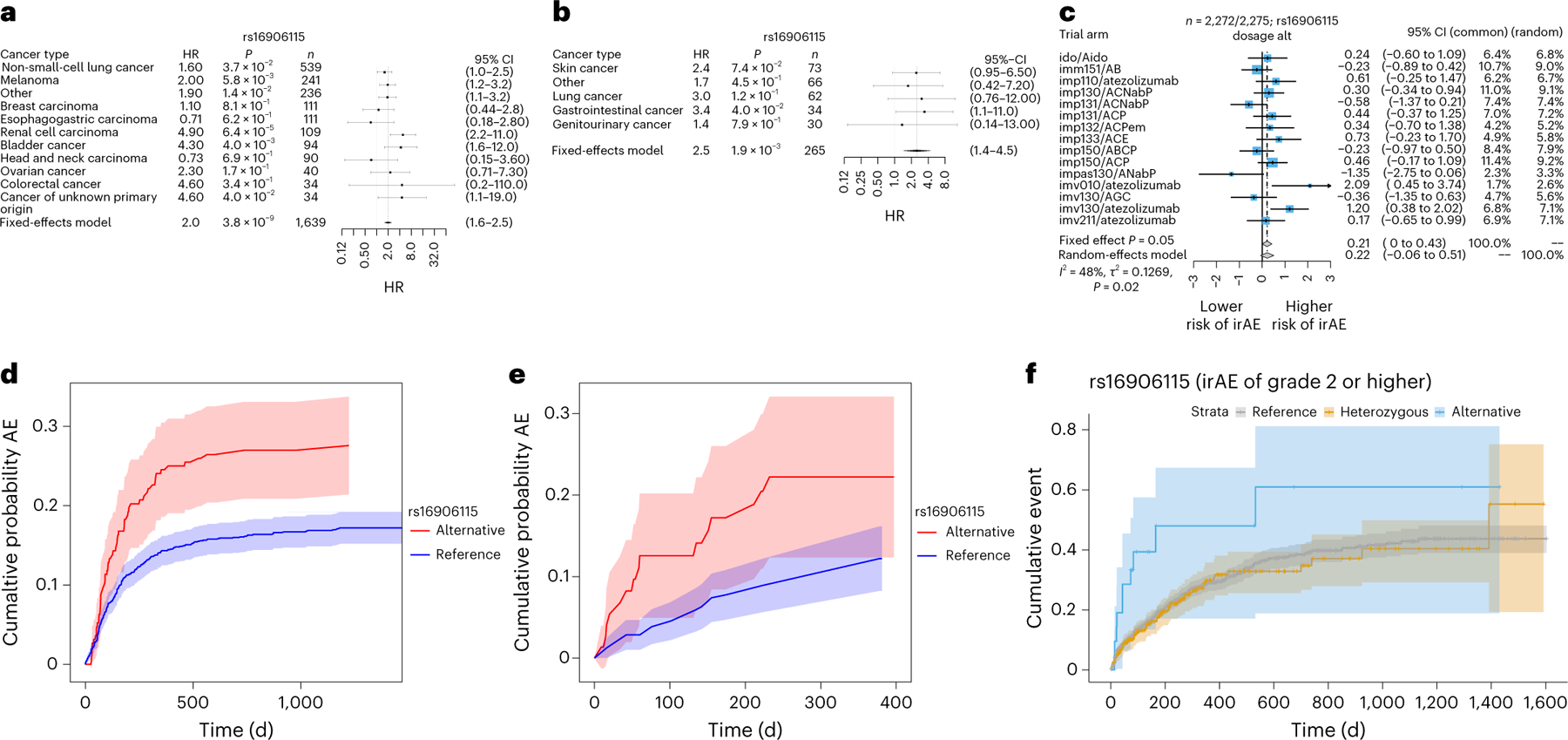
Fig. 2 |. Discovery associations and replication in MGH and CT cohorts.
ac, Forrest plot of genome-wide significant association (reference dosage for allele G) with all-grade irAEs at 8q21 in the Profile cohort (glioma did not converge due to the low number of events and was therefore excluded) (a), MGH cohort (b) and CT cohort (c). The error bars correspond to the 95% confidence interval (CI) around the mean effect size. Significance was obtained from a two-sided Wald test. df, Nonparametric Aalen–Johansen estimator (Methods) for the cumulative incidence of adverse events after ICI initiation stratified on SNP dosage in the DFCI discovery cohort (d), MGH replication cohort (e) and using a Kaplan–Meier estimator in the CT cohort (f). The shaded areas correspond to the 95% CIs.
Fig. 3 |
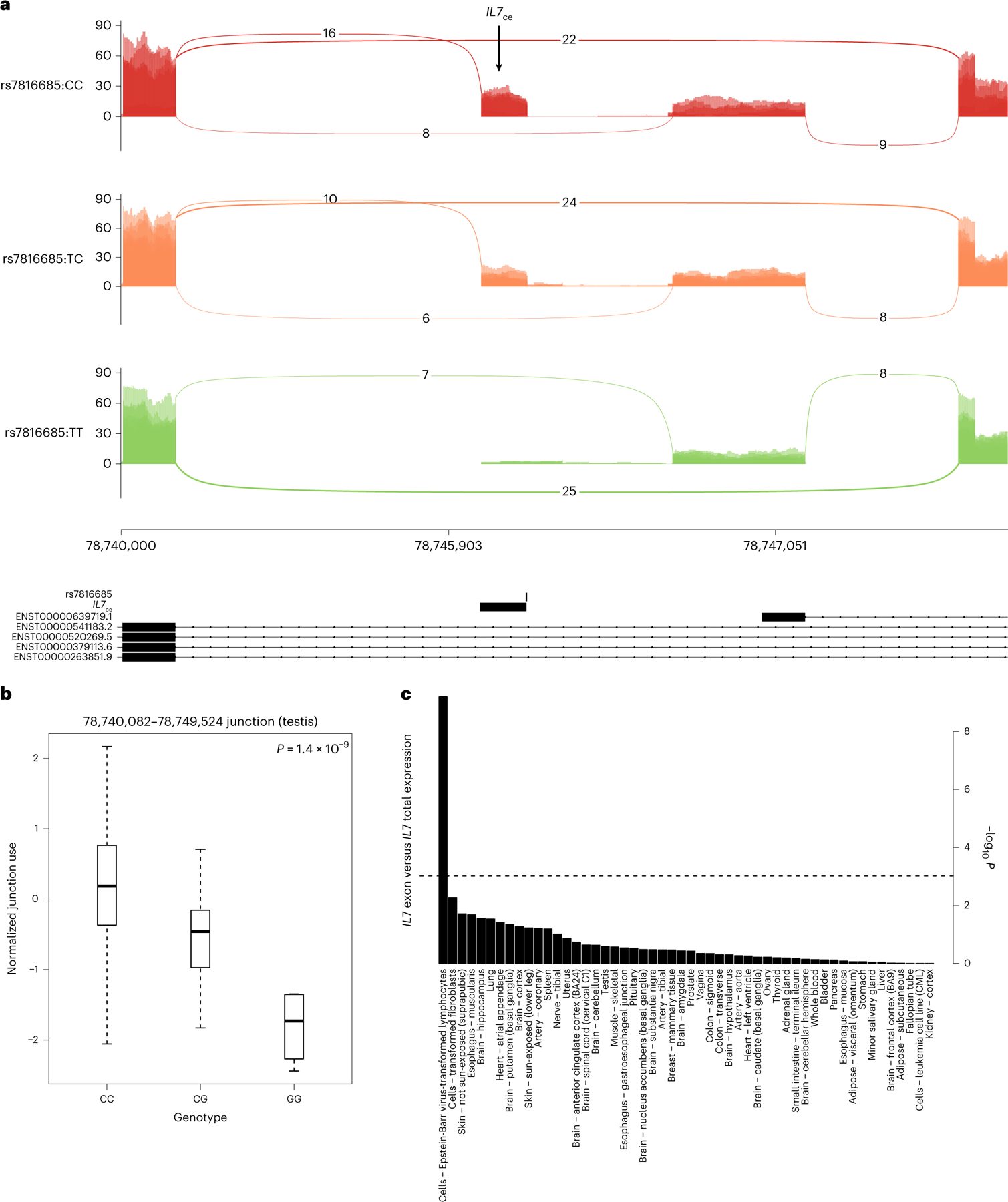
Fig. 3 |. IL7 SNP effect cryptic exon activity in GTEx data.
a, Sashimi plot of alternative splicing of IL7 stratified on the lead splice QTL, with the putative causal variant shown below and the cryptic exon highlighted (IL7ce). b, Cryptic exon activity stratified by lead splice QTL genotype (n = 322). c, Significance of coexpression of IL7 and IL7ce across GTEx tissues (Pearson correlation). Significance was obtained from linear regression (two-sided t-test). For the box plot, the bounds of the boxes are the 25th and 75th percentiles around the median; the minima and maxima of the whiskers correspond to 1.5× the interquartile range (IQR), additional points further from the median are shown as outliers.
Fig. 4 |
Fig. 4 |. IL7 SNP effect on lymphocyte homeostasis in patients on ICIs.
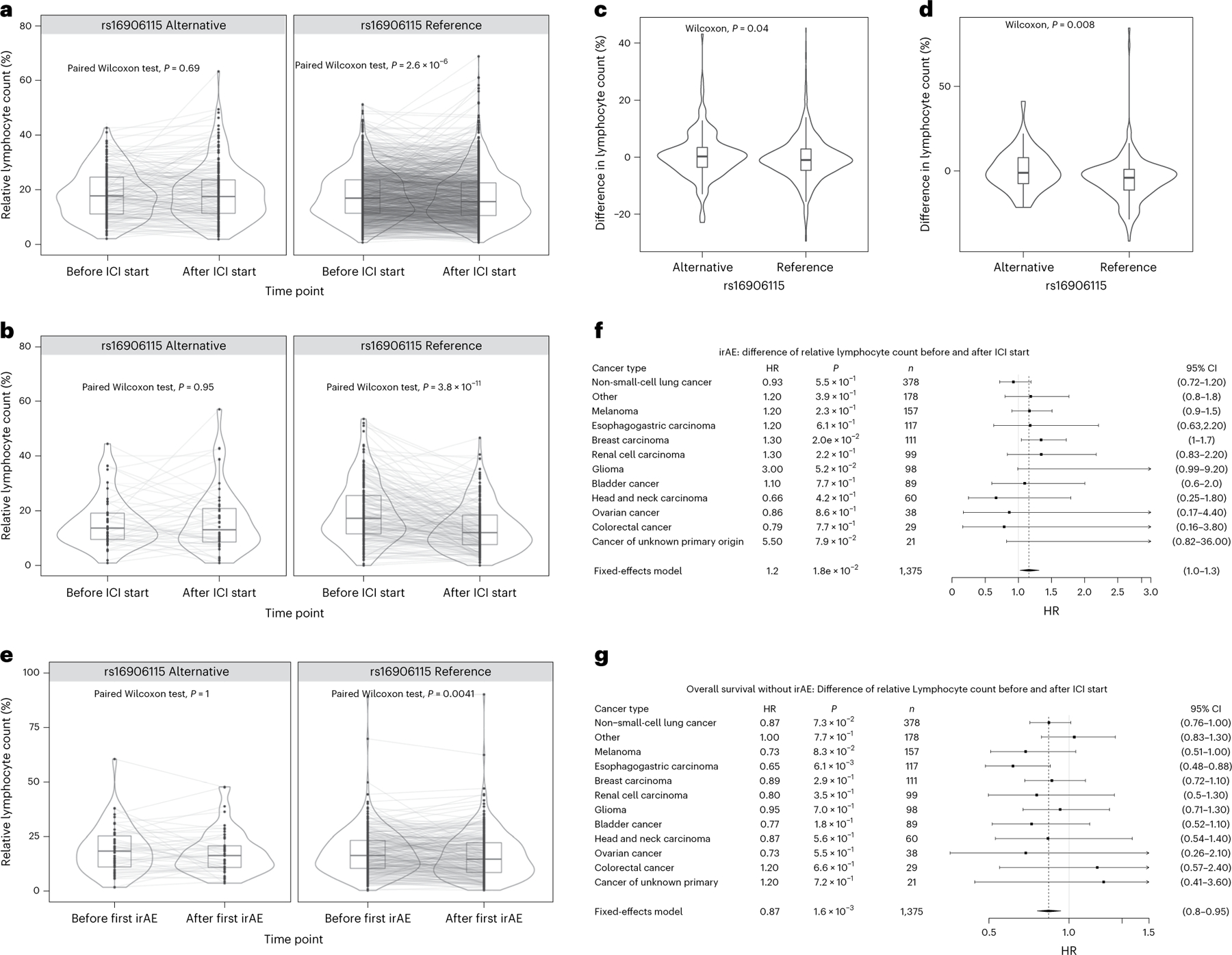
ae, Lymphocyte counts (percentage of total number of circulating leukocytes) up to 30 d before and after ICI initiation for cases and controls. Two-sided paired Wilcoxon test between time points in carriers and noncarriers in the DFCI (n = 1,375) (a) and MGH (n = 251) (b) cohort. Two-sided Wilcoxon test of the difference in lymphocyte counts before versus after ICI initiation between carriers and noncarriers in the Profile (n = 1,375) (c) and MGH cohort (n = 251) (d). Two-sided paired Wilcoxon test between before and after first irAE in carriers and noncarriers in the DFCI cohort (n = 337) (e). For the box plots, the bounds of the boxes are the 25th and 75th percentiles around the median; the minima and maxima of the whiskers correspond to 1.5× the IQR; additional points further from the median are shown as outliers. f,g, Association between difference in lymphocyte counts before and after ICI initiation and developing irAE (f) as well as death without an irAE (g). The error bars correspond to the 95% CI around the mean effect size. Significance was obtained with a two-sided Wald test.

Comment in

References

    1. Ribas A & Wolchok JD Cancer immunotherapy using checkpoint blockade. Science 359, 1350–1355 (2018). - PMC - PubMed
    1. June CH, Warshauer JT & Bluestone JA Corrigendum: Is autoimmunity the Achilles’ heel of cancer immunotherapy? Nat. Med 23, 1004 (2017). - PubMed
    1. Esfahani K et al. Moving towards personalized treatments of immune-related adverse events. Nat. Rev. Clin. Oncol 17, 504–515 (2020). - PubMed
    1. Boutros C et al. Safety profiles of anti-CTLA-4 and anti-PD-1 antibodies alone and in combination. Nat. Rev. Clin. Oncol 13, 473–486 (2016). - PubMed
    1. Koon H & Atkins M Autoimmunity and immunotherapy for cancer. N. Engl. J. Med 354, 758–760 (2006). - PubMed

Publication types

LinkOut - more resources