


Internet delivered, non-inferiority, two-arm, assessor-blinded intervention comparing mindfulness-based stress reduction and cognitive-behavioral treatment for insomnia: a protocol study for a randomized controlled trial for nursing staff with insomnia
- PMID: 36527137
- PMCID: PMC9756716
- DOI: 10.1186/s13063-022-06986-3
Internet delivered, non-inferiority, two-arm, assessor-blinded intervention comparing mindfulness-based stress reduction and cognitive-behavioral treatment for insomnia: a protocol study for a randomized controlled trial for nursing staff with insomnia
Abstract
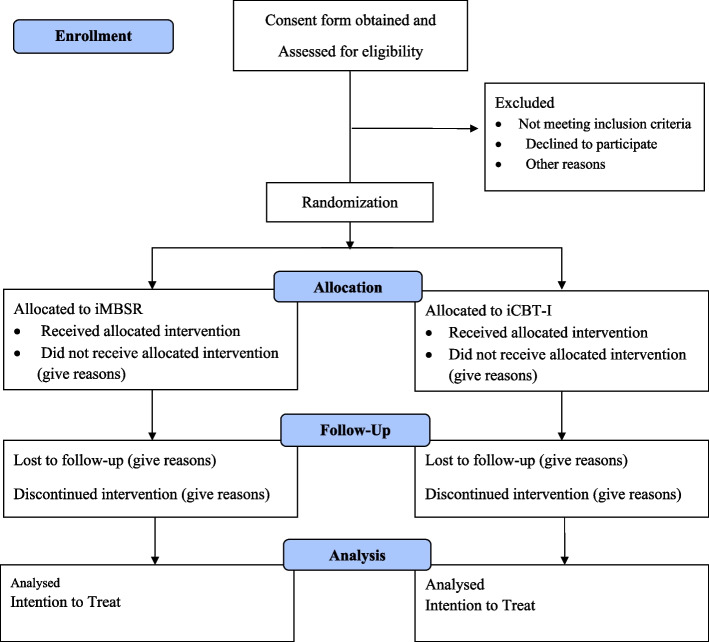
Background: Insomnia and poor sleep quality are highly prevalent conditions related to coronavirus disease 2019 (COVID-19) complications among clinical nurses. Although cognitive behavioral therapy for insomnia (CBT-I) is a first-line treatment, CBT-I suffers from several major drawbacks. This study investigates whether the application of the internet-delivered mindfulness-based stress reduction (iMBSR) intervention will produce effects that are non-inferior to the internet-delivered CBT-I (iCBT-I) intervention in reducing the severity of insomnia in clinical nurses with insomnia at the end of the study.
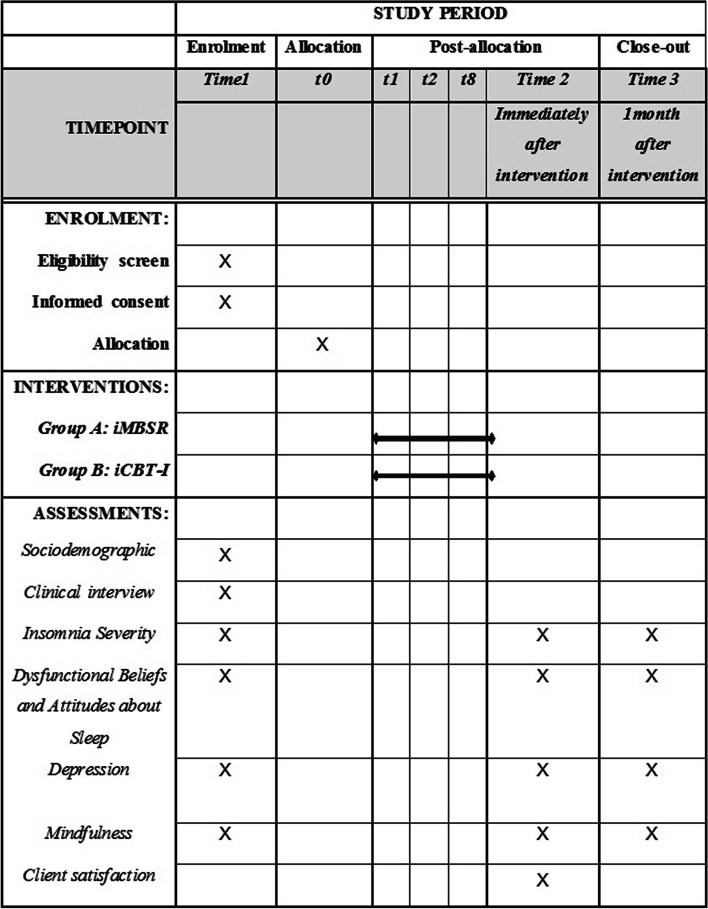
Methods: This study protocol presents an internet-delivered, parallel-groups, assessor-blinded, two-arm, non-inferiority randomized controlled trial. The primary outcome is sleep quality, assessed by the Insomnia Severity Index. Secondary outcomes include depression, dysfunctional beliefs, five facets of mindfulness, and client satisfaction.
Conclusion: It is expected that this study may address several gaps in the literature. The non-inferiority study design is a novel approach to evaluating whether a standardized, complementary treatment (i.e., MBSR) is as practical as a gold standard treatment rather than its potential benefits. This approach may lead to expanded evidence-based practice and improve patient access to effective treatments.
Trial registration: Trial registration number: ISRCTN36198096 . Registered on 24th May 2022.
Keywords: CBT-I; COVID-19; Insomnia; Internet; MBSR; Sleep disorders; Treatment.
© 2022. The Author(s).
Conflict of interest statement
The authors declare no competing interests.
Figures

References
-
- Romate J, Rajkumar E. Exploring the experiences, psychological well-being and needs of frontline healthcare workers of government hospitals in India: a qualitative study. Humanit Soc Sci Commun. 2022;9(1). 10.1057/s41599-022-01093-9.
Publication types
MeSH terms
LinkOut - more resources
Full Text Sources
Medical
