Review
. 2023 Feb:208:115371.
doi: 10.1016/j.bcp.2022.115371. Epub 2022 Dec 15.

Functions of the aryl hydrocarbon receptor (AHR) beyond the canonical AHR/ARNT signaling pathway

Affiliations
Review

Functions of the aryl hydrocarbon receptor (AHR) beyond the canonical AHR/ARNT signaling pathway

Natalie C Sondermann et al. Biochem Pharmacol. 2023 Feb.

Abstract

The aryl hydrocarbon receptor (AHR) is a ligand-dependent transcription factor regulating adaptive and maladaptive responses toward exogenous and endogenous signals. Research from various biomedical disciplines has provided compelling evidence that the AHR is critically involved in the pathogenesis of a variety of diseases and disorders, including autoimmunity, inflammatory diseases, endocrine disruption, premature aging and cancer. Accordingly, AHR is considered an attractive target for the development of novel preventive and therapeutic measures. However, the ligand-based targeting of AHR is considerably complicated by the fact that the receptor does not always follow the beaten track, i.e. the canonical AHR/ARNT signaling pathway. Instead, AHR might team up with other transcription factors and signaling molecules to shape gene expression patterns and associated physiological or pathophysiological functions in a ligand-, cell- and micromilieu-dependent manner. Herein, we provide an overview about some of the most important non-canonical functions of AHR, including crosstalk with major signaling pathways involved in controlling cell fate and function, immune responses, adaptation to low oxygen levels and oxidative stress, ubiquitination and proteasomal degradation. Further research on these diverse and exciting yet often ambivalent facets of AHR biology is urgently needed in order to exploit the full potential of AHR modulation for disease prevention and treatment.

Keywords: Aryl hydrocarbon receptor; Immune response; Non-canonical signaling; Signal transduction; Transcription factor; Ubiquitination.


Conflict of interest statement

Declaration of Competing Interest The authors declare that they have no known competing financial interests or personal relationships that could have appeared to influence the work reported in this paper.

Figures
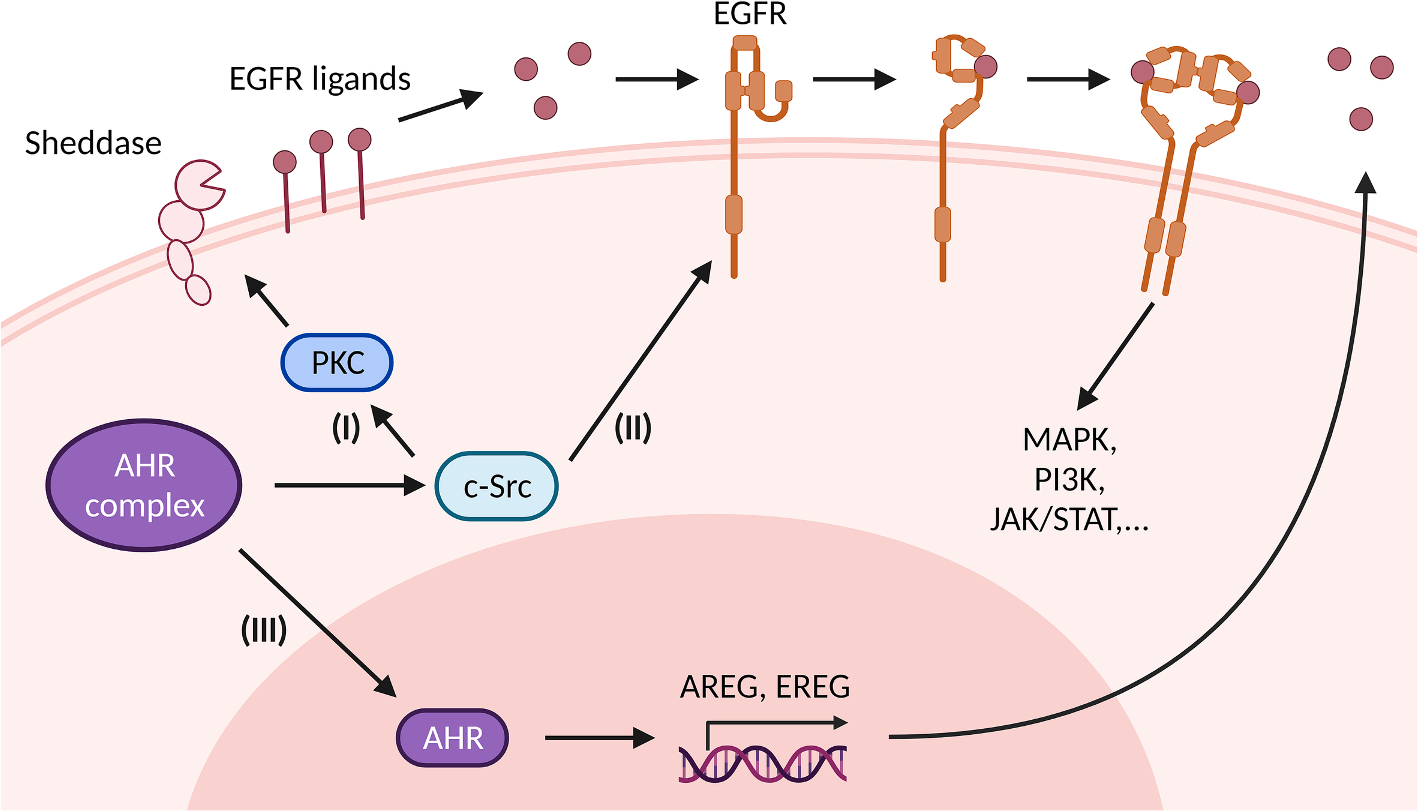
Fig. 1.
Fig. 1.. Ligand-activated AHR activates EGFR and downstream signaling.
The ligand-driven dissociation of AHR complex leads to the release of c-Src which can (I) directly activate the epidermal growth factor receptor (EGFR) by phosphorylating its intracellular domain, and (II) sequentially activate protein kinase C (PKC) and sheddases resulting in ectodomain shedding of cell surface-bound EGFR ligands. In addition, nuclear AHR transactivates genes encoding EGFR ligands, such as amphiregulin (AREG) and epiregulin (EREG) (III). Independently from its mode of activation, i.e. ligand-binding or intracellular phosphorylation, the EGFR monomer changes its conformation from tethered to untethered and forms a hetero- or homodimer leading to activation of downstream signaling pathways like MAPK, PI3K or JAK/STAT.
Fig. 2.
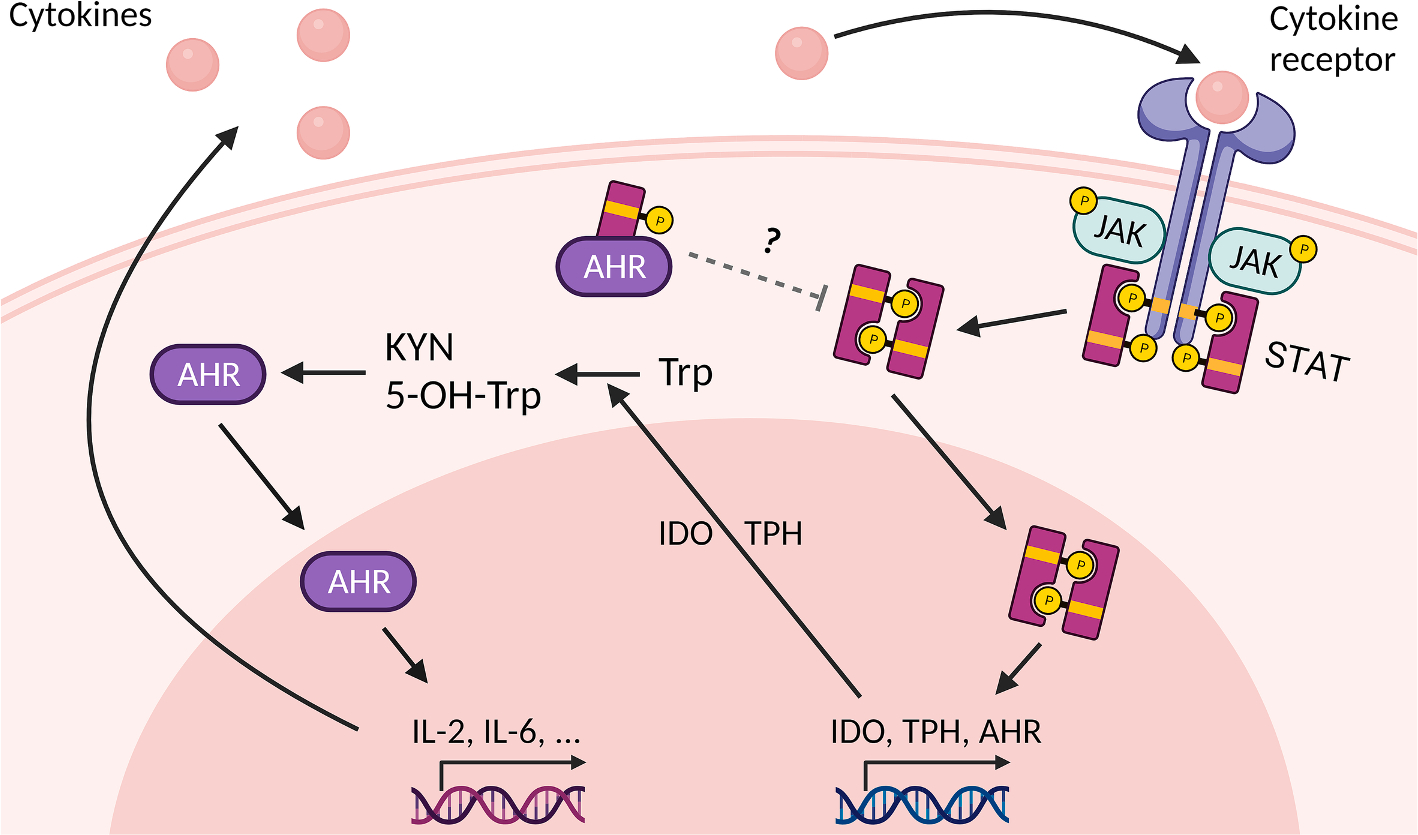
Fig. 2.. Crosstalk of JAK/STAT and AHR.
AHR and the signal transducer and activator of transcription (STAT) can induce and repress each other. The phosphorylated STAT forms a dimer which can translocate into the nucleus and induce transcription of target genes including AHR, indoleamine 2,3-dioxygenase (IDO) and tryptophan hydroxylase (TPH). IDO and TPH catalyze the metabolism of tryptophan (Trp) into kynurenine (KYN) and 5-OH-Trp, respectively, which can serve as AHR agonists. AHR activation leads to expression of several cytokines, e.g. IL-2 and IL-6, which bind to cytokine receptors and thereby stimulate the sequential phosphorylation of Janus kinases (JAK) and STATs resulting in the release of STATs from the cell surface receptor. Interestingly, AHR can also form a cytosolic heterodimer with a phosphorylated STAT molecule, i.e. STAT, which is thought to repress the formation and nuclear translocation of the phosphorylated STAT dimer.
Fig. 3.
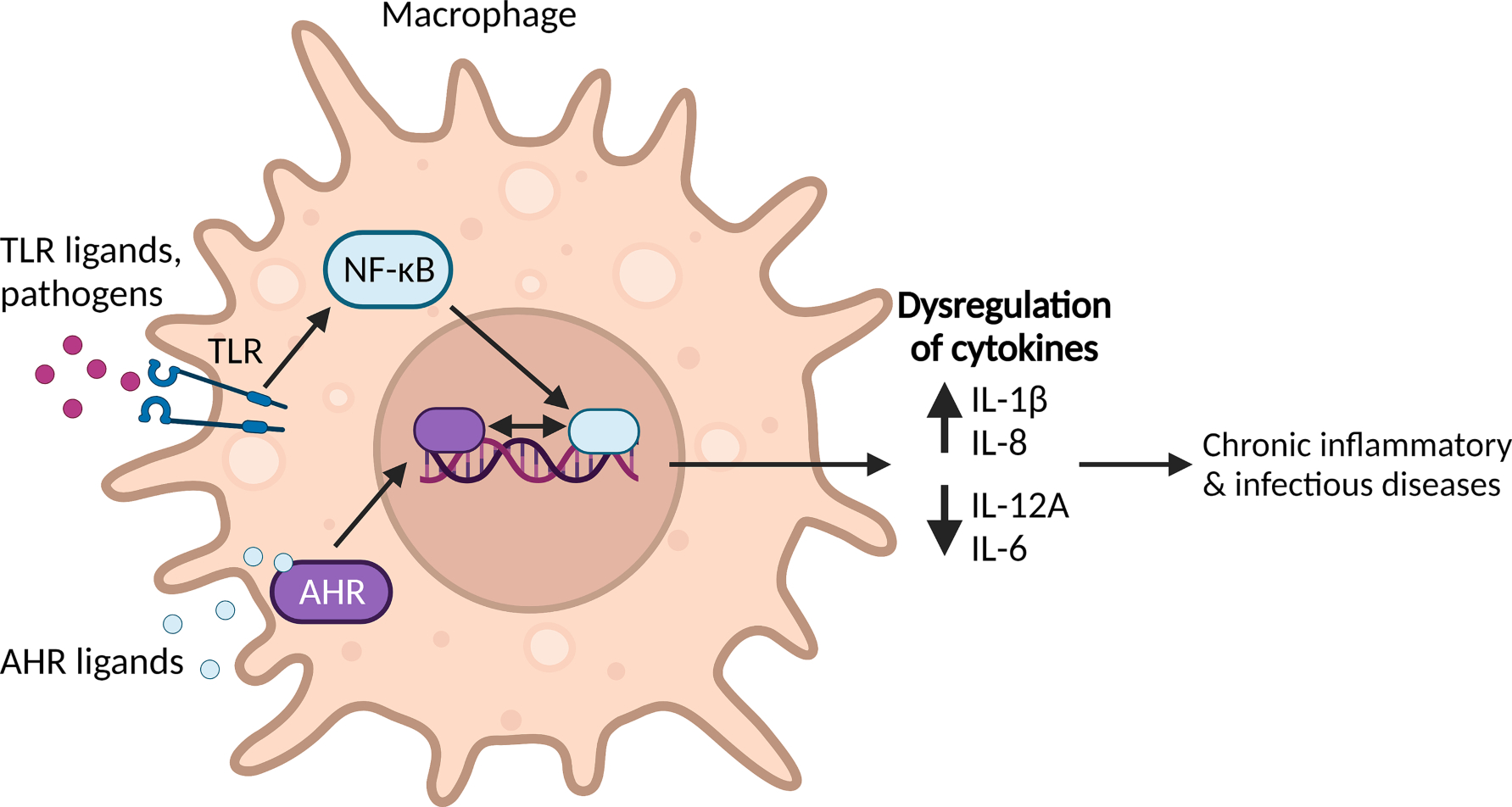
Fig. 3.. Dysregulation of Toll-like receptor responses through AHR signaling.
In the macrophage, interaction between AHR and nuclear factor kappa-light-chain-enhancer of activated B cells (NF-κB) can regulate immune response and inflammation via transcriptional inhibition and activation of cytokines and chemokines. If the Toll-like receptor (TLR) is bound by ligands or pathogens it leads to the nuclear translocation of NF-κB, whereas ligand-binding of AHR leads to the nuclear translocation of AHR. When both NF-κB and AHR are activated, a dysregulation of transcription of cytokines can occur, e.g. leading to an increase of interleukin (IL)-1β and -8 and a decrease of IL-12A and -6. This favors occurrence of chronic inflammatory and infectious diseases.
Fig. 4.
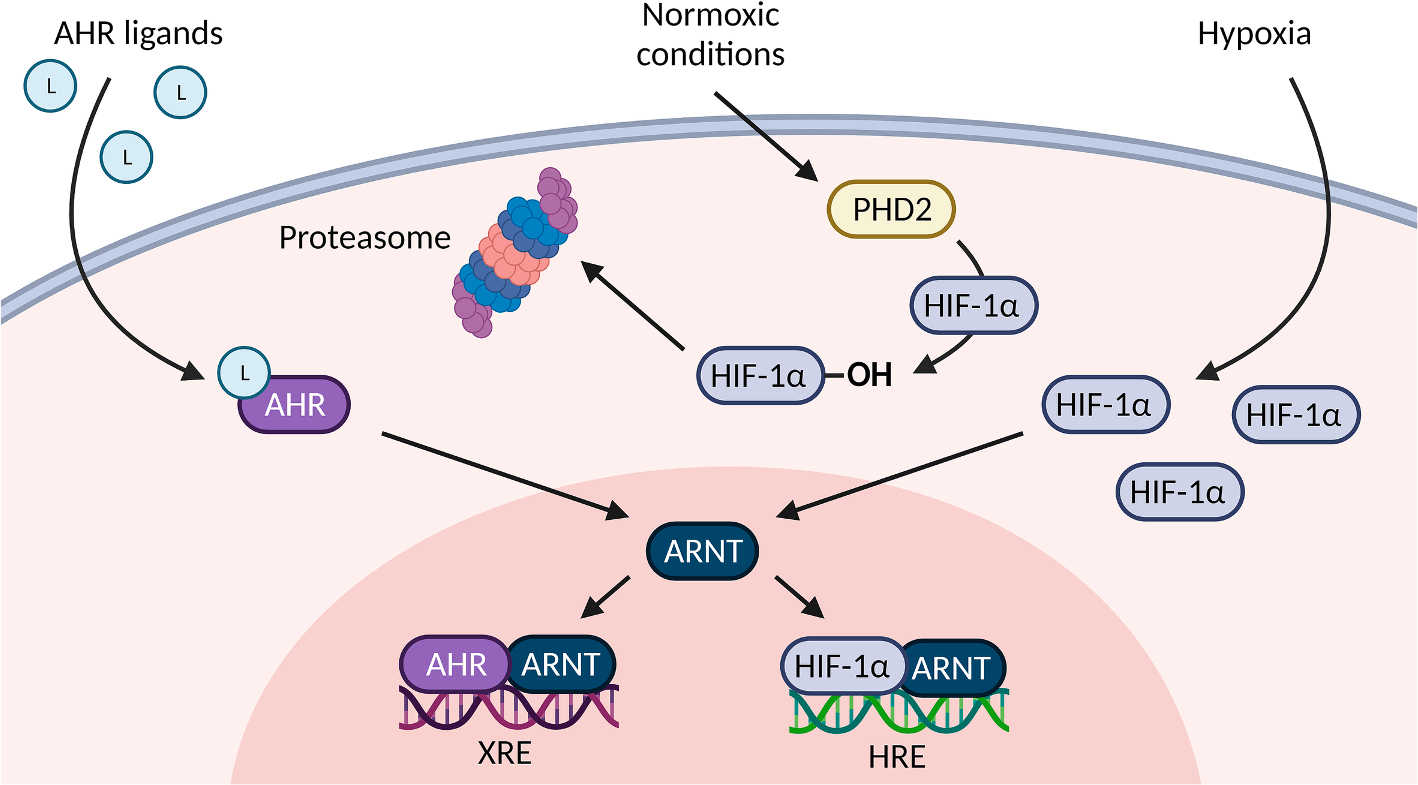
Fig. 4.. Crosstalk of HIF-1α and AHR.
Activated AHR and hypoxia-inducible factor 1 alpha (HIF-1α) both translocate into the nucleus and dimerize with ARNT which results in binding to either xenobiotic response elements (XRE) or hypoxia responsive elements (HRE) in the enhancer/promoter region of respective target genes. Under normoxic conditions, prolyl hydroxylase domain-containing protein 2 (PHD2) executes hydroxylation of HIF-1α resulting in constant proteasomal degradation of HIF-1α. Under hypoxia, HIF-1α can accumulate and then translocate into the nucleus where it then dimerizes with ARNT. Depending on cell-type and tissue, a competition for ARNT may result in the suppression of the AHR pathway when the HIF-1α pathway is activated or vice versa.
Fig. 5.
Fig. 5.. NRF2-AHR-crosstalk.
Ligand-activation of AHR results in its nuclear translocation where it dimerizes with ARNT and, amongst others, induces the transcription of xenobiotic-responsive element (XRE)-regulated phase I and II detoxifying enzymes, and NRF2. Phase I detoxifying enzymes convert AHR ligands into reactive metabolites which again can lead to the formation of reactive oxygen species (ROS). ROS can trigger the dissociation of the cytosolic NRF2-KEAP1-complex resulting in the nuclear translocation of NRF2 and its subsequent dimerization with small Maf proteins. This results in the expression of antioxidative response elements (ARE)-controlled phase II detoxifying enzymes, as well as AHR. Moreover, the AHR and NRF2 target gene batteries partially overlap, the gene expression of NQO1, GST or UGT1A1, for instance, is under control of both pathways.
Fig. 6.
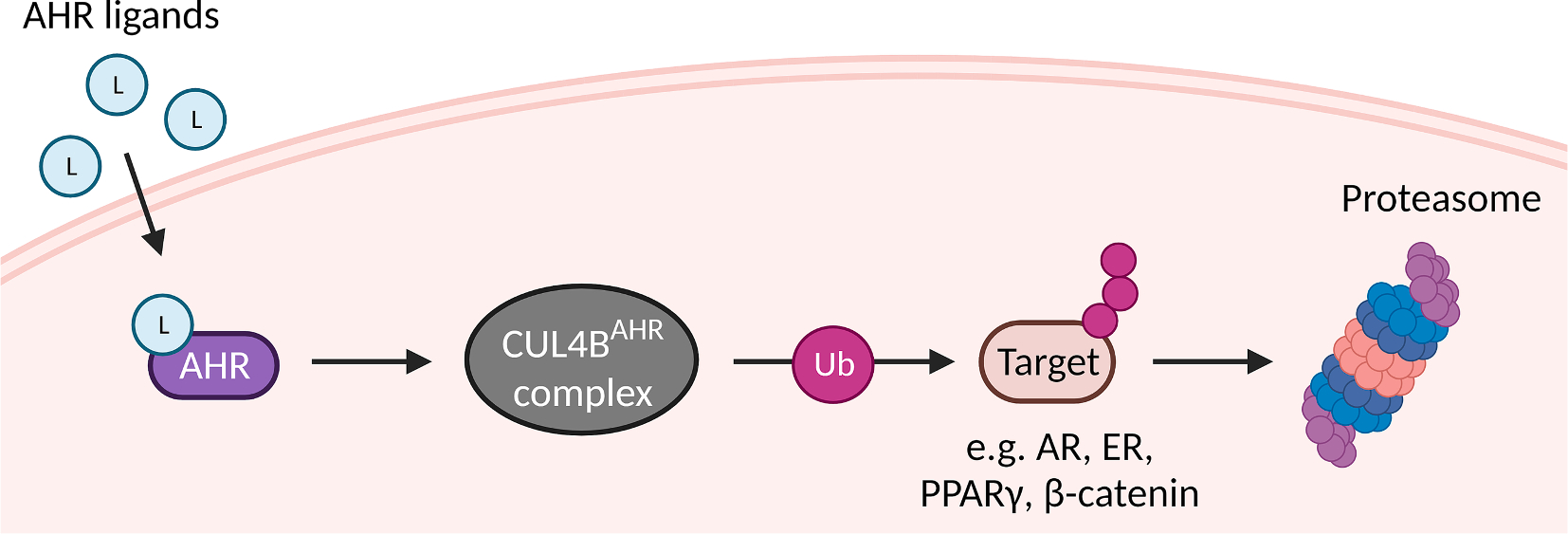
Fig. 6.. AHR acts as a ligand-dependent E3 ubiquitin ligase.
Upon ligand-activation, AHR and the E3 ubiquitin ligase Cullin 4B (CUL4B) can from a cytosolic complex which ubiquitinates and thereby targets various proteins, including androgen receptor (AR), estrogen receptor (ER), peroxisome proliferator-activated receptor γ (PPARγ) and β-catenin, to proteasomal degradation. This process presumably takes place when the AHR binding partner ARNT is absent.

References

    1. Poland A, Glover E, Kende AS, Stereospecific, high affinity binding of 2,3,7,8-tetrachlorodibenzo-p-dioxin by hepatic cytosol, J. Biol. Chem. 251 (16) (1976) 4936–4946. - PubMed
    1. Poland AP, Smith D, Metter G, Possick P, A health survey of workers in a 2,4-D and 2,4,5-T plan with special attention to chloracne, porphyria cutanea tarda, and psychologic parameters, Arch. Environ. Health 22 (3) (1971) 316–327. - PubMed
    1. Kimmig J, Schulz KH, Occupational acne (so-called chloracne) due to chlorinated aromatic cyclic ethers, Dermatologica 115 (4) (1957) 540–546. - PubMed
    1. Nebert DW, Gielen JE, Genetic regulation of aryl hydrocarbon hydroxylase induction in the mouse, Fed. Proc. 31 (4) (1972) 1315–1325. - PubMed
    1. Gielen JE, Goujon FM, Nebert DW, Genetic regulation of aryl hydrocarbon hydroxylase induction. II. Simple Mendelian expression in mouse tissues in vivo, J. Biol. Chem. 247 (4) (1972) 1125–1137. - PubMed

Publication types

MeSH terms

Substances