


Commensal Intestinal Protozoa-Underestimated Members of the Gut Microbial Community
- PMID: 36552252
- PMCID: PMC9774987
- DOI: 10.3390/biology11121742
Commensal Intestinal Protozoa-Underestimated Members of the Gut Microbial Community
Abstract
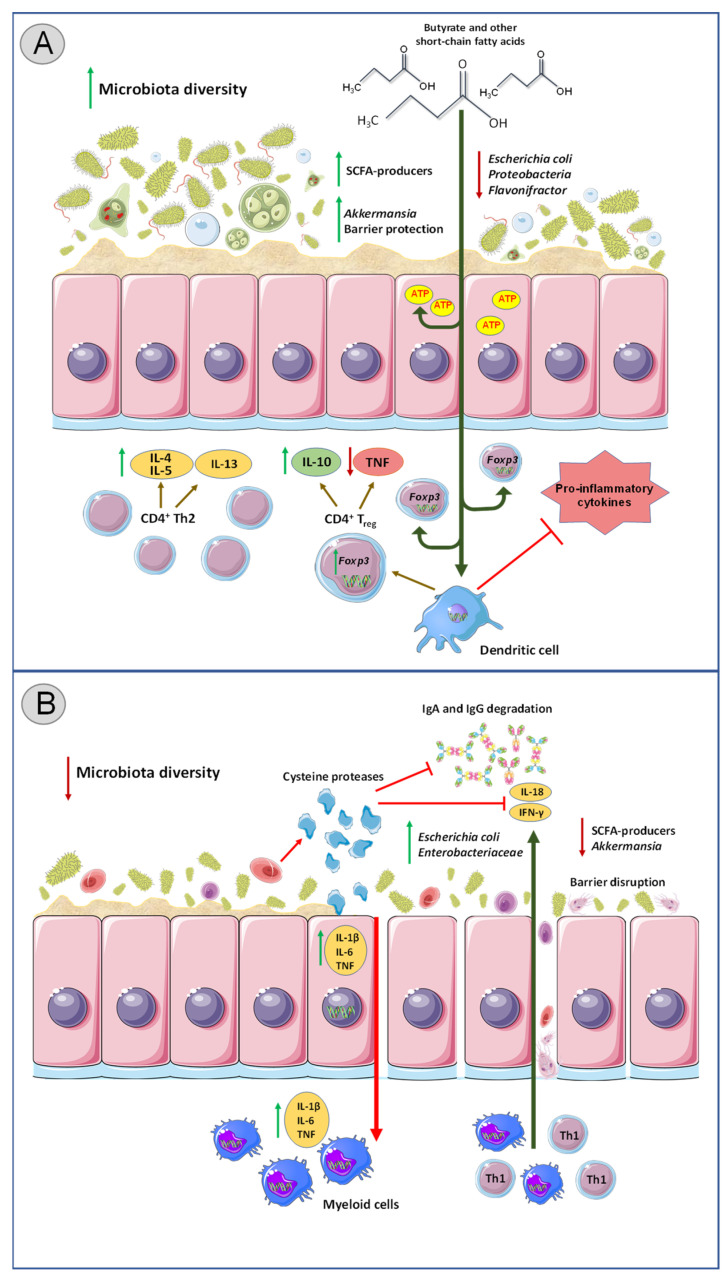
The human gastrointestinal microbiota contains a diverse consortium of microbes, including bacteria, protozoa, viruses, and fungi. Through millennia of co-evolution, the host-microbiota interactions have shaped the immune system to both tolerate and maintain the symbiotic relationship with commensal microbiota, while exerting protective responses against invading pathogens. Microbiome research is dominated by studies describing the impact of prokaryotic bacteria on gut immunity with a limited understanding of their relationship with other integral microbiota constituents. However, converging evidence shows that eukaryotic organisms, such as commensal protozoa, can play an important role in modulating intestinal immune responses as well as influencing the overall health of the host. The presence of several protozoa species has recently been shown to be a common occurrence in healthy populations worldwide, suggesting that many of these are commensals rather than invading pathogens. This review aims to discuss the most recent, conflicting findings regarding the role of intestinal protozoa in gut homeostasis, interactions between intestinal protozoa and the bacterial microbiota, as well as potential immunological consequences of protozoa colonization.
Keywords: Blastocystis; Dientamoeba; Entamoeba; SCFA; bacteria; gut immunity; inflammatory bowel disease; intestinal protozoa; microbiota.
Conflict of interest statement
The authors declare no conflict of interest.
Figures
References
Publication types
Grants and funding
LinkOut - more resources
Full Text Sources
Other Literature Sources
