


A Review of Ophthalmic Complications in Inflammatory Bowel Diseases
- PMID: 36556071
- PMCID: PMC9781961
- DOI: 10.3390/jcm11247457
A Review of Ophthalmic Complications in Inflammatory Bowel Diseases
Abstract
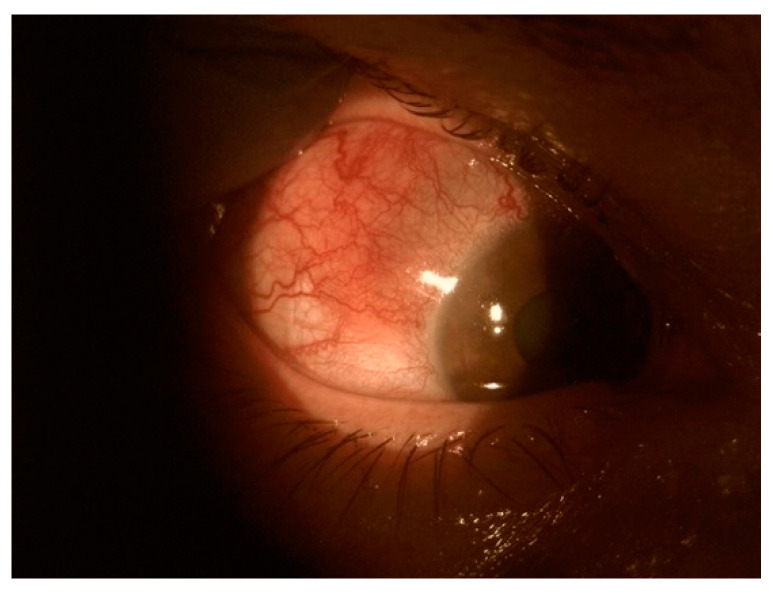
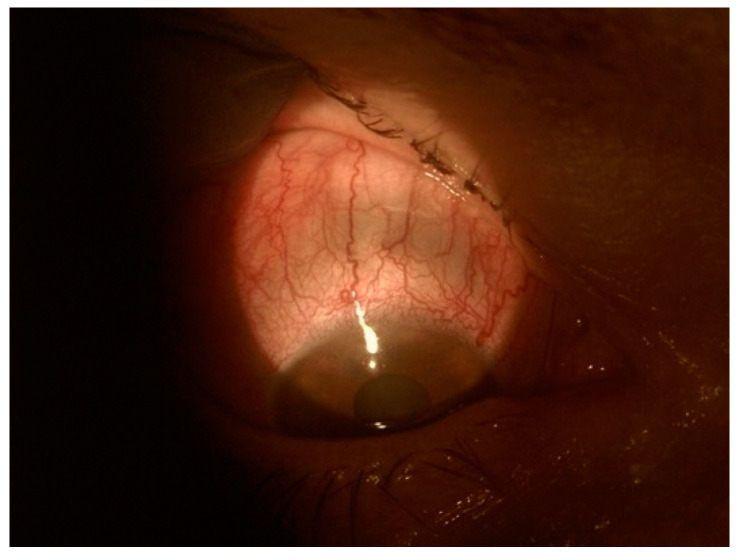
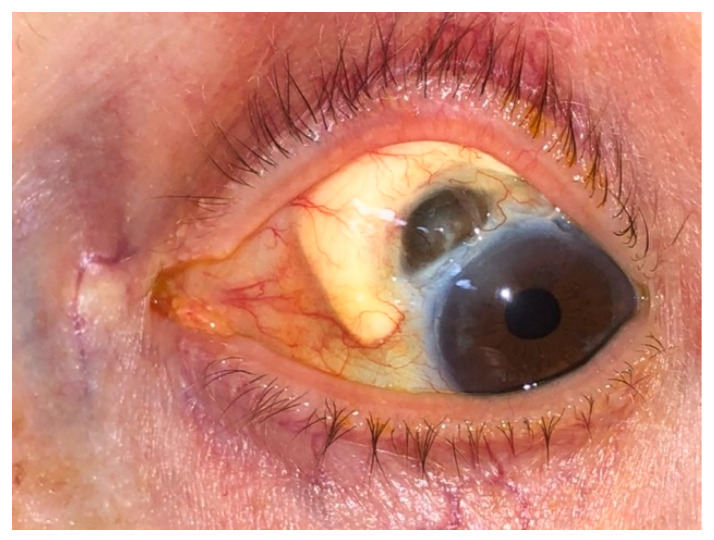
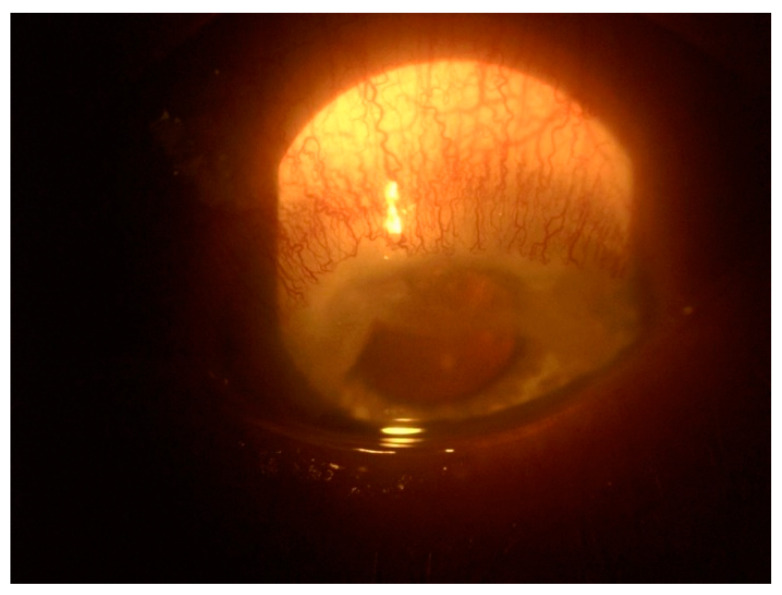
Inflammatory bowel diseases (IBD), including Crohn's disease (CD) and ulcerative colitis (UC), are chronic immune-mediated conditions caused by various polygenic and environmental factors. Clinical manifestations of IBD primarily occur in the gastrointestinal tract, but many patients are affected by extraintestinal complications, including eye diseases. Ocular disorders are the third most common extraintestinal manifestation (EIM), following musculoskeletal and mucocutaneous involvement. Episcleritis, frequently occurring in IBD patients, may be associated with exacerbation of the intestinal disease. Uveitis does not correlate with IBD activity but may be related to the presence of other EIMs, particularly erythema nodosum and peripheral arthritis. Early detection and specific therapy of ocular manifestations of IBD are fundamental to avoiding sight-threatening complications. Therefore, ophthalmic evaluation should be performed in all IBD patients. Systemic corticosteroids or immunosuppressants may be inevitable in severe cases to control ocular inflammation. Persistent and relapsing conditions usually respond well to TNF-α-inhibitors. Interdisciplinary cooperation between gastroenterologists and ophthalmologists is fundamental in initiating the appropriate treatment for patients.
Keywords: extraintestinal manifestation; inflammatory bowel disease; ocular involvement.
Conflict of interest statement
The authors declare no conflict of interest.
Figures
References
Publication types
LinkOut - more resources
Full Text Sources
