


Isopropyl Gallate, a Gallic Acid Derivative: In Silico and In Vitro Investigation of Its Effects on Leishmania major
- PMID: 36559198
- PMCID: PMC9787715
- DOI: 10.3390/pharmaceutics14122701
Isopropyl Gallate, a Gallic Acid Derivative: In Silico and In Vitro Investigation of Its Effects on Leishmania major
Abstract
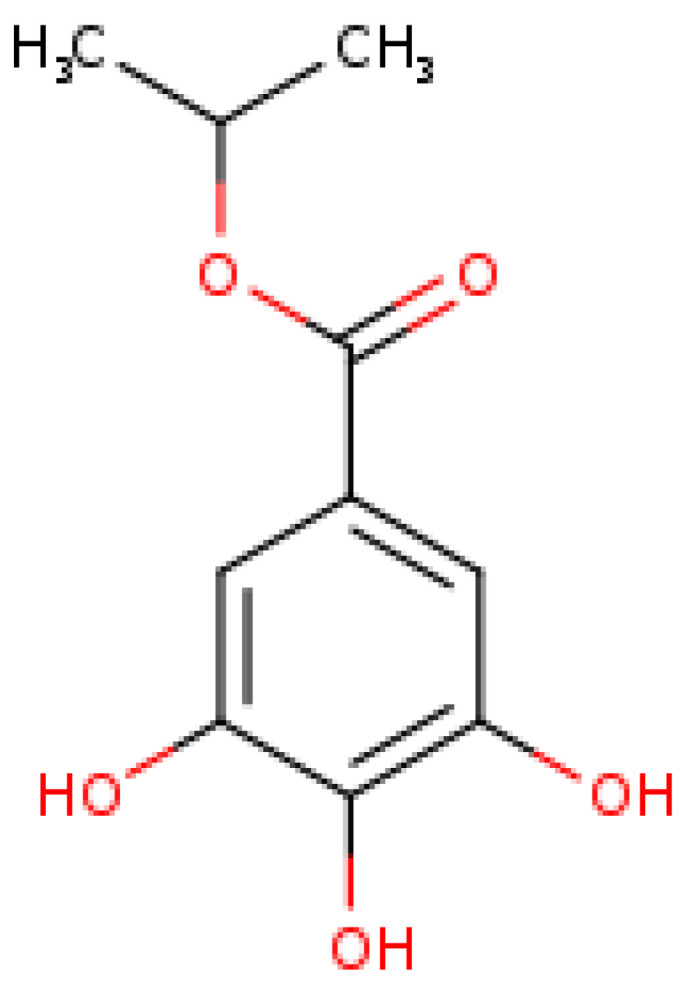
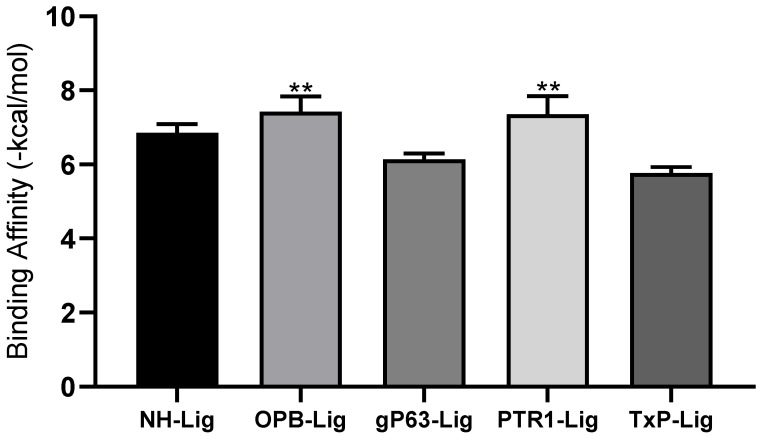
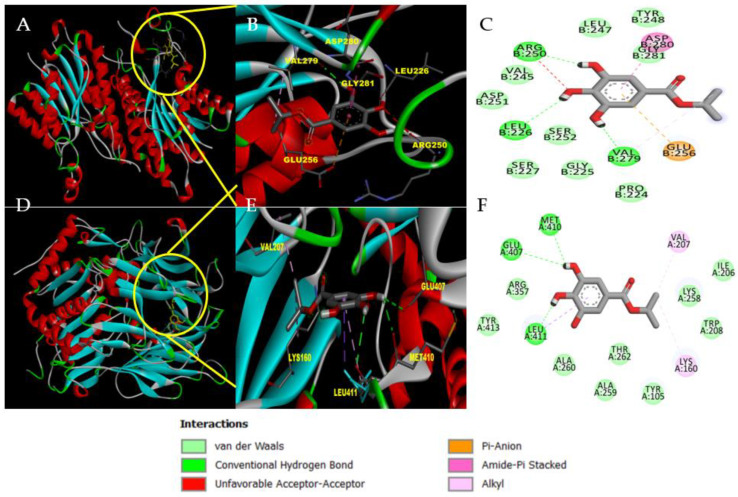
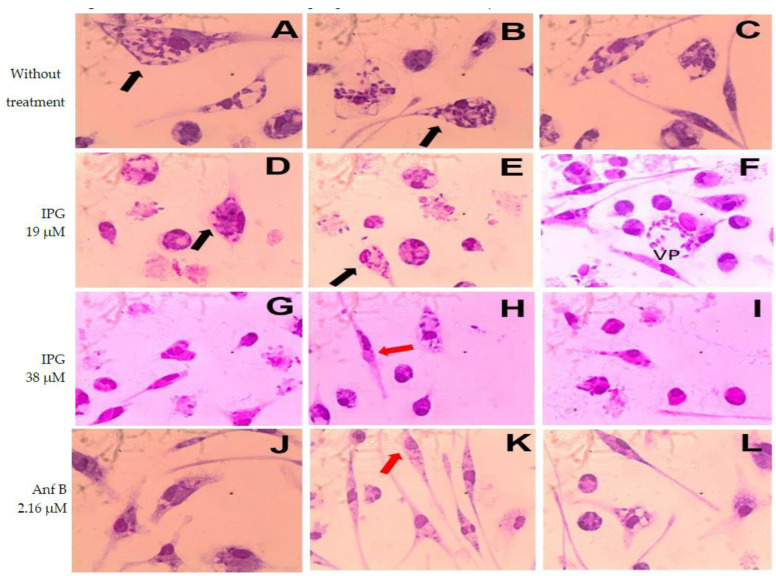
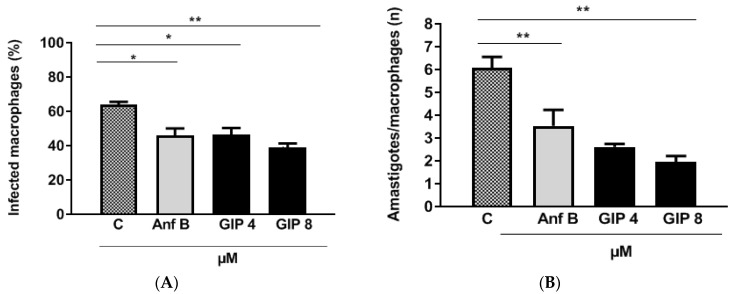
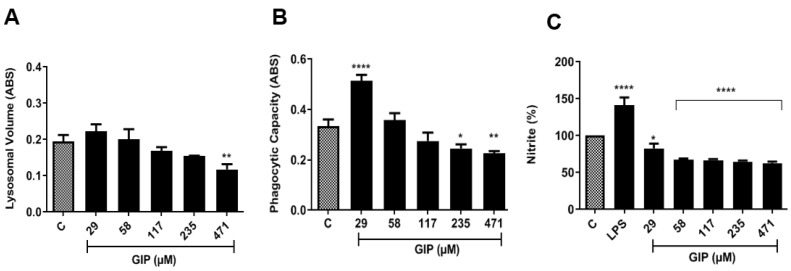
Isopropyl gallate (IPG) is a polyphenol obtained from alterations in the gallic acid molecule via acid catalysis with previously reported leishmanicidal and trypanocidal activities. The present study aims to evaluate in silico binding activity towards some targets for antileishmanial chemotherapy against Leishmania major species, and ADMET parameters for IPG, as well as in vitro antileishmanial and cytotoxic effects. Molecular docking was performed using AutoDockVina and BIOVIA Discovery Studio software, whereas in silico analysis used SwissADME, PreADMET and admetSAR software. In vitro antileishmanial activity on promastigotes and amastigotes of Leishmania major, cytotoxicity and macrophages activation were assessed. IPG exhibited affinity for pteridine reductase (PTR1; -8.2 kcal/mol) and oligopeptidase B (OPB; -8.0 kcal/mol) enzymes. ADMET assays demonstrated good lipophilicity, oral bioavailability, and skin permeability, as well as non-mutagenic, non-carcinogenic properties and low risk of cardiac toxicity for IPG. Moreover, IPG inhibited the in vitro growth of promastigotes (IC50 = 90.813 µM), presented significant activity against amastigotes (IC50 = 13.45 μM), promoted low cytotoxicity in macrophages (CC50 = 1260 μM), and increased phagocytic capacity. These results suggest IPG is more selectively toxic to the parasite than to mammalian cells. IPG demonstrated acceptable in silico pharmacokinetics parameters, and reduced infection and infectivity in parasitized macrophages, possibly involving macrophage activation pathways and inhibition of leishmania enzymes.
Keywords: ADMET; antileishmania activity; molecular docking; polyphenols; propyl gallate.
Conflict of interest statement
The authors declare no conflict of interest.
Figures
References
-
- Gutman J.R., Lucchi N.W., Cantey P.T., Steinhardt L.C., Samuels A.M., Kamb M.L., Kapella B.K., McElroy P.D., Udhayakumar V., Lindblade K.A. Malaria and Parasitic Neglected Tropical Diseases: Potential Syndemics with COVID-19? Am. J. Trop. Med. Hyg. 2020;103:572–577. doi: 10.4269/ajtmh.20-0516. - DOI - PMC - PubMed
-
- Oliveira R.G. Sentidos das Doenças Negligenciadas na agenda da Saúde Global: O lugar de populações e territórios [Meanings of Neglected Diseases in the Global Health agenda: The place of populations and territories] Cien. Saude Colet. 2018;23:2291–2302. doi: 10.1590/1413-81232018237.09042018. (In Portuguese) - DOI - PubMed
-
- Hellmann M.A., Marchesan E.D., Velasquez L.G. Leishmaniose e plantas medicinais: Uma revisão [leishmaniasis and medicinal plants: A review] Arq. Cienc. Saúde UNIPAR. 2018;22:217–231. doi: 10.25110/arqsaude.v22i3.2018.6921. (In Portuguese) - DOI
-
- Pan American Health Organization . Leishmaniasis: Epidemiological Report of the Americas. PAHO; Washington, DC, USA: 2021. [(accessed on 27 November 2022)]. No. 10. Available online: https://iris.paho.org/handle/10665.2/51742.
LinkOut - more resources
Full Text Sources
