


A systematic evidence map for the evaluation of noncancer health effects and exposures to polychlorinated biphenyl mixtures
- PMID: 36580985
- PMCID: PMC10013199
- DOI: 10.1016/j.envres.2022.115148
A systematic evidence map for the evaluation of noncancer health effects and exposures to polychlorinated biphenyl mixtures
Abstract
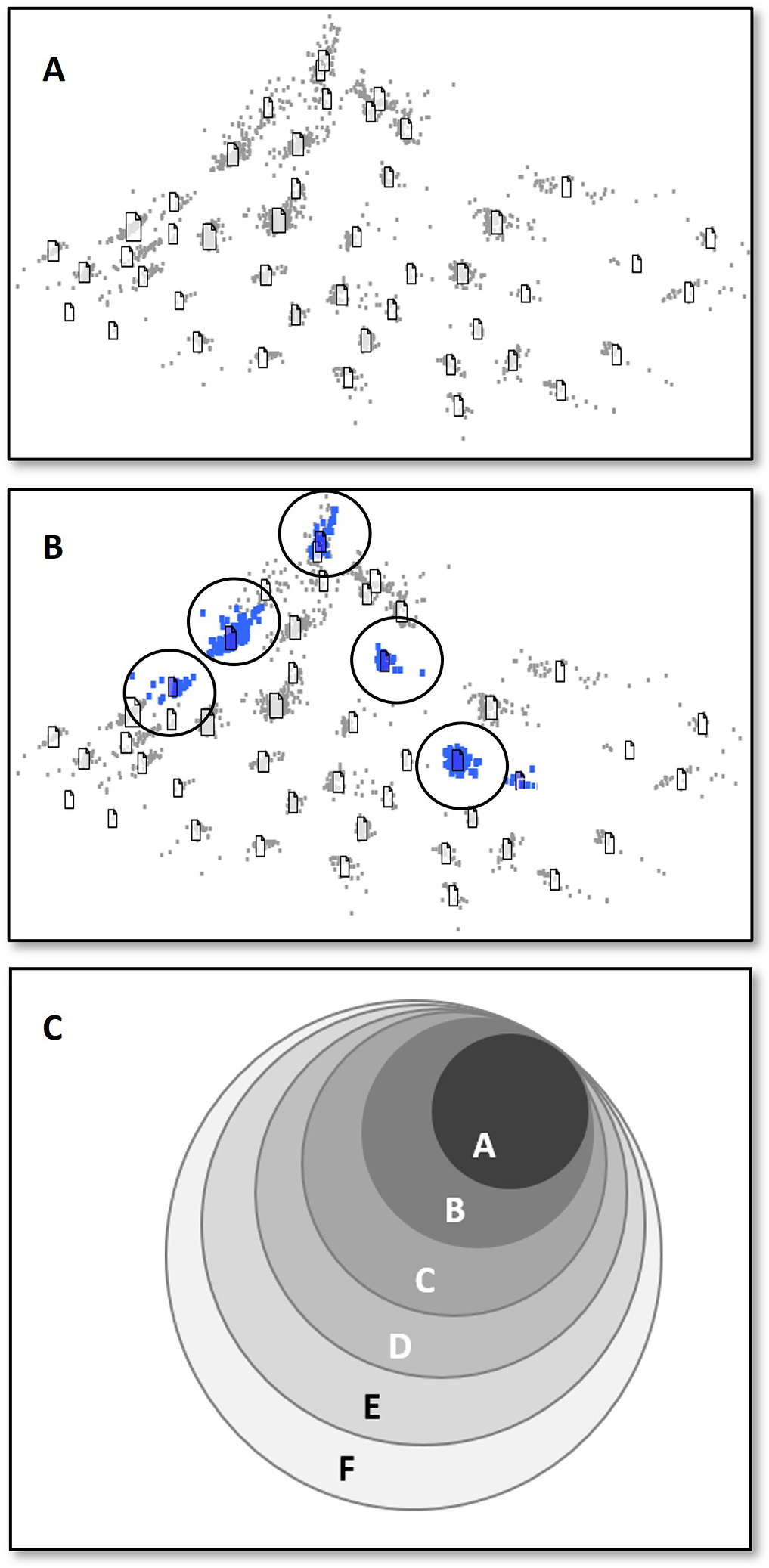
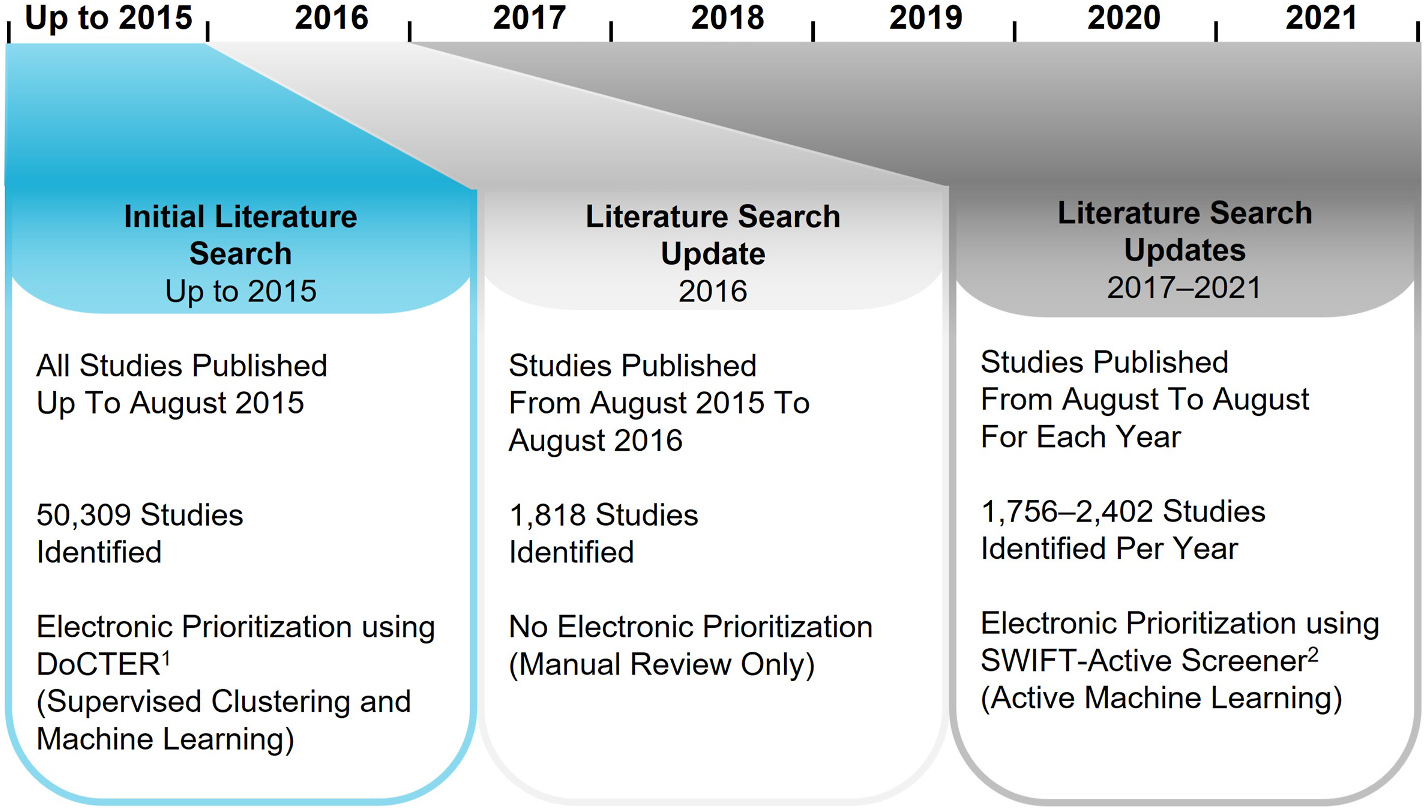
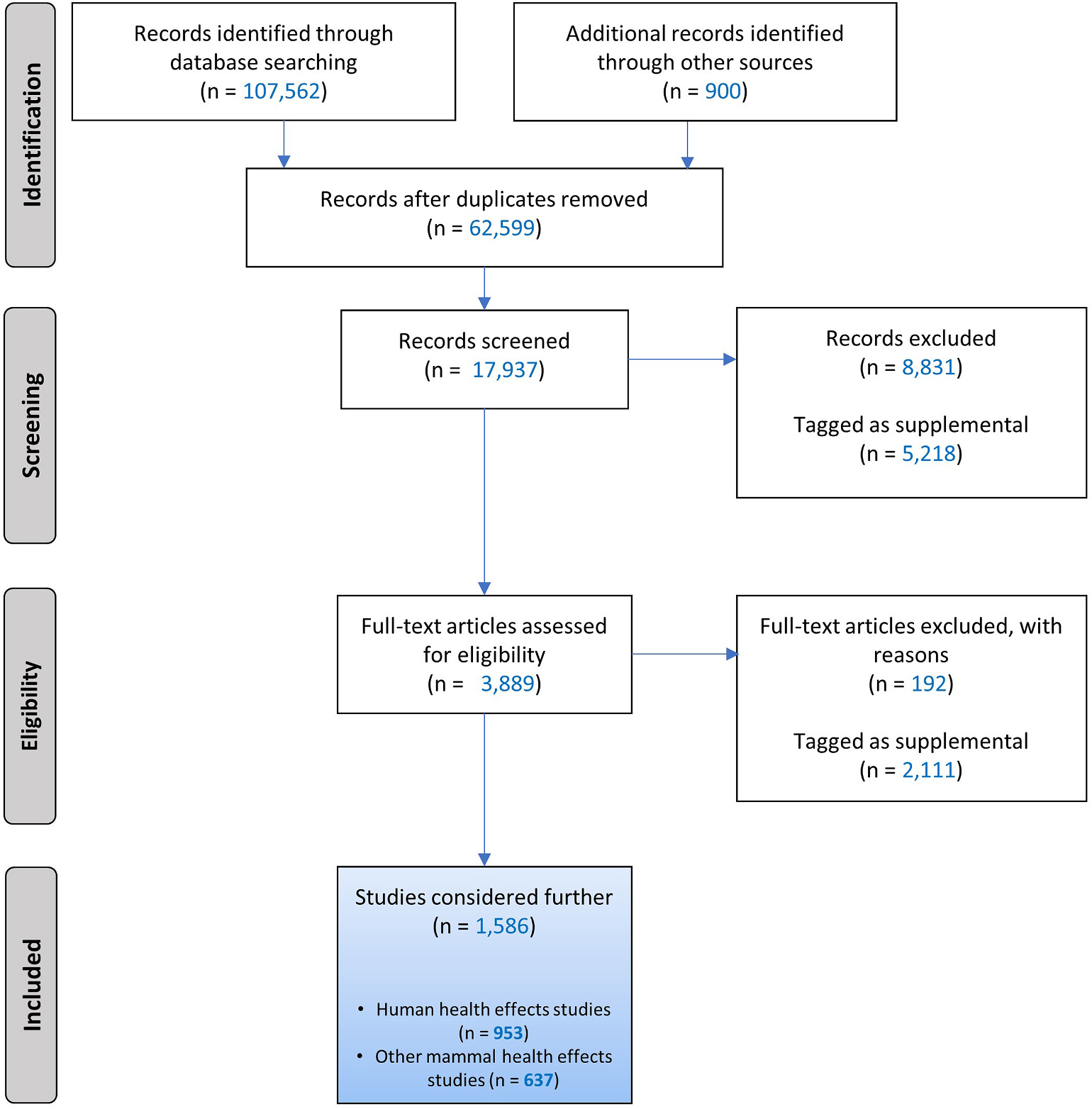
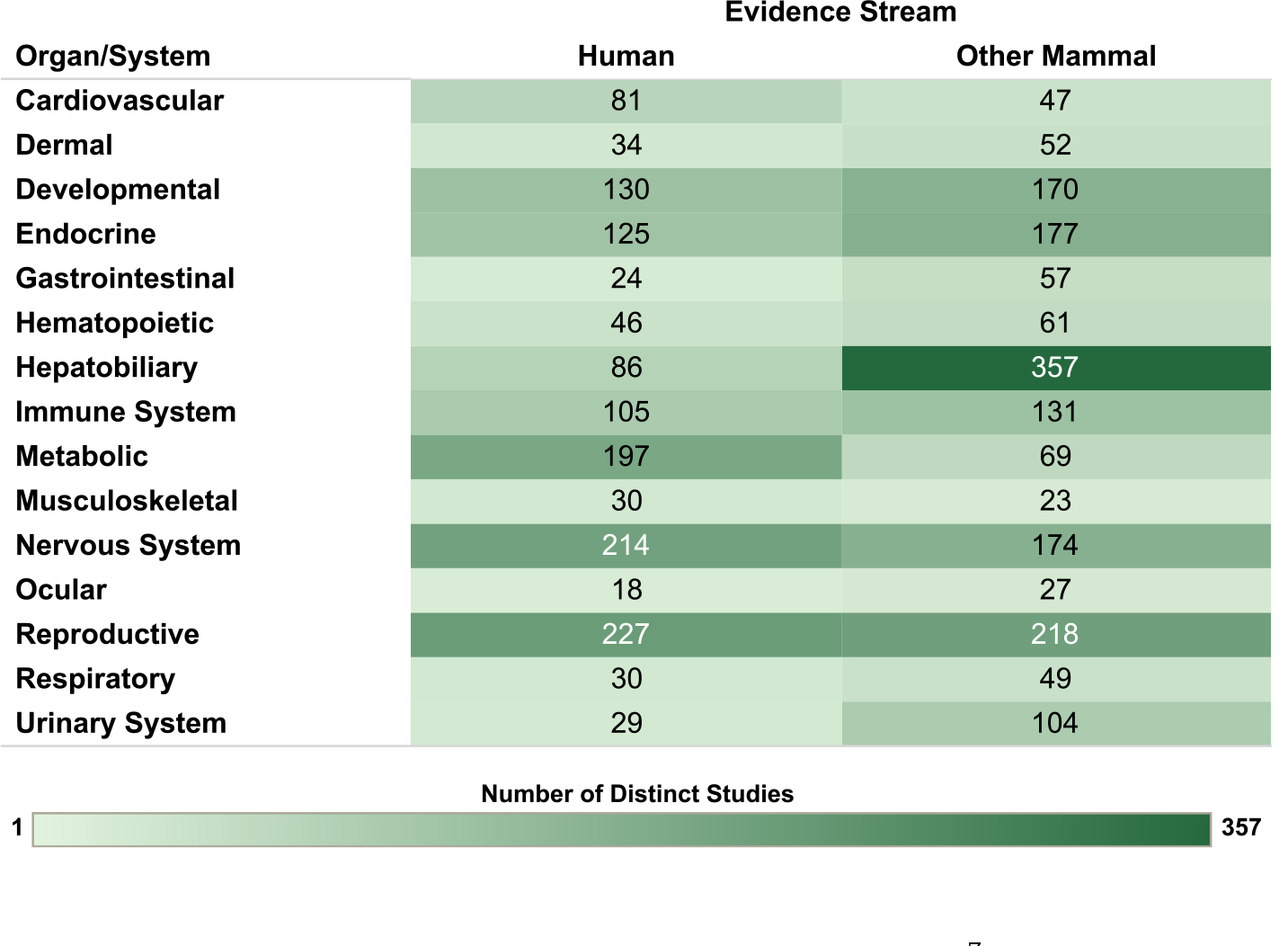
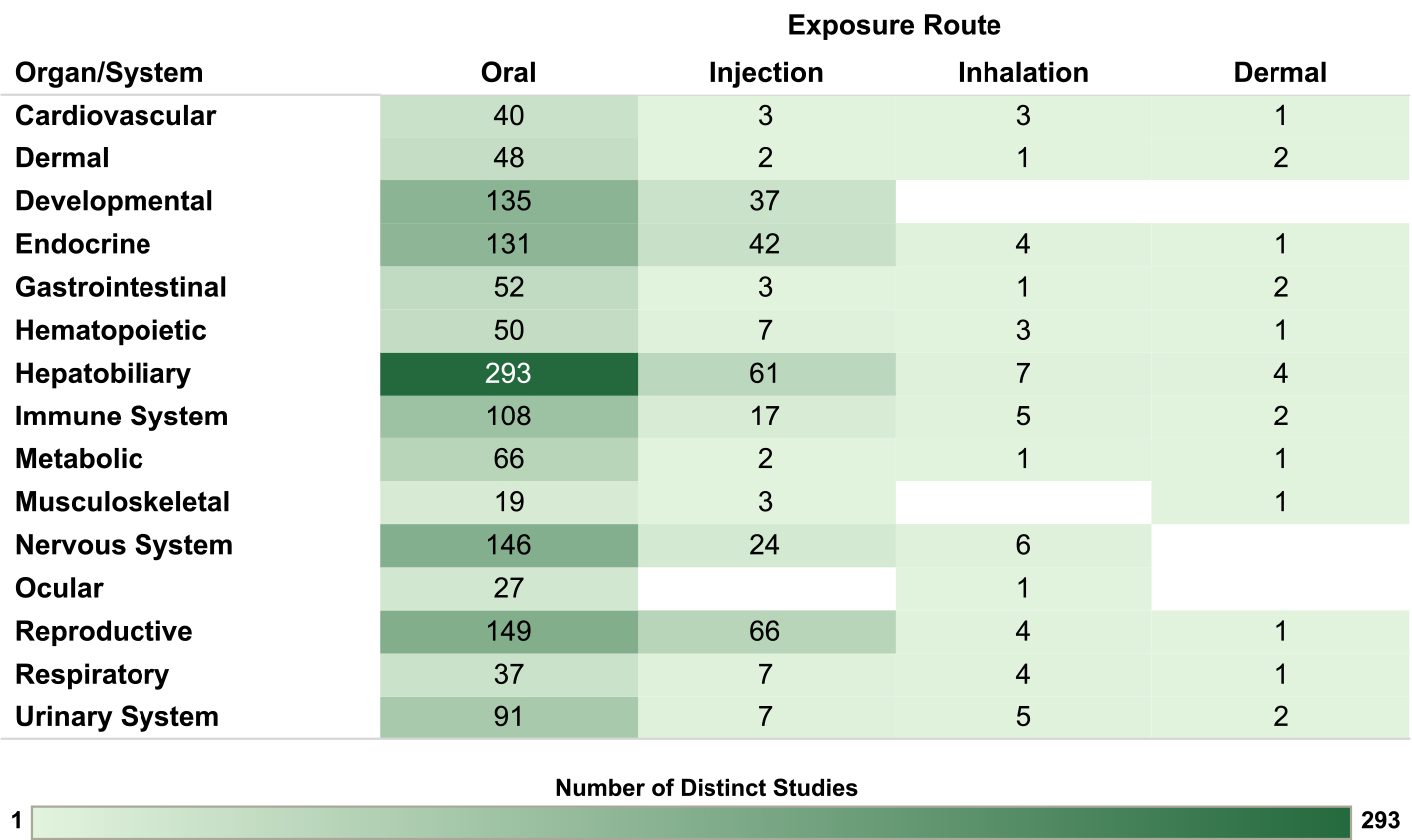
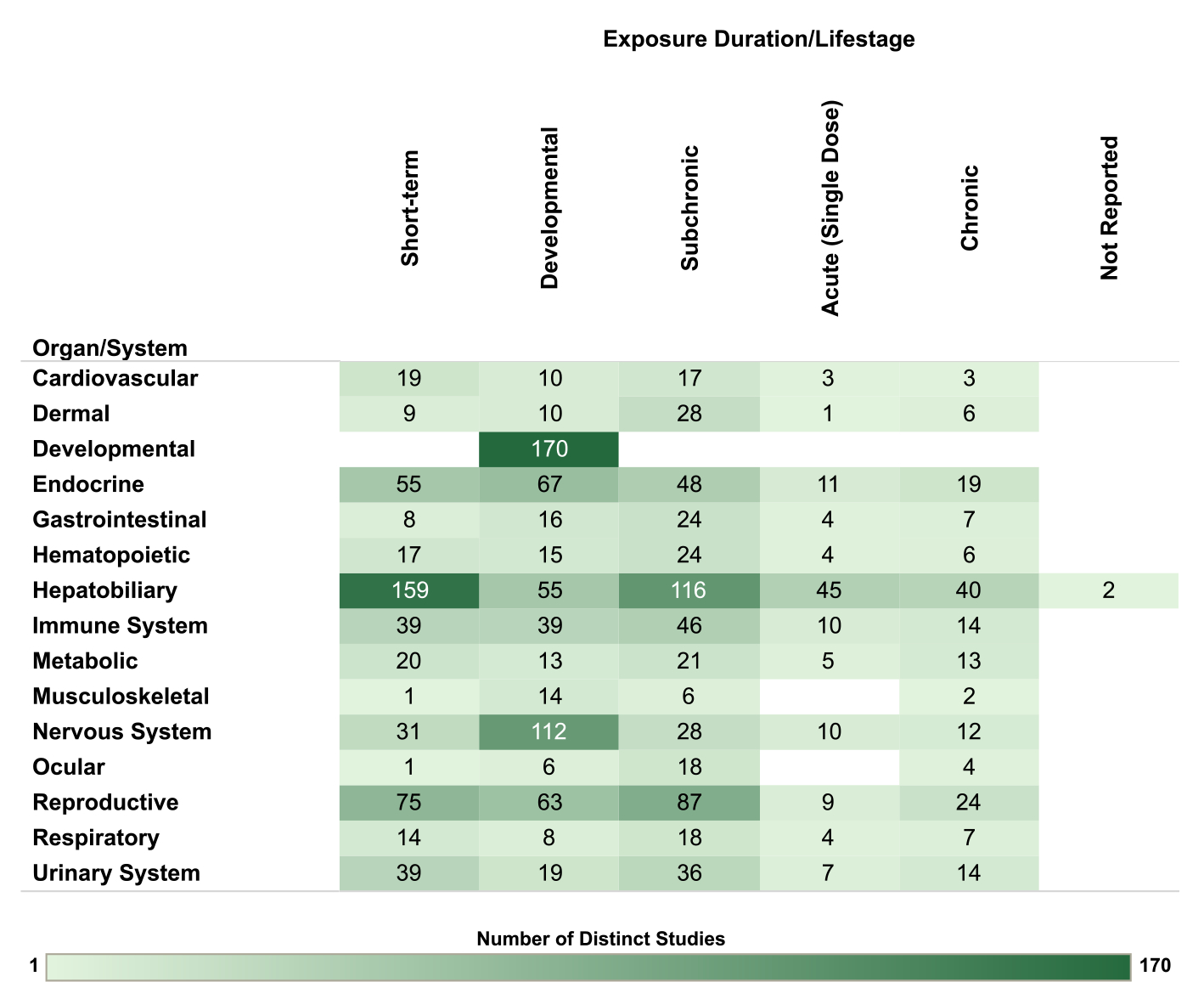
Assessing health outcomes associated with exposure to polychlorinated biphenyls (PCBs) is important given their persistent and ubiquitous nature. PCBs are classified as a Group 1 carcinogen, but the full range of potential noncancer health effects from exposure to PCBs has not been systematically summarized and evaluated. We used systematic review methods to identify and screen the literature using combined manual review and machine learning approaches. A protocol was developed that describes the literature search strategy and Populations, Exposures, Comparators, and Outcomes (PECO) criteria used to facilitate subsequent screening and categorization of literature into a systematic evidence map of PCB exposure and noncancer health endpoints across 15 organs/systems. A comprehensive literature search yielded 62,599 records. After electronic prioritization steps, 17,037 studies were manually screened at the title and abstract level. An additional 900 studies identified by experts or supplemental searches were also included. After full-text screening of 3889 references, 1586 studies met the PECO criteria. Relevant study details such as the endpoints assessed, exposure duration, and species were extracted into literature summary tables. This review compiles and organizes the human and mammalian studies from these tables into an evidence map for noncancer health endpoints and PCB mixture exposure to identify areas of robust research as well as areas of uncertainty that would benefit from future investigation. Summary data are available online as interactive visuals with downloadable metadata. Sufficient research is available to inform PCB hazard assessments for most organs/systems, but the amount of data to inform associations with specific endpoints differs. Furthermore, despite many years of research, sparse data exist for inhalation and dermal exposures, which are highly relevant human exposure routes. This evidence map provides a foundation for future systematic reviews and noncancer hazard assessments of PCB mixtures and for strategic planning of research to inform areas of greater uncertainty.
Keywords: Evidence map; Hazard identification; Polychlorinated biphenyl; Risk assessment; Systematic review.
Published by Elsevier Inc.
Conflict of interest statement
Declaration of competing interest The authors declare the following financial interests/personal relationships which may be considered as potential competing interests: SKS, PR, CRK, PJL, PFL, AS, MT, MSB, JT, TAJ, LR, JM, AFK, RB, RS, SS, CL, KS, and BI report financial support provided by the US Environmental Protection Agency under Contract 68HERC19D0003 to ICF. PJL reports a relationship with Friedman Rubin Associates that includes: paid expert testimony. CRK reports a relationship with Bausch Health Companies Inc US that includes: employment and equity or stocks.
Figures
References
-
- Arnold DL, Nera EA, Stapley R, Bryce F, Fernie S, Tolnai G, Miller D, Hayward S, Campbell JS, Greer I, 1997. Toxicological consequences of Aroclor 1254 ingestion by female rhesus (Macaca mulatta) monkeys and their nursing infants. Part 3: post-reproduction and pathological findings. Food Chem. Toxicol. 35, 1191–1207. 10.1016/S0278-6915(97)85470-1. - DOI - PubMed
-
- Associated Press, 2022. High school in Burlington, VT, set to sue chemical company over school contamination [Website]. https://www.foxnews.com/us/burlington-vt-high-school-set-sue-chemical-co....
-
- ATSDR, 2000. Toxicological Profile for Polychlorinated Biphenyls (PCBs) [ATSDR Tox Profile]. U.S. Department of Health and Human Services, Public Health Service, Atlanta, GA. http://www.atsdr.cdc.gov/toxprofiles/tp.asp?id=142&tid=26.
-
- ATSDR, 2011. Addendum to the Toxicological Profile for Polychlorinated Biphenyls. Atlanta, GA. https://www.atsdr.cdc.gov/toxprofiles/pcbs_addendum.pdf.
Publication types
MeSH terms
Substances
Grants and funding
LinkOut - more resources
Full Text Sources
Miscellaneous
