


Microbial glutamate metabolism predicts intravenous cocaine self-administration in diversity outbred mice
- PMID: 36592885
- PMCID: PMC9943525
- DOI: 10.1016/j.neuropharm.2022.109409
Microbial glutamate metabolism predicts intravenous cocaine self-administration in diversity outbred mice
Abstract
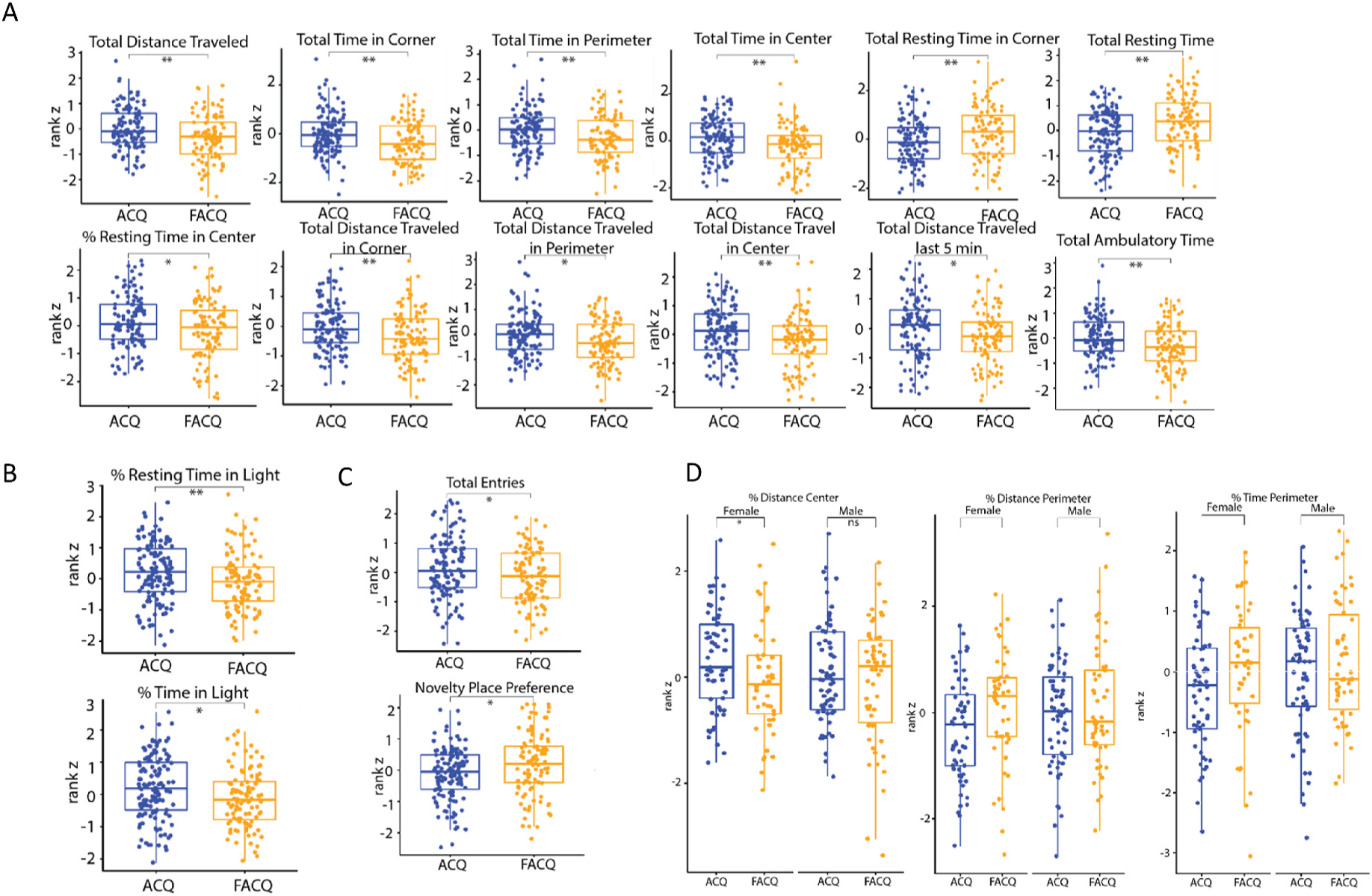
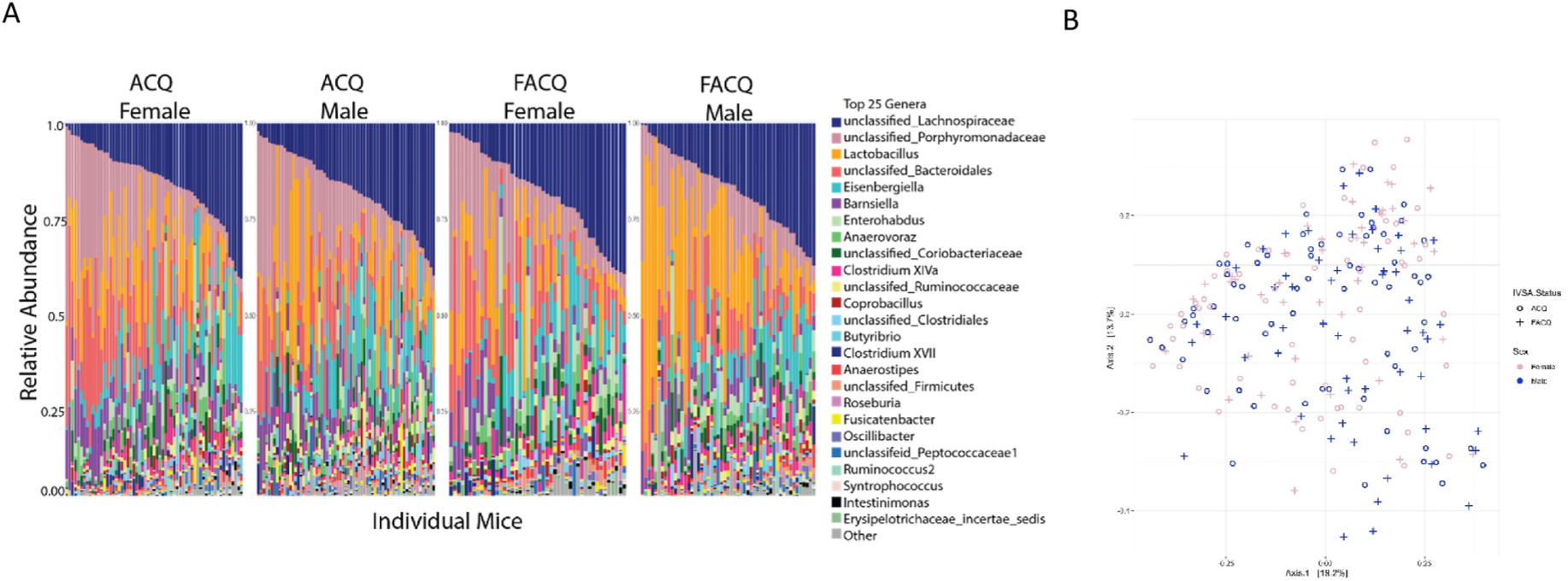
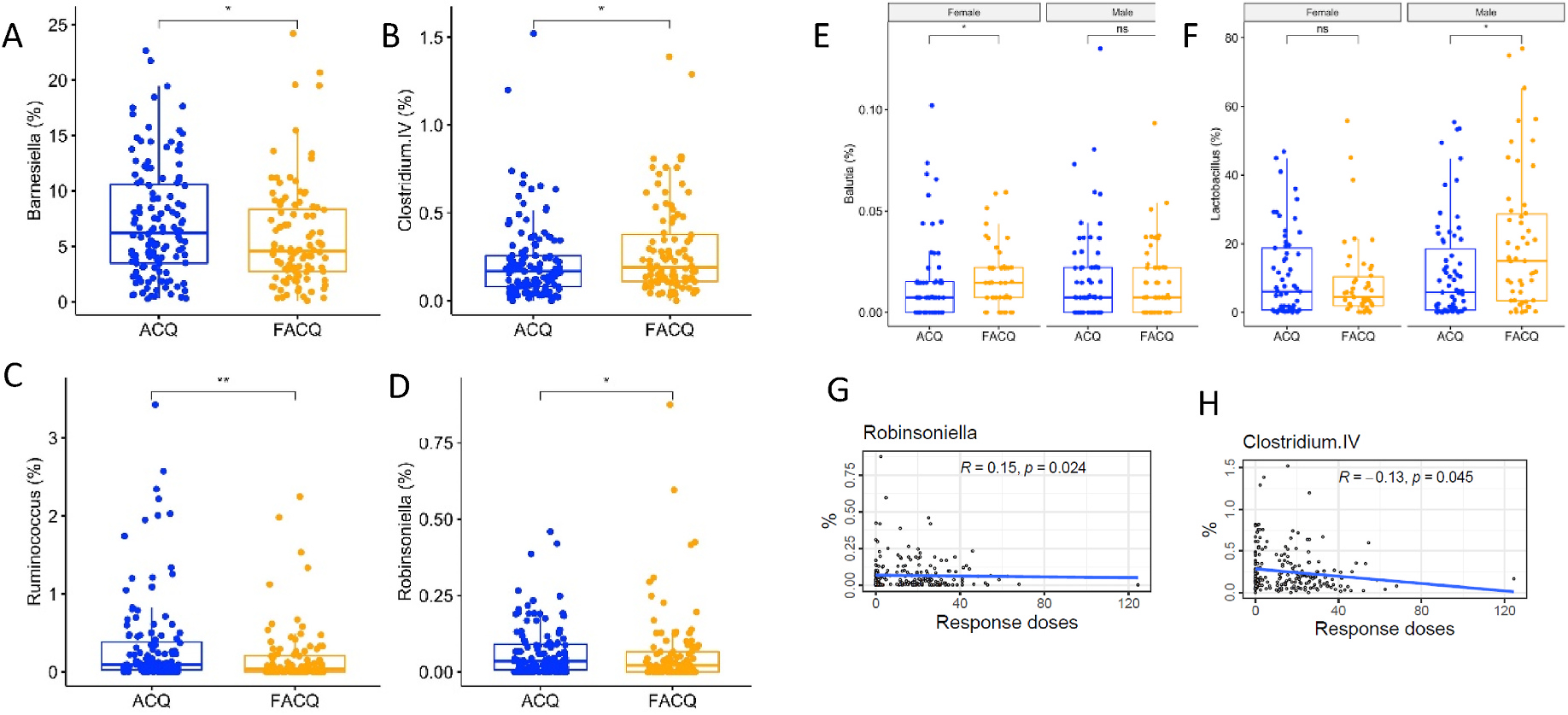
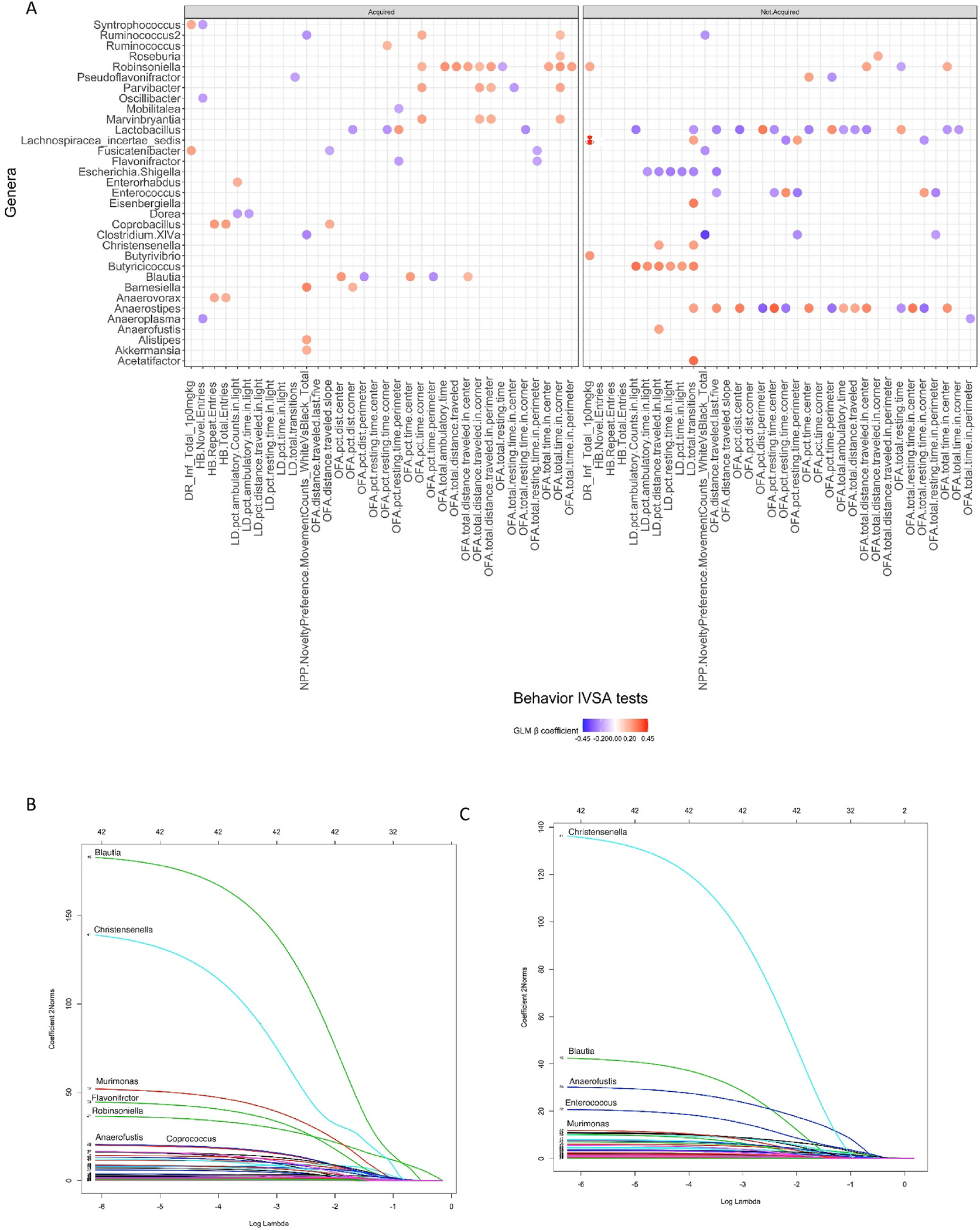
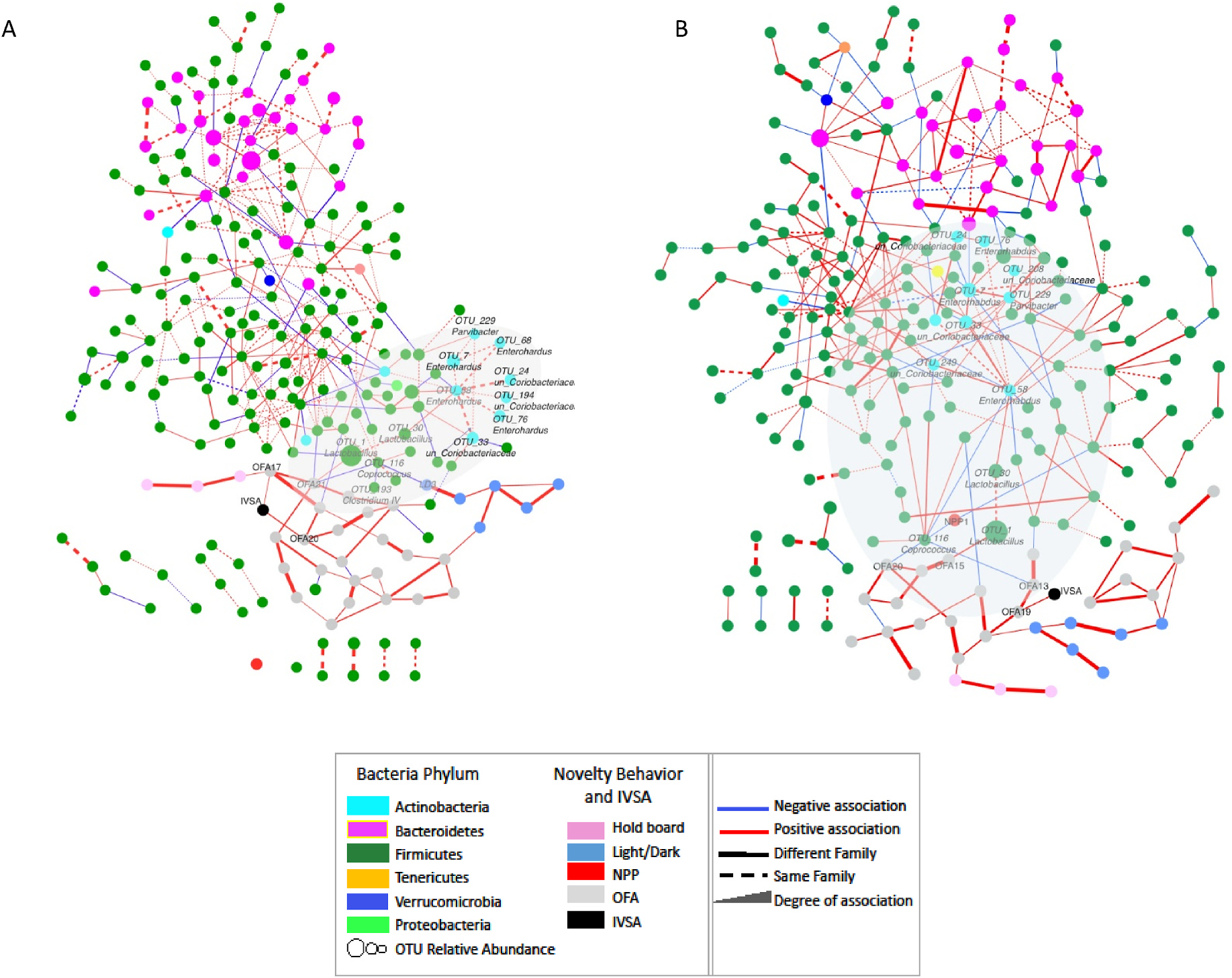
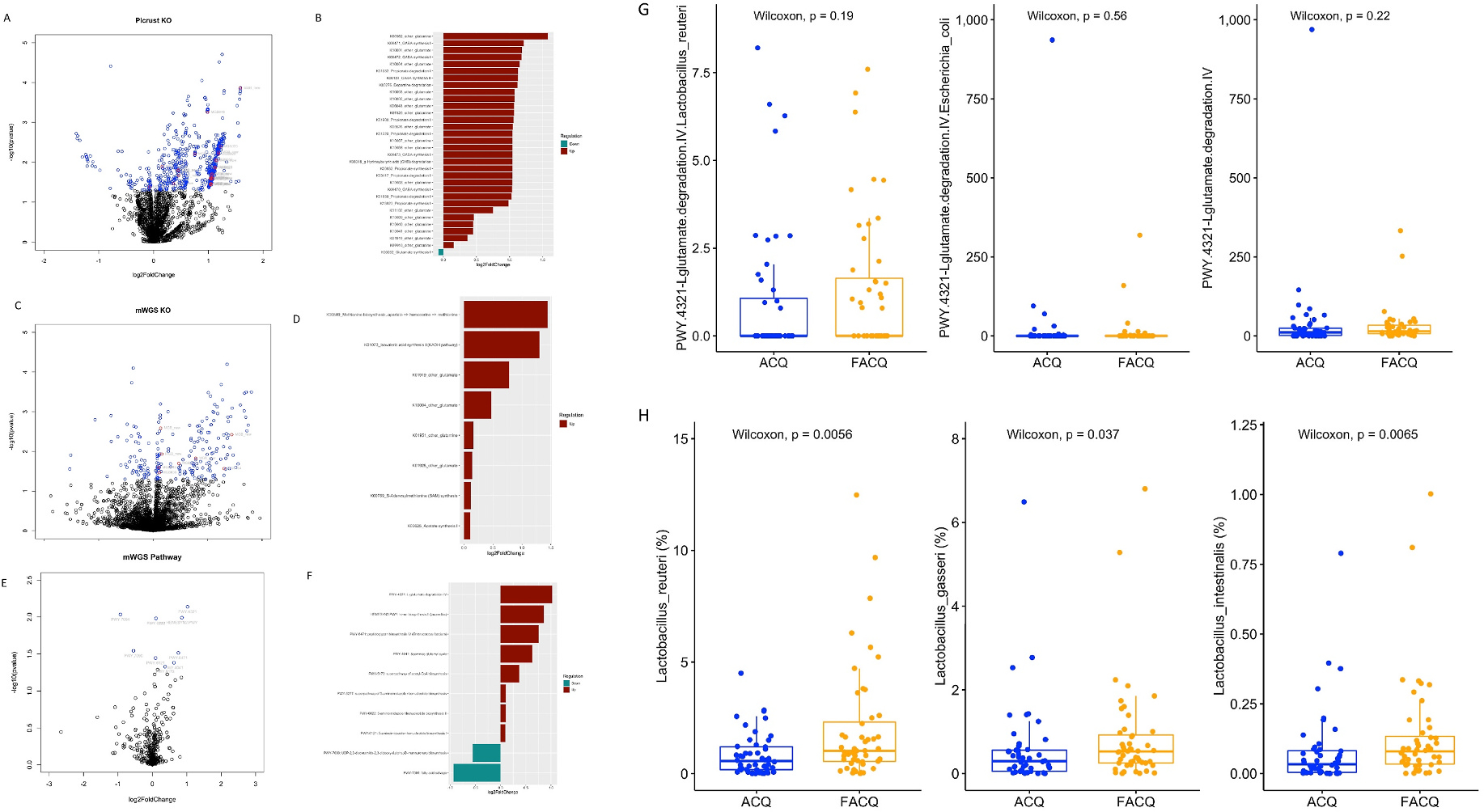
The gut microbiome is thought to play a critical role in the onset and development of psychiatric disorders, including depression and substance use disorder (SUD). To test the hypothesis that the microbiome affects addiction predisposing behaviors and cocaine intravenous self-administration (IVSA) and to identify specific microbes involved in the relationship, we performed 16S rRNA gene sequencing on feces from 228 diversity outbred mice. Twelve open field measures, two light-dark assay measures, one hole board and novelty place preference measure significantly differed between mice that acquired cocaine IVSA (ACQ) and those that failed to acquire IVSA (FACQ). We found that ACQ mice are more active and exploratory and display decreased fear than FACQ mice. The microbial abundances that differentiated ACQ from FACQ mice were an increased abundance of Barnesiella, Ruminococcus, and Robinsoniella and decreased Clostridium IV in ACQ mice. There was a sex-specific correlation between ACQ and microbial abundance, a reduced Lactobacillus abundance in ACQ male mice, and a decreased Blautia abundance in female ACQ mice. The abundance of Robinsoniella was correlated, and Clostridium IV inversely correlated with the number of doses of cocaine self-administered during acquisition. Functional analysis of the microbiome composition of a subset of mice suggested that gut-brain modules encoding glutamate metabolism genes are associated with the propensity to self-administer cocaine. These findings establish associations between the microbiome composition and glutamate metabolic potential and the ability to acquire cocaine IVSA thus indicating the potential translational impact of targeting the gut microbiome or microbial metabolites for treatment of SUD. This article is part of the Special Issue on "Microbiome & the Brain: Mechanisms & Maladies".
Keywords: Behavior; Cocaine; Diversity outbred; IVSA; Microbiome; Novelty; Sex differences.
Copyright © 2022 The Authors. Published by Elsevier Ltd.. All rights reserved.
Conflict of interest statement
Declaration of competing interest The authors declare that they have no known competing financial interests or personal relationships that could have appeared to influence the work reported in this paper.
Figures
References
-
- Abuse N.I.o.D., 2020. Common Comorbidities with Substance Use Disorders Research Report (Bethesda, MD: ). - PubMed
-
- Ahmad B, Mufti KA, Farooq S, 2001. Psychiatric comorbidity in substance abuse (opioids). J. Pakistan Med. Assoc. 51, 183–186. - PubMed
-
- American Psychiatric Association., American Psychiatric Association, DSM-5 Task Force, 2013. Diagnostic and Statistical Manual of Mental Disorders : DSM-5. American Psychiatric Association, Washington, D.C.
Publication types
MeSH terms
Substances
Grants and funding
LinkOut - more resources
Full Text Sources
Molecular Biology Databases
