


Cryopreservation of tissues by slow-freezing using an emerging zwitterionic cryoprotectant
- PMID: 36593263
- PMCID: PMC9807565
- DOI: 10.1038/s41598-022-23913-3
Cryopreservation of tissues by slow-freezing using an emerging zwitterionic cryoprotectant
Abstract
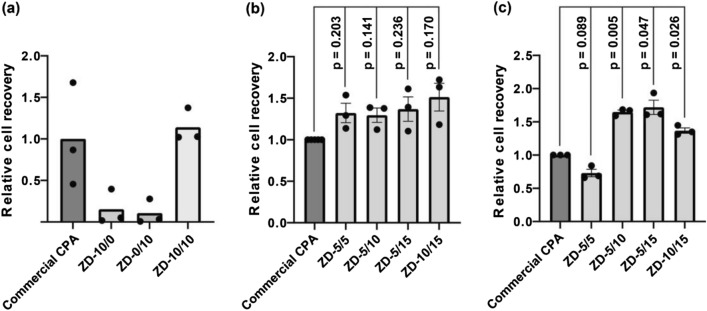
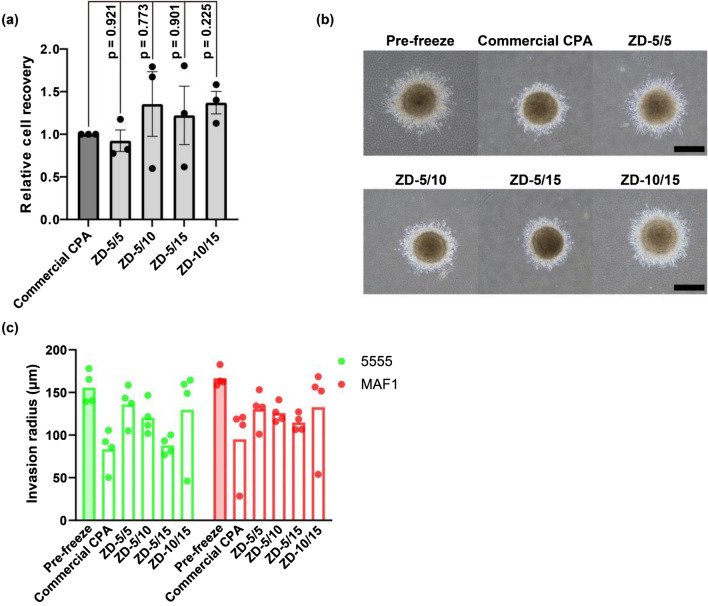
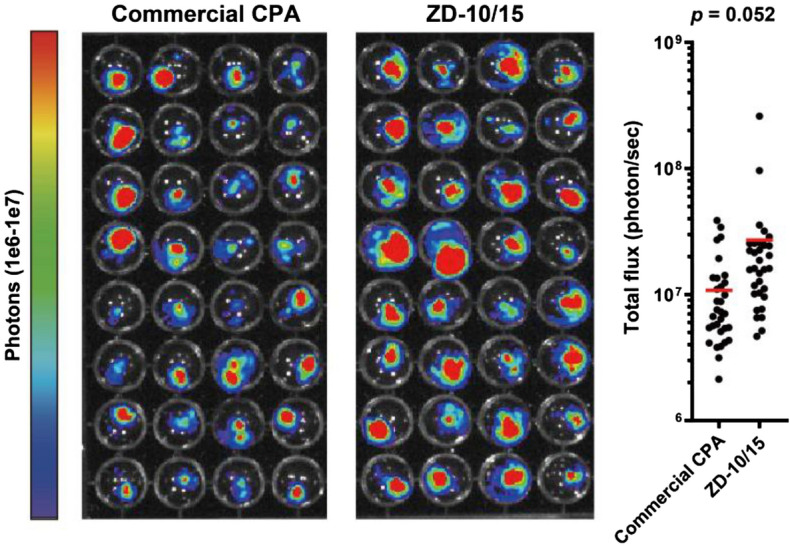
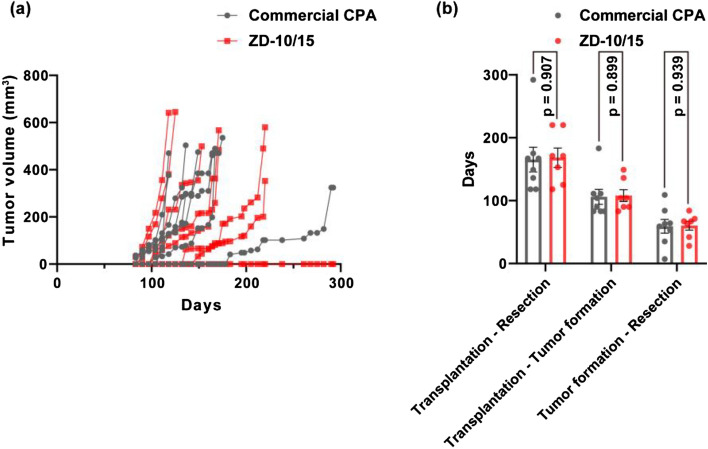
Cryopreservation of tissues is a tough challenge. Cryopreservation is categorized into slow-freezing and vitrification, and vitrification has recently been recognized as a suitable method for tissue cryopreservation. On the contrary, some researchers have reported that slow-freezing also has potential for tissue cryopreservation. Although conventional cryoprotectants have been studied well, some novel ones may efficiently cryopreserve tissues via slow-freezing. In this study, we used aqueous solutions of an emerging cryoprotectant, an artificial zwitterion supplemented with a conventional cryoprotectant, dimethyl sulfoxide (DMSO), for cell spheroids. The zwitterion/DMSO aqueous solutions produced a better cryoprotective effect on cell spheroids, which are the smallest units of tissues, compared to that of a commercial cryoprotectant. Cryopreservation with the zwitterion/DMSO solutions not only exhibited better cell recovery but also maintained the functions of the spheroids effectively. The optimized composition of the solution was 10 wt% zwitterion, 15 wt% DMSO, and 75 wt% water. The zwitterion/DMSO solution gave a higher number of living cells for the cryopreservation of mouse tumor tissues than a commercial cryoprotectant. The zwitterion/DMSO solution was also able to cryopreserve human tumor tissue, a patient-derived xenograft.
© 2023. The Author(s).
Conflict of interest statement
The authors declare no competing interests.
Figures

References
-
- Saragusty J, Gacitua H, Rozenboim I, Arav A. Do physical forces contribute to cryodamage? Biotechnol. Bioeng. 2009;104:719–728. - PubMed
Publication types
MeSH terms
Substances
LinkOut - more resources
Full Text Sources
