


Non-pharmacological interventions for sleep disturbances in people with dementia
- PMID: 36594432
- PMCID: PMC9808594
- DOI: 10.1002/14651858.CD011881.pub2
Non-pharmacological interventions for sleep disturbances in people with dementia
Abstract
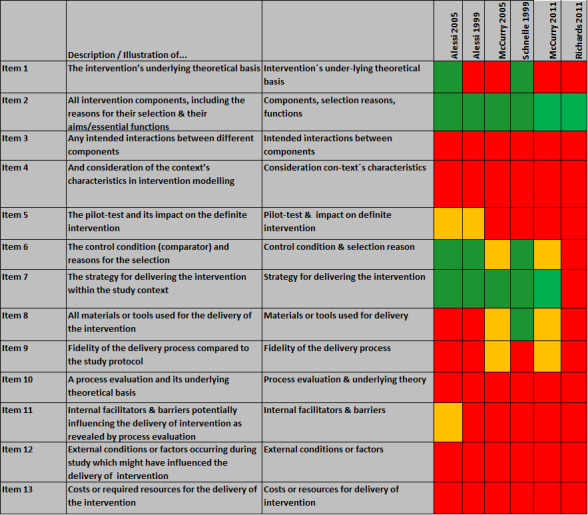
Background: Sleep disturbances occur frequently in people with dementia with a reported prevalence of up to 40%. Common problems are increased number and duration of awakenings and increased percentage of light sleep. Sleep disturbances are associated with a number of problems for people with dementia, their relatives, and carers. In people with dementia, they may lead to worsening of cognitive symptoms, challenging behaviours such as restlessness or wandering, and further harms, such as accidental falls. Sleep disturbances are also associated with significant carer distress and have been reported as a factor contributing to institutionalisation of people with dementia. As pharmacological approaches have shown unsatisfactory results, there is a need to synthesise the research evidence on non-pharmacological strategies to improve sleep in people with dementia. As interventions are often complex, consisting of more than one active component, and implemented in complex contexts, it may not be easy to identify effective intervention components.
Objectives: To evaluate the benefits and harms of non-pharmacological interventions on sleep disturbances in people with dementia compared to usual care, no treatment, any other non-pharmacological intervention, or any drug treatment intended to improve sleep, and to describe the components and processes of any complex intervention included.
Search methods: We used standard, extensive Cochrane search methods. The latest search was 13 January 2022.
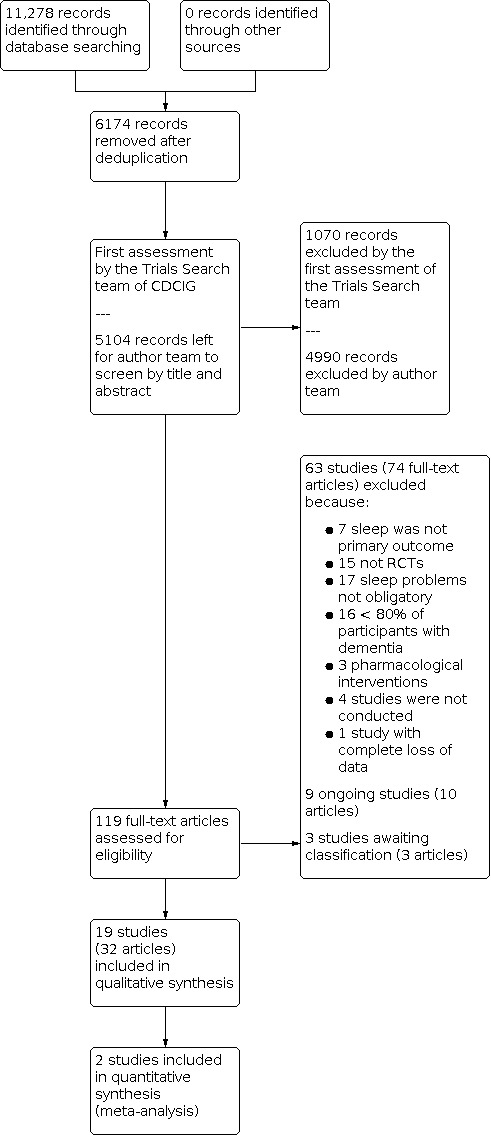
Selection criteria: We included individually or cluster-randomised controlled trials in people with dementia comparing non-pharmacological interventions to improve sleep compared to usual care or to other interventions of any type. Eligible studies had to have a sleep-related primary outcome. We included people with a diagnosis of dementia and sleep problems at baseline irrespective of age, type of dementia, severity of cognitive impairment, or setting. Studies reporting results on a mixed sample (e.g. in a nursing home) were only considered for inclusion if at least 80% of participants had dementia.
Data collection and analysis: We used standard Cochrane methods. Our primary outcomes were 1. objective sleep-related outcomes (e.g. total nocturnal sleep time, consolidated sleep time at night, sleep efficiency, total wake time at night (or time spent awake after sleep onset), number of nocturnal awakenings, sleep onset latency, daytime/night-time sleep ratio, night-time/total sleep ratio over 24 hours) and 2.
Adverse events: Our secondary outcomes were 3. subjective sleep-related outcomes, 4. behavioural and psychological symptoms of dementia, 5. quality of life, 6. functional status, 7. institutionalisation, 8. compliance with the intervention, and 9. attrition rates. We used GRADE to assess the certainty of evidence and chose key outcomes to be included in summary of findings tables.
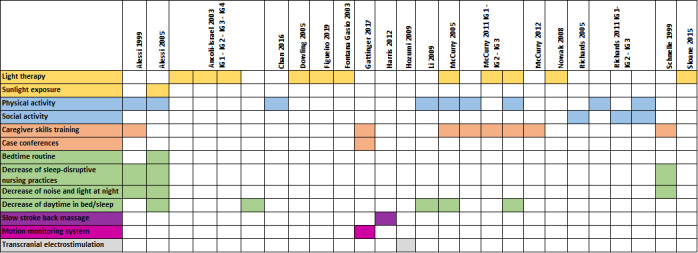
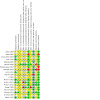
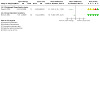
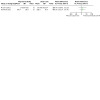
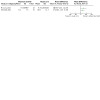
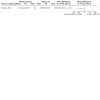
Main results: We included 19 randomised controlled trials with 1335 participants allocated to treatment or control groups. Fourteen studies were conducted in nursing homes, three included community residents, one included 'inpatients', one included people from a mental health centre, and one included people from district community centres for older people. Fourteen studies were conducted in the US. We also identified nine ongoing studies. All studies applied one or more non-pharmacological intervention aiming to improve physiological sleep in people with dementia and sleep problems. The most frequently examined single intervention was some form of light therapy (six studies), five studies included physical or social activities, three carer interventions, one daytime sleep restriction, one slow-stroke back massage, and one transcranial electrostimulation. Seven studies examined multimodal complex interventions. Risk of bias of included studies was frequently unclear due to incomplete reporting. Therefore, we rated no study at low risk of bias. We are uncertain whether light therapy has any effect on sleep-related outcomes (very low-certainty evidence). Physical activities may slightly increase the total nocturnal sleep time and sleep efficiency, and may reduce the total time awake at night and slightly reduce the number of awakenings at night (low-certainty evidence). Social activities may slightly increase total nocturnal sleep time and sleep efficiency (low-certainty evidence). Carer interventions may modestly increase total nocturnal sleep time, may slightly increase sleep efficiency, and may modestly decrease the total awake time during the night (low-certainty evidence from one study). Multimodal interventions may modestly increase total nocturnal sleep time and may modestly reduce the total wake time at night, but may result in little to no difference in number of awakenings (low-certainty evidence). We are uncertain about the effects of multimodal interventions on sleep efficiency (very low-certainty evidence). We found low-certainty evidence that daytime sleep restrictions, slow-stroke back massage, and transcranial electrostimulation may result in little to no difference in sleep-related outcomes. Only two studies reported information about adverse events, detecting only few such events in the intervention groups.
Authors' conclusions: Despite the inclusion of 19 randomised controlled trials, there is a lack of conclusive evidence concerning non-pharmacological interventions for sleep problems in people with dementia. Although neither single nor multimodal interventions consistently improved sleep with sufficient certainty, we found some positive effects on physical and social activities as well as carer interventions. Future studies should use rigorous methods to develop and evaluate the effectiveness of multimodal interventions using current guidelines on the development and evaluation of complex interventions. At present, no single or multimodal intervention can be clearly identified as suitable for widespread implementation.
Copyright © 2023 The Cochrane Collaboration. Published by John Wiley & Sons, Ltd.
Conflict of interest statement
DW: none.
SC: none.
MD: none.
GM: none.
RM: none.
SK: none.
Figures
Update of
References
References to studies included in this review
Alessi 1999 {published data only}
-
- Alessi CA, Yoon EJ, Schnelle JF, Al-Samarrai NR, Cruise PA. A randomized trial of a combined physical activity and environmental intervention in nursing home residents: do sleep and agitation improve? Journal of the American Geriatrics Society 1999;47(7):784-91. - PubMed
Alessi 2005 {published data only}
-
- Alessi CA, Martin J, Marler M, Harker J, Jesphson K. A multicomponent nonpharmacological intervention improves activity rhythms among nursing home residents with disrupted sleep/wake patterns. Journals of Gerontology. Series A, Biological Sciences and Medical Sciences 2007;62A(1):67-72. - PubMed
-
- Alessi CA, Martin JL, Webber AP, Kim EC, Harker JO, Josephson KR. Randomized, controlled trial of a nonpharmacological intervention to improve abnormal sleep/wake patterns in nursing home residents. Journal of the American Geriatrics Society 2005;53(5):803-10. - PubMed
Ancoli‐Israel 2003 {published data only}
-
- Ancoli-Israel S, Gehrman P, Martin JL, Shochat T, Marler M, Corey-Bloom J, et al. Increased light exposure consolidates sleep and strengthens circadian rhythms in severe Alzheimer's disease patients. Behavioral Sleep Medicine 2003;1(1):22-36. - PubMed
Chan 2016 {published and unpublished data}
Dowling 2005 {published data only}
-
- Dowling GA, Luxenberg JS, Davids HR, Davidson A. Light therapy for sleep-activity disruption in Alzheimer's disease. World Alzheimer Congress; 2000 Jul 9-18; Washington (DC).
-
- Dowling GA, Luxenberg JS, Davids HR. Light therapy in Alzheimer's disease. Gerontologist 1999;39(Suppl 1):330-1.
Figueiro 2019 {published data only}
-
- Figueiro MG, Plitnick B, Roohan C, Sahin L, Kalsher M, Rea MS. Effects of a tailored lighting intervention on sleep quality, rest–activity, mood, and behavior in older adults with Alzheimer disease and related dementias: a randomized clinical trial. Journal of Clinical Sleep Medicine 2019;15(12):1757-67. - PMC - PubMed
Fontana Gasio 2003 {published data only}
-
- Fontana Gasio P, Kräuchi K, Cajochen C, Someren EJ, Amrhein I, Pache M, et al. Dawn–dusk simulation light therapy of disturbed circadian rest–activity cycles in demented elderly. Experimental Gerontology 2003;38(1-2):207-16. - PubMed
Gattinger 2017 {published data only}
-
- DRKS00006829. E-health information system for an advanced nursing care process [Einsatz eines E-Health Informationssystems für einen fortgeschrittenen Pflegeprozess]. drks.de/search/de/trial/DRKS00006829 (first received 2 October 2014).
-
- Gattinger H, Hantikainen V, Ott S, Stark M. Effectiveness of a mobility monitoring system included in the nursing care process in order to enhance the sleep quality of nursing home residents with cognitive impairment. Health Technology 2017;7:161-71.
Harris 2012 {published data only}
-
- Harris M, Richards KC, Grando VT. The effects of slow-stroke back massage on minutes of nighttime sleep in persons with dementia and sleep disturbances in the nursing home: a pilot study. Journal of Holistic Nursing 2012;30(4):255-63. - PubMed
Hozumi 1996 {published data only}
-
- Hozumi S, Hori H, Okawa M, Hishikawa Y, Sato K. Favorable effect of transcranial electrostimulation on behavior disorders in elderly patients with dementia: a double-blind study. International Journal of Neuroscience 1996;88(1-2):1-10. - PubMed
Li 2009 {published data only}
-
- Li X, Sun Y, Yan Y. Observation on effect of application of sleep restriction therapy for Alzheimer's disease patients with sleep disorders. Chinese Nursing Research 2009;23(34):6f.
McCurry 2005 {published data only}
-
- McCurry SM, Gibbons LE, Logsdon RG, Vitiello MV, Teri L. Nighttime insomnia treatment and education for Alzheimer's disease: a randomized, controlled trial. Journal of the American Geriatrics Society 2005;53(5):793-802. - PubMed
McCurry 2011 {published data only}
-
- McCurry SM, Logsdon RG, Gibbons LE, Vitello MV, Teri L. Behavioral treatment for sleep disturbances in Alzheimer's disease: the NITE-AD study. Research and Practice in Alzheimer's disease 2006;11:341-6.
-
- McCurry SM, Pike KC, Vitiello MV, Logsdon RG, Larson EB, Teri L. Increasing walking and bright light exposure to improve sleep in community-dwelling persons with Alzheimer's disease: results of a randomized, controlled trial. Journal of the American Geriatrics Society 2011;59(8):1393-402. - PMC - PubMed
-
- McCurry SM. Using behavioral programs to treat sleep problems in individuals with Alzheimer's disease. clinicaltrials.gov/show/NCT00183378 (first received 16 September 2005).
McCurry 2012 {published data only}
-
- McCurry S, Pike KC, LaFazia DM, Logsdon RG, Teri L. Feasibility and efficacy of a sleep education program targeting persons with dementia living in adult family homes. 23rd Annual Meeting of the Associated Professionals Sleep Societies Seattle; 2009 Jun 6-11; Seattle (WA).
-
- McCurry SM. Behavioral sleep intervention in adult family homes. clinicaltrials.gov/ct2/show/NCT00393627 (first received 29 October 2006).
Nowak 2008 {published data only}
-
- Nowak L, Davis J. Qualitative analysis of therapeutic light effects on global function in Alzheimer's disease. Western Journal of Nursing Research 2011;33(7):933-52. - PubMed
-
- Nowak L. The Effect of Timed Blue-Green Light on Sleep-Wake Patterns in Women with Alzheimer's Disease. Detroit (MI): Wayne State University, 2008.
Richards 2005 {published data only}
-
- Richards KC, Beck C, O'Sullivan PS, Shue VM. Effect of individualized social activity on sleep in nursing home residents with dementia. Journal of the American Geriatrics Society 2005;53(9):1510-7. - PubMed
-
- Richards KC. Effect of activity on sleep of cognitively-impaired veterans. clinicaltrials.gov/show/NCT00013182 (first received 16 March 2001).
Richards 2011 {published data only}
-
- Richards KC. Effect of activities and exercise on sleep in dementia. clinicaltrials.gov/show/NCT00888706 (first received 28 April 2009).
Schnelle 1999 {published data only}
-
- Schnelle JF, Alessi CA, Al-Samarrai NR, Fricker RD Jr, Ouslander JG. The nursing home at night: effects of an intervention on noise, light, and sleep. Journal of American Geriatrics Society 1999;47:430-8. - PubMed
References to studies excluded from this review
ACTRN12615000212550 {published data only}
-
- ACTRN12615000212550. The exterior interior can pseudo-natural environments, produced through video projections, improve dementia related symptoms and behaviours. www.anzctr.org.au/Trial/Registration/TrialReview.aspx?ACTRN=12615000212550 (first received 20 February 2015).
ACTRN12617000056392 {published data only}
-
- ACTRN12617000056392. A feasibility trial comparing a behavioural intervention, melatonin and usual care for people with dementia and sleep disturbance. www.anzctr.org.au/Trial/Registration/TrialReview.aspx?ACTRN=12617000056392 (first received 15 December 2016).
ACTRN12618001402235 {published data only}
-
- ACTRN12618001402235. Achieving a good night's sleep using a non-pharmacological approach: a pilot trial in people with dementia and their families. www.anzctr.org.au/Trial/Registration/TrialReview.aspx?ACTRN=12618001402235 (first received 17 October 2018).
Allen 2003 {published data only}
-
- Allen H, Byrne EJ, Sutherland D, Tomenson B, Butler S, Burns A. The effect of bright light therapy on sleep in dementia. International Psychogeriatrics 2003;15(Suppl 2):S092.
Asiret 2018 {published data only}
-
- Asiret GD. Effect of reminiscence therapy on the sleep quality of the elderly living in nursing homes: a randomized clinical trial. European Journal of Integrative Medicine 2018;20:1-5.
Bademli 2019 {published data only}
-
- Bademli K, Lok N, Canbaz M, Lok S. Effects of physical activity program on cognitive function and sleep quality in elderly with mild cognitive impairment: a randomized controlled trial. Perspectives in Psychiatric Care 2019;55(3):401-8. - PubMed
Blytt 2018 {published data only}
Bromundt 2016 {published data only}
-
- Bromundt V, Wirz-Justice A, Boutellier M, Winter S, Terman M, Haberstroh M, et al. The effects of a new dawn–dusk simulator on circadian rest activity cycles sleep, mood and well-being in dementia patients – a pilot study. Journal of Sleep Research 2016;25:294.
Burns 2009 {published data only}
-
- Burns A, Allen H, Tomenson B, Duignan D, Byrne J. Bright light therapy for agitation in dementia: a randomized controlled trial. International Psychogeriatrics 2009;21(4):711-21. - PubMed
Chan 2011 {published data only}
-
- Chan MF. A randomised controlled study of the effects of music on sleep quality in older people. Journal of Clinical Nursing 2011;20(7-8):979-87. - PubMed
Chen 2021 {published data only}
-
- Chen Z, Wang L, Chen K, Mi Q, Zu X, Xu Q, et al. The effects of a multi-disciplinary team on sleep quality assessment in mild-to-moderate Alzheimer's disease patients with sleep disorders. Scottish Medical Journal 2021;66(3):134-41. - PubMed
Cibeira 2021 {published data only}
-
- NCT04949984. Bright light therapy in older adults with moderate to very severe dementia. clinicaltrials.gov/show/NCT04949984 (first received 2 July 2021).
Cimenser 2021 {published data only}
Colenda 1997 {published data only}
-
- Colenda CC, Cohen W, McCall WV, Rosenquist PB. Phototherapy for patients with Alzheimer disease with disturbed sleep patterns: results of a community-based pilot study. Alzheimer Disease and associated Disorders 1997;11:175-8. - PubMed
Connell 2007 {published data only}
-
- Connell BR, Sanford JA, Lewis D. Therapeutic effects of an outdoor activity program on nursing home residents with dementia. Journal of Housing for the Elderly 2007;21(3-4):195-209.
Cremascoli 2022 {published data only}
Dowling 2008 {published data only}
Falck 2020 {published data only}
-
- Falck RS, Davis JC, Best JR, Chan PC, Li LC, Wyrough AB, et al. Effect of a multimodal lifestyle intervention on sleep and cognitive function in older adults with probable mild cognitive impairment and poor sleep: a randomized clinical trial. Journal of Alzheimers Disease 2020;76(1):179-93. - PubMed
Friedman 2012 {published data only}
Hanson 2013 {published data only}
-
- Hanson L, Cagan A, Rinehimer K, Flottemesch T, Clairmont J, Sackett-Lundeen L, et al. Lavender essential oil improves sleep in residents of a memory care assisted living facility. Alzheimer's & Dementia 2013;9:P655-6.
Hjetland 2020 {published data only}
-
- Hjetland GJ, Kolberg E, Pallesen S, Thun E, Nordhus IH, Flo-Groeneboom E. Ambient bright light treatment improved subjectively measured sleep but not sleep measured by actigraphy in nursing home patients with dementia: a placebo-controlled randomized trial. Journal of Sleep Research 2020;29:230-1. - PMC - PubMed
-
- NCT03357328. Therapy light rooms for nursing home patients with dementia. clinicaltrials.gov/ct2/show/NCT03357328 (first received 29 November 2017).
ISRCTN30488204 {published data only}
-
- ISRCTN30488204. A study to evaluate whether light therapy can help people with dementia to sleep better. www.isrctn.com/ISRCTN30488204 (first received 16 December 2015).
Judge 2011 {published data only}
-
- Judge KS, Bass DM, Snow AL, Wilson NL, Morgan R, Looman WJ, et al. Partners in dementia care: a care coordination intervention for individuals with dementia and their family caregivers. Gerontologist 2011;51(2):261-72. - PubMed
Jøranson 2021 {published data only}
-
- Jøranson N, Olsen C, Calogiuri G, Ihlebæk C, Pedersen I. Effects on sleep from group activity with a robotic seal for nursing home residents with dementia: a cluster randomized controlled trial. International Psychogeriatrics 2021;33(10):1045-56. - PubMed
Kobayashi 2011 {published data only}
-
- Kobayashi T, Yamagata Z, Yoshiyama M, Araki I, Takeda M. The effect of warm footbath before sleep on the improvement of both nocturia and nocturnal polyuria in geriatric Japanese female with bothersome nocturia. A randomized crossover study. International Urogynecology Journal 2011;22(Suppl 2):518-9.
Koyama 1999 {published data only}
-
- Koyama E, Matsubara H, Nakano T. Bright light treatment for sleep-wake disturbances in aged individuals with dementia. Psychiatry and Clinical Neurosciences 1999;53(2):227-9. - PubMed
Kuck 2014 {published data only}
-
- Kuck J, Pantke M, Flick U. Effects of social activation and physical mobilization on sleep in nursing home residents. Geriatric Nursing 2014;6:455-61. - PubMed
Lee 2008b {published data only}
-
- Lee Y, Kim S. Effects of indoor gardening on sleep, agitation, and cognition in dementia patients – a pilot study. International Journal of Geriatric Psychiatry 2008;23(5):485-9. - PubMed
Lee 2018a {published data only}
-
- Lee JH, Kim SJ, Lee SH, Suh IB, Jang J, Jhoo JH. Changes in the sleep quality and caregiver burden by timed blue light in Alzheimer's disease. Sleep 2018;41(Suppl):A379-80.
Li 2013 {published data only}
-
- Li CH, Lai CL, Chen CH. Preliminary report of the sleep effect of music therapy in Alzheimer's disease. Alzheimer's & Dementia 2013;9(4S):P297-8.
Li 2017 {published data only}
Liu 2022 {published data only}
-
- Liu CR, Liou YM, Jou JH. Ambient bright lighting in the morning improves sleep disturbances of older adults with dementia. Sleep Medicine 2022;89:1-9. - PubMed
Livingston 2019 {published data only}
-
- ISRCTN36983298. DREAMS START (Dementia related manual for sleep; strategies for relatives). www.isrctn.com/ISRCTN36983298 (first received 2 November 2016).
-
- Livingston G, Barber J, Kinnunen KM, Webster LA. A feasibility and acceptability randomised controlled trial of a manual based intervention for sleep difficulties in people living with dementia (DREAMS-START). Alzheimer's and Dementia 2018;14(7):P1390-1.
-
- Livingston G, Barber JA, Kinnunen KM, Webster L, Kyle SD, Cooper C, et al. DREAMS-START (Dementia RElAted Manual for Sleep; STrAtegies for RelaTives) for people with dementia and sleep disturbances: a single-blind feasibility and acceptability randomized controlled trial. International Psychogeriatrics 2019;31(2):251-65. - PMC - PubMed
Lyketsos 1999 {published data only}
-
- Lyketsos CG, Veiel LL, Baker A, Steele C. A randomized controlled trial of bright light therapy for agitated behaviors in dementia patients residing in long-term care. International Journal of Geriatric Psychiatry 1999;14(7):520-5. - PubMed
Mailloux 2019 {published data only}
-
- Mailloux M, Belzile F, Sasseville B, Bastien C, Hudon C, Vallieres A. Effects of two physical activity programs on sleep quality in MCI individuals: a pilot study. Sleep Medicine 2019;64:S30.
Mishima 1994 {published data only}
-
- Mishima K, Okawa M, Hishikawa Y, Hozumi S, Hori H, Takahashi K. Morning bright light therapy for sleep and behavior disorders in elderly patients with dementia. Acta Psychiatrica Scandinavica 1994;89(1):1-7. - PubMed
Mishima 1998 {published data only}
-
- Mishima K, Hishikawa Y, Okawa M. Randomized, dim light controlled, crossover test of morning bright light therapy for rest–activity rhythm disorders in patients with vascular dementia and dementia of Alzheimer's type. Chronobiology International 1998;15(6):647-54. - PubMed
-
- Okawa M, Mishima K, Hozumi S. Effects of environmental stimulation with bright light a transcranial electrostimulation on sleep and behavior disorders in elderly patients with dementia. Alzheimer's Disease and Related Disorders 1999;87:757-62.
Most 2010 {published data only}
Moyle 2018 {published data only}
-
- Moyle W, Beattie E, Draper B, Shum D, Thalib L, Jones C, et al. Robotic seals – what do we know about their impact on people with dementia? International Psychogeriatrics 2015;27:175-6.
-
- Moyle W, Jones C, Murfield J, Thalib L, Beattie E, Shum D, et al. Effect of a robotic seal on the motor activity and sleep patterns of older people with dementia, as measured by wearable technology: a cluster-randomised controlled trial. Maturitas 2018;110:10-7. - PubMed
Naismith 2019 {published data only}
-
- Naismith SL, Pye J, Palmer J, Hoyos C, Duffy SL. How does sleep–wake disturbance relate to neuropsychological and neuroimaging markers in older people at risk for dementia? Alzheimer's and Dementia 2019;15(7):523.
Nascimento 2014 {published data only}
-
- Nascimento CM, Ayan C, Cancela JM, Gobbi LT, Gobbi S, Stella F. Effect of a multimodal exercise program on sleep disturbances and instrumental activities of daily living performance on Parkinson's and Alzheimer's disease patients. Geriatrics & Gerontology International 2014;14(2):259-66. - PubMed
NCT01123993 {published data only}
-
- NCT01123993. The effect of Thai traditional music on cognitive function, psychological health and quality of sleep among Thai older individuals with dementia. clinicaltrials.gov/ct2/show/NCT01123993 (first received 14 May 2010).
NCT01816152 {published data only}
-
- NCT01816152. Methodology issues in a tailored light treatment for persons with dementia. clinicaltrials.gov/ct2/show/NCT01816152 (first received 22 March 2013).
NCT01894620 {published data only}
-
- NCT01894620. Investigating the effect of repetitive transcranial magnetic stimulation as a treatment for Alzheimer's disease and on sleep quality. clinicaltrials.gov/ct2/show/NCT01894620 (first received 10 July 2013).
NCT03445299 {published data only}
-
- NCT03445299. Music for dementia-related sleep problems. clinicaltrials.gov/ct2/show/NCT03445299 (first received 26 February 2018).
NCT04364191 {published data only}
-
- NCT04364191. Multicomponent behavioral sleep intervention for insomnia in older adults with mild cognitive impairment. clinicaltrials.gov/show/NCT04364191 (first received 28 April 2020).
Nguyen 2012 {published data only}
NL1422 {published data only}
-
- NL1422. Implementation of 30 minutes walking in daily care of older people with dementia. www.trialregister.nl/trial/1422 (first received 1 November 2008).
Ouslander 2006 {published data only}
-
- Ouslander JG, Connell BR, Bliwise DL, Endeshaw Y, Griffiths P, Schnelle JF. A nonpharmacological intervention to improve sleep in nursing home patients: results of a controlled clinical trial. Journal of the American Geriatrics Society 2006;54(1):38-47. - PubMed
Pa 2014 {published data only}
Page 2014 {published data only}
-
- Page A, Manchip S, Nahas H. Treatment for sleep disturbance in dementia. Midlife & Beyond 2014;44(11):33-5.
Pu 2021 {published data only}
-
- Pu L, Moyle W, Jones C, Todorovic M. The effect of a social robot intervention on sleep and motor activity of people living with dementia and chronic pain: a pilot randomized controlled trial. Maturitas 2021;144:16-22. - PubMed
Richards 2020 {published data only}
-
- Richards K, Morrison J, Wang YY, Rangel A, Loera A, Hanlon A, et al. Nighttime agitation and restless legs syndrome in persons with Alzheimer's disease: study protocol for a double-blind, placebo-controlled, randomized trial (NightRest). Research in Gerontological Nursing 2020;13:1-9. - PMC - PubMed
Riemersma‐van der Lek 2008 {published data only}
-
- Riemersma-van der Lek RF, Swaab DF, Twisk J, Hol EM, Hoogendijk WJ, Someren EJ. Effect of bright light and melatonin on cognitive and noncognitive function in elderly residents of group care facilities: a randomized controlled trial. JAMA 2008;299(22):2642-55. - PubMed
Rodríguez‐Mansilla 2013 {published data only}
-
- Rodríguez-Mansilla J, González-López-Arza MV, Varela-Donoso E, Montanero-Fernández J, Jiménez-Palomares M, Garrido-Ardila EM. Ear therapy and massage therapy in the elderly with dementia: a pilot study. Journal of Traditional Chinese Medicine 2013;33(4):461-7. - PubMed
Sloane 2007 {published data only}
-
- Sloane PD, Williams CS, Mitchell CM, Preisser JS, Wood W, Barrick AL, et al. High-intensity environmental light in dementia: effect on sleep and activity. Journal of the American Geriatrics Society 2007;55(10):1524-33. - PubMed
Sun 2013 {published data only}
-
- Sun J, Kang J, Wang P, Zeng H. Self-relaxation training can improve sleep quality and cognitive functions in the older: a one-year randomised controlled trial. Journal of Clinical Nursing 2013;22(9-10):1270-80. - PubMed
Tanaka 2012 {published data only}
van Os 2012 {published data only}
Warburton 2013 {published data only}
-
- Warburton K, Simpson L. Non-pharmacological treatment of sleep disturbance in elderly people with dementia: a review of the literature. Age and Ageing 2013;42(Suppl 2):ii12.
Wilhelmsen‐Langeland 2013 {published data only}
-
- Wilhelmsen-Langeland A, Saxvig IW, Pallesen S, Nordhus IH, Vedaa Ø, Lundervold AJ, et al. A randomized controlled trial with bright light and melatonin for the treatment of delayed sleep phase disorder: effects on subjective and objective sleepiness and cognitive function. Journal of Biological Rhythms 2013;28(5):306-21. - PubMed
Wolfe 1996 {published data only}
-
- Wolfe N, Herzberg J. Can aromatherapy oils promote sleep in severely demented patients? International Journal of Geriatric Psychiatry 1996;11(10):926-7.
Zeng 2016 {published data only}
-
- Zeng H, Liu M, Wang P, Kang J, Lu F, Pan L. The effects of acupressure training on sleep quality and cognitive function of older adults: a 1-year randomized controlled trial. Research in Nursing & Health 2016;5:328-36. - PubMed
References to studies awaiting assessment
Katagi 2018 {published data only}
-
- Katagi A, Miyai N. Effects of short-term nap and light exercise on sleep among elderly patients with mild-to-moderate dementia in communal living group homes. Nippon Eiseigaku Zasshi – Japanese Journal of Hygiene 2018;73(3):365-72. - PubMed
NCT02502045 {unpublished data only}
-
- NCT02502045. A study to examine the effect of therapeutic light on sleep, circadian rhythm, and global function in women with Alzheimer's disease. clinicaltrials.gov/ct2/show/NCT02502045 (first received 17 July 2015).
References to ongoing studies
ChiCTR2000039991 {published data only}
-
- ChiCTR2000039991. The effectiveness of light therapy on sleep quality, cognitive function, BPSD, and depression in patients with mild cognitive impairment and dementia: a randomized controlled trial. trialsearch.who.int/Trial2.aspx?TrialID=ChiCTR2000039991 (first received 16 November 2020).
Dichter 2021 {published data only}
-
- Dichter MN, Berg A, Hylla J, Eggers D, Wilfling D, Möhler R, et al. Evaluation of a multi-component, non-pharmacological intervention to prevent and reduce sleep disturbances in people with dementia living in nursing homes (MoNoPol-sleep): study protocol for a cluster-randomized exploratory trial. BMC Geriatrics 2021;21(1):40. - PMC - PubMed
Hodgson 2021 {published data only}
ISRCTN13072268 {published data only}
-
- ISRCTN13072268. A parallel multi-centre randomised controlled trial to determine the clinical and cost-effectiveness of DREAMS START (Dementia RElAted Manual for Sleep; STrAtegies for RelaTives) for people living with dementia and their carers. www.isrctn.com/ISRCTN13072268 (first received 12 August 2020).
NCT03455569 {published data only}
-
- NCT03455569. A dyadic sleep intervention for Alzheimer's disease patients and their caregivers. clinicaltrials.gov/ct2/show/NCT03455569 (first received 6 March 2018).
NCT03777722/NCT03933696 {published data only}
-
- NCT03777722. Light and the effect on metabolic syndrome and Alzheimer's disease. clinicaltrials.gov/ct2/show/NCT03777722 (first received 17 December 2018).
-
- NCT03933696. Light, metabolic syndrome and Alzheimer's disease – AIM 2. clinicaltrials.gov/ct2/show/NCT03933696 (first received 1 May 2019).
NCT04073628 {published data only}
-
- NCT04073628. The long-term impact of a light intervention on sleep and cognition in mild cognitive impairment. clinicaltrials.gov/ct2/show/NCT04073628 (first received 29 August 2019).
NCT04533815 {published data only}
-
- NCT04533815. Enhancing sleep quality for nursing home residents with dementia (40Winks). clinicaltrials.gov/show/NCT04533815 (first received 1 September 2020).
UMIN000042051 {published data only}
-
- UMIN000042051. The effectiveness of Tai Chi on the sleep, physical and mental health for the elderly with dementia: 3-arm randomized controlled trial. rctportal.niph.go.jp/en/detail?trial_id=UMIN000042051 (first received 1 January 2021).
Additional references
Ancoli‐Israel 1997
Ancoli‐Israel 2006
-
- Ancoli-Israel S, Vitiello MV. Sleep in dementia. American Journal of Geriatric Psychiatry 2006;14:91-4. - PubMed
Anderson 2013
-
- Anderson L, Petticrew M, Chandler J, Grimshaw J, Tugwell P, O'Neill J, et al. Introducing a series of methodological articles on considering complexity in systematic reviews of interventions. Journal of Clinical Epidemiology 2013;66:1205-8. - PubMed
Brown 2013
-
- Brown C, Berry R, Tan M, Khoshia A, Turlapati L, Swedlove F. A critique of the evidence base for non-pharmacological sleep interventions for persons with dementia. Dementia (London, England) 2013;12:210-37. - PubMed
Burns 2009
-
- Burns A, Iliffe S. Dementia. BMJ 2009;338:b75. - PubMed
Buysse 1989
-
- Buysse DJ, Reynolds CF, Monk TH, Berman SR, Kupfer DJ. The Pittsburgh Sleep Quality Index: a new instrument for psychiatric practice and research. Psychiatric Research 1989;28(2):193-213. - PubMed
Campbell 2020
Capezuti 2018
Cipriani 2015
-
- Cipriani G, Lucetti C, Danti S, Nuti A. Sleep disturbances and dementia. Psychogeriatrics 2015;15:65-74. - PubMed
Colton 2006
-
- Colton HR, Altevogt BM, editor(s). Sleep Disorders and Sleep Deprivation: an Unmet Public Health Problem. Washington (DC): The National Academies Press, 2006. - PubMed
Craig 2008
Datta 2013
Dauvilliers 2007
-
- Dauvilliers Y. Insomnia in patients with neurodegenerative conditions. Sleep Medicine 2007;4(Suppl):S27-34. - PubMed
David 2010
-
- David R, Zeitzer J, Friedman L, Noda A, O'Hara R, Robert P, et al. Non-pharmacologic management of sleep disturbance in Alzheimer's disease. Journal of Nutrition, Health & Aging 2010;14:203-6. - PubMed
Eldridge 2016
Ferri 2005
Forbes 2014
-
- Forbes D, Blake CM, Thiessen E, Peacook S, Hawranik P. Light therapy for improving cognition, activities of daily living, sleep, challenging behaviour, and psychiatric disturbances in dementia. Cochrane Database of Systematic Reviews 2014, Issue 2. Art. No: CD003946. [DOI: 10.1002/14651858.CD003946.pub4] - DOI - PMC - PubMed
Gibson 2014
-
- Gibson R, Gander P, Jones L. Understanding the sleep problems of people with dementia and their family caregivers. Dementia (London, England) 2014;13:350-65. - PubMed
GRADEpro GDT [Computer program]
-
- GRADEpro GDT. Version accessed 6 December 2022. Hamilton (ON): McMaster University (developed by Evidence Prime). Available from gradepro.org.
Guyatt 2011
-
- Guyatt G, Oxman AD, Akl EA, Kunz R, Vist G, Brozek J, et al. GRADE guidelines: 1. Introduction – GRADE evidence profiles and summary of findings tables. Journal of Clinical Epidemiology 2011;64(4):383-94. - PubMed
Higgins 2019
-
- Higgins JP, Thomas J, Chandler J, Cumpston M, Li T, Page MJ, Welch VA, editor(s). Cochrane Handbook for Systematic Reviews of Interventions. 2nd edition. Chichester (UK): John Wiley & Sons, 2019.
Higgins 2020
-
- Higgins JP, Savović J, Page MJ, Elbers RG, Sterne JA. Chapter 8: Assessing risk of bias in randomized trials. In: Higgins JP, Thomas J, Chandler J, Cumpston M, Li T, Page MJ, Welch VA, editor(s). Cochrane Handbook for Systematic Reviews of Interventions Version 6.1 (updated September 2020). Cochrane, 2020. Available from training.cochrane.org/handbook/archive/v6.1.
Hintze 2005 [Computer program]
-
- Number Crunching Statistical Software. Hintze J, Version accessed prior to 20 December 2022. Kaysville (UT): Number Crunching Statistical Systems, 2005.
Hjetland 2020
-
- Hjetland GJ, Pallesen S, Thun E, Kolberg E, Nordhus IH, Flo E. Light interventions and sleep, circadian, behavioral, and psychological disturbances in dementia: a systematic review of methods and outcomes. Sleep Medicine Reviews 2020;52:101310. - PubMed
Hoffmann 2014
-
- Hoffmann T, Glasziou P, Boutron I, Milne R, Perera R, Moher D, et al. Better reporting of interventions: template for intervention description and replication (TIDieR) checklist and guide. BMJ 2014;348:g1687. - PubMed
Hurd 2013
Larson 2013
Lee 2011
-
- Lee D, Thomas A. Sleep in dementia and caregiving – assessment and treatment implications: a review. International Psychogeriatrics / IPA 2011;23:190-201. - PubMed
Leicht 2013
Li 2019
-
- Li P, Fan W, Yu L, Lim AS, Buchman AS, Bennett DA, et al. Interaction between the progression of Alzheimer's dementia and circadian disturbances: a 13-year longitudinal study in community-based older adults. Sleep 2019;42(S1):A123.
Li 2020
-
- Li T, Higgins JP, Deeks JJ. Chapter 5: Collecting Data. In: Higgins JP, Thomas J, Chandler J, Cumpston M, Li T, Page MJ, Welch VA, editor(s). Cochrane Handbook for Systematic Reviews of Interventions Version 6.1 (updated September 2020). Cochrane, 2020. Available from training.cochrane.org/handbook/archive/v6.1.
Livingston 2014
-
- Livingston G, Kelly L, Lewis-Holmes E, Baio G, Morris S, Patel N. A systematic review of the clinical effectiveness and cost-effectiveness of sensory, psychological and behavioural interventions for managing agitation in older adults with dementia. Health Technology Assessment 2014;18:1-vi. - PMC - PubMed
Lorenz 2018
McCleery 2020
McCurry 1999
-
- McCurry S, Logsdon R, Teri L, Gibbons L, Kukull W, Bowen J, et al. Characteristics of sleep disturbance in community-dwelling Alzheimer's disease patients. Journal of Geriatric Psychiatry and Neurology 1999;12:53-9. - PubMed
Möhler 2015
Mollayeva 2016
-
- Mollayeva T, Thurairajah P, Burton K, Mollayeva S, Shapiro CM, Colantonio A. The Pittsburgh Sleep Quality Index as a screening tool for sleep dysfunction in clinical and non-clinical samples: a systematic review and meta-analysis. Sleep Medicine Reviews 2016;25:52-73. - PubMed
Montgomery 2003
Moore 2015
Noyes 2019
O'Caoimh 2019
-
- O'Caoimh R, Mannion H, Sezgin D, O'Donovan MR, Liew A, Molloy WD. Non-pharmacological treatments for sleep disturbance in mild cognitive impairment and dementia: a systematic review and meta-analysis. Maturitas 2019;127:82-94. - PubMed
O'Neil 2011
-
- O'Neil M, Freeman M, Christensen V, Telerant R, Addleman A, Kansagara D. A Systematic Evidence Review of Non-pharmacological Interventions for Behavioral Symptoms of Dementia. Washington (DC): Department of Veterans Affairs, 2011. - PubMed
Prince 2015
-
- Prince M, Wu F, Guo Y, Gutierrez Robledo L, O'Donnell M, Sullivan R, et al. The burden of disease in older people and implications for health policy and practice. Lancet 2015;385:549-62. - PubMed
Quante 2018
RevMan Web 2022 [Computer program]
-
- Review Manager Web (RevMan Web). Version 4.12.0. The Cochrane Collaboration, 2022. Available at revman.cochrane.org.
Ritchie 1996
-
- Ritchie K. Behavioral disturbances of dementia in ambulatory care settings. International Psychogeriatrics 1996;8(Suppl 3):439-42. - PubMed
Saeed 2017
-
- Saeed Y, Abbott SM. Circadian disruption associated with Alzheimer's disease. Current Neurology and Neuroscience Reports 2017;17(4):29. - PubMed
Sagha 2018
Salami 2011
Schünemann 2011
-
- Schünemann HJ, Oxman AD, Higgins JP, Vist GE, Glasziou P, Guyatt GH. Chapter 11: Presenting results and 'Summary of findings' tables. In: Higgins JP, Green S, editor(s), Cochrane Handbook for Systematic Reviews of Interventions Version 5.1.0 (updated March 2011). The Cochrane Collaboration, 2011. Available from training.cochrane.org/handbook/archive/v5.1/.
Shang 2019
-
- Shang B, Yin H, Jia Y, Zhao J, Meng X, Chen L, et al. Nonpharmacological interventions to improve sleep in nursing home residents: a systematic review. Geriatric Nursing 2019;40:405-19. - PubMed
Song 2010
-
- Song Y, Dowling G, Wallhagen M, Lee K, Strawbridge W. Sleep in older adults with Alzheimer's disease. Journal of Neuroscience Nursing 2010;42:190-8. - PubMed
van Egroo 2019
WHO 2020
-
- World Health Organization. Dementia 2020. www.who.int/news-room/fact-sheets/detail/dementia (accessed prior to 1 December 2022).
Wilfling 2019
-
- Wilfling D, Dichter MN, Trutschel D, Köpke S. Sleep disturbances in German nursing home residents with dementia: a multicenter cross-sectional study. Journal of Alzheimer's Disease 2019;69:227-36. - PubMed
Wilfling 2021
-
- Wilfling D, Hylla J, Berg A, Meyer G, Köpke S, Halek M, et al. Characteristics of multicomponent, nonpharmacological interventions to reduce or avoid sleep disturbances in nursing home residents: a systematic review. International Psychogeriatrics 2021;33(3):245-73. - PubMed
References to other published versions of this review
Publication types
MeSH terms
LinkOut - more resources
Full Text Sources
Medical
Research Materials
