


Functional analysis in a model sea anemone reveals phylogenetic complexity and a role in cnidocyte discharge of DEG/ENaC ion channels
- PMID: 36609696
- PMCID: PMC9822975
- DOI: 10.1038/s42003-022-04399-1
Functional analysis in a model sea anemone reveals phylogenetic complexity and a role in cnidocyte discharge of DEG/ENaC ion channels
Abstract
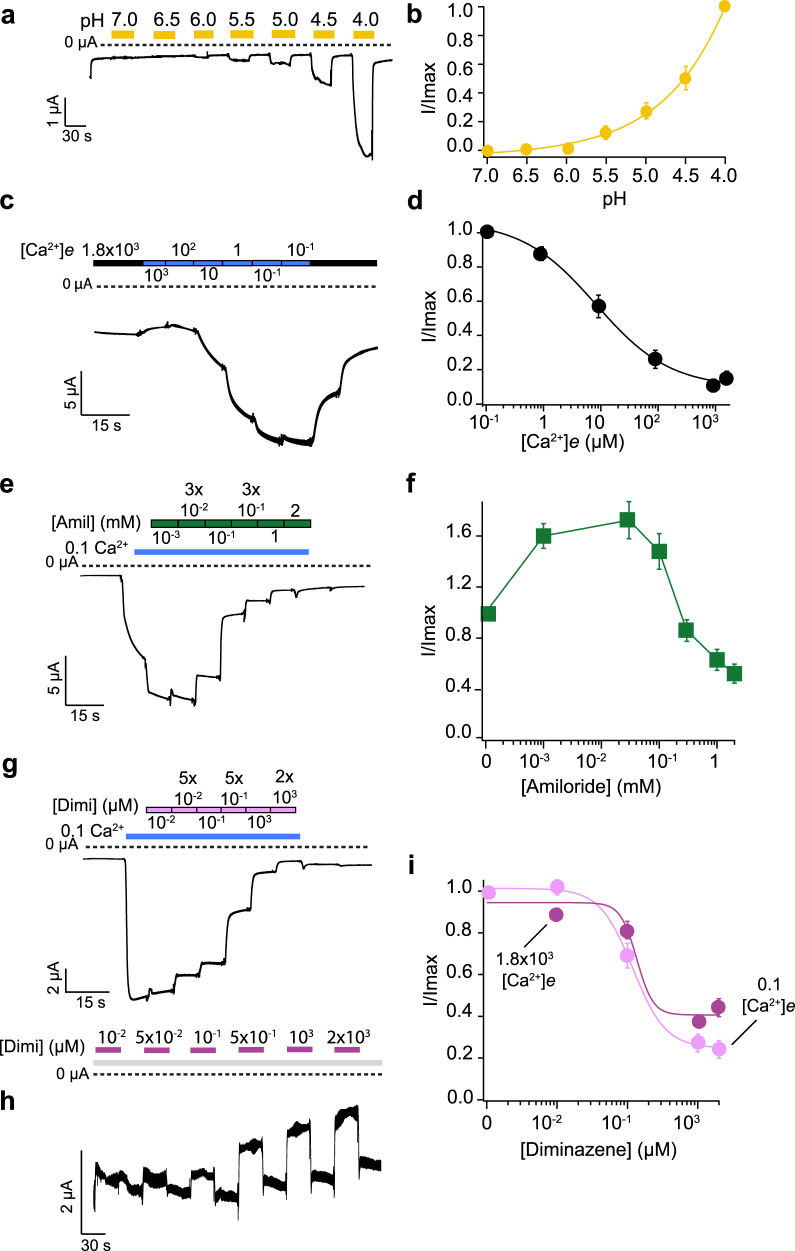
Ion channels of the DEG/ENaC family share a similar structure but serve strikingly diverse biological functions, such as Na+ reabsorption, mechanosensing, proton-sensing, chemosensing and cell-cell communication via neuropeptides. This functional diversity raises the question of the ancient function of DEG/ENaCs. Using an extensive phylogenetic analysis across many different animal groups, we found a surprising diversity of DEG/ENaCs already in Cnidaria (corals, sea anemones, hydroids and jellyfish). Using a combination of gene expression analysis, electrophysiological and functional studies combined with pharmacological inhibition as well as genetic knockout in the model cnidarian Nematostella vectensis, we reveal an unanticipated role for a proton-sensitive DEG/ENaC in discharge of N. vectensis cnidocytes, the stinging cells typifying all cnidarians. Our study supports the view that DEG/ENaCs are versatile channels that have been co-opted for diverse functions since their early occurrence in animals and that respond to simple and ancient stimuli, such as omnipresent protons.
© 2023. The Author(s).
Conflict of interest statement
The authors declare that they have no competing interests.
Figures



References
-
- Jasti J, Furukawa H, Gonzales EB, Gouaux E. Structure of acid-sensing ion channel 1 at 1.9 A resolution and low pH. Nature. 2007;449:316–323. - PubMed
-
- Kellenberger S, Schild L. International Union of Basic and Clinical Pharmacology. XCI. structure, function, and pharmacology of acid-sensing ion channels and the epithelial Na+ channel. Pharm. Rev. 2015;67:1–35. - PubMed
-
- Rossier BC, Baker ME, Studer RA. Epithelial sodium transport and its control by aldosterone: the story of our internal environment revisited. Physiol. Rev. 2015;95:297–340. - PubMed
Publication types
MeSH terms
Substances
LinkOut - more resources
Full Text Sources
