Review
. 2023 Feb;19(2):91-108.
doi: 10.1038/s41582-022-00762-2. Epub 2023 Jan 10.

Facioscapulohumeral muscular dystrophy: the road to targeted therapies

Affiliations
Review

Facioscapulohumeral muscular dystrophy: the road to targeted therapies

Mara S Tihaya et al. Nat Rev Neurol. 2023 Feb.

Abstract

Advances in the molecular understanding of facioscapulohumeral muscular dystrophy (FSHD) have revealed that FSHD results from epigenetic de-repression of the DUX4 gene in skeletal muscle, which encodes a transcription factor that is active in early embryonic development but is normally silenced in almost all somatic tissues. These advances also led to the identification of targets for disease-altering therapies for FSHD, as well as an improved understanding of the molecular mechanism of the disease and factors that influence its progression. Together, these developments led the FSHD research community to shift its focus towards the development of disease-modifying treatments for FSHD. This Review presents advances in the molecular and clinical understanding of FSHD, discusses the potential targeted therapies that are currently being explored, some of which are already in clinical trials, and describes progress in the development of FSHD-specific outcome measures and assessment tools for use in future clinical trials.


Conflict of interest statement

Competing interests

K.M. declares that she has acted as a consultant for Avidity Biosciences. S.J.T. declares that he has acted as a consultant for Avidity Biosciences and is a Board member for Renogenyx. R.T. declares that he has acted as a consultant and/or is a member of the advisory board for Arrowhead Pharma, Avidity Biosciences, Dyne Therapeutics, Fulcrum Therapeutics, Mitsubishi Tanabe Pharma, miRecule Biotech and Roche. J.M.S. declares that he has acted as a consultant and/or is a member of the advisory board for Acceleron, Avidity Biosciences, Dyne Therapeutics, Fulcrum Therapeutics, Ionis, ML Bio Solutions, Mitsubishi Tanabe Pharma, Roche and Sarepta. S.M.v.d.M. declares that he has acted as consultant and/or is a member of the advisory board for Avidity Biosciences, Dyne Therapeutics and Fulcrum Therapeutics and is a Board member for Renogenyx. The other authors declare no competing interests.

Figures
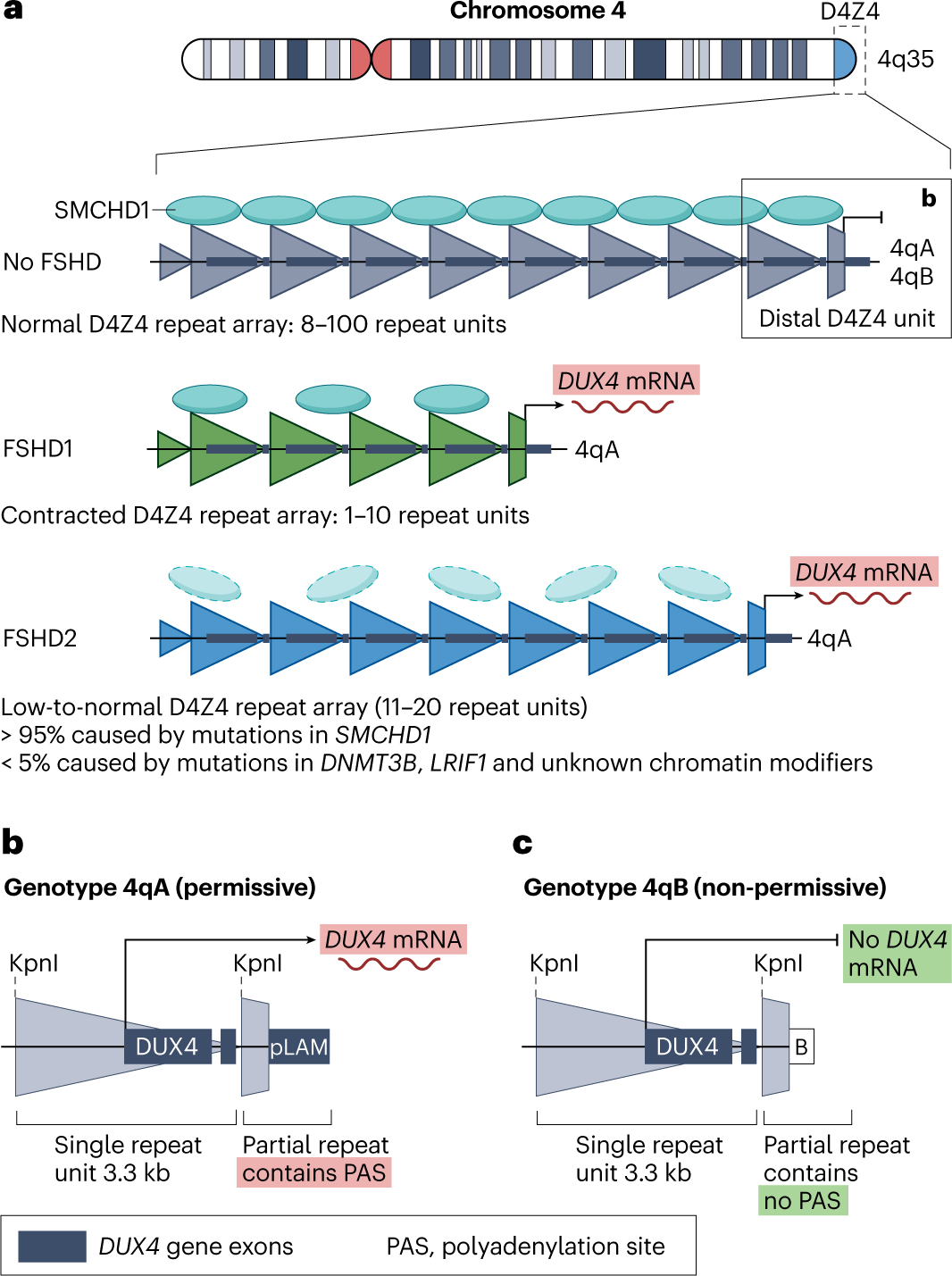
Fig. 1 |
Fig. 1 |. The D4Z4 repeat array on chromosome 4q in healthy individuals and patients with facioscapulohumeral muscular dystrophy.
a, The D4Z4 macrosatellite tandem repeat array occurs in the subtelomeric region of the long arm of chromosome 4 (region 4q35). Each large triangle represents a single 3.3 kb D4Z4 unit. In healthy individuals, the D4Z4 array consists of 8–100 units and is epigenetically repressed, in part through structural maintenance of chromosomes flexible hinge domain containing protein 1 (SMCHD1) enrichment. In patients with facioscapulohumeral muscular dystrophy type 1 (FSHD1), the D4Z4 array is contracted on at least one allele to <10 repeats, leading to a more open chromatin structure and partial loss of SMCHD1 that ultimately enables DUX4 transcription from the most distal unit. In patients with FSHD2, a mutation either in SMCHD1 (>95% of patients) or in genes encoding other D4Z4 chromatin modifiers, such as DNMT3B and LRIF1 (≤5% of patients), de-represses DUX4 despite a low-to-intermediate normal-sized D4Z4 array. b, The most distal D4Z4 tandem repeat unit is flanked by an incomplete repeat (truncated triangle) followed by two equally prevalent genotypes, 4qA and 4qB, of which 4qA contains a 3ʹ-UTR DUX4 sequence. The pLAM region containing the PAS necessary to produce a stable DUX4 transcript is uniquely present in the 4qA genotype. Thus, transcription of the DUX4 retrogene can only occur from the most distal D4Z4 repeat unit in individuals with the 4qA genotype. KpnI, restriction enzyme cleavage site used for FSHD diagnostics; mRNA, messenger RNA; pLAM, DNA region flanking distal D4Z4 repeat unique to the 4qA genotype.
Fig. 2 |
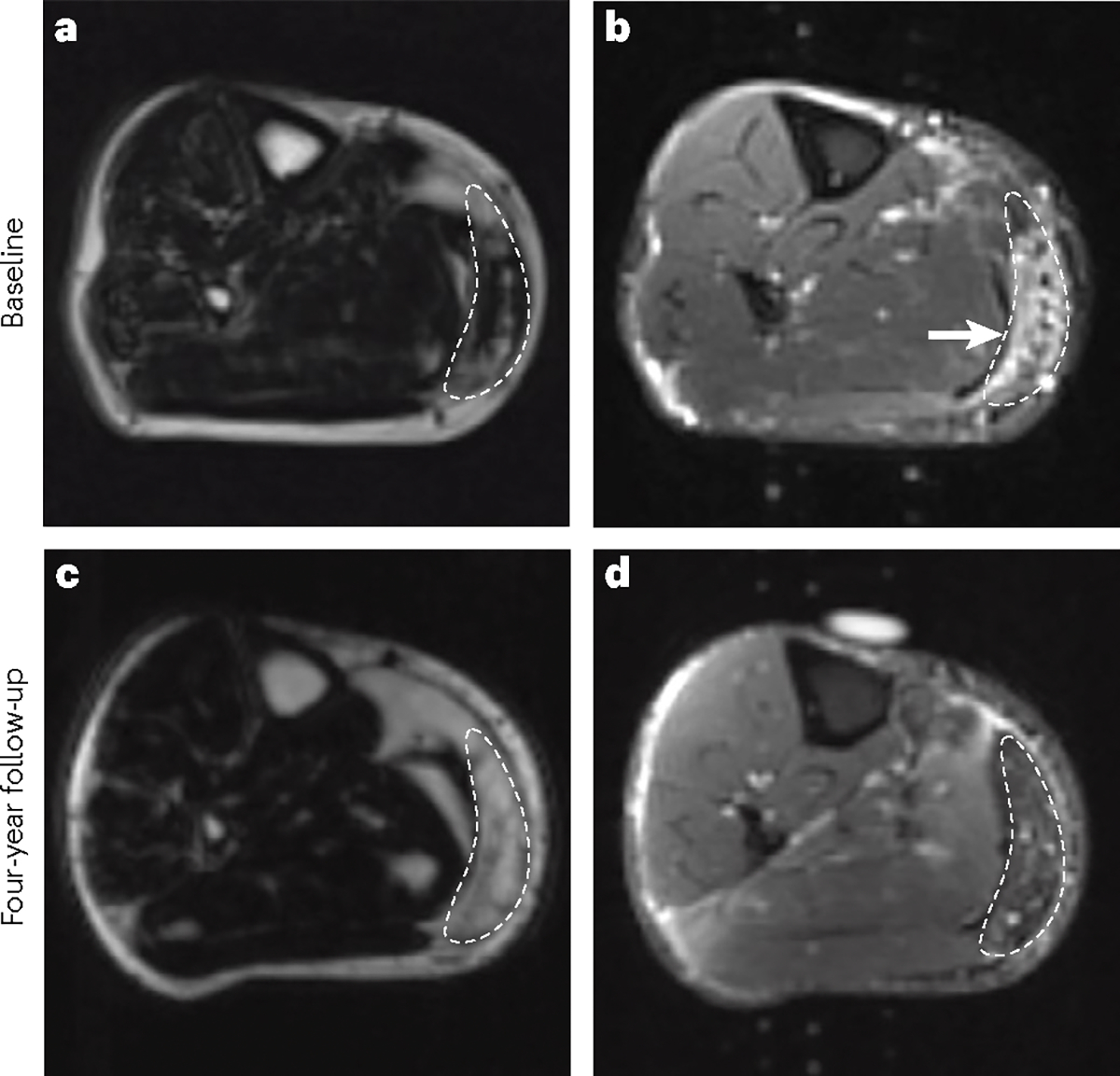
Fig. 2 |. Progression of facioscapulohumeral muscular dystrophy can be measured with MRI.
a, An MRI scan (Dixon sequence) showing mild-to-moderate fatty infiltration in a region of interest (outlined) of the right medial gastrocnemius muscle. b, A corresponding short tau inversion recovery image of the same patient shows a hyperintense signal (arrowhead) indicative of muscle inflammation. c, Follow-up MRI scan (Dixon sequence) of the right medial gastrocnemius muscle 4 years later of the same patient, showing facioscapulohumeral muscular dystrophy progression to near-complete fatty infiltration of the muscle tissue. d, A corresponding short tau inversion recovery image at the same time point shows that the hyperintense signal (muscle inflammation) has disappeared.
Fig. 3 |
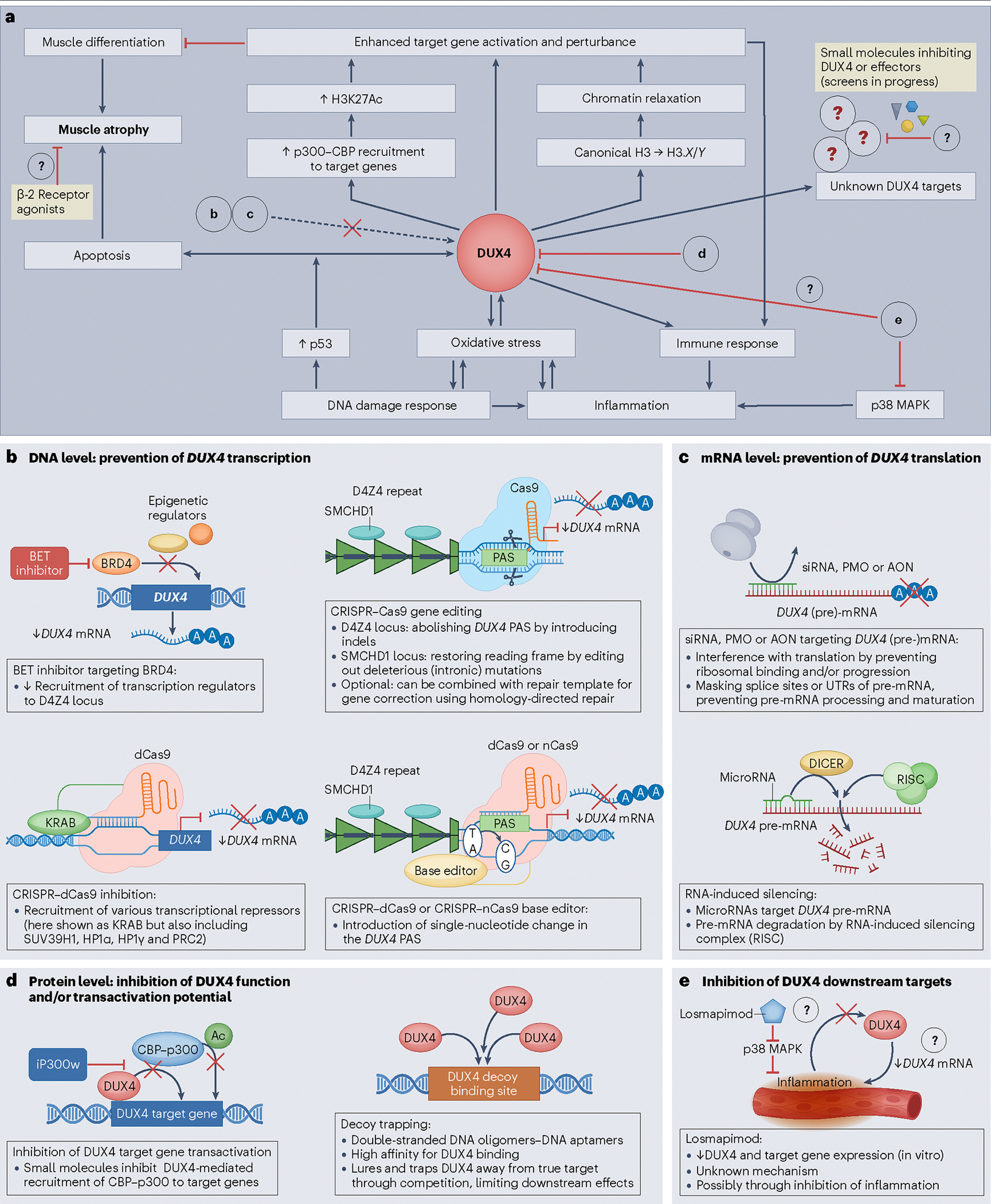
Fig. 3 |. DUX4-mediated pathways and possible methods of therapeutic inhibition.
a, Pathways that are (partly) upregulated by and/or respond to DUX4 protein in skeletal muscle lead to transcriptional deregulation, inflammation and muscle atrophy. Possible interventions targeting either DUX4 function or DUX4 effectors are indicated with red inhibitory arrows. Bold letters refer to detailed figure panels showing the potential mechanisms that can attenuate the cytotoxic effects of DUX4. b, Top left. Bromodomain-containing protein 4 (BRD4) is an epigenetic regulator that activates DUX4 transcription by recruiting additional epigenetic regulators to the D4Z4 repeat. Bromodomain and extraterminal domain (BET) inhibitors block this BRD4-dependent recruitment and reduce DUX4 transcription. b, Bottom left. Clustered regularly interspaced short palindromic repeat (CRISPR)–dCas9 (‘dead’ caspase 9) inhibition recruits Krüppel-associated box (KRAB) zinc finger proteins and other transcriptional repressors to D4Z4, thereby reducing transcription of DUX4 and/or DUX4 target genes. b, right. CRISPR–Cas9 editing disrupts the polyadenylation signal (PAS), either through (top) inducing insertion–deletion mutations (indels) via double-stranded DNA breaks (traditional Cas9) or by (bottom) targeted conversion of a single DNA base pair using dCas9 or Cas9 nickase (nCas9) fused to a base editor protein. c, Phosphorodiamidate morpholino oligomers (PMOs), small interfering (si) RNAs or antisense oligonucleotides (AONs) bind to DUX4 transcripts and prevent maturation of pre-messenger RNA (mRNA) or ribosomal binding to mature mRNAs, thereby blocking translation. MicroRNAs that target DUX4 pre-mRNA can induce degradation of the RNA through the endoribonuclease DICER-activated RNA-induced silencing complex. d, At the protein level, DUX4 function can be blocked by the small molecule iP300w, which interferes with DUX4-dependent recruitment of the cyclic adenosine monophosphate response element binding protein (CREB)–p300 lysine acetyltransferase transcriptional activator complex, thereby inducing transcriptional deregulation. Alternatively, introducing competing high-affinity binding sites for DUX4 traps and prevents DUX4 from binding to its target genes. e, Although the exact mechanism of action of the p38 mitogen-activated protein kinase (MAPK) inhibitor losmapimod is unknown, this agent is proposed to reduce inflammation, possibly disrupting a feedforward loop that would otherwise increase DUX4 expression by increasing intracellular oxidative stress. SMCHD1, structural maintenance of chromosomes flexible hinge domain containing protein 1; UTR, untranslated region.

References

    1. Deenen JC et al. Population-based incidence and prevalence of facioscapulohumeral dystrophy. Neurology 83, 1056–1059 (2014). - PMC - PubMed
    1. Lemmers RJ et al. A unifying genetic model for facioscapulohumeral muscular dystrophy. Science 329, 1650–1653 (2010). - PMC - PubMed
    1. Lemmers RJ et al. Digenic inheritance of an SMCHD1 mutation and an FSHD-permissive D4Z4 allele causes facioscapulohumeral muscular dystrophy type 2. Nat. Genet. 44, 1370–1374 (2012). - PMC - PubMed
    1. Tawil R et al. Clinical trial preparedness in facioscapulohumeral muscular dystrophy: clinical, tissue, and imaging outcome measures 29–30 May 2015, Rochester, New York. Neuromuscul. Disord. 26, 181–186 (2016). - PubMed
    1. Mul K et al. What’s in a name? The clinical features of facioscapulohumeral muscular dystrophy. Pract. Neurol. 16, 201–207 (2016). - PubMed

Publication types

MeSH terms

Substances

LinkOut - more resources