


Discovery of seven novel putative antigens in membranous nephropathy and membranous lupus nephritis identified by mass spectrometry
- PMID: 36638888
- PMCID: PMC9974866
- DOI: 10.1016/j.kint.2023.01.001
Discovery of seven novel putative antigens in membranous nephropathy and membranous lupus nephritis identified by mass spectrometry
Abstract
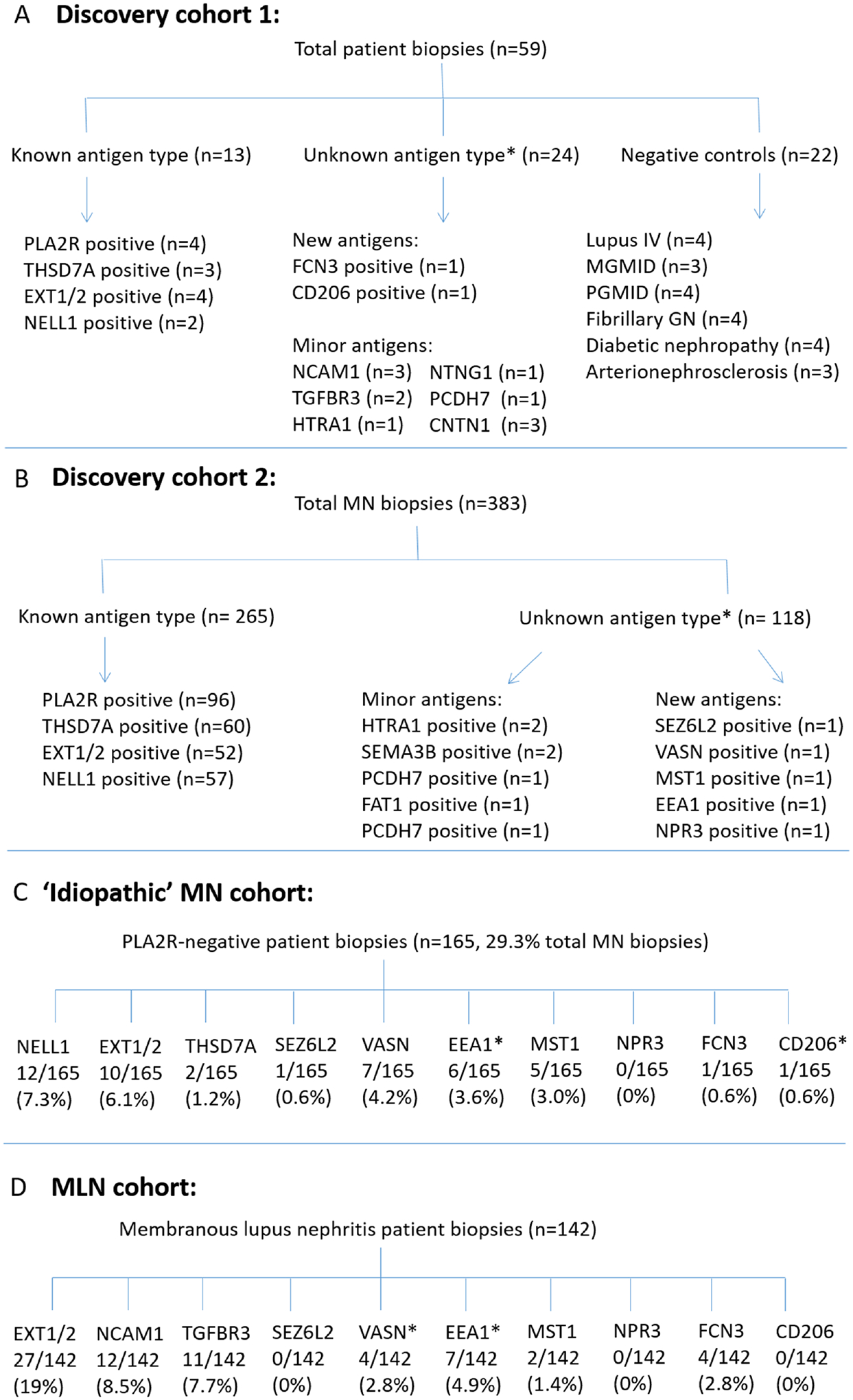
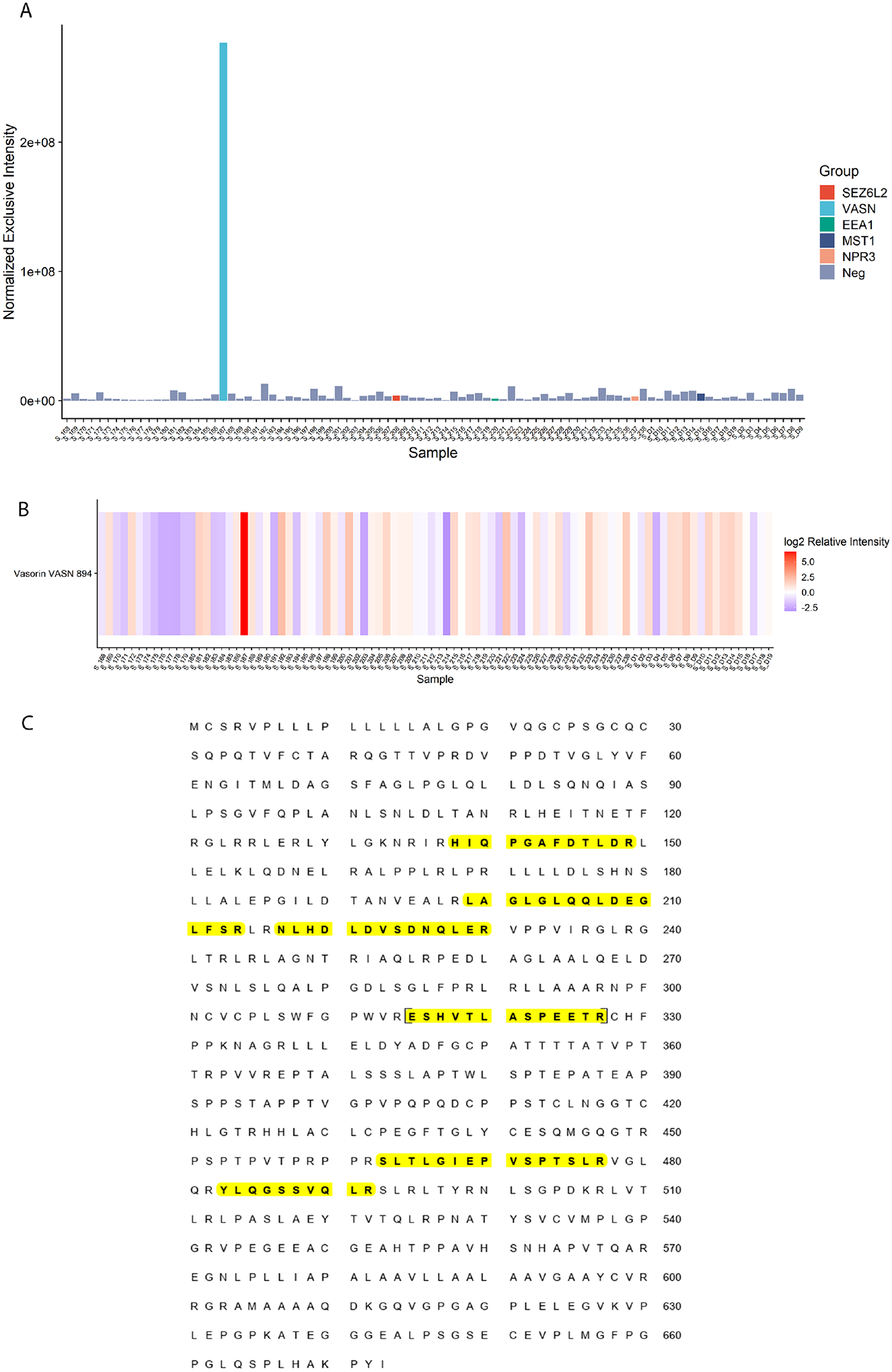
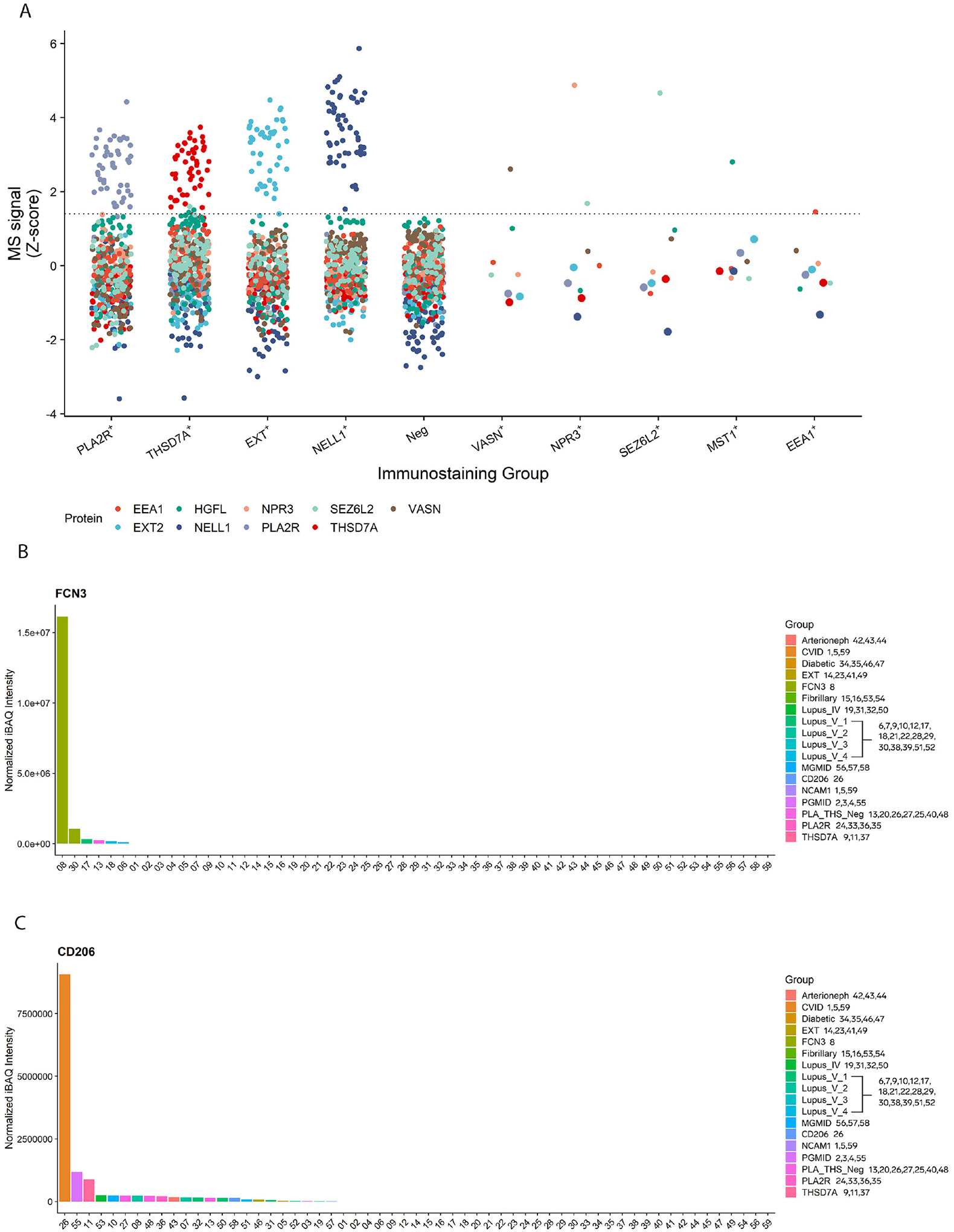
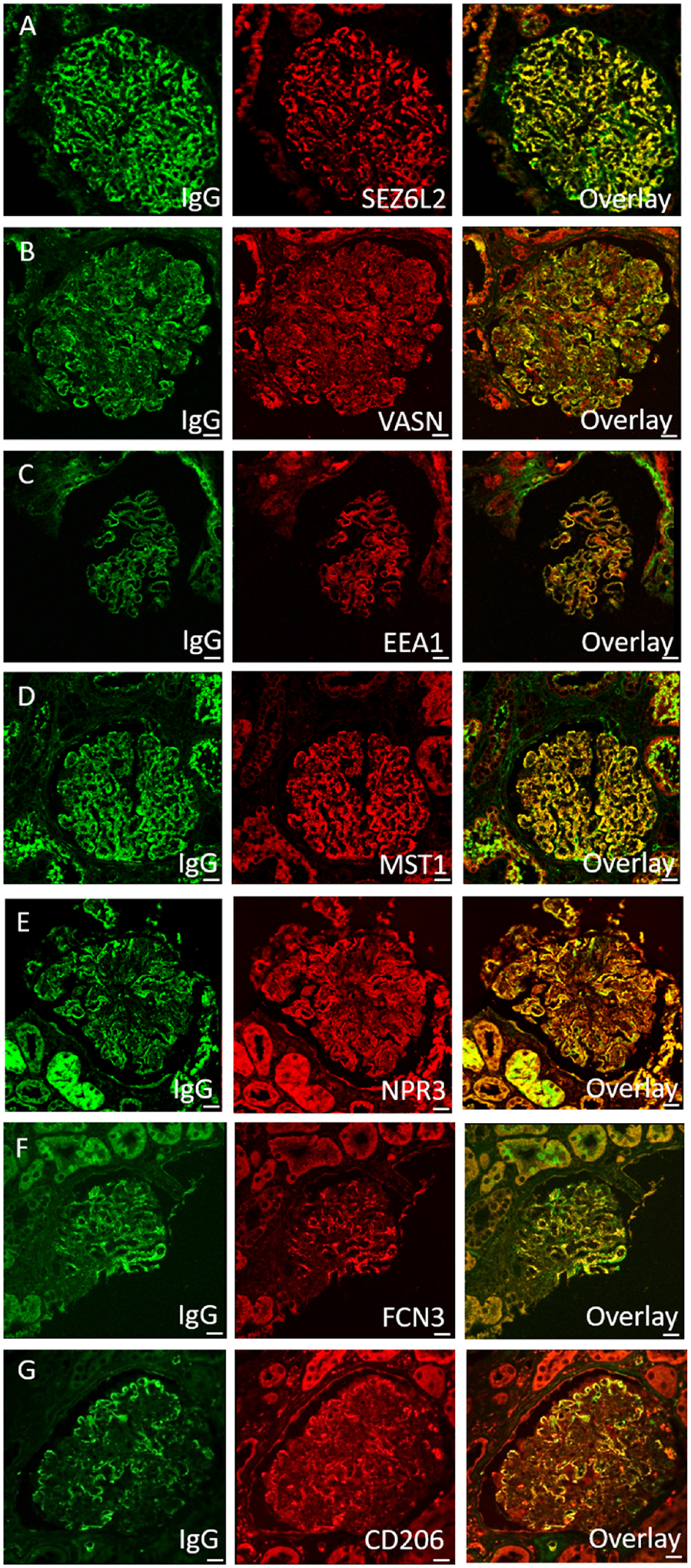
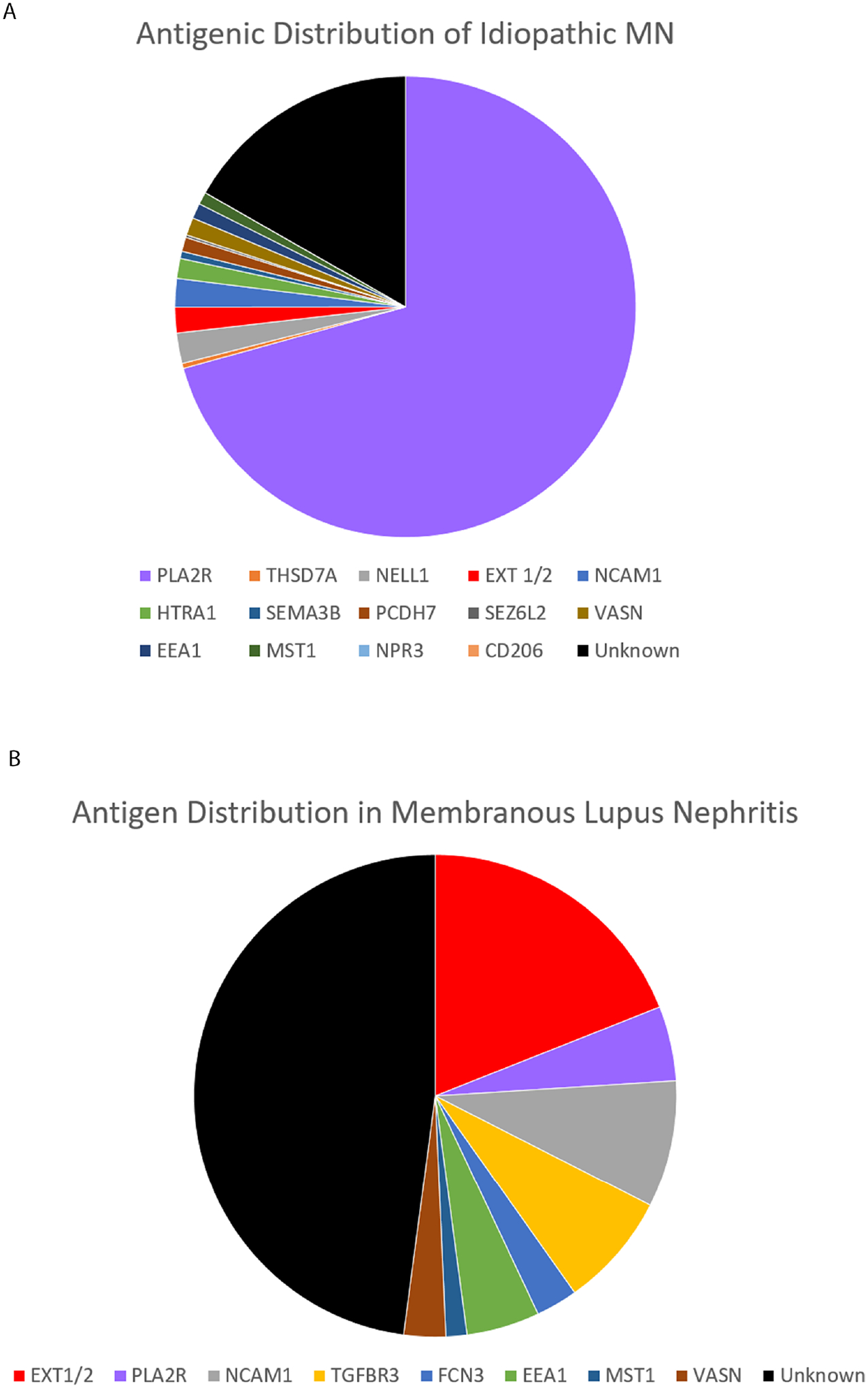
Multiple autoantigens have been identified in membranous nephropathy (MN) by tissue-based proteomics. However, antigenic targets of disease are unknown for over 10% of patients with MN and over half of those with membranous lupus nephritis (MLN). Here, we identified multiple new targets in PLA2R-/THSD7A-/EXT-/NELL1-quadruple negative MN biopsies through mass spectrometry of immune complexes recovered from biopsy tissue of patients with MN. Patients with MN negative for these four antigens were identified from Arkana Laboratories case archives. Protein G immunoprecipitation recovered immune complexes from frozen biopsy tissue from 142 quadruple-negative cases and 278 cases of known antigen type, followed by interrogation by mass spectrometry. Potential putative antigens were confirmed through paraffin immunofluorescence and co-localization with IgG within immune deposits. Consecutive series of 165 cases of PLA2R-negative MN and 142 MLN biopsies were screened to determine the frequency for each potential antigen. Seven putative antigens were discovered within immune complexes from biopsies of patients with MN including FCN3, CD206, EEA1, SEZ6L2, NPR3, MST1, and VASN. Peptides from these proteins were not enriched in the 278 cases of known antigen type. Between three to 30 unique peptides were detected for each new target. Frequencies of each biomarker, determined by staining consecutive case series, ranged from under 1 to 4.9%. NPR3 and CD206 were only positive in index cases. All cases showed co-localization of IgG within the immune deposits. Thus, seven putative antigens were newly identified in MN and MLN. Due to the number of antigens identified, it is becoming impractical to type PLA2R-negative MN or MLN cases through immunostaining alone. A multiplex approach is needed for subtyping of these diseases.
Keywords: antigen; biomarker; kidney biopsy; mass spectrometry; membranous nephropathy.
Copyright © 2023 International Society of Nephrology. Published by Elsevier Inc. All rights reserved.
Conflict of interest statement
Disclosures.
All of the authors declared no competing interests.
Figures
Comment in
-
Mapping antigens of membranous nephropathy: almost there.Kidney Int. 2023 Mar;103(3):469-472. doi: 10.1016/j.kint.2023.01.003. Kidney Int. 2023. PMID: 36822753
References
-
- Schieppati A, Mosconi L, Perna A, et al. Prognosis of untreated patients with idiopathic membranous nephropathy. N Engl J Med 1993; 329: 85–89. - PubMed
-
- Lai WL, Yeh TH, Chen PM, et al. Membranous nephropathy: a review on the pathogenesis, diagnosis, and treatment. J Formos Med Assoc 2015; 114: 102–111. - PubMed
Publication types
MeSH terms
Substances
Grants and funding
LinkOut - more resources
Full Text Sources
Molecular Biology Databases
Research Materials
Miscellaneous
