


Evaluation of quality of life following dental extraction
- PMID: 36643114
- PMCID: PMC9836172
- DOI: 10.4103/japtr.japtr_361_22
Evaluation of quality of life following dental extraction
Abstract
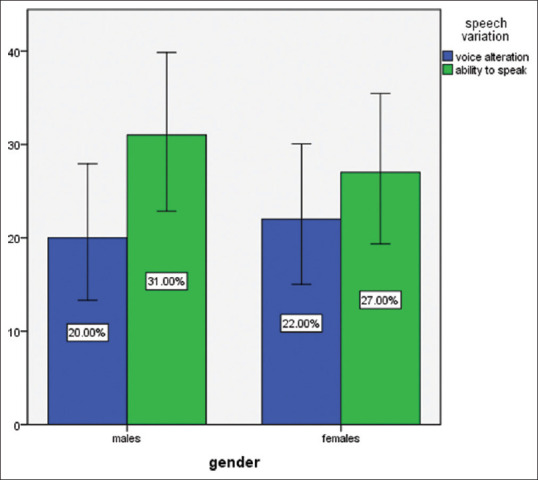
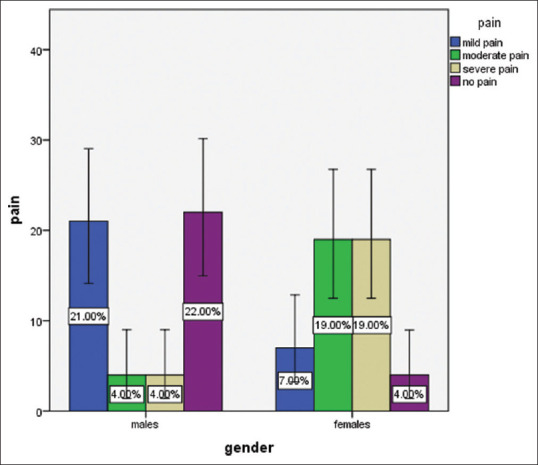
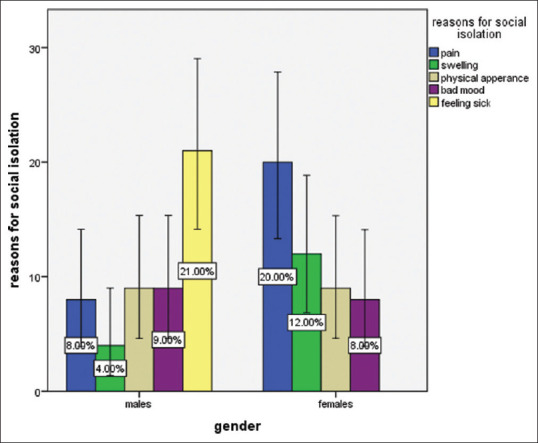
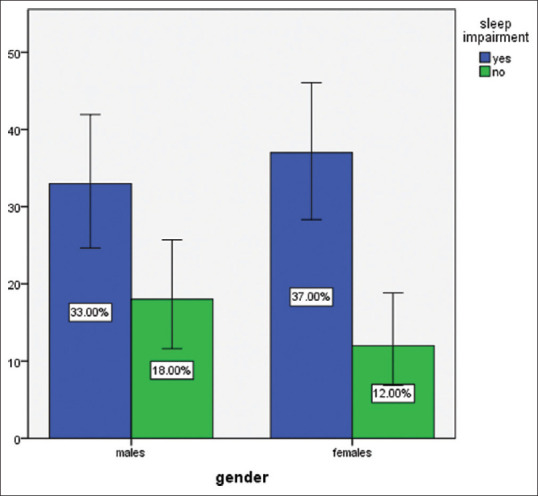
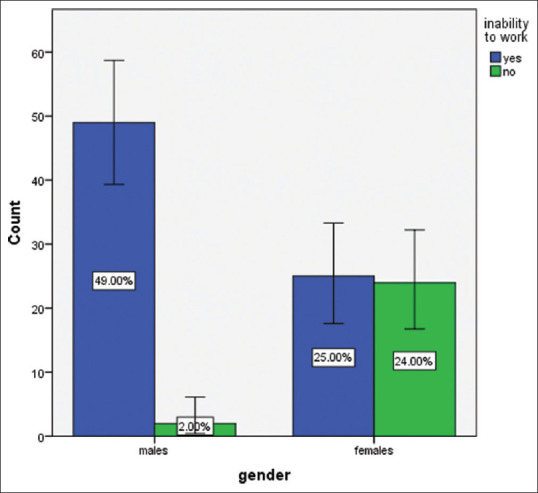
Among several treatment modalities done in dental clinics, dental extractions are the most frequently carried out treatment. Tooth extraction is indicated in cases such as chronic periodontal disease, abscess, root caries, root stumps, fractured teeth, and failed root canal treatments with the persistence of periapical cysts or granulomas, impacted teeth, or to facilitate orthodontic or prosthodontic rehabilitation. The consequence of routine tooth extraction could lead to dentoalveolar diseases, which cause tooth loss. The various complications of surgical procedures are delayed wound healing, postoperative bleeding, remnant bony spicules, and nerve paresthesia. This study aimed to assess the impact of nonsurgical tooth extraction on the quality of life of patients. Institutional patient data from January 2021 to April 2021 were analyzed, in which 2000 patients who had undergone extractions at our dental institution were included in our study. The data evaluating the patients' quality-of-life postextraction were recorded. It included speech variation, social interaction, postoperative pain, sleep impairment, and inability to work. Data obtained were statistically analyzed using SPSS, and results were obtained. Most men (49%) experienced an inability to work compared to women (25%). 38% of females had moderate-to-severe pain, whereas males (21%) had only mild pain. 21% of males are isolated socially due to feeling sick, whereas 20% of females are isolated socially due to pain. Speech was affected more postextraction. Most of the patients could not go to work for 1-3 days following the removal of the tooth. Most of the patients were pleased with the procedure, with their symptoms disappearing after the procedure, and were not worried about dental extractions.
Keywords: Extraction; healing; innovative technique; oral surgery; surgical wound; tooth.
Copyright: © 2022 Journal of Advanced Pharmaceutical Technology & Research.
Conflict of interest statement
There are no conflicts of interest.
Figures
References
LinkOut - more resources
Full Text Sources
Medical
Miscellaneous
