


Australian children living with rare diseases: health service use and barriers to accessing care
- PMID: 36653598
- PMCID: PMC9848027
- DOI: 10.1007/s12519-022-00675-6
Australian children living with rare diseases: health service use and barriers to accessing care
Abstract
Background: Children with rare diseases experience challenges at home and school and frequently require multi-disciplinary healthcare. We aimed to determine health service utilization by Australian children with rare diseases and barriers to accessing healthcare.
Methods: Parents completed an online survey on health professional and emergency department (ED) presentations, hospitalization, and barriers to accessing services. Potential barriers to service access included residential location (city, regional, remote) and child health-related functioning, determined using a validated, parent-completed measure-of-function tool.
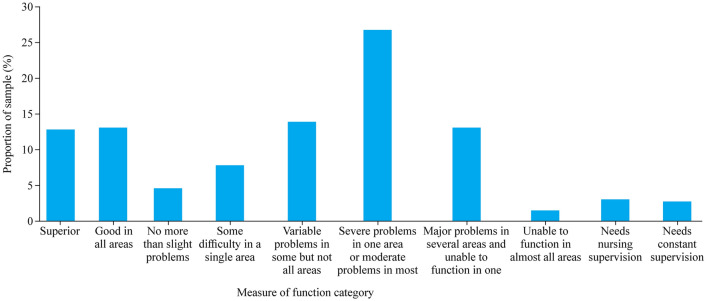
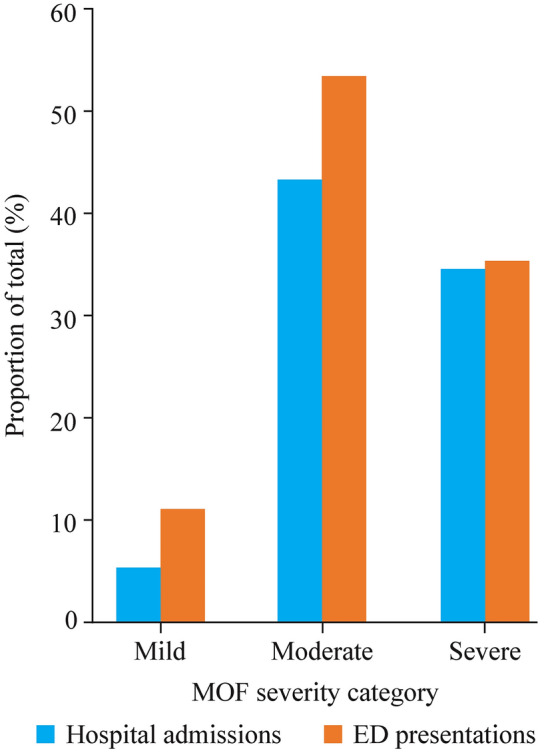
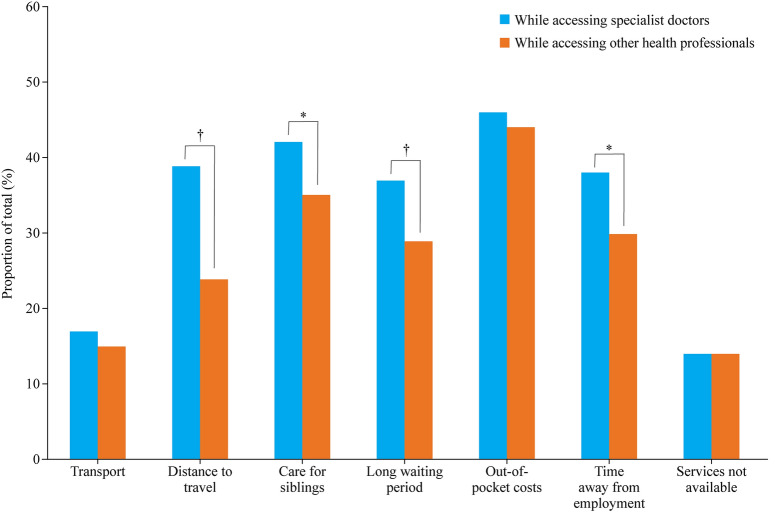
Results: Parents of 462 children with over 240 rare diseases completed the survey. Compared with the general population, these children were more likely to be hospitalized [odds ratio (OR) = 17.25, 95% confidence interval (CI) = 15.50-19.20] and present to the ED (OR = 4.15, 95% CI = 3.68-4.68) or a family physician (OR = 4.14, 95% CI = 3.72-4.60). Child functional impairment was nil/mild (31%), moderate (48%) or severe (22%). Compared to children with nil/mild impairment, those with severe impairment were more likely to be hospitalized (OR = 13.39, 95% CI = 7.65-23.44) and present to the ED (OR = 11.16, 95% CI = 6.46-19.27). Most children (75%) lived in major cities, but children from regional (OR = 2.78, 95% CI = 1.72-4.55) and remote areas (OR = 9.09, 95% CI = 3.03-25.00) experienced significantly more barriers to healthcare access than children from major cities. Barriers included distance to travel, out-of-pocket costs, and lack of specialist medical and other health services.
Conclusions: Children with rare diseases, especially those with severe functional impairment have an enormous impact on health services, and better integrated multidisciplinary services with patient-centered care are needed. Access must be improved for children living in rural and remote settings.
Keywords: Access; Health functioning; Health service use; Rare diseases.
© 2023. Children's Hospital, Zhejiang University School of Medicine.
Conflict of interest statement
No financial or non-financial benefits have been received or will be received from any party related directly or indirectly to the subject of this article. The authors have no conflict of interest to declare.
Figures
References
-
- Elliott EJ, Zurynski YA. Rare diseases are a “common” problem for clinicians. Aust Fam Physician. 2015;44:630–633. - PubMed
MeSH terms
Supplementary concepts
Grants and funding
LinkOut - more resources
Full Text Sources
Medical
