


Chia seeds (Salvia hispanica L.): A therapeutic weapon in metabolic disorders
- PMID: 36655089
- PMCID: PMC9834868
- DOI: 10.1002/fsn3.3035
Chia seeds (Salvia hispanica L.): A therapeutic weapon in metabolic disorders
Abstract
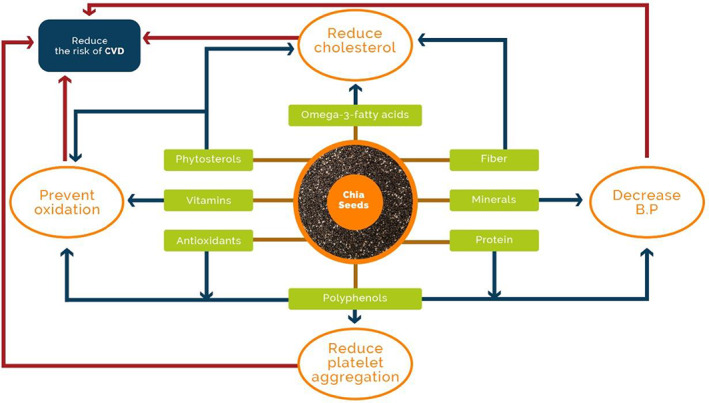
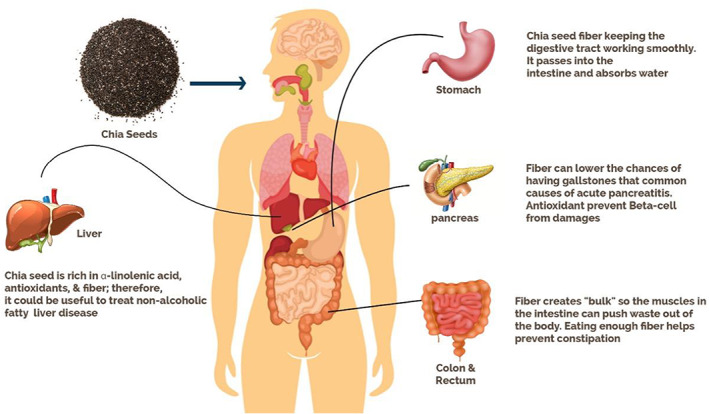
The growth of functional components containing agricultural foods is enhancing because these components aid the human body against different chronic diseases. Currently, chia seeds basically belong to the mint family and are edible seeds of Salvia hispanica. These seeds are composed of different functional components including fiber, polyphenols, antioxidants, omega-3 fatty acid vitamins, minerals, and peptides. Besides, these seeds are also a good source of vegetable protein, unsaturated fat, carbohydrates, and ash. Chia seed components are helpful in cardiovascular disease (CVD) by reducing blood pressure, platelet aggregation, cholesterol, and oxidation. In GI-tract-related diseases like diabetes and constipation, chia fiber reduces the blood glucose level and provides bulk to stool. However, antioxidants and polyphenols are protected beta cells of the pancreas from inflammation. These components are protected from the cell damage of the different body parts, which can provide help in different types of cancer including breast, colorectal, liver, and pancreatic. Conclusively, some pervious studies approved that chia seed components are played important role in chronic diseases.
Keywords: GI tract; cancer; cardiovascular disease; chia seeds; functional components.
© 2022 The Authors. Food Science & Nutrition published by Wiley Periodicals LLC.
Figures
References
-
- Álvarez‐Chávez, L. M. , Valdivia‐López, M. D. L. A. , Aburto‐Juarez, M. D. L. , & Tecante, A. (2008). Chemical characterization of the lipid fraction of Mexican chia seed (Salvia hispanica L.). International Journal of Food Properties, 11(3), 687–697.
-
- Adeyemi, K. D. , Abdulrahman, A. , Ibrahim, S. O. , Zubair, M. F. , Atolani, O. , & Badmos, A. A. (2020). Dietary supplementation of Tetracarpidium conophorum (African Walnut) seed enhances muscle n‐3 fatty acids in broiler chickens. European Journal of Lipid Science and Technology, 122(6), 1900418. 10.1002/ejlt.201900418 - DOI
-
- Alfredo, V. O. , Gabriel, R. R. , Luis, C. G. , & David, B. A. (2009). Physicochemical properties of a fibrous fraction from chia (Salvia hispanica L.). LWT ‐ Food Science and Technology, 42(1), 168–173. 10.1016/j.lwt.2008.05.012 - DOI
-
- Alwosais, E. Z. M. , Al‐Ozairi, E. , Zafar, T. A. , & Alkandari, S. (2021). Chia seed (Salvia hispanica L.) supplementation to the diet of adults with type 2 diabetes improved systolic blood pressure: A randomized controlled trial. Nutrition and Health, 27(2), 181–189. 10.1177/0260106020981819 - DOI - PubMed
Publication types
LinkOut - more resources
Full Text Sources
Research Materials
Miscellaneous
