


Mechanistic Links Between Obesity and Airway Pathobiology Inform Therapies for Obesity-Related Asthma
- PMID: 36656428
- PMCID: PMC11071627
- DOI: 10.1007/s40272-022-00554-7
Mechanistic Links Between Obesity and Airway Pathobiology Inform Therapies for Obesity-Related Asthma
Abstract
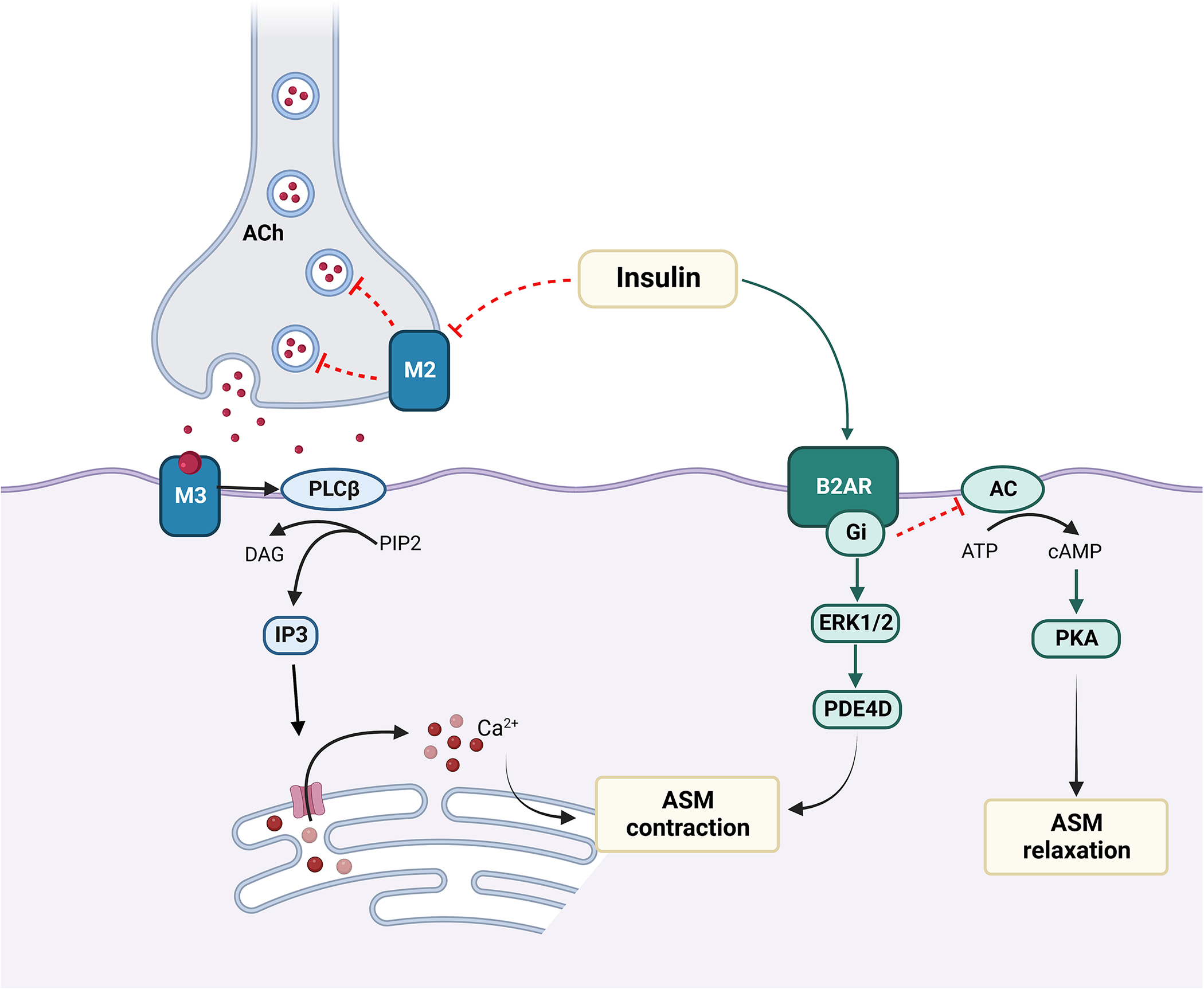
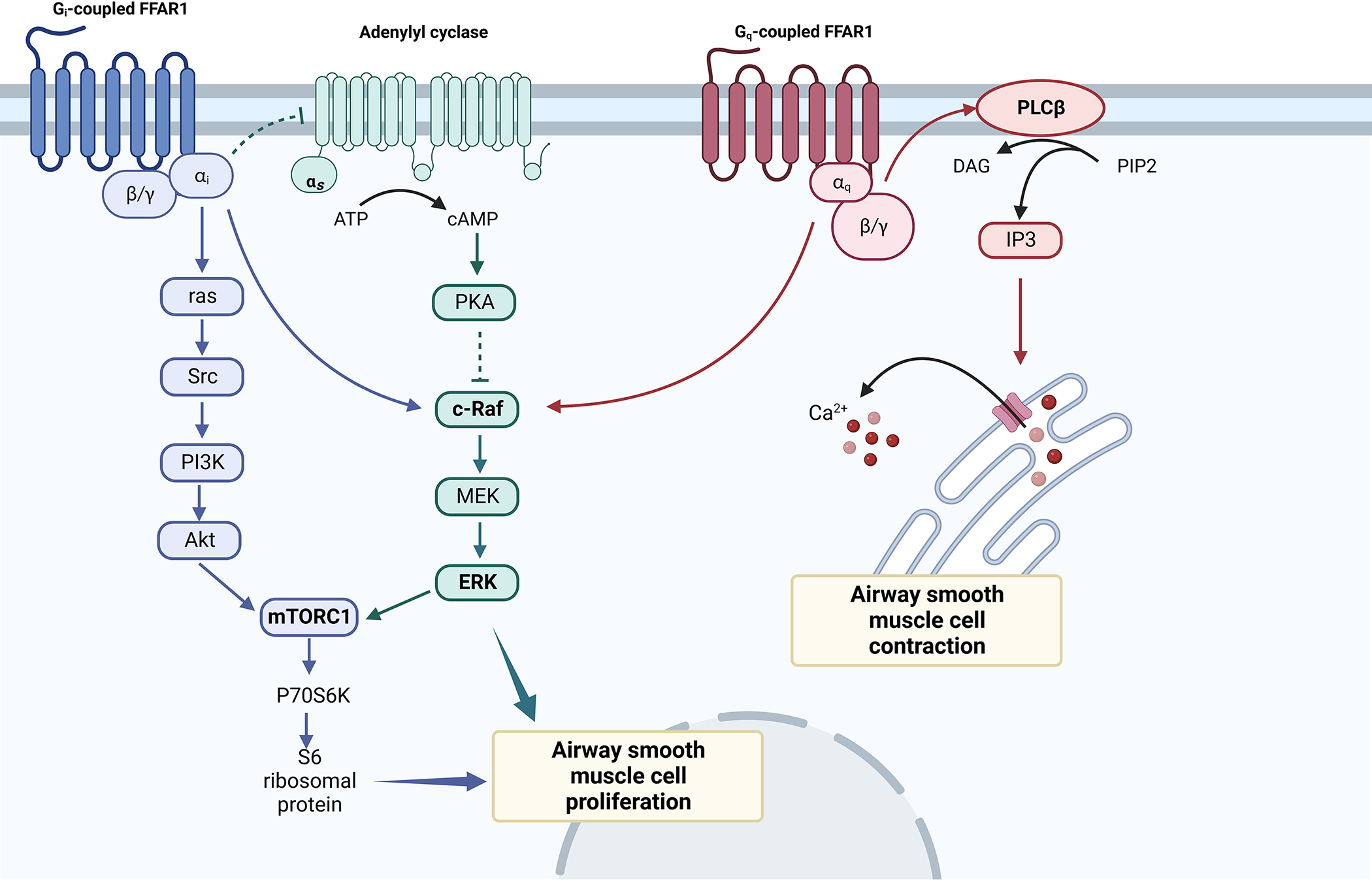
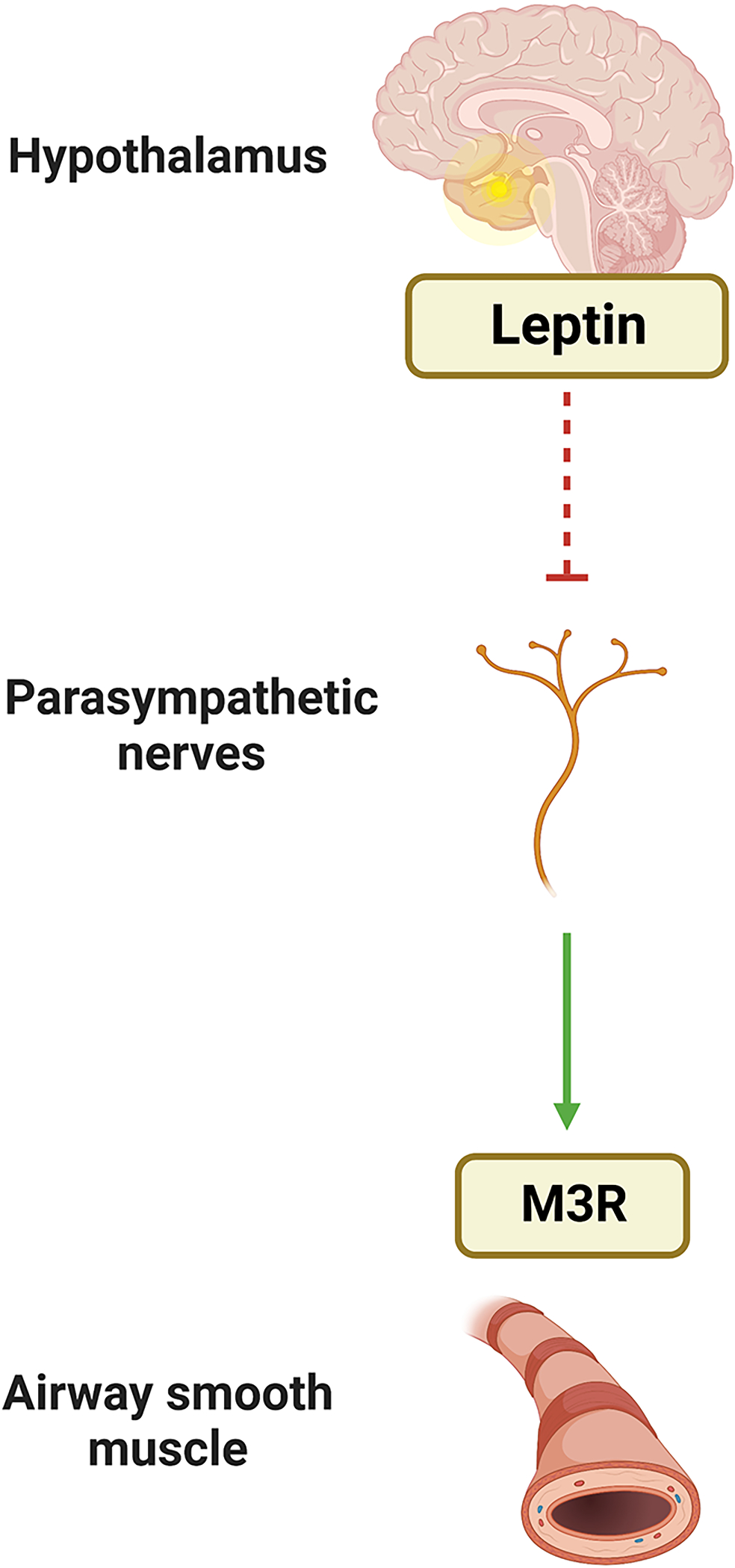
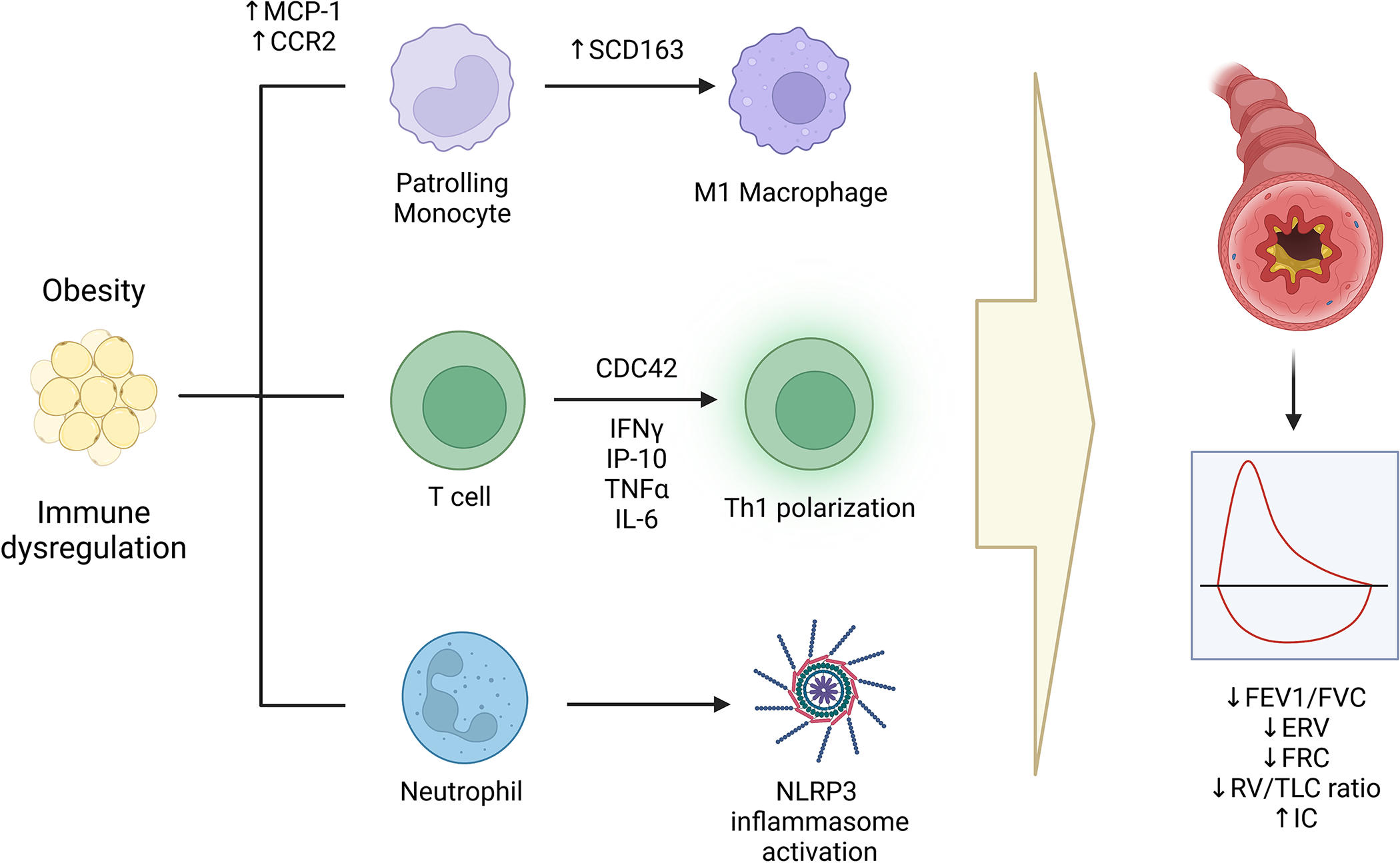
Obesity-related asthma is associated with a high disease burden and a poor response to existent asthma therapies, suggesting that it is a distinct asthma phenotype. The proposed mechanisms that contribute to obesity-related asthma include the effects of the mechanical load of obesity, adipokine perturbations, and immune dysregulation. Each of these influences airway smooth muscle function. Mechanical fat load alters airway smooth muscle stretch affecting airway wall geometry, airway smooth muscle contractility, and agonist delivery; weight loss strategies, including medically induced weight loss, counter these effects. Among the metabolic disturbances, insulin resistance and free fatty acid receptor activation influence distinct signaling pathways in the airway smooth muscle downstream of both the M2 muscarinic receptor and the β2 adrenergic receptor, such as phospholipase C and the extracellular signal-regulated kinase signaling cascade. Medications that decrease insulin resistance and dyslipidemia are associated with a lower asthma disease burden. Leptin resistance is best understood to modulate muscarinic receptors via the neural pathways but there are no specific therapies for leptin resistance. From the immune perspective, monocytes and T helper cells are involved in systemic pro-inflammatory profiles driven by obesity, notably associated with elevated levels of interleukin-6. Clinical trials on tocilizumab, an anti-interleukin antibody, are ongoing for obesity-related asthma. This armamentarium of therapies is distinct from standard asthma medications, and once investigated for its efficacy and safety among children, will serve as a novel therapeutic intervention for pediatric obesity-related asthma. Irrespective of the directionality of the association between asthma and obesity, airway-specific mechanistic studies are needed to identify additional novel therapeutic targets for obesity-related asthma.
© 2023. The Author(s), under exclusive licence to Springer Nature Switzerland AG.
Figures
References
-
- Chen YC, Dong GH, Lin KC, Lee YL. Gender difference of childhood overweight and obesity in predicting the risk of incident asthma: a systematic review and meta-analysis. Obes Rev. 2013. Mar;14(3):222–31. - PubMed
-
- Wang E, Wechsler ME, Tran TN, Heaney LG, Jones RC, Menzies-Gow AN, et al. Characterization of Severe Asthma Worldwide: Data From the International Severe Asthma Registry. Chest. 2020. Apr;157(4):790–804. - PubMed
-
- Lang JE, Bunnell HT, Hossain MJ, Wysocki T, Lima JJ, Finkel TH, et al. Being Overweight or Obese and the Development of Asthma. Pediatrics. 2018. Dec;142(6). - PubMed
-
- Ahmadizar F, Vijverberg SJ, Arets HG, de Boer A, Lang JE, Kattan M, et al. Childhood obesity in relation to poor asthma control and exacerbation: a meta-analysis. Eur Respir J. 2016. Oct;48(4):1063–73. - PubMed
Publication types
MeSH terms
Substances
Grants and funding
LinkOut - more resources
Full Text Sources
Medical
