


An update on fractional picosecond laser treatment: histology and clinical applications
- PMID: 36658259
- PMCID: PMC9852188
- DOI: 10.1007/s10103-022-03704-y
An update on fractional picosecond laser treatment: histology and clinical applications
Abstract
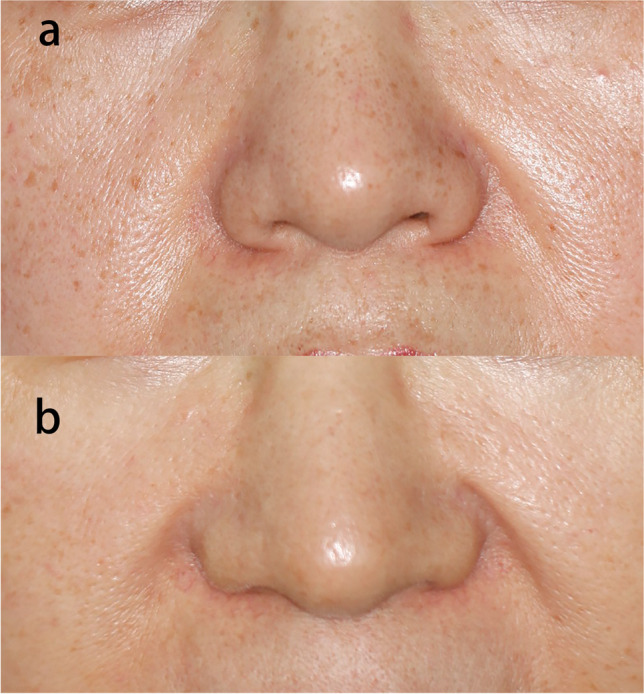
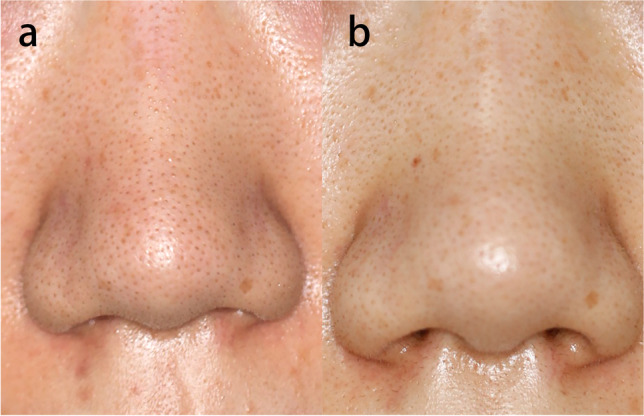
Picosecond lasers have a very short pulse duration and a high peak power density. When fractional optical delivery systems are attached to picosecond lasers, they generate an array of concentrated microspots with a high fluence surrounded by areas with a low fluence. This article discusses the histologic characteristics and clinical applications of fractional picosecond laser treatment. Fractional picosecond laser produces laser-induced optical breakdown (LIOB) and laser-induced cavitation (LIC) in the epidermis and dermis respectively, and can encourage skin regeneration and dermal remodeling. It has been shown that fractional picosecond laser has a positive effect on facial photoaging, enlarged facial pores, dyspigmentation, wrinkles, and atrophic scars. Further research is still needed to confirm the benefits of fractional picosecond lasers.
Keywords: Clinical applications; Fractional optical delivery systems; Histologic characteristics; Picosecond laser.
© 2023. The Author(s).
Conflict of interest statement
MRH declares the following potential conflicts of interest. Scientific Advisory Boards: Transdermal Cap Inc, Cleveland, OH; Hologenix Inc. Santa Monica, CA; Vielight, Toronto, Canada; JOOVV Inc, Minneapolis-St. Paul MN; Sunlighten, Kansas City, MO; Consulting; USHIO Corp, Japan; Sanofi-Aventis Deutschland GmbH, Frankfurt am Main, Germany; Klox Asia, Guangzhou, China. Stockholding: Niraxx Light Therapeutics, Inc., Irvine CA; JelikaLite Corp, New York NY. All other authors declare no competing interests.
Figures
References
Publication types
MeSH terms
Grants and funding
LinkOut - more resources
Full Text Sources
Medical
