


Antimicrobial activity of D-amino acid in combination with photo-sonoactivated hypericin nanoparticles against Acinetobacter baumannii
- PMID: 36658487
- PMCID: PMC9850556
- DOI: 10.1186/s12866-023-02758-4
Antimicrobial activity of D-amino acid in combination with photo-sonoactivated hypericin nanoparticles against Acinetobacter baumannii
Abstract
Background: The emergence of multidrug-resistant Acinetobacter baumannii strains is increasing worldwide. To overcome these life-threatening infections, the development of new treatment approaches is critical. For this purpose, this study was conducted to determine the antimicrobial photo-sonodynamic therapy (aPSDT) using hypericin nanoparticles (HypNP) in combination with D-Tryptophan (D-Trp) against A. baumannii.
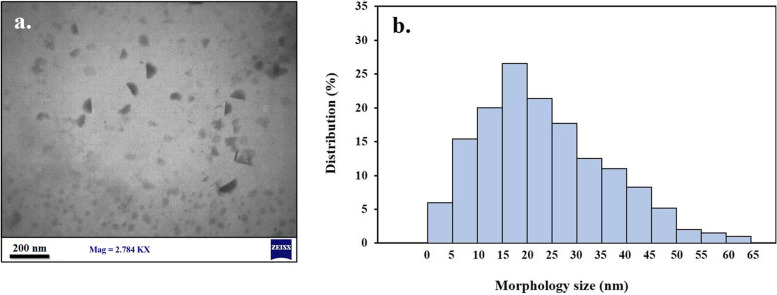
Materials and methods: HypNP was synthesized and characterized, followed by the determination of the fractional inhibitory concentration (FIC) index of HypNP and D-Trp by checkerboard assay. Next, the antimicrobial and anti-biofilm potential of HypNP@D-Trp-mediated aPSDT against A. baumannii was evaluated. Finally, the anti-virulence activity of aPSDT using HypNP@D-Trp was accessed following the characterization of HypNP@D-Trp interaction with AbaI using in silico virtual screening and molecular docking.
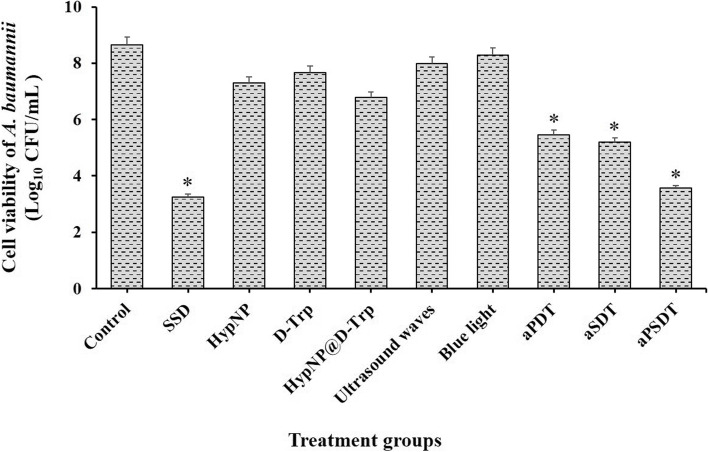
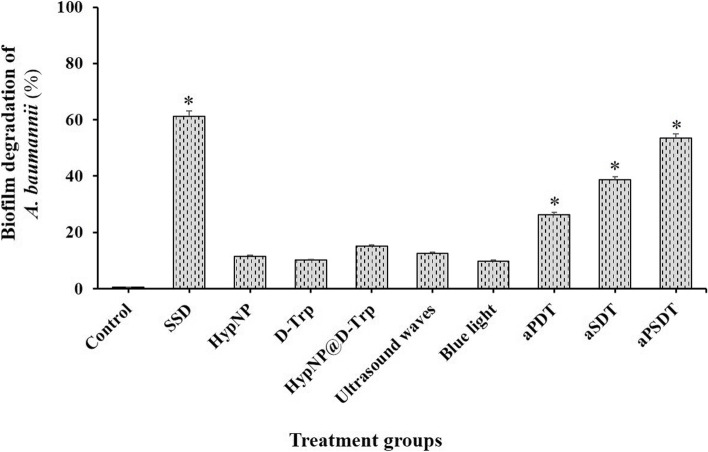
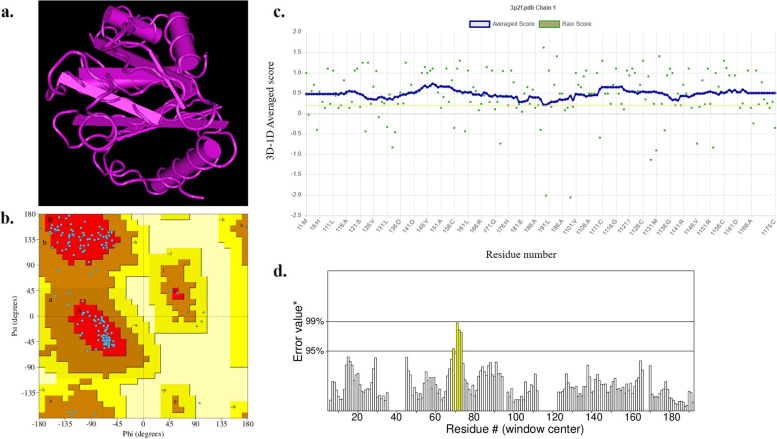
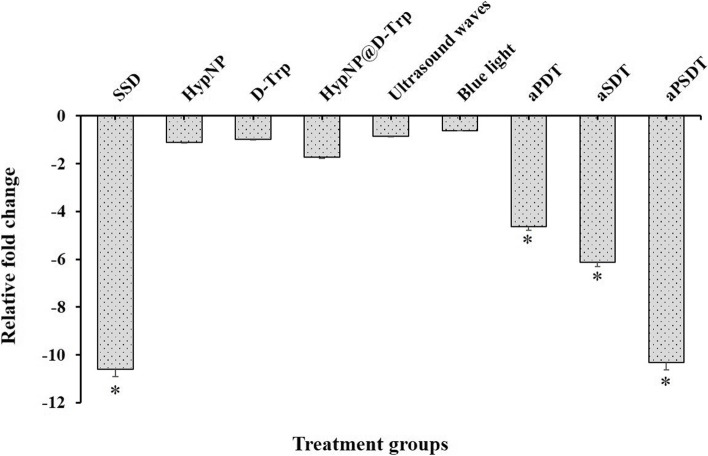
Results: A synergistic activity in the combination of HypNP and D-Trp against A. baumannii was observed with a FIC index value of 0.5. There was a 5.10 log10 CFU/mL reduction in the cell viability of A. baumannii when the bacterial cells were treated with 1/2 × MIC of HypNP@D-Trp and subsequently exposed to ultrasound waves and blue light (P < 0.05). Moreover, a significant biofilm degradation effect on biofilm-associated cells of A. baumannii was observed after treatment with aPSDT using 2 × MIC of HypNP@D-Trp in comparison with the control groups (P < 0.05). According to the molecular docking analysis of the protein-ligand complex, Hyp with a high affinity for AbaI showed a binding affinity of - 9.41 kcal/mol. Also, the expression level of abaI gene was significantly downregulated by 10.32-fold in A. baumannii treated with aPSDT as comprised with the control group (P < 0.05).
Conclusions: It can be concluded that HypNP@D-Trp-mediated aPSDT can be considered a promising strategy to overcome the infections caused by A. baumannii by reducing the growth of bacterial biofilm and decreasing the expression of abaI as a gene involved in A. baumannii biofilm formation.
Keywords: Acinetobacter baumannii; Antimicrobial photodynamic therapy; Antimicrobial sonodynamic therapy; Biofilms; Drug resistance; Nosocomial infection.
© 2023. The Author(s).
Conflict of interest statement
There is no competing interest.
Figures


References
-
- Amraei S, Eslami G, Taherpour A, Hashemi A. Relationship between MOX genes and antibiotic resistance in Klebsiella pneumoniae strains in nosocomial infections. Micro Nano Bio Asp. 2022;1(2):12–17.
-
- Bahador A, Raoofian R, Taheri M, Pourakbari B, Hashemizadeh Z, Hashemi FB. Multidrug resistance among Acinetobacter baumannii isolates from Iran: changes in antimicrobial susceptibility patterns and genotypic profile. Microb Drug Resist. 2014;20(6):632–640. doi: 10.1089/mdr.2013.0146. - DOI - PubMed
-
- Amraei S, Eslami G, Taherpour A, Hashemi A. The role of ACT and FOX genes in Klebsiella pneumoniae strains isolated from hospitalized patients. Micro Nano Bio Asp. 2022;1(2):18–25.
-
- Alavi M, Hamblin MR, Kennedy JF. Antimicrobial applications of lichens: secondary metabolites and green synthesis of silver nanoparticles: a review. Nano Micro Bios. 2022;1(1):15–21.
-
- Alavi M, Martinez F, Delgado DR, Tinjacá DA. Anticancer and antibacterial activities of embelin: micro and nano aspects. Micro Nano Bio Asp. 2022;1(1):30–37.
MeSH terms
Substances
LinkOut - more resources
Full Text Sources
Molecular Biology Databases
