


Engineering placenta-like organoids containing endogenous vascular cells from human-induced pluripotent stem cells
- PMID: 36684087
- PMCID: PMC9842056
- DOI: 10.1002/btm2.10390
Engineering placenta-like organoids containing endogenous vascular cells from human-induced pluripotent stem cells
Abstract
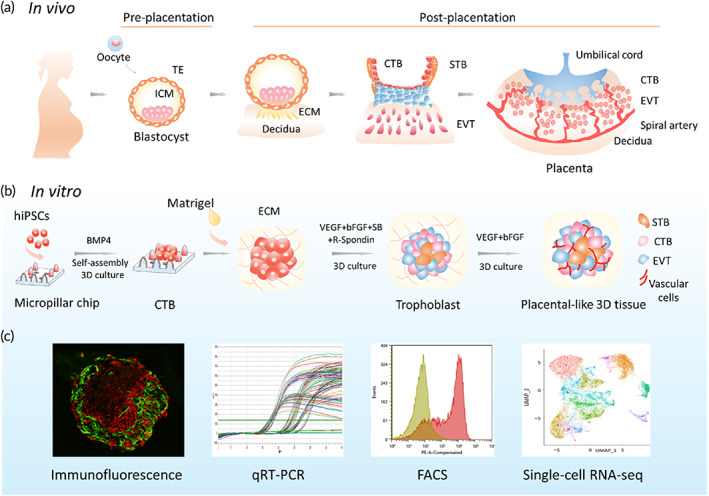
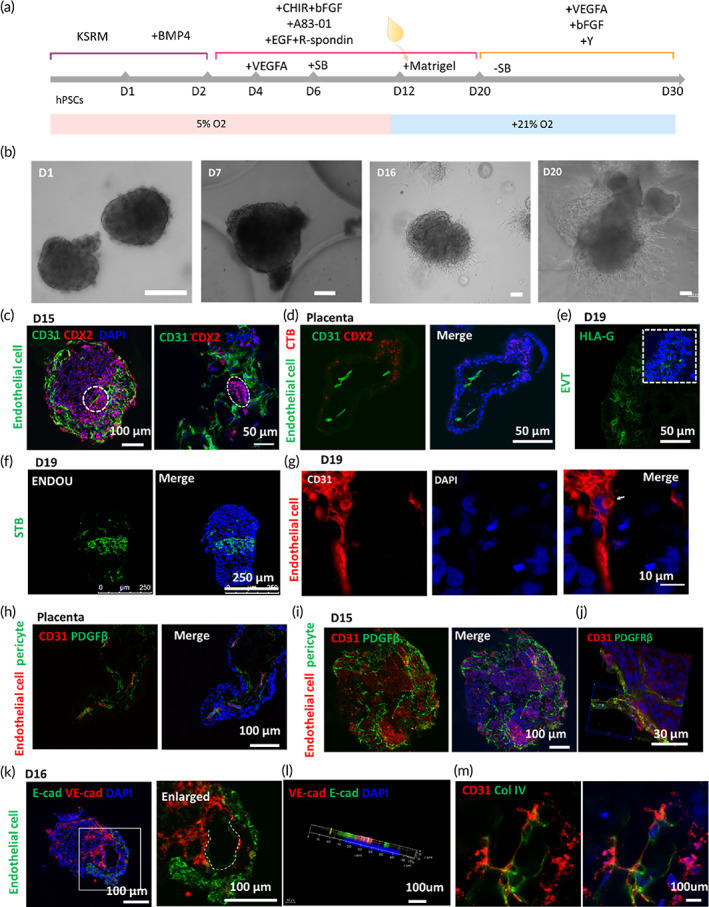
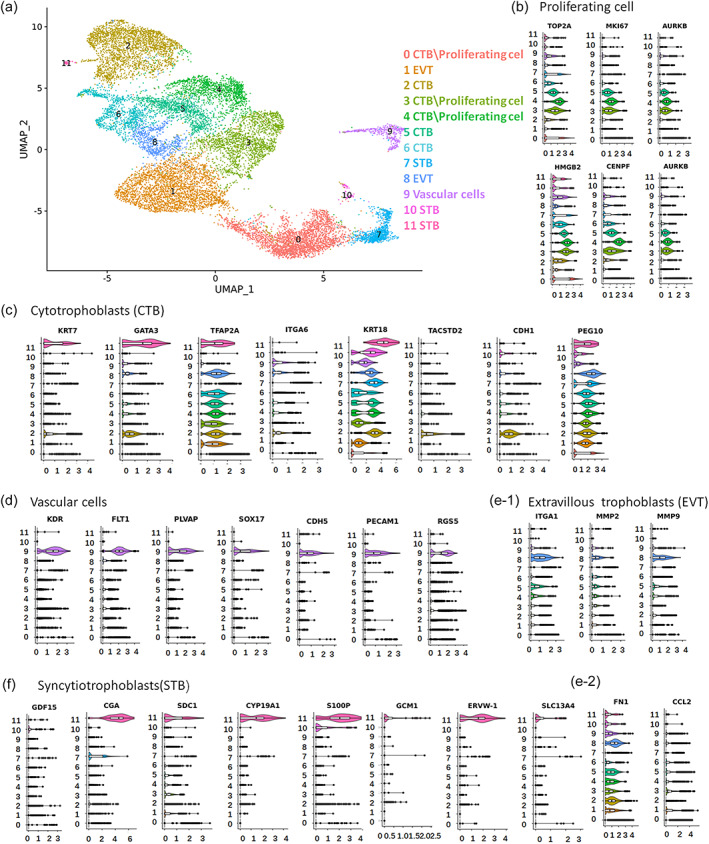
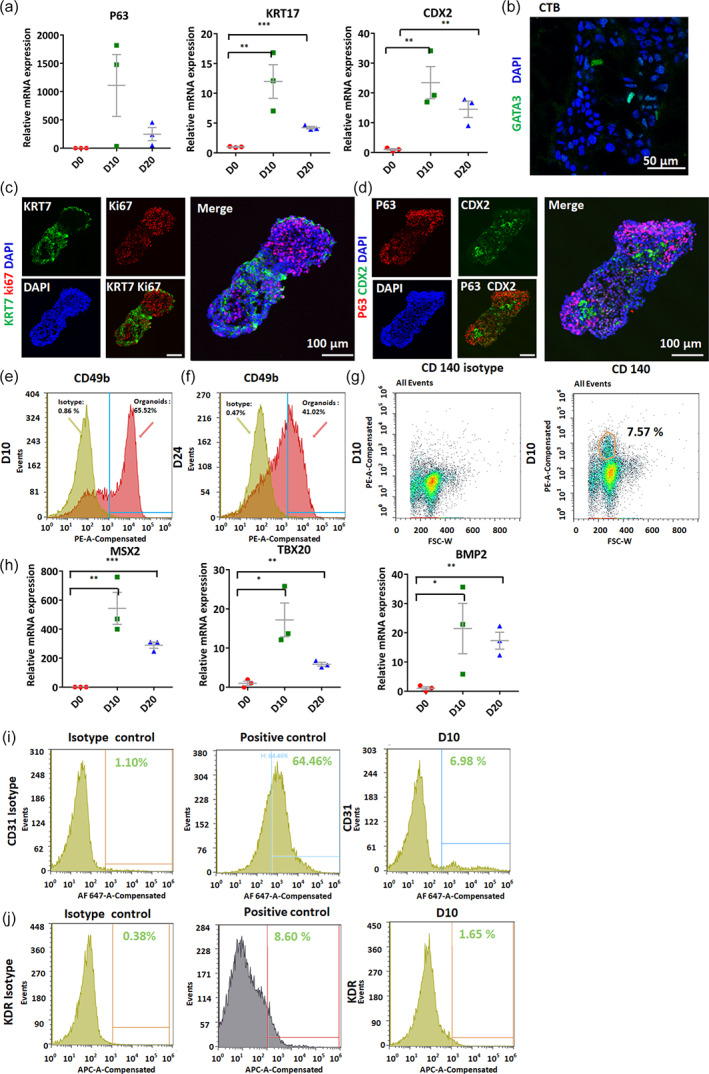
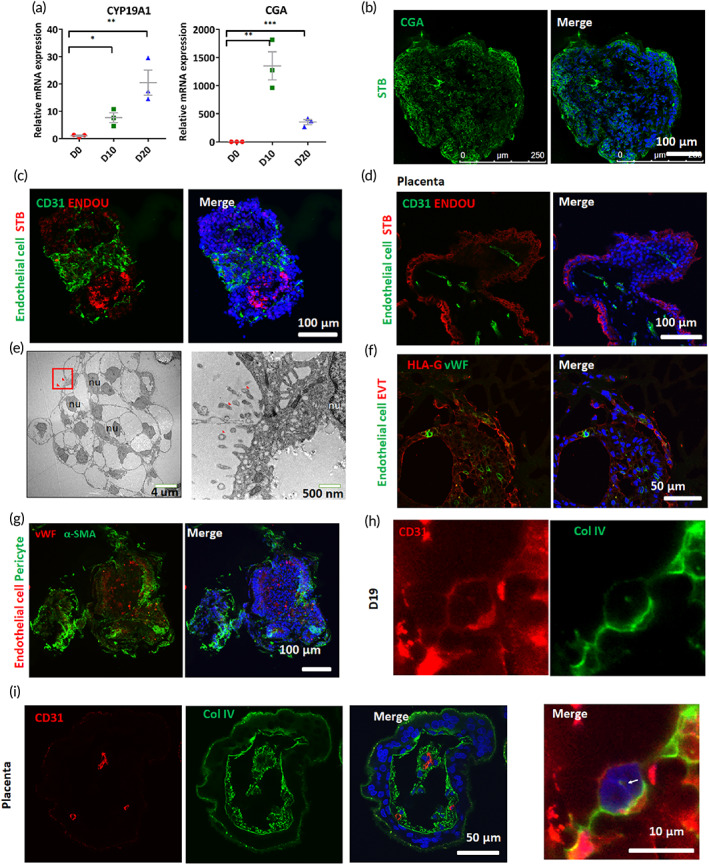
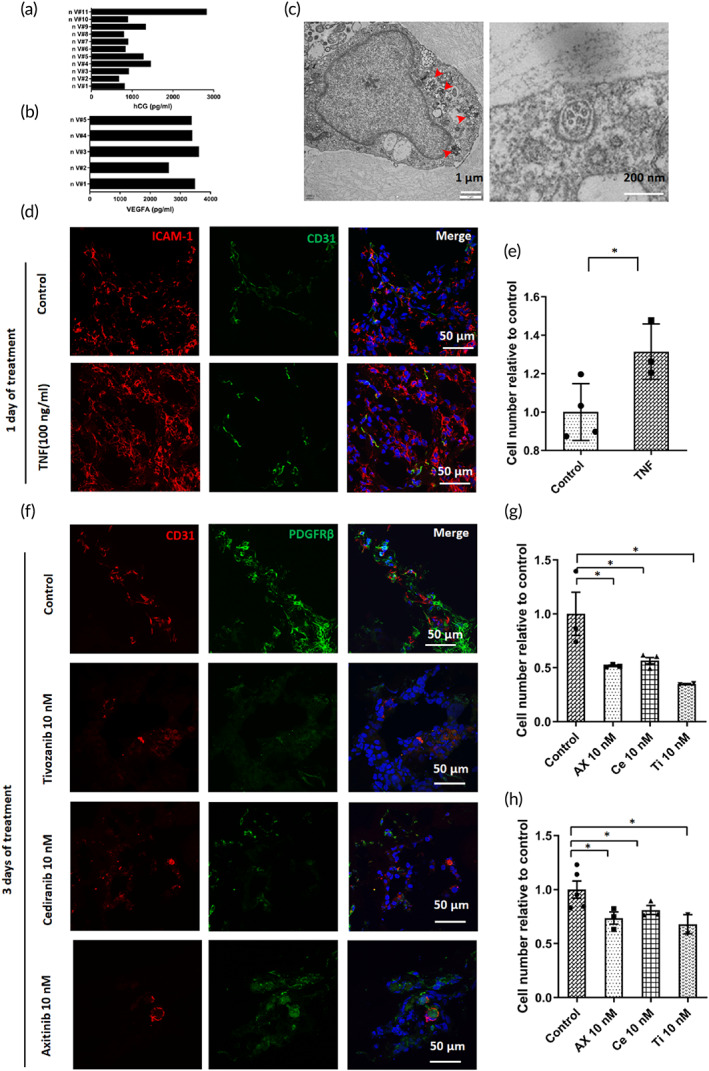
The placenta is an essential organ that maintains the health of both the fetus and its mother. Understanding the development of human placenta has been hindered by the limitations of existing animal models and monolayer cell cultures. Models that can recapitulate the essential aspects of human placental multicellular components and vasculature are still lacking. Herein, we presented a new strategy to establish placenta-like organoids with vascular-like structures from human-induced pluripotent stem cells in a defined three-dimensional (3D) culture system. The resulting placenta-like tissue resembles first-trimester human placental development in terms of complex placental components and secretory function. The multicellular tissue was characterized by the inclusion of trophoblasts (cytotrophoblasts, syncytiotrophoblasts, extravillous trophoblasts, and other endogenous vascular cells), which were identified by immunofluorescence, flow cytometry analyses, real-time quantitative reverse transcription polymerase chain reaction and single-cell RNA-seq. Moreover, the 3D tissue was able to secrete the placenta-specific hormone human chorionic gonadotropin β (hCG-β) and vascular endothelial growth factor A (VEGFA). The tissue responded to the inflammatory factor tumor necrosis factor-α (TNF-α) and VEGF receptor inhibitors. This new model system can represent the major features of placental cellular components, and function, which have not been realized in 2D monolayer cultures. The developed tissue system might open new avenues for studying normal early human placental development and its disease states.
Keywords: 3D culture; human‐induced pluripotent stem cells; in vitro model; placenta; trophoblasts; vasculature.
© 2022 The Authors. Bioengineering & Translational Medicine published by Wiley Periodicals LLC on behalf of American Institute of Chemical Engineers.
Conflict of interest statement
The authors declare no competing interests.
Figures
References
-
- Turco MY, Moffett A. Development of the human placenta. Development. 2019;146:dev163428. - PubMed
-
- Aplin JD, Myers JE, Timms K, Westwood M. Tracking placental development in health and disease. Nat Rev Endocrinol. 2020;16:479‐494. - PubMed
-
- Kotgirwar S, Ambiye M, Athavale S, Gupta V, Trivedi S. Study of gross and histological features of placenta in intrauterine growth retardation. J Anat Soc India. 2011;60:37‐40.
-
- Scurry J. Pathology of the human placenta (fourth edition). Aust N Z J Obstet Gynaecol. 2002;42(1):116.
-
- Mayhew TM, Wijesekara J, Baker PN, Ong SS. Morphometric evidence that villous development and fetoplacental angiogenesis are compromised by intrauterine growth restriction but not by pre‐eclampsia. Placenta. 2004;25:829‐833. - PubMed
LinkOut - more resources
Full Text Sources
