


Antithrombotic treatment after stroke due to intracerebral haemorrhage
- PMID: 36700520
- PMCID: PMC9878977
- DOI: 10.1002/14651858.CD012144.pub3
Antithrombotic treatment after stroke due to intracerebral haemorrhage
Abstract
Background: This is an update of the Cochrane Review last published in 2017. Survivors of stroke due to intracerebral haemorrhage (ICH) are at risk of major adverse cardiovascular events (MACE). Antithrombotic (antiplatelet or anticoagulant) treatments may lower the risk of ischaemic MACE after ICH, but they may increase the risk of bleeding.
Objectives: To determine the overall effectiveness and safety of antithrombotic drugs on MACE and its components for people with ICH.
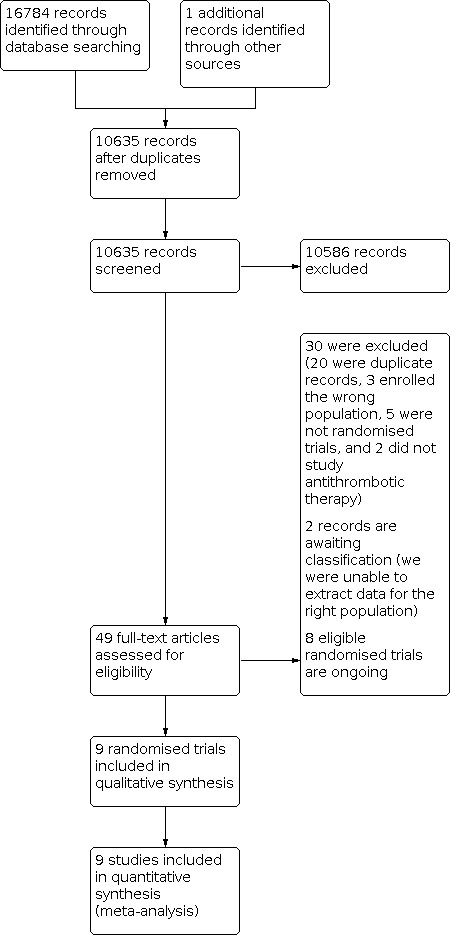
Search methods: We searched the Cochrane Stroke Group Trials Register (5 October 2021). We also searched the Cochrane Central Register of Controlled Trials (CENTRAL: the Cochrane Library 2021, Issue 10), MEDLINE Ovid (from 1948 to October 2021) and Embase Ovid (from 1980 to October 2021). The online registries of clinical trials searched were the US National Institutes of Health Ongoing Trials Register ClinicalTrials.gov (clinicaltrials.gov) and the World Health Organization (WHO) International Clinical Trials Registry Platform (ICTRP) (5 October 2021). We screened the reference lists of included randomised controlled trials (RCTs) for additional, potentially relevant RCTs.
Selection criteria: We selected RCTs in which participants with ICH of any age were allocated to a class of antithrombotic treatment as intervention or comparator.
Data collection and analysis: In accordance with standard methodological procedures recommended by Cochrane, two review authors assessed each selected RCT for its risk of bias and extracted data independently. The primary outcome was a composite of MACE, and secondary outcomes included death, individual components of the MACE composite, ICH growth, functional status and cognitive status. We estimated effects using the frequency of outcomes that occurred during the entire duration of follow-up and calculated a risk ratio (RR) for each RCT. We grouped RCTs separately for analysis according to 1) the class(es) of antithrombotic treatment used for the intervention and comparator, and 2) the duration of antithrombotic treatment use (short term versus long term). We pooled the intention-to-treat populations of RCTs using a fixed-effect model for meta-analysis, but used a random-effects model if RCTs differed substantially in their design or there was considerable heterogeneity (I2 ≥ 75%) in their results. We applied GRADE to assess the certainty of the evidence.
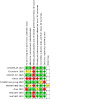
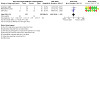
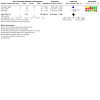
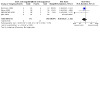
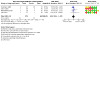
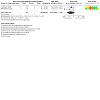
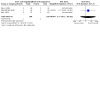
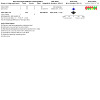
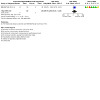
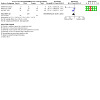
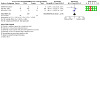
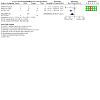
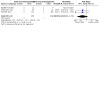
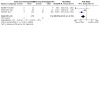
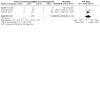
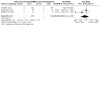
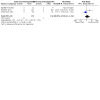
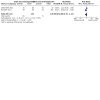
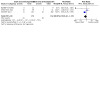
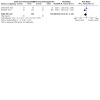
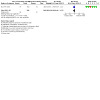
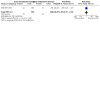
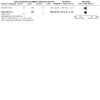
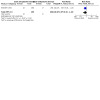
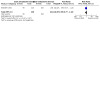
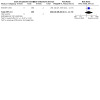
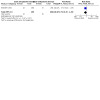
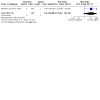
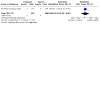
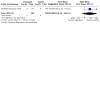
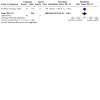
Main results: We identified seven new completed RCTs for this update, resulting in the inclusion of a total of nine RCTs based in secondary care, comprising 1491 participants (average age ranged from 61 to 79 years and the proportion of men ranged from 44% to 67%). The proportion of included RCTs at low risk of bias, by category was: random sequence generation (67%), allocation concealment (67%), performance (22%), detection (78%), attrition (89%), and reporting (78%). For starting versus avoiding short-term prophylactic dose anticoagulation after ICH, no RCT reported MACE. The evidence is very uncertain about the effect of starting short-term prophylactic dose anticoagulation on death (RR 1.00, 95% CI 0.59 to 1.70, P = 1.00; 3 RCTs; very low-certainty evidence), venous thromboembolism (RR 0.84, 95% CI 0.51 to 1.37, P = 0.49; 4 RCTs; very low-certainty evidence), ICH (RR 0.24, 95% CI 0.04 to 1.38, P = 0.11; 2 RCTs; very low-certainty evidence), and independent functional status (RR 2.03, 95% CI 0.78 to 5.25, P = 0.15; 1 RCT; very low-certainty evidence) over 90 days. For starting versus avoiding long-term therapeutic dose oral anticoagulation for atrial fibrillation after ICH, starting long-term therapeutic dose oral anticoagulation probably reduces MACE (RR 0.61, 95% CI 0.40 to 0.94, P = 0.02; 3 RCTs; moderate-certainty evidence) and probably reduces all major occlusive vascular events (RR 0.27, 95% CI 0.14 to 0.53, P = 0.0002; 3 RCTs; moderate-certainty evidence), but probably results in little to no difference in death (RR 1.05, 95% CI 0.62 to 1.78, P = 0.86; 3 RCTs; moderate-certainty evidence), probably increases intracranial haemorrhage (RR 2.43, 95% CI 0.88 to 6.73, P = 0.09; 3 RCTs; moderate-certainty evidence), and may result in little to no difference in independent functional status (RR 0.98, 95% CI 0.78 to 1.24, P = 0.87; 2 RCTs; low-certainty evidence) over one to three years. For starting versus avoiding long-term antiplatelet therapy after ICH, the evidence is uncertain about the effects of starting long-term antiplatelet therapy on MACE (RR 0.89, 95% CI 0.64 to 1.22, P = 0.46; 1 RCT; moderate-certainty evidence), death (RR 1.08, 95% CI 0.76 to 1.53, P = 0.66; 1 RCT; moderate-certainty evidence), all major occlusive vascular events (RR 1.03, 95% CI 0.68 to 1.55, P = 0.90; 1 RCT; moderate-certainty evidence), ICH (RR 0.52, 95% CI 0.27 to 1.03, P = 0.06; 1 RCT; moderate-certainty evidence) and independent functional status (RR 0.95, 95% CI 0.77 to 1.18, P = 0.67; 1 RCT; moderate-certainty evidence) over a median follow-up of two years. For adults within 180 days of non-cardioembolic ischaemic stroke or transient ischaemic attack and a clinical history of prior ICH, there was no evidence of an effect of long-term cilostazol compared to aspirin on MACE (RR 1.33, 95% CI 0.74 to 2.40, P = 0.34; subgroup of 1 RCT; low-certainty evidence), death (RR 1.65, 95% CI 0.55 to 4.91, P = 0.37; subgroup of 1 RCT; low-certainty evidence), or ICH (RR 1.29, 95% CI 0.35 to 4.69, P = 0.70; subgroup of 1 RCT; low-certainty evidence) over a median follow-up of 1.8 years; all major occlusive vascular events and functional status were not reported.
Authors' conclusions: We did not identify beneficial or hazardous effects of short-term prophylactic dose parenteral anticoagulation and long-term oral antiplatelet therapy after ICH on important outcomes. Although there was a significant reduction in MACE and all major occlusive vascular events after long-term treatment with therapeutic dose oral anticoagulation for atrial fibrillation after ICH, the pooled estimates were imprecise, the certainty of evidence was only moderate, and effects on other important outcomes were uncertain. Large RCTs with a low risk of bias are required to resolve the ongoing dilemmas about antithrombotic treatment after ICH.
Trial registration: ClinicalTrials.gov NCT02565693 NCT02998905 NCT01013532 NCT01573169 NCT03153150 NCT02801669 NCT02966119 NCT03243175 NCT03907046 NCT03950076 NCT04522102 NCT04820972 NCT03996772.
Copyright © 2023 The Authors. Cochrane Database of Systematic Reviews published by John Wiley & Sons, Ltd. on behalf of The Cochrane Collaboration.
Conflict of interest statement
(1) Credit pharma, China: Grant / Contract Contract Start Date: Jan 1, 2020 Contract End Date: Ongoing / No Known End Date Additional Information: grant support paid to my institution
(2) Genesis Pharma: Grant / Contract Contract Start Date: Jan 1, 2020 Contract End Date: Ongoing / No Known End Date Additional Information: grant support paid to my institution
(3) National Health and Medical Research Council: Grant / Contract Contract Start Date: Jan 1, 2020 Contract End Date: Ongoing / No Known End Date Additional Information: grant support
(4) Penumbra, Inc: Grant / Contract Contract Start Date: Jun 30, 2021 Contract End Date: Ongoing / No Known End Date Additional Information: grant support paid to my institution
(1) AC Immune Data And Safety Monitoring Category: Data And Safety Monitoring Contract Description: DSMB member of ACI‐35‐1802 Phase Ib/IIa trial of tau‐targeted vaccines in early Alzheimers Disease End Date: Ongoing / No Known End Date
(2) Bayer Category: Consultant Contract Description: Stroke Prevention Initiative End Date: Oct 20, 2020
(3) Bristol‐Myers Squibb Category: Other Contract Description: Member of the Steering Committee of the AXIOMATIC‐SSP phase 2 trial of milvexian End Date: Ongoing / No Known End Date
(4) Janssen Research and Development Category: Consultant Contract Description: Review of clinical trial protocol End Date: Ongoing / No Known End Date
Intellectual Property Description: Antiplatelet Secondary Prevention International Randomised Trial After Intracerebral Haemorrhage
(1) British Heart Foundation: Grant / Contract Contract Start Date: Aug 1, 2018 Contract End Date: Jul 31, 2021 Additional Information: Clinical study grant for the SoSTART trial
(2) British Heart Foundation: Grant / Contract Contract Start Date: Mar 1, 2013 Contract End Date: Jul 31, 2021 Additional Information: Special project grant for RESTART
(3) Population Health Research Institute: Grant / Contract Contract Start Date: Apr 22, 2019 Contract End Date: Ongoing / No Known End Date Additional Information: Grant for the ENRICH‐AF trial
Figures
Update of
-
Antithrombotic treatment after stroke due to intracerebral haemorrhage.Cochrane Database Syst Rev. 2017 May 25;5(5):CD012144. doi: 10.1002/14651858.CD012144.pub2. Cochrane Database Syst Rev. 2017. Update in: Cochrane Database Syst Rev. 2023 Jan 26;1:CD012144. doi: 10.1002/14651858.CD012144.pub3. PMID: 28540976 Free PMC article. Updated.
Comment in
-
After ICH, starting long-term therapeutic oral anticoagulation in patients with AF reduces MACE at 1 to 3 y.Ann Intern Med. 2023 Jun;176(6):JC71. doi: 10.7326/J23-0035. Epub 2023 Jun 6. Ann Intern Med. 2023. PMID: 37276603
References
References to studies included in this review
APACHE‐AF 2021 {published data only}NL4395
-
- Schreuder FH, Nieuwenhuizen KM, Hofmeijer J, Vermeer SE, Kerkhoff H, Zock E, APACHE-AF Trial Investigators. Apixaban versus no anticoagulation after anticoagulation-associated intracerebral haemorrhage in patients with atrial fibrillation in the Netherlands (APACHE-AF): a randomised, open-label, phase 2 trial. Lancet Neurology 2021;20(11):907-16. [DOI: 10.1016/S1474-4422(21)00298-2] [PMID: ] - DOI - PubMed
-
- Van Nieuwenhuizen KM, Van der Worp HB, Algra A, Kappelle LJ, Rinkel GJ, Van Gelder IC, et al. Apixaban versus antiplatelet drugs or no antithrombotic drugs after anticoagulation-associated intracerebral haemorrhage in patients with atrial fibrillation (APACHE-AF): study protocol for a randomised controlled trial. Trials 2015;16:393. [DOI: 10.1186/s13063-015-0898-4] - DOI - PMC - PubMed
Dickmann 1988 {published data only}
NASPAF‐ICH 2020 {published data only}
-
- Shoamanesh A, Sharma M, Dowlatshahi D, Pikula A, Smith EE, Gladstone DJ, et al. Non-vitamin K oral anticoagulants in intracerebral hemorrhage survivors with atrial fibrillation: primary results of the NASPAF-ICH randomized trial. In: International Stroke Conference, Session A28 - Late-Breaking Science Oral Abstracts II. Los Angeles, 2020. [CLINICALTRIALS.GOV: NCT02998905]
Orken 2009 {published data only}
PICASSO sub‐group 2020 {published data only}
-
- Kim BJ, Kwon SU, Park JH, Kim YJ, Hong KS, Wong LK, PICASSO Investigators. Cilostazol versus aspirin in ischemic stroke patients with high-risk cerebral hemorrhage: subgroup analysis of the PICASSO Trial. Stroke 2020;51(3):931-7. [CLINICALTRIALS.GOV: NCT01013532] [DOI: 10.1161/STROKEAHA.119.023855] [PMID: ] - DOI - PubMed
-
- Kim BJ, Lee EJ, Kwon SU, Park JH, Kim YJ, Hong KS, PICASSO investigators. Prevention of cardiovascular events in Asian patients with ischaemic stroke at high risk of cerebral haemorrhage (PICASSO): a multicentre, randomised controlled trial. Lancet Neurology 2018;17(6):509-18. - PubMed
PREVENTIHS 2020 {published data only}
-
- Paciaroni M, Agnelli G, Alberti A, Becattini C, Guercini F, Martini G, et al. PREvention of VENous Thromboembolism In Hemorrhagic Stroke patients - PREVENTIHS Study: a randomized controlled trial and a systematic review and meta-analysis. European Neurology 2020;83(6):566-75. [DOI: 10.1159/000511574] [PMID: ] - DOI - PubMed
Qian 2021 {published data only}
-
- Qian C, Huhtakangas J, Juvela S, Bode MK, Tatlisumak T, Savolainen M, et al. Early vs. late enoxaparin for the prevention of venous thromboembolism in patients with ICH: a double blind placebo controlled multicenter study. Clinical Neurology and Neurosurgery 2021;202:106534. [DOI: 10.1016/j.clineuro.2021.106534] [PMID: ] - DOI - PubMed
RESTART 2019 {published data only}ISRCTN71907627
-
- Al-Shahi Salman R, Dennis M, Murray G, Innes K, Drever J, Dinsmore L, et al. The REstart or STop Antithrombotics Randomised Trial (RESTART) after stroke due to intracerebral haemorrhage: study protocol for a randomised controlled trial. Trials 2018;19:162. [DOI: 10.1186/s13063-018-2542-6] - DOI - PMC - PubMed
-
- Al-Shahi Salman R, Minks DP, Mitra D, Rodrigues MA, Bhatnagar P, du Plessis JC, RESTART Collaboration. Effects of antiplatelet therapy on stroke risk by brain imaging features of intracerebral haemorrhage and cerebral small vessel diseases: subgroup analyses of the RESTART randomised, open-label trial. Lancet Neurology 2019;18(7):643-52. [DOI: 10.1016/S1474-4422(19)30184-X] [PMID: ] - DOI - PMC - PubMed
SoSTART 2021 {published data only}
-
- SoSTART Collaboration. Effects of oral anticoagulation for atrial fibrillation after spontaneous intracranial haemorrhage in the UK: a randomised, open-label, assessor-masked, pilot-phase, non-inferiority trial. Lancet Neurology 2021;20(10):842-53. [DOI: 10.1016/S1474-4422(21)00264-7.] [PMID: ] - DOI - PubMed
References to studies excluded from this review
Boeer 1991 {published data only}
CAST 1997 {published data only}
-
- CAST (Chinese Acute Stroke Trial) Collaborative Group. CAST: randomised placebo-controlled trial of early aspirin use in 20 000 patients with acute ischaemic stroke; CAST (Chinese Acute Stroke Trial) Collaborative Group. Lancet 1997;349(9066):1641-9. [DOI: 10.1016/S0140-6736(97)04010-5] [PMID: ] - DOI - PubMed
ChiCTR2000040166 {published data only}
-
- ChiCTR2000040166. A multi-center, randomized, double-blind, placebo-controlled clinical study of SXHYXN combined with ZLHXTY in the treatment of cerebral hemorrhage. http://www.chictr.org.cn/showprojen.aspx?proj=63798 (first received 23 November 2020). [CHICTR: 2000040166]
Frontera 2014 {published data only}
-
- Frontera JA, Jovine M, Zach V, Gordon E. Safety of venous thromboembolism prophylaxis in intracranial hemorrhage patients with external ventricular drains. Stroke 2014;45:236.
IST 1997 {published data only}
Kuramatsu 2018 {published data only}
-
- Kuramatsu JB, Huttner HB. Restarting therapeutic anticoagulation in patients with intracerebral hemorrhage and mechanical heart valves. Stroke 2018;49 Suppl 1:Abstract 50. [DOI: 10.1161/str.49.suppl_1.50] - DOI
Li 2013 {published data only}
-
- Li X, Zhaosheng S, Zhao W, Zhang J, Chen J, Li Y, et al. Effect of acetylsalicylic acid usage and platelet transfusion on postoperative hemorrhage and activities of daily living in patients with acute intracerebral hemorrhage. Journal of Neurosurgery 2013;118:94-103. [DOI: 10.3171/2012.9.JNS112286] - DOI - PubMed
RESTART extended follow‐up {published data only}
-
- Al-Shahi Salman R, Dennis MS, Sandercock PA, Sudlow CLM, Wardlaw JM, Whiteley WN, RESTART Collaboration. Effects of antiplatelet therapy after stroke caused by intracerebral hemorrhage: extended follow-up of the RESTART randomized clinical trial. JAMA Neurology 2021;78(10):1179-86. [DOI: 10.1001/jamaneurol.2021.2956] - DOI - PMC - PubMed
Venturelli 2014 {published data only}
-
- Venturelli PA, Wang X, Arima H, Heeley E, Delcourt C, Lavados P, et al. Safety of prophylactic heparin in acute intracerebral haemorrhage: post-hoc analysis of the INTERACT2 study. International Journal of Stroke 2014;9 Suppl 1:38.
Yan 2014 {published data only}
References to studies awaiting assessment
ELDERCARE‐AF 2020 {published data only (unpublished sought but not used)}
-
- Okumura K, Lip G, Akao M, Tanizawa K, Fukuzawa M, Abe K, et al. Edoxaban for the management of elderly Japanese patients with atrial fibrillation ineligible for standard oral anticoagulant therapies: rationale and design of the ELDERCARE-AF study. American Heart Journal 2017;194:99-106. [DOI: 10.1016/j.ahj.2017.08.017] - DOI - PubMed
PRAGUE‐17 2020 {published data only (unpublished sought but not used)}
References to ongoing studies
NCT02966119 {published data only}
-
- NCT02966119. REstart or STop Antithrombotic Randomised Trial in France (RESTART-Fr). https://clinicaltrials.gov/ct2/show/NCT02966119 (first received 17 November 2016). [NCT02966119]
NCT03186729 {published data only}
-
- NCT03186729. STudy of Antithrombotic Treatment after IntraCerebral Haemorrhage (STATICH). https://clinicaltrials.gov/ct2/show/NCT03186729 (first received 14 June 2017). [NCT03186729]
NCT03243175 {published data only}
-
- NCT03243175. Avoiding Anticoagulation After IntraCerebral Haemorrhage (A3ICH). https://clinicaltrials.gov/ct2/show/NCT03243175 (first received 8 August 2017). [NCT03243175]
NCT03907046 {published data only}
-
- NCT03907046. Anticoagulation for stroke prevention and recovery after ICH (ASPIRE). https://clinicaltrials.gov/ct2/show/NCT03907046 (first received 8 April 2019). [NCT03907046]
NCT03950076 {published data only}
-
- NCT03950076. EdoxabaN foR IntraCranial Hemorrhage survivors with Atrial Fibrillation (ENRICH-AF). Cochrane Database of Systematic Reviews (first received 15 May 2019).
NCT04522102 {published data only}
-
- NCT04522102. Antiplatelet Secondary Prevention International Randomised trial after INtracerebral haemorrhaGe (ASPIRING) - pilot phase. https://clinicaltrials.gov/ct2/show/NCT04522102 (first received 21 August 2020).
NCT04820972 {unpublished data only}
-
- NCT04820972. Early-start antiplatelet treatment after neurosurgery in patients with spontaneous intracerebral hemorrhage. https://clinicaltrials.gov/ct2/show/NCT04820972 (first received 29 March 2021).
PRESTIGE‐AF {published data only}
-
- Haas K, Korompoki E, Hugen K, Malzahn U, Rucker V, Harvey K, et al. Prevention of stroke in intracerebral haemorrhage survivors with atrial fibrillation (PRESTIGE-AF): objectives and design of a randomised clinical trial and an observational study. European Stroke Journal 2018;3 Suppl 1:233. [DOI: 10.1177/2396987318770127] - DOI
Additional references
AHA ICH guideline 2015
-
- Hemphill JC 3rd, Greenberg SM, Anderson CS, Becker K, Bendok BR, Cushman M, et al. Guidelines for the management of spontaneous intracerebral hemorrhage: a guideline for healthcare professionals from the American Heart Association/American Stroke Association. Stroke 2015;46:2032-60. [DOI: 10.1161/STR.0000000000000069] - DOI - PubMed
Antithrombotic Trialists' Collaboration 2009
Banerjee 2020
Benz 2021
-
- Benz AP, Johansson I, Dewilde WJ, Lopes RD, Mehran R, Sartori S, et al. Antiplatelet therapy in patients with atrial fibrillation: a systematic review and meta-analysis of randomized trials. European Heart Journal - Cardiovascular Pharmacotherapy 2021 Jun 17 [Epub ahead of print]. [DOI: 10.1093/ehjcvp/pvab044] - DOI - PMC - PubMed
Canadian ICH best practice recommendation 2020
Casolla 2019
Chapman 2004
-
- Chapman N, Huxley R, Anderson C, Bousser MG, Chalmers J, Colman S, et al . Effects of a perindopril-based blood pressure-lowering regimen on the risk of recurrent stroke according to stroke subtype and medical history: the PROGRESS Trial. Stroke 2004;35:116-21. [DOI: 10.1161/01.STR.0000106480.76217.6F] - DOI - PubMed
Chen 2020
Cheng 2021
-
- Cheng B, Li J, Peng L, Wang Y, Sun L, He S, et al. Efficacy and safety of restarting antiplatelet therapy for patients with spontaneous intracranial haemorrhage: a systematic review and meta-analysis. Journal of Clinical Pharmacy and Therapeutics 2021;46:957-65. [DOI: 10.1111/jcpt.13377] - DOI - PubMed
Chinese Stroke Association guidelines 2019
-
- Cao Y, Yu S, Zhang Q, Yu T, Liu Y, Sun Z, et al. Chinese Stroke Association guidelines for clinical management of cerebrovascular disorders: executive summary and 2019 update of clinical management of intracerebral haemorrhage. Stroke and Vascular Neurology 2020;5:396-402. [DOI: 10.1136/svn-2020-000433] - DOI - PMC - PubMed
Deeks 2022
-
- Deeks JJ, Higgins JP, Altman DG, on behalf of the Cochrane Statistical Methods Group. Chapter 10: Analysing data and undertaking meta-analyses. In: Higgins JP, Thomas J, Chandler J, Cumpston M, Li T, Page MJ, Welch VA (editors). Cochrane Handbook for Systematic Reviews of Interventions version 6.3 (updated February 2022). Cochrane, 2022. Available from www.training.cochrane.org/handbook.
Ding 2018
ESO guideline on antithrombotic treatment 2019
-
- Klijn CJ, Paciaroni M, Berge E, Korompoki E, Kõrv J, Lal A, et al. Antithrombotic treatment for secondary prevention of stroke and other thromboembolic events in patients with stroke or transient ischemic attack and non-valvular atrial fibrillation: a European Stroke Organisation guideline. European Stroke Journal 2019;4:198-223. [DOI: 10.1177/2396987319841187] - DOI - PMC - PubMed
ESO ICH Guideline 2014
Gaist 2022
GBD 2019 Stroke Collaborators 2021
GRADEpro GDT [Computer program]
-
- GRADEpro Guideline Development Tool. McMaster University, 2015. Available from www.gradepro.org.
Hart 2007
Higgins 2011
-
- Higgins JP, Green S (editors) . Cochrane Handbook for Systematic Reviews of Interventions Version 5.1.0 [updated March 2011]. The Cochrane Collaboration, 2011. Available from www.handbook.cochrane.org.
Keir 2002
Korompoki 2017
Li 2021
-
- Li L, Poon MT, Samarasekera NE, Perry LA, Moullaali TJ, Rodrigues MA, et al. Risks of recurrent stroke and all serious vascular events after spontaneous intracerebral haemorrhage: pooled analyses of two population-based studies. Lancet Neurology 2021;20:437-47. [DOI: 10.1016/S1474-4422(21)00075-2] - DOI - PMC - PubMed
Murthy 2021
National Clinical Guideline for Stroke 2016
-
- Intercollegiate Stroke Working Party. Royal College of Physicians. 5th edition. London, UK: Royal College of Physicians, 2016.
Nielsen 2022
Paciaroni 2011
-
- Paciaroni M, Agnelli G, Venti A, Alberti A, Acciaressi M, Caso V. Efficacy and safety of anticoagulants in the prevention of venous thromboembolism in patients with acute cerebral hemorrhage: a meta-analysis of controlled studies. Journal of Thrombosis and Haemostasis 2011;9:893-8. [DOI: 10.1111/j.1538-7836.2011.04241.x] - DOI - PubMed
Pasquini 2014
PICASSO 2018
-
- Kim BJ, Lee EJ, Kwon SU, Park JH, Kim YJ, Hong KS, PICASSO investigators. Prevention of cardiovascular events in Asian patients with ischaemic stroke at high risk of cerebral haemorrhage (PICASSO): a multicentre, randomised controlled trial. Lancet Neurology 2018;17:509-18. [DOI: 10.1016/S1474-4422(18)30128-5] - DOI - PubMed
Poon 2014
RevMan Web 2022 [Computer program]
-
- Review Manager Web (RevMan Web). Version 4.12.0. The Cochrane Collaboration, 2022. Available at revman.cochrane.org.
Samarasekera 2015
Sandercock 2011
Schünemann 2022
-
- Schünemann HJ, Higgins JP, Vist GE, Glasziou P, Akl EA, Skoetz N, on behalf of the Cochrane GRADEing Methods Group. Chapter 14: Completing ‘Summary of findings’ tables and grading the certainty of the evidence. In: Higgins JP, Thomas J, Chandler J, Cumpston M, Li T, Page MJ, Welch VA (editors). Cochrane Handbook for Systematic Reviews of Interventions version 6.3 (updated February 2022). Cochrane, 2022. Available from www.training.cochrane.org/handbook.
Wang 2021
References to other published versions of this review
Perry 2016
Perry 2017
-
- Perry LA, Berge E, Bowditch J, Forfang E, Rønning OM, Hankey GJ, Villanueva E, Al-Shahi Salman R. Antithrombotic treatment after stroke due to intracerebral haemorrhage. Cochrane Database of Systematic Reviews 2017, Issue 5. Art. No: CD012144. [CENTRAL: CD012144] [DOI: 10.1002/14651858.CD012144.pub2] [PMID: ] - DOI - PMC - PubMed
Publication types
MeSH terms
Substances
Associated data
Grants and funding
LinkOut - more resources
Full Text Sources
Medical
