


Differential plasma protein expression after ingestion of essential amino acid-based dietary supplement verses whey protein in low physical functioning older adults
- PMID: 36720768
- PMCID: PMC10400527
- DOI: 10.1007/s11357-023-00725-5
Differential plasma protein expression after ingestion of essential amino acid-based dietary supplement verses whey protein in low physical functioning older adults
Erratum in
-
Correction to: Differential plasma protein expression after ingestion of essential amino acid-based dietary supplement versus whey protein in low physical functioning older adults.Geroscience. 2023 Jun;45(3):2087. doi: 10.1007/s11357-023-00751-3. Geroscience. 2023. PMID: 36763242 Free PMC article. No abstract available.
Abstract
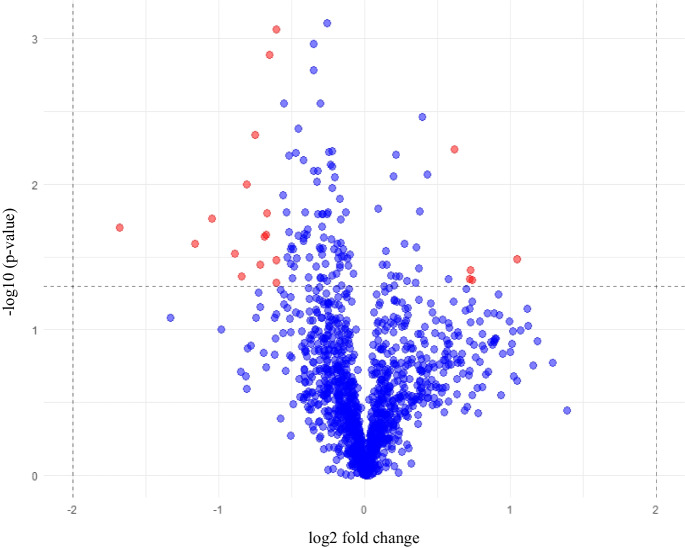
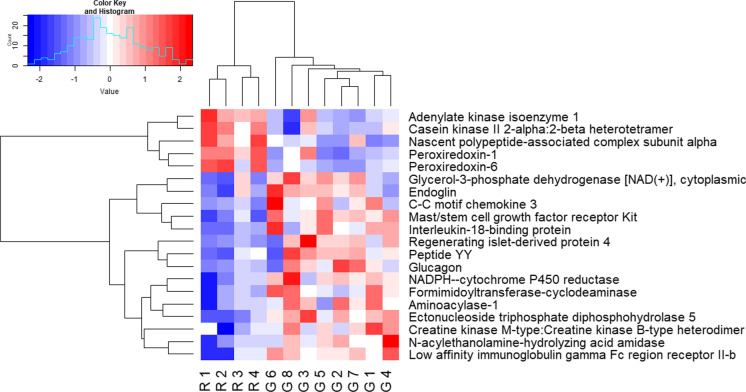
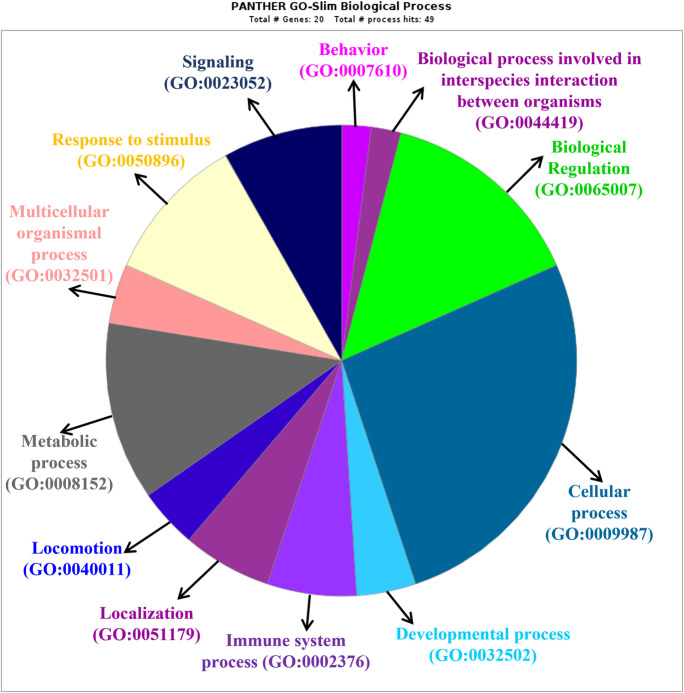
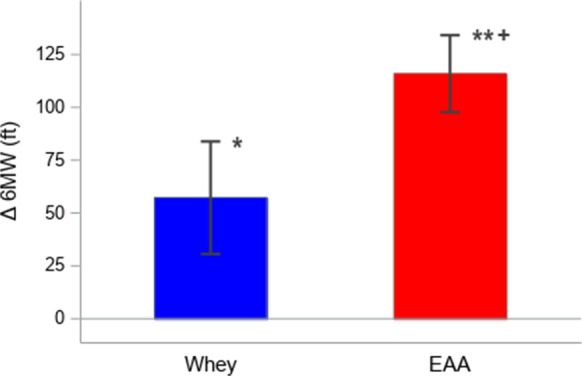
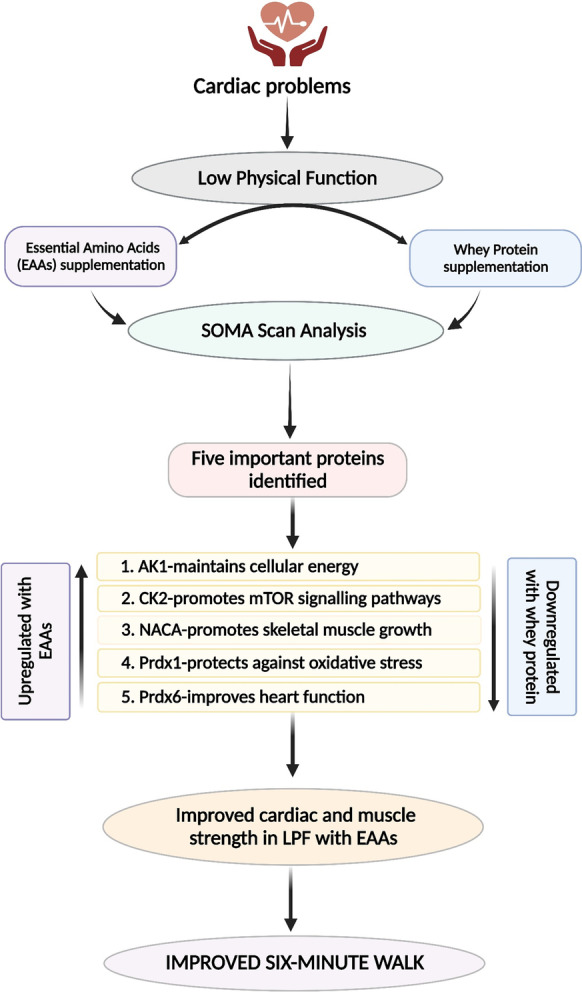
In a recent randomized, double-blind, placebo-controlled trial, we were able to demonstrate the superiority of a dietary supplement composed of essential amino acids (EAAs) over whey protein, in older adults with low physical function. In this paper, we describe the comparative plasma protein expression in the same subject groups of EAAs vs whey. The plasma proteomics data was generated using SOMA scan assay. A total of twenty proteins were found to be differentially expressed in both groups with a 1.5-fold change. Notably, five proteins showed a significantly higher fold change expression in the EAA group which included adenylate kinase isoenzyme 1, casein kinase II 2-alpha, Nascent polypeptide-associated complex subunit alpha, peroxiredoxin-1, and peroxiredoxin-6. These five proteins might have played a significant role in providing energy for the improved cardiac and muscle strength of older adults with LPF. On the other hand, fifteen proteins showed slightly lower fold change expression in the EAA group. Some of these 15 proteins regulate metabolism and were found to be associated with inflammation or other comorbidities. Gene Ontology (GO) enrichment analysis showed the association of these proteins with several biological processes. Furthermore, protein-protein interaction network analysis also showed distinct networks between upregulated and downregulated proteins. In conclusion, the important biological roles of the upregulated proteins plus better physical function of participants in the EAAs vs whey group demonstrated that EAAs have the potential to improve muscle strength and physical function in older adults. This study was registered with ClinicalTrials.gov: NCT03424265 "Nutritional interventions in heart failure."
Keywords: Aging; Essential amino acids; Nutrition; Protein expression; Whey protein.
© 2023. The Author(s).
Conflict of interest statement
R.R.W. and J.Y.W. are the inventors of the EAA-based composition tested in this protocol (U.S. Patent 9,597,367 B2). R.R.W. is a shareholder in Essential Blends, LLC, and The Amino Company, Inc. All other authors declare that they have no competing interests.
Figures


References
-
- Picetti D, Foster S, Pangle A, Schrader A, Wei JY, Azhar G. Knowledge and consumption of protein in older adults: Opportunity for improvement. Int J Dev Res. 2017;7(4):12519–12524.
-
- Kitzman DW, Nicklas B, Kraus WE, Lyles MF, Eggebeen J, Morgan TM, Haykowsky M. Skeletal muscle abnormalities and exercise intolerance in older patients with heart failure and preserved ejection fraction. Am J Physiol-Heart Circ Physiol. 2014;306(9):H1364–H1370. doi: 10.1152/ajpheart.00004.2014. - DOI - PMC - PubMed
-
- Azhar G, Wei JY. The demographics of aging and its impact on the cardiovascular health. Curr Cardiovasc Risk Rep. 2015;9:13. doi: 10.1007/s12170-015-0441-x. - DOI
Publication types
MeSH terms
Substances
Associated data
Grants and funding
LinkOut - more resources
Full Text Sources
Medical
