


Horse-related injury patterns: a single center report
- PMID: 36732813
- PMCID: PMC9893574
- DOI: 10.1186/s13018-023-03549-3
Horse-related injury patterns: a single center report
Abstract
Background: For ages, humankind and horses have been closely related to occupational and recreational activities. The dangers of engaging with horses have been previously reported. Among sporting activities, horse riding is well-known for its risks. Despite multiple recommendations to wear protective gear, horse-related activities still comprise the risk of severe injuries. This study aimed to examine: (1) if specific mechanisms are correlated to particular injury patterns and (2) if injury types are related to patient demographics.
Methods: From one level I trauma center, between July 2019 and July 2022 (3 years) all emergency reports and discharge letters were retrospectively reviewed by full-text search regarding horse-related injuries. Patient demographics, body mass index, trauma mechanism, injury types, and initiated treatment were extracted from medical records and analyzed.
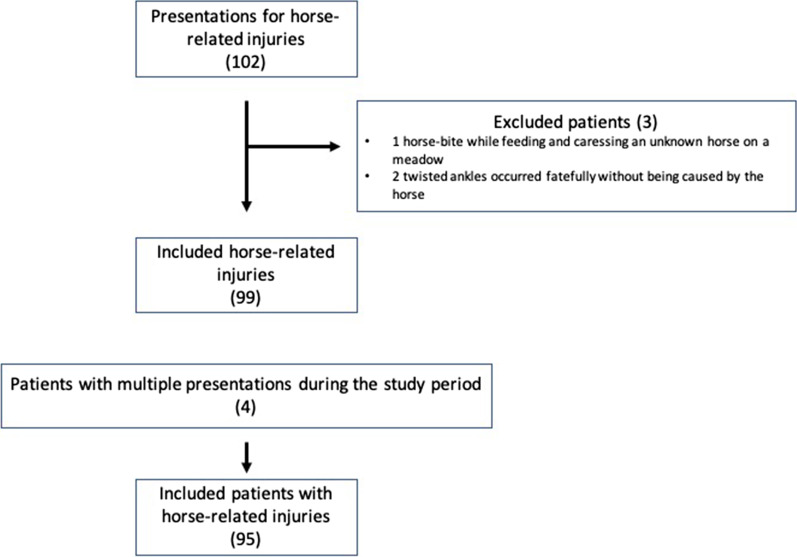
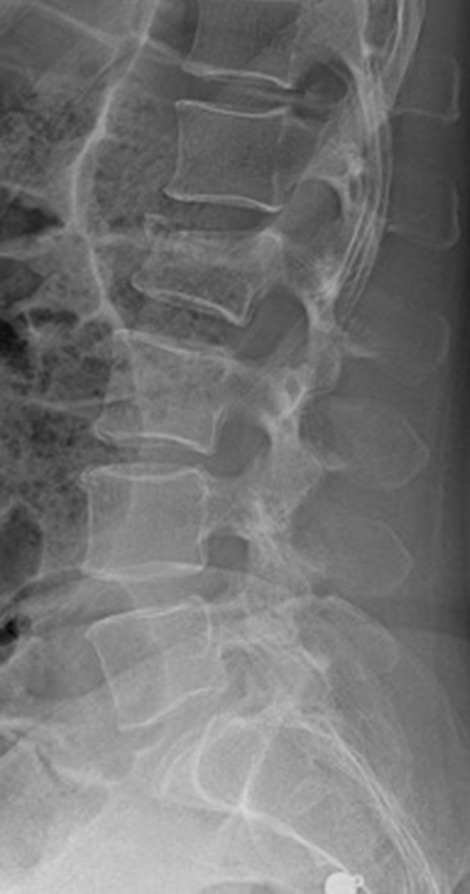
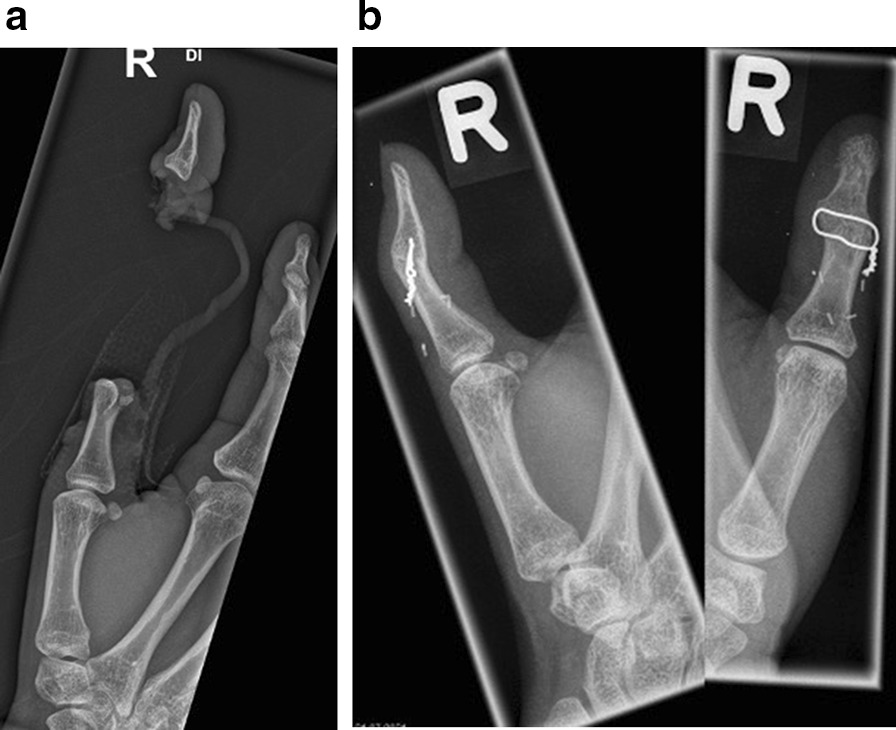
Results: During the study period, 95 patients with 99 horse-related injuries were included. The overwhelming majority of the patients was female (93.7%). Age averaged 35.3 years (range 6 to 71). BMI was 23.6 kg/m2. Inpatient treatment was required in 60.6%. Length of hospital stay averaged 10 days. Surgical treatment was performed in 55 patients (55.6%). Open reduction and internal fixation was the most common procedure (74.5%). Trauma mechanism was fall from a horse followed by being hit by a horse (60.6% and 23.2%, respectively). Injured upper extremities counted up for 52.5% followed by spinal and pelvic injuries (23.2%). Spinal and pelvic injuries were related to fall from a horse (p < 0.001). Injuries to the lower extremities were predominantly caused by a kick of the horse when the rider was unmounted (p = 0.001) and negatively related to a fall from a horse (p = 0.002). Ten patients got their fingers tangled while holding the reins and suffered from injuries to the upper extremity (p < 0.001). Three of them required an amputation (30%).
Conclusion: Despite the fact that patients are young and healthy, horse related injuries must not be underestimated. In our study, almost two-thirds of the patients required inpatient treatment and 50% underwent surgery. We could show that patient age was related to injury severity according to the Abbreviated Injury Scale (AIS). Spinal and pelvic injuries were significantly related to a fall from a horse with a significantly greater trauma impact according to the AIS. Therefore, these severe entities need to be ruled out in such events. Accidents caused by holding the reins, may result in serious injuries to the hand with 30% requiring an amputation. Doctors need to be aware of possible horse-related injury patterns to reduce morbidity.
Keywords: Amputation; Equestrian; Horse-related; Injury; Rider; Spinal injury; Sports; Trauma.
© 2023. The Author(s).
Conflict of interest statement
Each author certifies that he or she, or a member of their immediate family, has no commercial associations (e.g., consultancies, stock ownership, equity interest, patent/licensing arrangements, etc.) that might pose a conflict of interest in connection with the submitted article.
Figures
References
MeSH terms
LinkOut - more resources
Full Text Sources
Medical
