


Genomic insight into the environmental adaptations and toxigenic features of endophytic Bacillus cereus CaB1 isolated from Capsicum annuum L
- PMID: 36733383
- PMCID: PMC9886735
- DOI: 10.1007/s13205-023-03463-9
Genomic insight into the environmental adaptations and toxigenic features of endophytic Bacillus cereus CaB1 isolated from Capsicum annuum L
Abstract
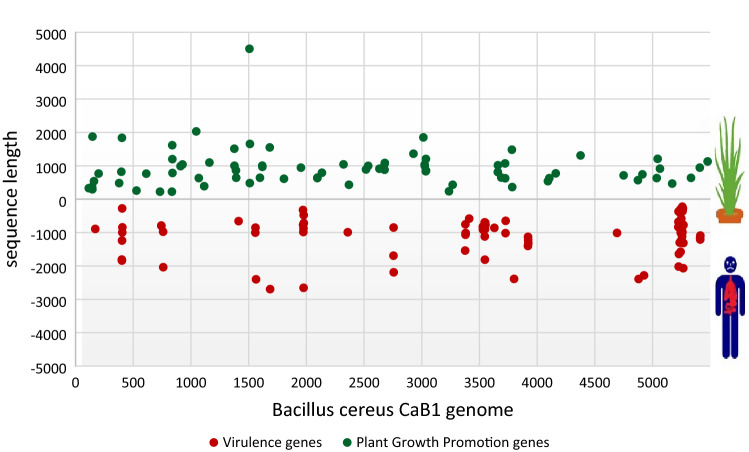
In the study, a previously isolated plant beneficial endophytic B. cereus CaB1 was selected for the detailed analysis by whole-genome sequencing. The WGS has generated a total of 1.9 GB high-quality data which was assembled into a 5,257,162 bp genome with G + C content of 35.2%. Interestingly, CaB1 genome was identified to have 40 genes with plant beneficial functions by bioinformatic analysis. At the same time, it also showed the presence of various virulence factors except the diarrhoeal toxin, cereulide. Upon comparative analysis of CaB1 with other B. cereus strains, it was found to have random distributions of virulence and plant growth promoting traits. The core genome phylogenetic analysis of the Bacillus cereus strains further showed the close relation of plant associated strains with isolates from spoiled food products. The observed genome flexibility of B. cereus thus indicates its ability to make use of diverse hosts, which can result either in beneficial or harmful effects.
Supplementary information: The online version contains supplementary material available at 10.1007/s13205-023-03463-9.
Keywords: B. cereus; Endophyte; Pathogen; Plant growth promoting; Whole genome sequencing.
© King Abdulaziz City for Science and Technology 2023, Springer Nature or its licensor (e.g. a society or other partner) holds exclusive rights to this article under a publishing agreement with the author(s) or other rightsholder(s); author self-archiving of the accepted manuscript version of this article is solely governed by the terms of such publishing agreement and applicable law.
Conflict of interest statement
Conflict of interestThis is to declare that the authors have no conflict of interest on this research work.
Figures


References
-
- Akhtyamova N. Human pathogens—the plant and useful endophytes. J Med Microbiol Diagn. 2013 doi: 10.4172/2161-0703.1000e121. - DOI
-
- Akter N, Hussain Z, Trankler J, Parkpian P. Hospital waste management and it’s probable health effect: a lesson learned from Bangladesh. Indian J Environ Health. 2002;44:124–137. - PubMed
LinkOut - more resources
Full Text Sources
Molecular Biology Databases
