


Digital technology for monitoring adherence to inhaled therapies in people with cystic fibrosis
- PMID: 36734528
- PMCID: PMC9896904
- DOI: 10.1002/14651858.CD013733.pub2
Digital technology for monitoring adherence to inhaled therapies in people with cystic fibrosis
Abstract
Background: Improved understanding and treatment of cystic fibrosis (CF) has led to longer life expectancy, which is accompanied by an increasingly complex regimen of treatments. Suboptimal adherence to the treatment plan, in the context of respiratory disease, has been found to be associated with poorer health outcomes. With digital technology being more accessible, it can be used to monitor adherence to inhaled therapies via chipped nebulisers, mobile phone apps and web-based platforms. This technology can allow monitoring of adherence as well as clinical outcomes, and allow feedback to both the person with CF and their healthcare team.
Objectives: To assess the effects of using digital technology to monitor adherence to inhaled therapies and health status in adults and children with CF.
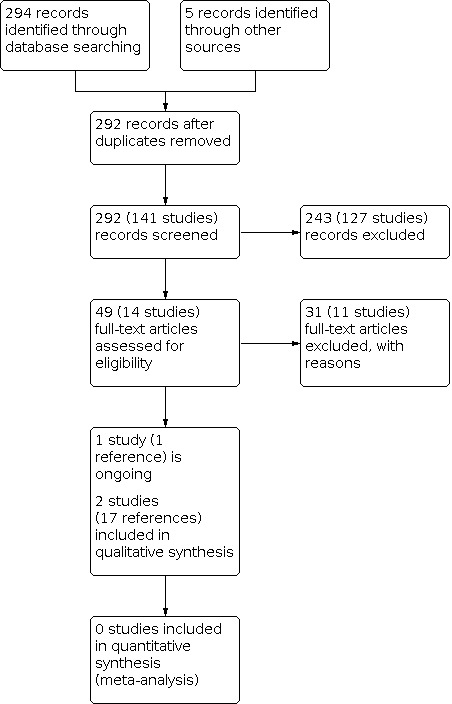
Search methods: We searched the Cochrane Cystic Fibrosis Trials Register, compiled from electronic database searches and handsearching of journals and conference abstract books. Date of last search: 28 October 2021. We also searched Embase and three clinical trial registries and checked references of included studies. Date of last search: 9 November 2021.
Selection criteria: We searched for randomised controlled trials (RCTs) looking at the effects of a digital technology for monitoring adherence of children and adults with CF to inhaled therapies.
Data collection and analysis: Two review authors screened the search results for studies eligible for inclusion in the review and extracted their data. We used Risk of Bias 2 for assessing study quality. We assessed the overall certainty of the evidence using GRADE.
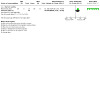
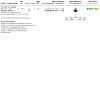
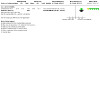
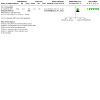
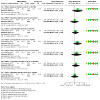
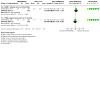
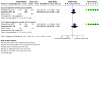
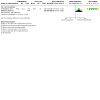
Main results: We included two studies in our review, with 628 participants aged five to 41 years. There was one study each for two different comparisons. Nebuliser target inhalation mode versus standard inhalation mode The included parallel study was carried out over 10 weeks after a run-in period of four to six weeks. The study compared the effects of a digitally enhanced inhalation mode (target inhalation mode) for nebulised antibiotics compared to standard mode in children attending a regional CF clinic in the United Kingdom. The study's primary outcome was the time taken to complete the inhaled treatment, but investigators also reported on adherence to therapy. The results showed that there may be an improvement in adherence with the target inhalation mode when this intervention is used (mean difference (MD) 24.0%, 95% confidence interval (CI) 2.95 to 45.05; low-certainty evidence). The target inhalation mode may make little or no difference to forced expiratory volume in one second (FEV1) % predicted (MD 1.00 % predicted, 95% CI -9.37 to 11.37; low-certainty evidence). The study did not report on treatment burden, quality of life (QoL) or pulmonary exacerbations. eNebuliser with digital support versus eNebuliser without support One large multicentre RCT monitored adherence via data-tracking nebulisers. The intervention group also receiving access to an online web-based platform, CFHealthHub, which offered tailored, flexible support from the study interventionist as well as access to their adherence data, educational and problem-solving information throughout the 12-month trial period. We graded all evidence as moderate certainty. Compared to usual care, the digital intervention probably improves adherence to inhaled therapy (MD 18%, 95% CI 12.90 to 23.10); probably leads to slightly reduced treatment burden (MD 5.1, 95% CI 1.79 to 8.41); and may lead to slightly improved FEV1 % predicted (MD 3.70, 95% CI -0.23 to 7.63). There is probably little or no difference in the incidence of pulmonary exacerbations or QoL between the two groups.
Authors' conclusions: Digital monitoring plus tailored support via an online platform probably improves adherence to inhaled therapies and reduces treatment burden (but without a corresponding change in QoL) in the medium term (low- and moderate-certainty evidence). In a shorter time frame, technological enhancement of inhaling antibiotics may improve adherence to treatment (low-certainty evidence). There may be little or no effect on lung function with either intervention, and online monitoring probably makes no difference to pulmonary exacerbations. Future research should assess the effect of digital technology on adherence in both children and adults. Consideration of adherence to the total treatment regimen is also important, as an improvement in adherence to inhaled therapies could come at the cost of adherence to other parts of the treatment regimen.
Copyright © 2023 The Cochrane Collaboration. Published by John Wiley & Sons, Ltd.
Conflict of interest statement
Sherie Smith: none known.
Dr Rebecca Calthorpe: none known.
Dr Sophie Herbert: none known.
Professor Smyth declares participation in a sponsored symposium (Vertex) and a lecture paid for by TEVA; both of whom are pharmaceutical companies who do not market or manufacture products eligible for inclusion in this review. He has received a research grant from Vertex (outside the submitted work).
Figures
Update of
References
References to studies included in this review
CFHealthHub 2017 {published data only}
-
- Arden MA, Hutchings M, Nightingale JA, Allenby M, Dewar J, Oliver C, et al. CFHealthHub: understanding psychosocial differences between high, medium and low adherers to nebuliser treatment: an exploratory analysis of data from CFHealthHub two centre pilot trial. Journal of Cystic Fibrosis 2017;16 Suppl 1:S60. [CENTRAL: CN-01461910] [CFGD REGISTER: MH53d] [EMBASE: 620749167]
-
- Arden MA, Hutchings M, Whelan P, Drabble SJ, Beever D, Bradley JM, et al. Development of an intervention to increase adherence to nebuliser treatment in adults with cystic fibrosis: CFHealthHub. Pilot and Feasibility Studies 2021;7(1):1. [CFGD REGISTER: MH53m] [DOI: 10.1186/s40814-020-00739-2] - DOI - PMC - PubMed
-
- Drabble SJ, O'Cathain A, Scott AJ, Arden MA, Keating S, Hutchings M, et al. Mechanisms of action of a web-based intervention with health professional support to increase adherence to nebulizer treatments in adults with cystic fibrosis: qualitative interview study. Journal of Medical Internet Research 2020;22(10):e16782. [CENTRAL: CN-02139984] [CFGD REGISTER: MH53e] [EMBASE: 632427980] [PMID: ] - PMC - PubMed
-
- Hind D, Drabble SJ, Arden MA, Mandefield L, Waterhouse S, Maguire C, et al. Supporting medication adherence for adults with cystic fibrosis: a randomised feasibility study. BMC Pulmonary Medicine 2019;19(1):77. [CENTRAL: CN-01938950] [CFGD REGISTER: MH53g] [EMBASE: 627140721] [PMID: ] - PMC - PubMed
-
- Hind D, Maguire C, Cantrill H, O'Cathain A, Wildman M. CFHealthHub: complex intervention to support adherence to treatment in adults with cystic fibrosis: external pilot trial. Journal of Cystic Fibrosis 2017;16 Suppl 1:S40. [ABSTRACT NO.: EPS2.8] [CENTRAL: CN-01461879] [CFGD REGISTER: MH53a] [EMBASE: 620749594]
McCormack 2011 {published data only}
-
- McCormack P, McNamara PS, Southern KW. A randomised controlled trial of breathing modes for adaptive aerosol delivery in children with cystic fibrosis. Journal of Cystic Fibrosis 2011;10(5):343-9. [CFGD REGISTER: DT45b] - PubMed
-
- McCormack P, McNamara PS, Southern KW. Open-label study: a comparison of breathing modes for adaptive aerosol delivery in children with cystic fibrosis. Journal of Cystic Fibrosis 2011;10(Suppl 1):S54. [ABSTRACT NO.: 214] [CFGD REGISTER: DT45a] - PubMed
-
- McCormack P, Southern KW, McNamara PS. New nebulizer technology to monitor adherence and nebulizer performance in Cystic Fibrosis. Journal of Aerosol Medicine and Pulmonary Drug Delivery 2012;25(6):307-9. [CFGD REGISTER: DT45c] - PubMed
References to studies excluded from this review
Aitken 2011 {published data only}
-
- Aitken ML, Caldwell E, Wilhelm E, Goss CH. Early intervention in pulmonary exacerbation. Pediatric Pulmonology 2011;46 Suppl 34:332. [ABSTRACT NO.: 331] [CENTRAL: CN-01003742] [CFGD REGISTER: MH37a] [EMBASE: 70555203]
-
- Goss CH, West N, Allgood S, Wilhelm ED, Khan U, Hamblett N, et al. Weekly adherence is high in an ongoing one year cystic fibrosis home monitoring trial in CF, the eICE study. American Journal of Respiratory and Critical Care Medicine 2014;189:A5359. [CENTRAL: CN-01136701] [CFGD REGISTER: MH37d] [EMBASE: 72047362]
-
- Goss CH, West NE, Allgood S, Wilhelm E, Khan U, Howe D, et al. Assessment of the effectiveness of home monitoring trial in CF to identify and treat acute pulmonary exacerbation: the EICE study results. Pediatric Pulmonology 2015;50 Suppl 41:342. [ABSTRACT NO.: 402] [CENTRAL: CN-01163935] [CFGD REGISTER: MH37f] [EMBASE: 72081681]
-
- Kessler L, Franz N, Rapp H, Hansen RN, Gold LS, Goss C, et al. Effect of home spirometry on cost of pulmonary exacerbation management among CF patients. Pediatric Pulmonology 2020;55 Suppl 2:353. [CFGD REGISTER: MH37l]
Bodnar 2016 {published data only}
-
- Agh T, Bodnar R, Olah M, Meszaros A. Adherence to inhaled antibiotics for the treatment of chronic Pseudomonas aeruginosa infection in patients with cystic fibrosis: a systematic literature review. Value in Health 2015;18(7):A760.
Daniels 2013 {published data only}
Elkins 2006 {published data only}
-
- Bye P, Elkins M, Robinson M, Moriarty C, Rose B, Harbour C, et al. Long-term inhalation of hypertonic saline in patients with cystic fibrosis- a randomised controlled trial. Pediatric Pulmonology 2004;38 Suppl 27:329. [ABSTRACT NO.: 402] [CENTRAL: CN-00507890] [CFGD REGISTER: BD114a]
-
- Elkins M, Robinson M, Moriarty C, Sercombe J, Rose B, Harbour C, et al. Three methods of monitoring adherence in a long-term trial in cystic fibrosis. Journal of Cystic Fibrosis 2006;5 Suppl:S111. [ABSTRACT NO.: 504] [CENTRAL: CN-00593155] [CFGD REGISTER: BD114d]
-
- Elkins MR, Robinson M, Moriarty C, Sercombe J, Rose B, Harbour C. Three methods of monitoring adherence in the national hypertonic saline trial in cystic fibrosis. Pediatric Pulmonology 2005;40 Suppl 28:268. [ABSTRACT NO.: 228] [CENTRAL: CN-00593023] [CFGD REGISTER: BD114c]
-
- Elkins MR, Robinson M, Rose BR, Harbour C, Moriarty CP, Marks GB, et al. A controlled trial of long-term inhaled hypertonic saline in patients with cystic fibrosis. New England Journal of Medicine 2006;354(3):229-40. [CENTRAL: CN-00532707] [CFGD REGISTER: BD114b] [EMBASE: 2006038601] [PMID: ] - PubMed
-
- Ratjen F. Inhaled hypertonic saline produces small increases in lung function in patients with cystic fibrosis. Journal of Pediatrics 2006;149(1):142. [CENTRAL: CN-01253122] [CFGD REGISTER: BD114e] [PMID: ] - PubMed
ISRCTN37959826 {published data only}
-
- ISRCTN37959826. Randomised trial of a web-based intervention for adherence in cystic fibrosis. www.who.int/trialsearch/Trial2.aspx?TrialID=ISRCTN37959826 (date of registration 11 November 2015).
NCT00185549 {published data only}
-
- NCT00185549. An interactive program to improve care for children with CF. clinicaltrials.gov/show/NCT00185549 (first posted 16 September 2005).
NCT01183286 {published data only}
-
- NCT01183286. CFfone: a cell phone support program for adolescents with cystic fibrosis. clinicaltrials.gov/ct2/show/NCT01183286 (first posted 17 August 2010).
NCT02122289 {published data only}
-
- NCT02122289. Muco smartphone exacerbation. clinicaltrials.gov/show/NCT02122289 (first posted 24 April 2014).
NCT03052231 {published data only}
-
- NCT03052231. Interactive mobile health information to enhance patient care at a cystic fibrosis center. clinicaltrials.gov/show/NCT03052231 (first posted 14 February 2107).
Quittner 2001 {published data only}
-
- Quittner AL, Drotar D, Ivers-Landis C, Slocum N, Buu A. Measuring adherence to treatment in adolescents with cystic fibrosis: pros and cons of electronic monitoring. In: 8th Florida Conference on Child Health Psychology; 2001 April 26; Gainesville (FL). 2001.
Sands 2013 {published data only}
-
- Sands D, Sapiejka E, Gaszczyk G, Mazurek H. Comparison of two tobramycin nebuliser solutions: pharmacokinetic, efficacy and safety profiles of T100 and TNS. Journal of Cystic Fibrosis 2014;13(6):653-60. [CENTRAL: CN-01015274] [CFGD REGISTER: PI263c] [PMID: ] - PubMed
-
- Sands D, Sapiejka E, Mazurek H, Gaszczyk G. A randomised comparison of VANTOBRA and TOBI in cystic fibrosis patients with chronic pseudomonas aeruginosa infection for pharmacokinetic and therapeutic equivalence. Journal of Cystic Fibrosis 2013;12 Suppl 1:S66. [ABSTRACT NO.: 69] [CENTRAL: CN-00867325] [CFGD REGISTER: PI263a]
-
- Sands D, Sapiejka E, Mazurek H, Gaszczyk G. Use of an electronic monitoring system to generate objective information on patients' adherence to taking treatments of a novel inhaled tobramycin solution. European Respiratory Journal 2013;42 Suppl 57:P1188. [ABSTRACT NO.: 1497] [CENTRAL: CN-01099909] [CFGD REGISTER: PI263d] [EMBASE: 71843058]
-
- Sands D, Sapiejka E, Mazurek H, Gaszczyk G. Use of an electronic monitoring system to generate objective information on patients' adherence to taking treatments of a novel tobramycin solution (VANTOBRA). Journal of Cystic Fibrosis 2013;12 Suppl 1 :S66. [ABSTRACT NO.: 70] [CFGD REGISTER: PI263b]
References to ongoing studies
Thee 2021 {published data only}
-
- DRKS00024642. Coaching and telemonitoring in patients with cystic fibrosis: connect CF. www.trialsearch.who.int/Trial2.aspx?TrialID=DRKS00024642 (date of registration 01 March 2021). [CFGD REGISTER: MH195a]
Additional references
Bender 1997
-
- Bender B, Milgrom H, Rand C. Nonadherence in asthmatic patients: is there a solution to the problem? Annals of Allergy, Asthma & Immunology 1997;79(3):177-87. - PubMed
Blakey 2018
Calthorpe 2019
-
- Calthorpe RJ, Smith S, Gathercole K, Smyth AR. Using digital technology for home monitoring, adherence and self-management in cystic fibrosis: a state-of-the-art review. Thorax 2019;75(1):72-7. - PubMed
Calthorpe 2020
CF Foundation 2019
-
- Cystic Fibrosis Foundation. About cystic fibrosis. www.cff.org/ (accessed 17 June 2019).
CF Trust 2018
-
- Cystic Fibrosis Trust. Cystic fibrosis insight survey – report on the 2017 and 2018 surveys. www.cysticfibrosis.org (accessed 13 July 2020).
CF Trust 2020
-
- Cystic Fibrosis Trust. UK Cystic fibrosis registry annual data report 2020; December 2021. Available at www.cysticfibrosis.org.uk/sites/default/files/2021-12/CF_Annual%20Report....
Chan 2020
Covidence [Computer program]
-
- Covidence. Melbourne, Australia: Veritas Health Innovation, accessed prior to 02 April 2020. Available at www.covidence.org.
Daniels 2011
-
- Daniels T, Goodacre L, Sutton C, Pollard K, Conway S, Peckham D. Accurate assessment of adherence: self-report and clinician report vs electronic monitoring of nebulizers. Chest 2011;140(2):425-32. - PubMed
Davies 2020
-
- Davies G, Rowbotham NJ, Smith S, Elliot ZC, Gathercole K, Rayner O, et al. Characterising burden of treatment in cystic fibrosis to identify priority areas for clinical trials. Journal of Cystic Fibrosis 2020;19(3):499-502. - PubMed
Deeks 2022
-
- Deeks JJ, Higgins JP, Altman DG editor(s). Chapter 10: Analysing data and undertaking meta-analyses. In: Higgins JP, Thomas J, Chandler J, Cumpston M, Li T, Page MJ, et al, editors. Cochrane Handbook for Systematic Reviews of Interventions version 6.3 (updated February 2022). Cochrane, 2022. Available from training.cochrane.org/handbook.
Eakin 2011
Eakin 2013
Elbourne 2002
-
- Elbourne DR, Altman DG, Higgins JP, Curtin F, Worthington HV, Vail A. Meta-analyses involving cross-over trials: methodological issues. International Journal of Epidemiology 2002;31(1):140-9. - PubMed
Farrell 2018
-
- Farrell P, Férec C, Macek M, Frischer T, Renner S, Riss K, et al. Estimating the age of p.(Phe508del) with family studies of geographically distinct European populations and the early spread of cystic fibrosis. European Journal of Human Genetics 2018;26(12):1832-9. [DOI: 10.1038/s41431-018-0234-z] - DOI - PMC - PubMed
Fuchs 1994
-
- Fuchs HJ, Borowitz DS, Christiansen DH, Morris EM, Nash ML, Ramsey BW, et al. Effect of aerosolized recombinant human DNase on exacerbations of respiratory symptoms and on pulmonary function in patients with cystic fibrosis. New England Journal of Medicine 1994;331(10):637-42. - PubMed
Gee 2000
Goss 2007
Higgins 2022a
-
- Higgins JP, Savović J, Page MJ, Elbers RG, Sterne JA, editor(s). Chapter 8: Risk of bias in a randomized trials. In: Higgins JP, Thomas J, Chandler J, Cumpston M, Li T, Page MJ, et al, editors. Cochrane Handbook for Systematic Reviews of Interventions version 6.3 (updated February 2022). Cochrane 2022. Available from training.cochrane.org/handbook.
Higgins 2022b
-
- Higgins JP, Li T, Deeks JJ, editor(s). Chapter 6: Choosing effect measures and computing estimates of effect. In: Higgins JP, Thomas J, Chandler J, Cumpston M, Li T, Page MJ, et al, editors. Cochrane Handbook for Systematic Reviews of Interventions version 6.3 (updated February 2022). Cochrane, 2022. Available from training.cochrane.org/handbook.
Higgins 2022c
-
- Higgins JP, Eldridge S, Li T, editor(s). Chapter 23 Including variants on randomized trials. In: Higgins JP, Thomas J, Chandler J, Cumpston M, Li T, Page MJ, et al, editors. Cochrane Handbook for Systematic Reviews of Interventions version 6.3 (updated February 2022). Cochrane, 2022. Available from training.cochrane.org/handbook.
Lechtzin 2017
McNamara 2009
-
- McNamara PS, McCormack P, McDonald AJ, Heaf L, Southern KW. Open adherence monitoring using routine data download from an adaptive aerosol delivery nebuliser in children with cystic fibrosis. Journal of Cystic Fibrosis 2009;8(4):258-63. - PubMed
Modi 2008
-
- Modi AC, Marciel KK, Slater SK, Drotar D, Quittner AL. The influence of parental supervision on medical adherence in adolescents with cystic fibrosis: developmental shifts from pre to late adolescence. Children's Health Care 2008;37(1):78-92.
NHS 2019
-
- National Health Service. NHS long-term plan. Chapter 5: Digitally enabled care will go mainstream across the NHS. Available at www.longtermplan.nhs.uk/online-version 2019.
Oates 2015
Page 2022
-
- Page MJ, Higgins JP, Sterne JA. Chapter 13: Assessing risk of bias due to missing results in a synthesis. In: Higgins JP, Thomas J, Chandler J, Cumpston M, Li T, Page MJ, et al, editors. Cochrane Handbook for Systematic Reviews of Interventions version 6.3 (updated February 2022). Cochrane, 2022. Available from www.training.cochrane.org/handbook.
Patterson 2008
-
- Patterson JM, Wall M, Berge J, Milla C. Gender differences in treatment adherence among youth with cystic fibrosis: development of a new questionnaire. Journal of Cystic Fibrosis 2008;7(2):154-64. - PubMed
Quittner 2008
Quittner 2009
-
- Quittner AL, Modi AC, Wainwright C, Otto K, Kirihara J, Montgomery AB. Determination of the minimal clinically important difference scores for the Cystic Fibrosis Questionnaire-Revised respiratory symptom scale in two populations of patients with cystic fibrosis and chronic Pseudomonas aeruginosa airway infection. Chest 2009;135(6):1610-8. - PMC - PubMed
RevMan Web 2019 [Computer program]
-
- Review Manager Web (RevMan Web). Version 1.22.0. The Cochrane Collaboration, 2019. Available at revman.cochrane.org.
RoB2 Tool 2019
-
- RoB2 Excel tool. Available at riskofbias.info (accessed 6 January 2022).
Rowbotham 2018a
Rowbotham 2018b
-
- Rowbotham NJ, Smith SJ, Elliott ZC, Duff A, Rayner O, Davies G, et al. Understanding the treatment burden in cystic fibrosis: a step towards a trial of stopping treatment? Pediatric Pulmonology 2018;53 Suppl 2:373. [ABSTRACT NO.: 588]
Schünemann 2022a
-
- Schünemann HJ, Higgins JP, Vist GE, Glasziou P, Akl EA, Skoetz N, et al. Chapter 14: Completing ‘Summary of findings’ tables and grading the certainty of the evidence. In: Higgins JP, Thomas J, Chandler J, Cumpston M, Li T, Page MJ, et al, editors. Cochrane Handbook for Systematic Reviews of Interventions version 6.3 (updated February 2022). Cochrane, 2022. Available from training.cochrane.org/handbook.
Schünemann 2022b
-
- Schünemann HJ, Vist GE, Higgins JP, Santesso N, Deeks JJ, Glasziou P, et al. Chapter 15: Interpreting results and drawing conclusions. In: Higgins JP, Thomas J, Chandler J, Cumpston M, Li T, Page MJ, et al, editors. Cochrane Handbook for Systematic Reviews of Interventions version 6.3 (updated February 2022). Cochrane, 2022. Available from training.cochrane.org/handbook.
Smith 2022
-
- Smith S, Calthorpe R, Herbert S. Cochrane Review: Digital technology for monitoring adherence to inhaled therapies in people with cystic fibrosis - risk of bias decisions. doi.org/10.6084/m9.figshare.19077011.v1 2022. [DOI: 10.6084/m9.figshare.19077011.v1] - DOI - PMC - PubMed
SPSS 2017 [Computer program]
-
- SPSS Statistical Package for the Social Sciences. Version 25. IBM Corporation, 2017.
Sterne 2019
-
- Sterne JA, Savović J, Page MJ, Elbers RG, Blencowe NS, Boutron I, et al. RoB 2: a revised tool for assessing risk of bias in randomised trials. BMJ 2019;366:l4898. - PubMed
Thorton 2013
-
- Thorton C, Moss N, Chan E. Self-perceived verses electronic monitoring of adherence to nebulised treatment in children with cystic fibrosis - does the use of telehealth system improve nebulisation adherence? European Respiratory Journal 2013;42(Suppl 57):P2113.
WHO 2019
-
- World Health Organization. Global Strategy on Digital Health 2020 - 2024. www.raps.org/news-and-articles/news-articles/2019/4/who-drafts-global-st... (accessed 26 March 2019).
Williams 2004
-
- Williams LK, Pladevall M, Xi H, Peterson EL, Joseph C, Lafata JE, et al. Relationship between adherence to inhaled corticosteroids and poor outcomes among adults with asthma. Journal of Allergy and Clinical Immunology 2004;114(6):1288-93. - PubMed
References to other published versions of this review
Publication types
MeSH terms
Substances
LinkOut - more resources
Full Text Sources
Medical
