


The impact of COVID-19 on youth mental health: A mixed methods survey
- PMID: 36738592
- PMCID: PMC9883078
- DOI: 10.1016/j.psychres.2023.115082
The impact of COVID-19 on youth mental health: A mixed methods survey
Abstract
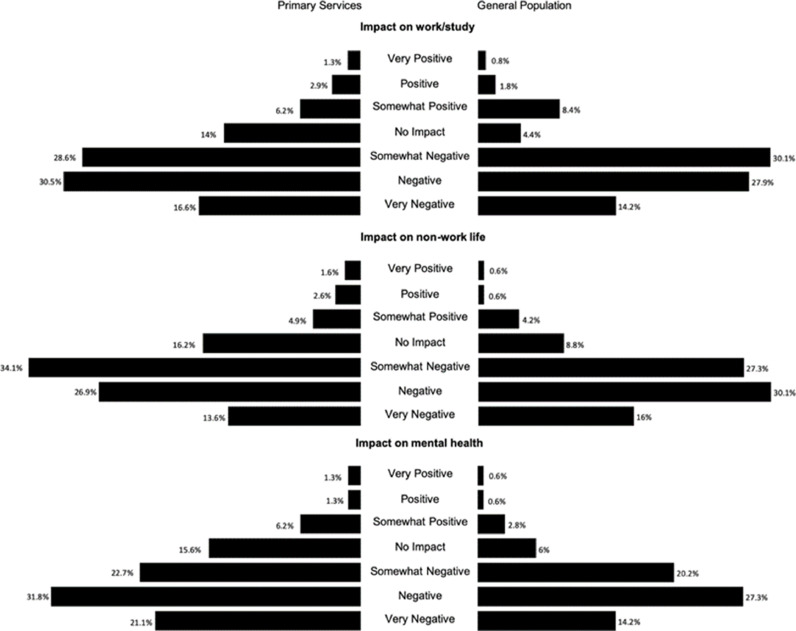
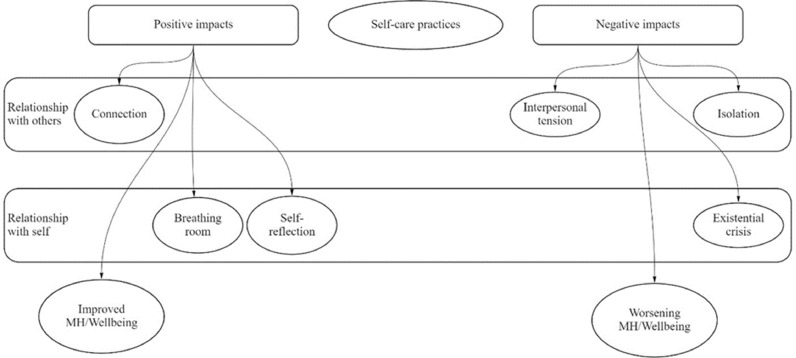
The COVID-19 pandemic has presented profound disruptions to young people at a critical period of psychosocial development. The current study aimed to explore the perceived negative and positive impacts of the COVID-19 pandemic on young people's mental health and wellbeing across a spectrum of clinical needs. A cross-sectional online survey including both quantitative and qualitative responses captured positive and negative impacts of COVID-19 across 593 young people with and without mental health care needs. Findings revealed high levels of clinical depression (48%), anxiety (51%), and loneliness in both samples. Approximately 75% of young people in primary mental health care services, and over 80% in the general population, reported a negative impact on work, non-work activities and mental health and wellbeing. Open-ended responses reflected positive impacts in the domains of greater capacity for self-care and reflection due to the decreased pressures of daily life. Negative impacts reflected worsening mental health, disruptions to key developmental milestones regarding relationships with self and others, and limited capacity for self-care. Together, these data highlight the critical need for early intervention support for the psychosocial impacts experienced by young people due to the pandemic, particularly among those with existing mental health care needs.
Keywords: Anxiety; COVID-19; Depression; Mental health; Qualitative; Young people; Youth.
Copyright © 2023. Published by Elsevier B.V.
Conflict of interest statement
Declaration of Competing Interest The authors state they have no conflict of interest to disclose
Figures
References
Publication types
MeSH terms
LinkOut - more resources
Full Text Sources
Medical
