Impact of breastfeeding on the incidence and severity of respiratory syncytial virus (RSV)-associated acute lower respiratory infections in infants: a systematic review highlighting the global relevance of primary prevention
- PMID: 36746518
- PMCID: PMC9906265
- DOI: 10.1136/bmjgh-2022-009693
Impact of breastfeeding on the incidence and severity of respiratory syncytial virus (RSV)-associated acute lower respiratory infections in infants: a systematic review highlighting the global relevance of primary prevention
Abstract
Background: Respiratory syncytial virus (RSV) is the principal cause of acute lower respiratory infections (ALRI) among infants worldwide, and an important cause of morbidity, hospitalisation and mortality. While infants are universally exposed to RSV, most mortality occurs among normal term infants from low-income and middle-income countries. Breastfeeding has been suggested to have a protective effect against RSV infection. This study aims to determine the association of breastfeeding on the frequency and severity of RSV-associated ALRI among infants.
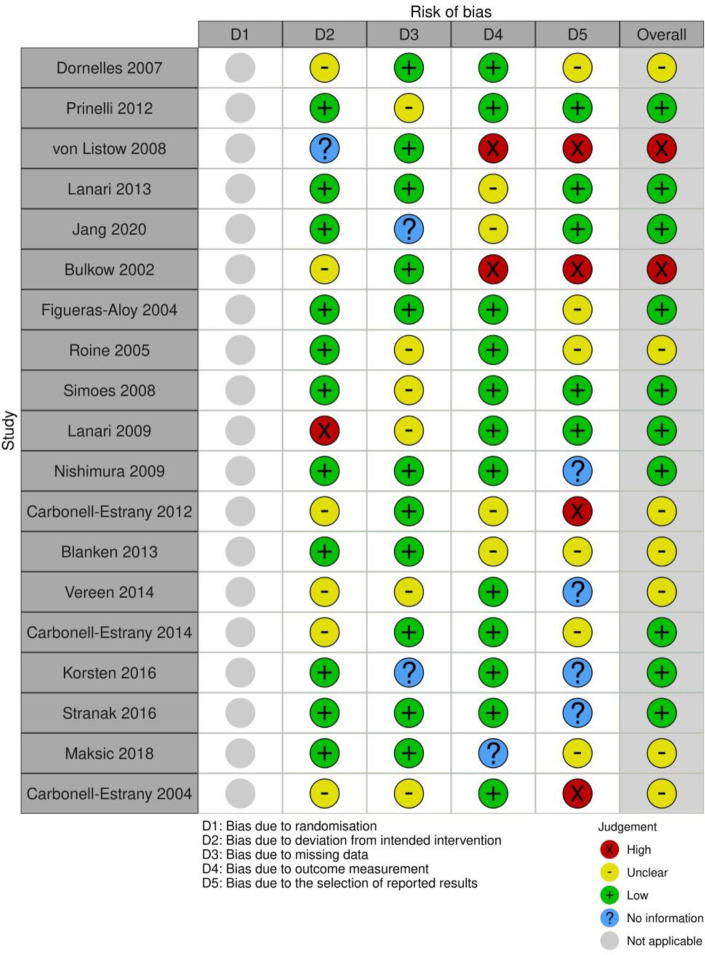
Methods: A systematic review was conducted using keywords and Medical Subject Headings on MEDLINE, PubMed, Google Scholar, EMBASE, MedRxiv and Cochrane Central Register of Controlled Trials. Full-text articles published in English from 2000 to 2021 that studied exclusively or partially breastfed infants who developed RSV-associated ALRI <12 months of age were included. Covidence software-based evidence extraction and Preferred Reporting Items for Systematic Reviews and Meta-Analyses Protocol guidelines were followed. Quality of evidence was analysed using UK National Service Framework grading and the risk-of-bias assessment using Robvis.
Results: Among 1368 studies screened, 217 qualified full-text review and 198 were excluded based on pre-agreed criteria. Nineteen articles published from 12 countries that included 16 787 infants from 31 countries (of which 8 middle-income) were retained for analysis. Results indicate that non-breastfeeding practices pose a significant risk for severe RSV-associated ALRI and hospitalisation. Exclusive breastfeeding for >4-6 months significantly lowered hospitalisation, length of stay, supplemental oxygen demand and admission to intensive care units.
Conclusion: In the context of no effective or standardised treatment for established RSV-associated ALRI, available evidence suggest that breastfeeding is associated with lower frequency and severity of RSV-associated ALRI, based on observational studies of variable grades of evidence and risk-of-bias. With both exclusive and partial breastfeeding benefiting infants who develop RSV-associated ALRI, breastfeeding should be promoted globally as an adjunct primary prevention; in addition to emerging immunoprophylaxis and maternal immunisation strategies.
Keywords: child health; infections, diseases, disorders, injuries; paediatrics; public health; systematic review.
© Author(s) (or their employer(s)) 2023. Re-use permitted under CC BY-NC. No commercial re-use. See rights and permissions. Published by BMJ.
Conflict of interest statement
Competing interests: RKP delivered a presentation, and participated in the speaker’s roundtable organised by Sanofi in 2021 on the topic of childhood respiratory infections. None of the presentation content is included in this manuscript. RKP received an honorarium for the presentation and roundtable participation. CPD delivered a global webinar for Abbott Diagnostics on the topic of rapid molecular tests for infectious diseases, including respiratory viruses. The presentation did not refer to RSV or the content of this paper. CPD received an honorarium for the webinar.
Figures

References
-
- Horta BL, Bahl R, Martines JC, et al. . Evidence on the long-term effects of breastfeeding: systematic review and meta-analyses. WHO Library Cataloguing-in-Publication data, 2007. https://apps.who.int/iris/handle/10665/43623
Publication types
MeSH terms
LinkOut - more resources
Full Text Sources